

How to Make Architectural NFT
Producing architectural NFT should be a topic on your agenda as architects lately. In this article, we talked about producing architectural NFTs and converting your productions to NFT in the field of digital design. In the rest of the article, you can see examples of NFT designs and the steps required to create an NFT from your designs.
 Elif Ayse Sen10 October 20226 Mins read438

Table of Contents Show
An architectural NFT is a digital design, such as a rendering, animation, or virtual structure, recorded on a blockchain so its ownership can be verified and traded. To make an architectural NFT, you prepare a digital file, pick a blockchain, set up a crypto wallet, and mint the work on a marketplace where collectors can buy it.
For architects and designers who already work in 3D, the move into NFT marketplaces opened a new way to publish and sell digital work that never has to be built. A non-fungible token does not point to one fixed medium. What it certifies is ownership of a unique asset, handled through a piece of code called a smart contract. That distinction matters once you start thinking about turning your own designs into something collectible.

What Is an Architectural NFT?
An architectural NFT is a token that links a specific digital design file to a verifiable record of ownership on a blockchain. The file itself can be a still rendering, a short animated walkthrough, a GIF, or a fully modeled virtual building. The token is the proof of who owns that particular edition, not the image you see on screen.
The technical backbone is the smart contract. According to Ethereum’s own documentation on NFTs, a smart contract assigns each token a unique identifier and records every transfer, which is what makes a copied screenshot different from owning the registered original. Anyone can save the picture, but only one wallet holds the token tied to it.
This is also where architectural NFTs differ from the BIM or CAD files you use day to day. A working model exists to coordinate construction. An architectural NFT exists as a design object in its own right, sometimes for a building that could never be built. ArchDaily’s piece on how NFT architecture differs from regular 3D models points to Krista Kim’s Mars House, a digital residence that sold for around $500,000, as an early sign that designers could treat virtual space as a finished product.
Why Are Architects Paying Attention to NFTs?
The short answer is reach and revenue. Selling a token gives designers a direct line to collectors without a gallery or a developer in the middle. Studios such as PLP Architecture released NFT collections of skyscraper concepts, and Zaha Hadid Architects built virtual gallery work around the idea, which gave the format credibility inside the profession.
There is a creative reason too. Designing for a token frees you from gravity, budgets, and code requirements. That can be useful as a sketchbook for ideas you later carry into real projects. Similar thinking runs through the way architecture is taking shape inside the metaverse, where spatial design is sold and inhabited entirely online.
A balanced view helps here. The 2021 to 2022 boom that pushed some pieces to six figures has cooled, and many collections now trade far below their peak. Treat an architectural NFT as one possible channel for digital work, not a guaranteed payday. The skill set you build, exporting clean media, writing a clear description, and reaching an audience, carries over regardless of where the market sits.
⚠️ Common Mistake to Avoid
Many first-time creators assume minting an NFT transfers the copyright of the design. It does not. By default the buyer owns the token and that edition, while you keep the underlying intellectual property unless your listing states otherwise. Spell out usage rights in the description so there is no confusion after a sale.

How to Make an Architectural NFT Step by Step
The process has four clear stages once your design is ready. Each one involves a small decision that affects cost, audience, and how your work is stored.
1. Decide What You Want to Mint
Pick a single, finished piece of digital media. This might be a still render of a space, a looping flythrough, an animated GIF, or a virtual structure built for an online world. The goal is an original work that stands on its own, the same way a framed print works in a gallery. Clean exports at a sensible resolution age better than oversized files that are slow to load.
2. Choose a Blockchain
The blockchain is where the record of your architectural NFT lives permanently, so the choice is worth a moment. Ethereum has the largest collector base and the most marketplace support. Solana and Flow offer lower fees and faster transactions, which suits larger editions or lower-priced work. Match the chain to the marketplace and wallet you plan to use, since they have to be compatible.
📐 Technical Note
Most marketplaces store the token data on-chain but keep the actual image off-chain, often on IPFS, a distributed file system. When you mint, confirm the media is pinned to IPFS rather than a single private server, otherwise the file can disappear if that server goes offline while the token still exists.
3. Set Up a Wallet and Select a Marketplace
You need a crypto wallet that works with your chosen chain to hold the NFT and any sale proceeds. After that, choose where to list. OpenSea remains the most widely used general marketplace and supports several chains. Solanart focuses on Solana collections with a simple minting flow, and some exchanges such as Binance also support creation. The right pick depends on which chain you selected and the audience you want to reach.
4. Mint and List the NFT
Minting is straightforward once the setup is done. Connect your wallet to the marketplace, choose the create option, upload your media file, and fill in the title, description, and any properties or traits. Confirm the blockchain, set a royalty percentage if you want a cut of future resales, then finalize. After a short confirmation, your architectural NFT exists and can be put up for sale.
💡 Pro Tip
Set a modest secondary-sale royalty, often in the 5 to 10 percent range, when you mint. It is easy to overlook in the rush to publish, yet it is the one setting that keeps paying you if a piece changes hands later. Note that royalty enforcement varies by marketplace, so check current policy before you rely on it.
Choosing Between the Main Platforms
Platform choice comes down to fees, audience, and which chain you committed to. The table below compares three common starting points for an architectural NFT.
| Platform | Main Blockchain | Best For |
|---|---|---|
| OpenSea | Ethereum and others | Widest reach, general design work |
| Solanart | Solana | Lower fees, larger editions |
| Binance NFT | BNB Chain and Ethereum | Creators already using the exchange |
Costs, Risks, and an Honest Look at the Market
Creating an architectural NFT carries a few costs. Some chains charge a network fee, often called gas, to mint, and the amount changes with network traffic. Other platforms offer lazy minting, where the fee is paid only when the piece sells. Beyond fees, plan for the time spent preparing media, writing listings, and building an audience, since visibility, not minting, is usually the hard part.
The risks deserve plain language. Prices swing sharply, energy use has drawn criticism, and copyright disputes over minted work do happen. The broader idea of putting assets on a blockchain is steadier in areas like tokenized real estate, where tokens represent a stake in physical property rather than a speculative image. For background on the technology and its critiques, the overview of non-fungible tokens on Wikipedia is a useful starting reference, and the wider question of crypto’s role in the metaverse sits in the same conversation.
Cost and fee figures are approximate and vary by blockchain, marketplace, and network conditions at the time of minting. Treat any NFT activity as speculative rather than as financial advice.
Frequently Asked Questions
How much does it cost to make an architectural NFT?
It ranges from almost nothing to a noticeable fee, depending on the chain and method. Lazy minting on platforms like OpenSea can defer the cost until a sale, while minting directly on Ethereum during busy periods can cost more in gas. Lower-fee chains such as Solana keep upfront costs small.
Do I need to know how to code to create an NFT?
No. Marketplaces handle the smart contract for you. If you can model and export a digital file and follow a wallet setup, you can mint without writing any code. Custom contracts only become relevant for large, programmatic collections.
What file types work best for an architectural NFT?
Common image formats like JPG and PNG work for stills, while MP4 and GIF suit animations and flythroughs. Check each marketplace for its size limit and supported formats before exporting, and keep a high-quality master copy of the original.
Can I sell a design for a building that was never constructed?
Yes, and that is one of the main draws. Unbuilt concepts, speculative structures, and purely virtual spaces are all valid as architectural NFTs, since the token certifies the digital work itself rather than a physical building.
Where to Go From Here
Your next step: Pick one finished render you already own the rights to, set up a wallet on a low-fee chain, and mint a single test piece before committing a full collection. Working through the flow once with low stakes teaches you more about pricing, fees, and listings than any amount of reading.






Seedance 3.0 for Home and Garden Concepts: Making a Renovation Story Easier to Discuss
Seedance 3.0 can turn a renovation idea into a short concept video....
 illustrarch Editoral Team5 Mins read
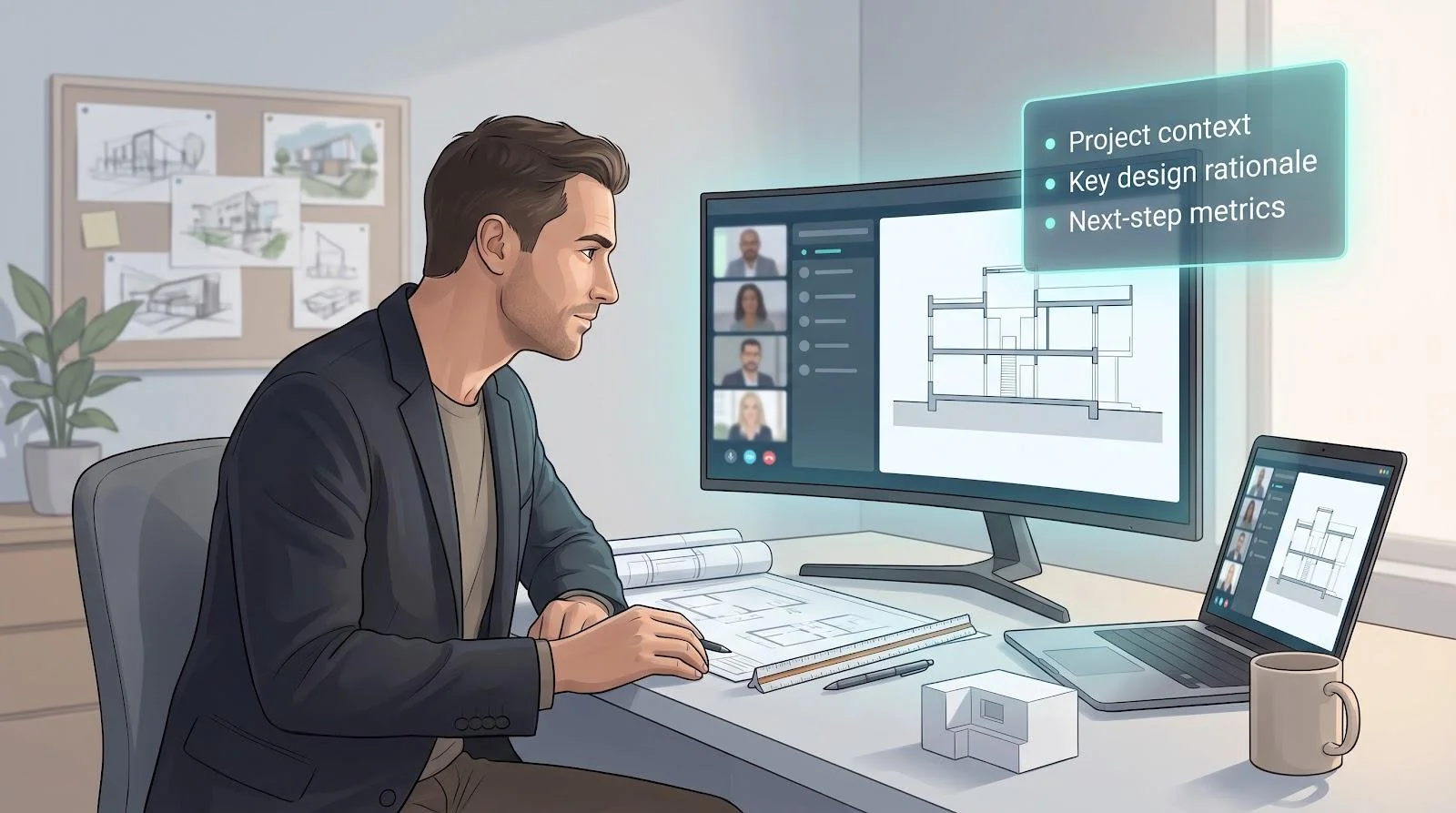
Best AI Interview Assistant for Architects: 9 Tools Compared
We compare nine AI interview assistants for architects on speed, drawing awareness,...
illustrarch Editoral Team12 Mins read

The Nano Banana Prompt: Mastering Micro-Bionic Architecture in Midjourney v6
Nano Banana Prompt explores the innovative fusion of biomimicry and architectural design...
 Bahattin Duran3 Mins read

ChatGPT Alternatives for Architects: 8 Best AI Tools in 2026
Not every AI assistant fits an architecture workflow the same way. This...
 Furkan Sen12 Mins read


Leave a comment