

SAGA Space Architects Completes 36 3D Printed Student Homes in Denmark
SAGA Space Architects completes a 36-unit 3D printed student housing scheme in Holstebro, Denmark, saving 90% of site trees.
 illustrarch Editoral Team12 September 20261 Mins read22
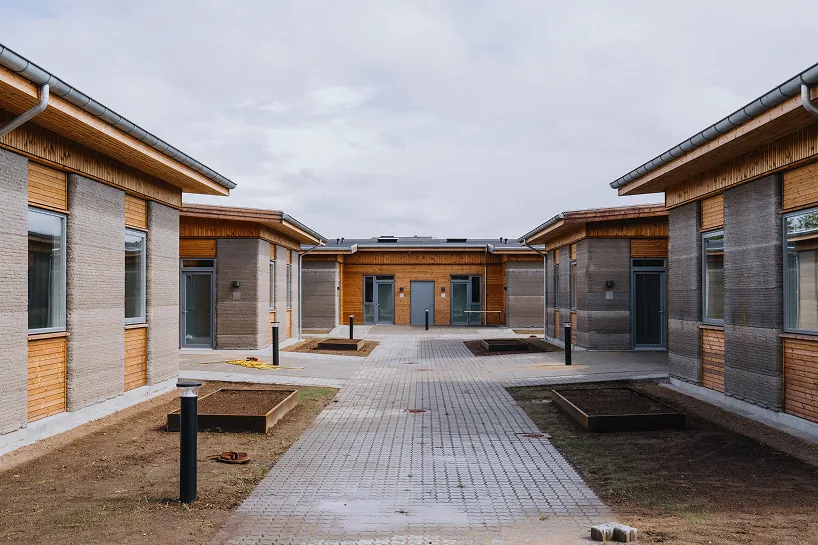
A cluster of 36 ground-floor apartments built for students has been completed in Holstebro, Denmark, using large-scale 3D concrete printing rather than conventional construction. The scheme, called Skovsporet, is the work of SAGA Space Architects together with MS+ Arkitekter, and the first residents are due to move in this September.
Rather than clearing the site, the design team threaded the buildings between existing trees, setting up their printing beds in the gaps and keeping 90 percent of the original tree cover standing. The finished development is split into six low-rise clusters near VIA University College, arranged so that private apartments face onto shared courtyards, gardens and footpaths, with bicycle parking woven through the layout.
Each home is small but complete, holding a kitchen, a study nook, a lounge area, a bathroom and a sleeping space under a single sloped roof. Roof-level windows bring daylight down into the compact interiors, and the material palette mixes printed concrete with cork panelling, glazing and standard roofing elements to soften the industrial look of the printing process.
Printing on site, cutting carbon
The structural walls were printed in place with a COBOD BOD3 printer, using a lower-carbon cement called FUTURECEM, developed by Aalborg Portland, in place of standard mixes. The team pushed the material research further with the site’s bicycle shed, which was printed using MEVOcem, a cement-free mix that the architects say delivers an 84 percent cut in CO2 emissions next to ordinary concrete.
Skovsporet was built within Denmark’s rules and funding structure for subsidised housing, meaning the design had to stay within a fixed budget while still meeting the architectural ambitions of the project. The architects say that optimising the printing process was central to holding costs down without compromising the layout or the landscaping strategy.
Beyond the finished apartments, the project is being treated as a live testbed. SAGA Space Architects and 3DCP Group intend to keep developing and trialling new material mixes and printing methods drawn from what was learned building Skovsporet, with an eye toward future 3D printed housing schemes.
With construction finished, the immediate next step is occupancy: the 36 apartments are set to take in their first student residents in September 2026.




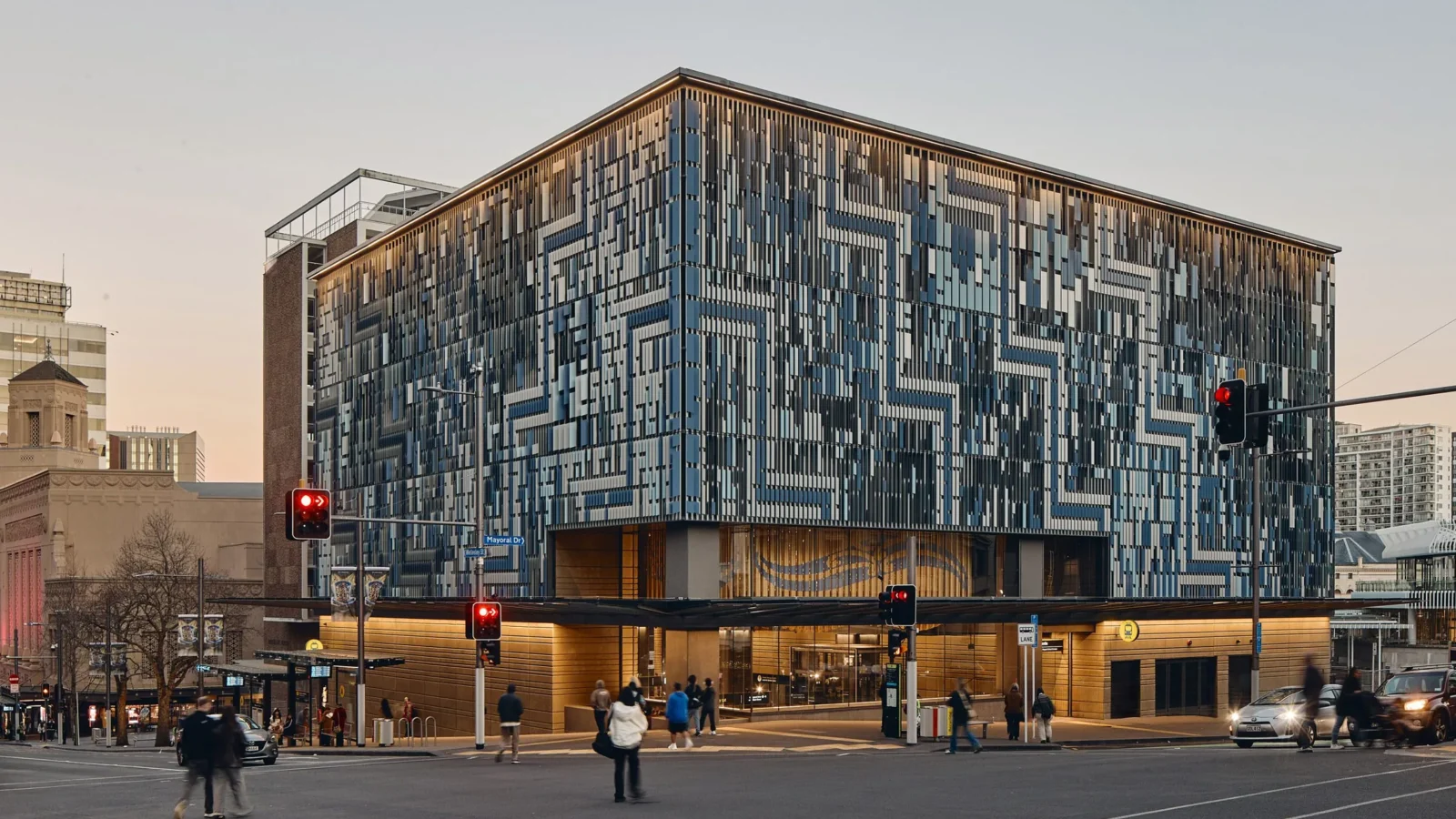
Grimshaw’s Auckland City Rail Link Stations Open Weaving in Māori Design Language
Grimshaw's three City Rail Link stations open in Auckland, built with Mana...
illustrarch Editoral Team3 Mins read
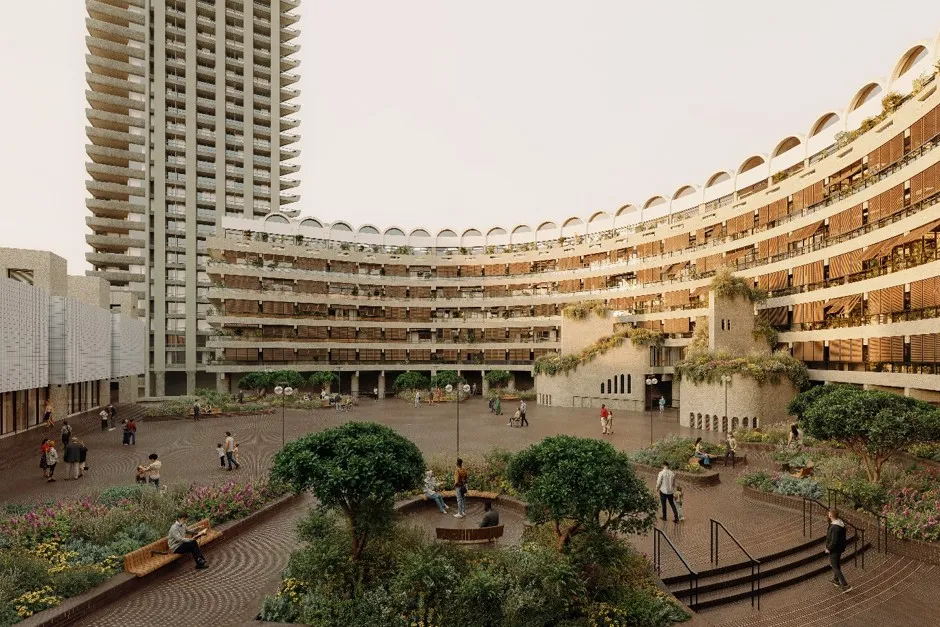
Allies and Morrison Win Approval to Restore Barbican Sculpture Court
City of London Corporation approves Allies and Morrison's plan to restore the...
illustrarch Editoral Team2 Mins read
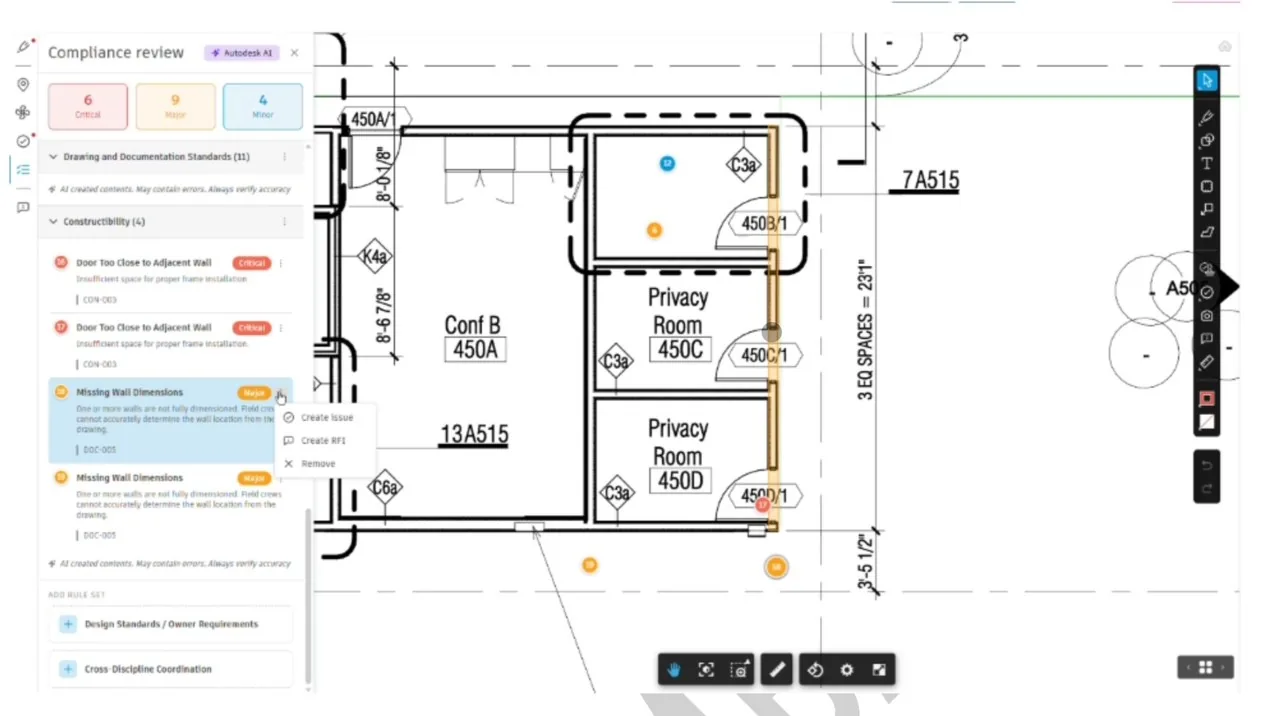
Will Forma Replace Revit? Autodesk Finally Answers
Autodesk's own FAQ says Forma will replace Revit over time, as it...
illustrarch Editoral Team3 Mins read

How HKS Made Astra Tower, Utah’s Tallest Building, Feel Local
Astra Tower, Utah's tallest building since it opened in May 2025, takes...
illustrarch Editoral Team4 Mins read


Leave a comment