

American Interior Design Trends: 7 Modern Home Ideas
A practical look at the American interior design trends shaping 2026 homes, from warm minimalism and sustainable materials to biophilic design, smart technology, and flexible spaces.
 Elif Ayse Sen13 February 20255 Mins read1.1k

Table of Contents Show
American interior design trends in 2026 center on warm minimalism, natural and reclaimed materials, biophilic touches, and smarter home technology. Households across the United States now favor rooms that feel personal and calm, mixing soft textures with confident color, sculptural lighting, and flexible layouts that adapt to remote work, family routines, and energy-conscious living.
Designing a modern home is no longer only about looks. It is about shaping spaces that match how people actually live. The American interior design trends shaping this year reward comfort, sustainability, and personality over cold perfection. Below is a practical look at the styles, materials, and ideas redefining homes from coastal lofts to suburban builds.
What Defines American Interior Design Trends in 2026?
The current direction is best described as relaxed sophistication. Stark, all-white rooms have given way to warmer palettes, layered textures, and pieces with a story behind them. Designers report growing demand for interiors that support wellbeing, reduce environmental impact, and still feel current. Three forces drive most of these USA interior design trends: a desire for comfort after years of hybrid work, rising interest in sustainability, and the steady spread of smart technology into everyday rooms.
What sets the American approach apart is its mix of regional influences. Pacific Northwest homes lean into raw wood and greenery, Southwestern interiors play with earthy clay tones, and Northeastern apartments balance heritage details with clean modern lines. The result is a flexible style language rather than a single rulebook.
🎓 Expert Insight
“Clients no longer ask for a single look. They want rooms that feel collected over time, with natural materials and a few honest, personal pieces.”, says a licensed interior designer with 15+ years of residential experience
This shift away from showroom uniformity explains why texture, patina, and mixed eras now appear across so many American homes.
Warm Minimalism Replaces Stark Modernism
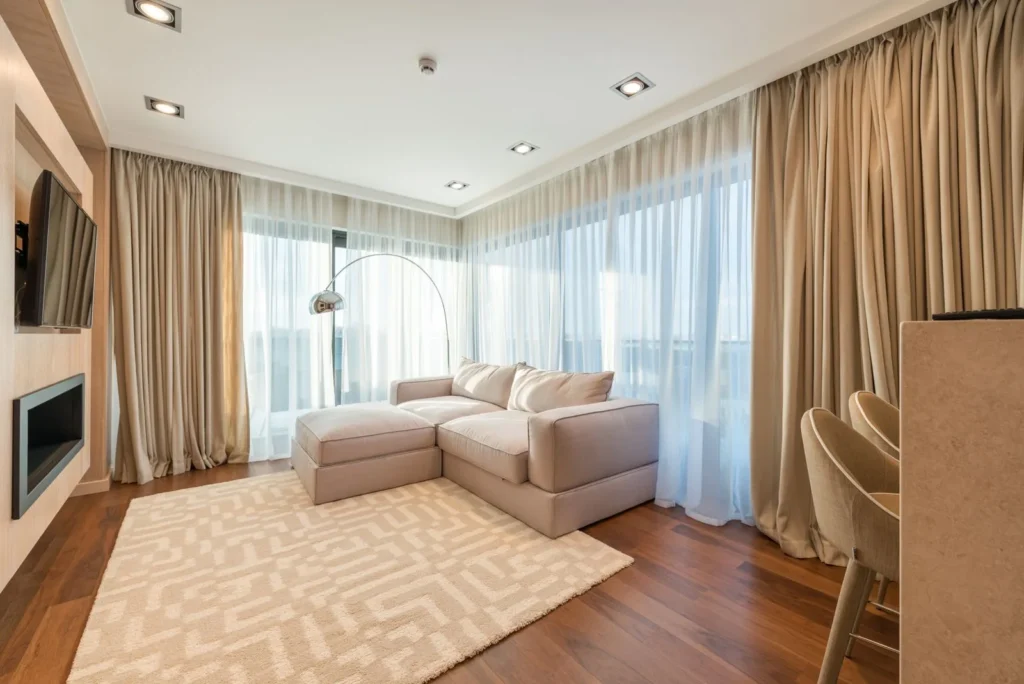
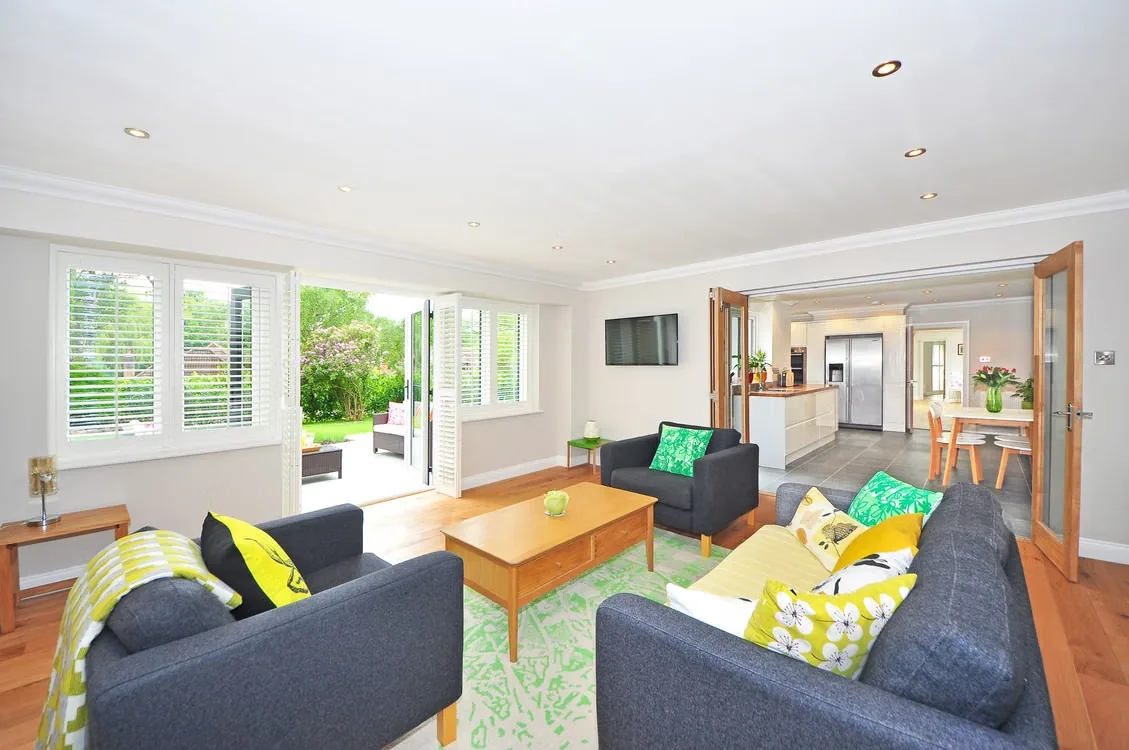
Minimalism has not disappeared, but it has softened. Clean lines and open layouts still anchor many interiors, yet the palette has moved from clinical white toward greige, warm taupe, and soft earth tones. Structured sofas sit beside rounded coffee tables, and natural wood replaces high-gloss surfaces. The goal is calm without coldness.
Open spaces remain popular because they improve daylight and movement between rooms. To keep them from feeling empty, designers add layered rugs, tactile fabrics like boucle and linen, and a small number of meaningful objects rather than constant decoration.
Sustainable and Reclaimed Materials
Eco-conscious choices have moved from niche to mainstream. American homeowners increasingly ask for materials that are durable, renewable, and low in emissions. Bamboo, cork, recycled metal, and reclaimed timber appear in flooring, cabinetry, and accent walls. Bamboo flooring and low-VOC paints are common starting points for healthier interiors.
Upcycled furniture is part of the same movement. Old dressers become bathroom vanities, salvaged wood turns into dining tables, and industrial metal finds new life as shelving. These pieces cut waste while adding character that mass-produced items rarely match. The American Society of Interior Designers tracks this priority in its annual outlook, and sustainability now ranks among the field’s top concerns. You can review the profession’s own resources at the American Society of Interior Designers.
📌 Did You Know?
According to the U.S. Department of Energy, LED bulbs use about 75% less energy and last up to 25 times longer than traditional incandescent lighting. That efficiency is one reason LED systems now appear in nearly every new American interior project.
Biophilic Design and Indoor Greenery
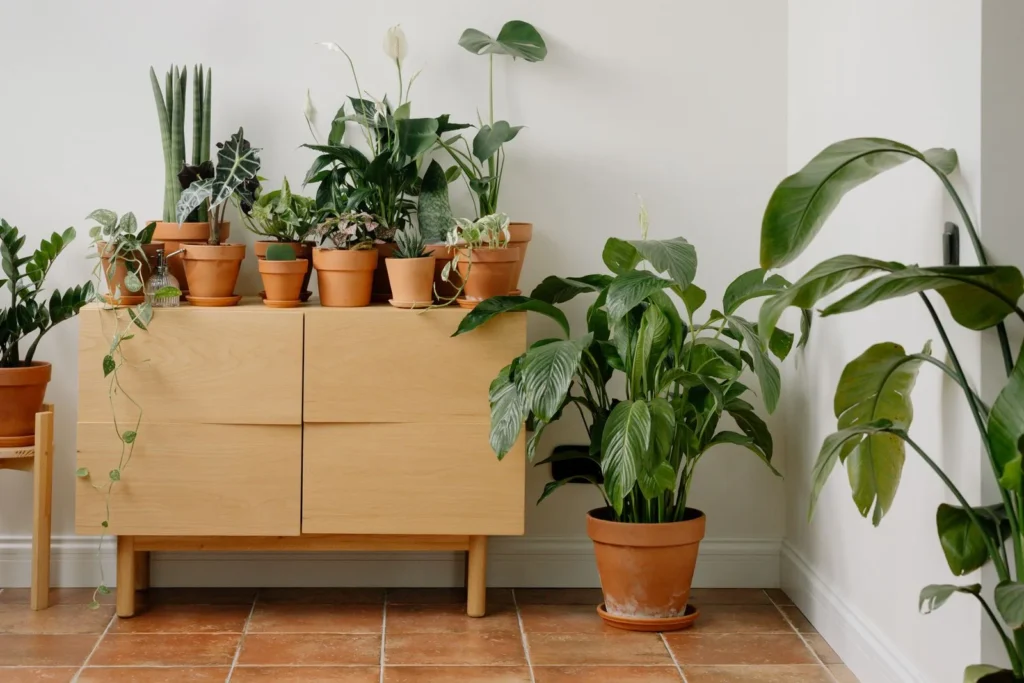
Biophilic design connects interiors with nature, and it has become central to American homes that prioritize wellness. Indoor plants such as fiddle-leaf figs, snake plants, and pothos clean the air and soften hard surfaces. Living walls turn a blank hallway into a vertical garden, while clustered pots suit smaller apartments.
Natural light is the other half of this trend. Large windows, skylights, and glass doors reduce reliance on artificial lighting and lift mood. Where windows are limited, mirrors and pale, reflective finishes bounce daylight deeper into a room. Pairing greenery with strong daylight is one of the most affordable ways to refresh a home.
🏗️ Real-World Example
The Amazon Spheres (Seattle, 2018): These glass domes hold more than 40,000 plants and helped push biophilic ideas into mainstream American interiors. Their influence now shows up in residential living walls, planted room dividers, and daylight-first floor plans.
Bold Color and Pattern Make a Comeback
After years of neutrals, color is back. Saturated accent walls in cobalt blue, emerald green, and deep terracotta add depth without overwhelming a room. Paint remains the easiest route, but textured wallpaper and wood paneling give the same wall extra dimension.
Pattern follows the same energy. Geometric tiles, chevron upholstery, and graphic rugs create focal points, while velvet and woven textiles add a tactile layer. The trick is restraint: one bold gesture per room reads as confident, while too many competing patterns feel chaotic.
💡 Pro Tip
When testing a bold paint color, sample it on two walls and view it in both morning and evening light before committing. Saturated tones shift dramatically between daylight and warm bulbs, and a shade that looks rich at noon can turn muddy after dark.
Smart Home Integration
Connected technology has become a quiet part of American interiors rather than a gadget on display. Smart refrigerators track inventory, Wi-Fi ovens allow remote monitoring, and voice assistants handle lighting and locks. Smart thermostats from brands such as Nest and Ecobee learn household habits and trim energy use.
The design goal is to hide the hardware. Charging stations tuck into drawers, speakers blend with shelving, and lighting controls sit behind clean wall panels. Technology supports the room instead of competing with it, which keeps the overall look uncluttered.
Statement Lighting as Sculpture
Lighting now doubles as art. Oversized pendants in brass or sculpted glass anchor dining areas, while tiered fixtures in wood or rattan add warmth and texture. A single bold fixture can define a room more effectively than any other piece.
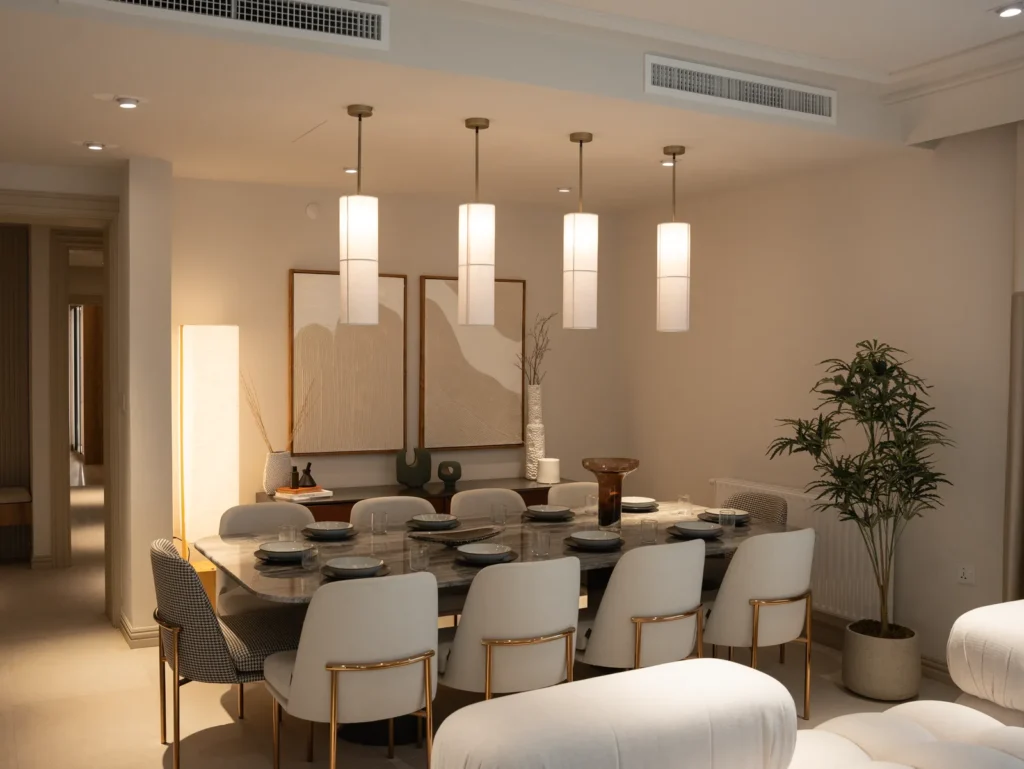
Behind the drama, LED technology does the practical work. Concealed strips under cabinets create ambient glow, smart bulbs shift color temperature through the day, and energy-efficient fixtures cut running costs. Layering ambient, task, and accent lighting gives a room flexibility for both work and rest. For broader design inspiration, publications like Architectural Digest and Dezeen track how lighting trends move from galleries into homes.
Multifunctional and Flexible Spaces
Smaller footprints and remote work have made adaptable rooms a priority. Modular sofas, extendable dining tables, and wall beds let one space serve several roles. Hidden storage, such as ottomans with compartments or beds with built-in drawers, keeps clutter out of sight.
Home offices increasingly fold into living rooms and bedrooms through subtle dividers like open bookshelves or curtains. Modern designs pair ergonomic furniture with soft lighting so a workspace can shift into a relaxation zone by evening. Flexibility, not square footage, defines the most livable American homes right now.
American Interior Design Trends at a Glance
The table below summarizes the leading trends, what defines each one, and the materials or examples most associated with them.
| Trend | What Defines It | Typical Materials / Example |
|---|---|---|
| Warm minimalism | Clean lines with cozy, earthy palettes | Greige walls, linen, oak, boucle |
| Sustainable materials | Renewable, low-emission, reclaimed surfaces | Bamboo, cork, reclaimed wood, low-VOC paint |
| Biophilic design | Nature and daylight inside the home | Living walls, indoor plants, skylights |
| Bold color and pattern | Saturated accents and graphic texture | Cobalt, emerald, geometric tile, velvet |
| Smart integration | Hidden, energy-aware technology | Smart thermostats, LED systems, voice control |
| Flexible spaces | One room serving several functions | Modular sofas, wall beds, hidden storage |
Looking Ahead
The most telling thing about American interior design trends in 2026 is what they reject: the idea that a home should look finished and untouchable. The strongest interiors now read as lived-in, adaptable, and rooted in real materials. The greenest, most personal room is often the one that grows and changes with the people inside it, rather than the one that photographs perfectly on day one.


8 Comments

Spa-Like Serenity: 5 Accessible Luxury Upgrades to Transform Your Master Bathroom
Five accessible upgrades, from decluttering and layered lighting to plush textiles, natural...
 illustrarch Editoral Team3 Mins read
How to Fill a Large TV Wall?
A broad living room wall poses an immediate spatial challenge the moment...
illustrarch Editoral Team4 Mins read
How Integrated Furniture Can Shape the Architecture of Urban Interiors
Most people treat furniture as the last decision in interior architecture, yet...
illustrarch Editoral Team2 Mins read
Architecture and Interior Design: Can Architects Specialize in Both?
Architects hold most of the skills interior design needs, from space planning...
 Furkan Sen5 Mins read


The trends mentioned are interesting. I like the idea of minimalist design and clean lines.
Sustainability is important, so using eco-friendly materials sounds good. It’s nice to see this in home design.
Bold colors and patterns seem fun. They can really change the look of a room.
Smart home technology is helpful for convenience. It’s nice that it’s being integrated into design.
Great article! The insights are really helpful.
The article has some interesting points about modern home design. I like the focus on sustainability and smart technology. It’s nice to see how trends are changing.
I really enjoyed reading this article! I love how it talks about making our homes not just beautiful, but also comfortable and eco-friendly. The idea of using plants and smart technology sounds amazing! Can’t wait to try some of these trends in my own home!
This article talks about how modern homes are designed. It says that minimalist design is popular, which means less clutter and more open spaces. It also mentions using eco-friendly materials like bamboo and recycled items to help the environment. Smart technology in kitchens makes cooking easier, and bold colors are coming back to make homes more exciting. Overall, it shows that today’s home design is about being stylish and practical.