

Tips For Finding The Perfect Location And Designing Your Dream Home
Finding the ideal location for your dream home involves assessing lifestyle needs, budget, and practical considerations to ensure long-term satisfaction and functionality.
 Furkan Sen22 February 20246 Mins read317
Table of Contents Show
Finding the perfect location and designing your dream home starts with matching the site to your daily life, then shaping the interior and exterior around how you actually live. Weigh commute, amenities, schools, and budget against your long term plans before you commit to a plot or a floor plan.
Buying or building a home is one of the largest decisions most people ever make. It is the place where you want comfort, function, and a sense of ownership that is fully yours. From saving Pinterest boards to working through real estate listings with an agent, the search can feel simple at first. The harder part is judging whether a spot will still suit you in ten years and whether the design can grow with your family.
According to WOW Homes, a handful of specific details carry far more weight than the rest, and location sits at the top of that list. The sections below cover how to read a location honestly and how to plan a design that holds up to everyday use.
How Do You Choose the Perfect Location for Your Dream Home?
The right location balances your lifestyle, your budget, and the practical demands of daily life. Some buyers want the energy of a busy city, while others prefer a quiet street with room to breathe. Both can be the perfect location, as long as the surrounding services match the way you live. Run each candidate site through the same set of questions before you fall for the house itself.
- How close it sits to the city center or to open nature, depending on what you value
- Who your neighbours are and what the street feels like at different times of day
- Whether there is a reputable school within a reasonable distance
- What everyday amenities, parks, and healthcare options are nearby
- How well the area is served by public transport and main roads
- Whether the asking price genuinely fits your budget once taxes and upkeep are added
💡 Pro Tip
Visit a shortlisted location at least three times before deciding: a weekday morning, a weekday evening, and a weekend. Traffic noise, parking pressure, and street activity often change completely between those windows, and a single afternoon visit can hide problems you would live with every day.
A Quick Location Assessment Checklist
The table below turns the location questions into a simple scoring exercise you can repeat for every site you consider.
| Factor | Why It Matters | What to Check |
|---|---|---|
| Commute | Daily travel shapes your routine and costs | Door to door time in peak traffic |
| Schools | Affects family life and resale value | Catchment zones and ratings |
| Amenities | Convenience for groceries and care | Distance to shops, clinics, pharmacies |
| Transport | Mobility without a car | Nearest stop and service frequency |
| Affordability | Long term financial comfort | Price plus taxes and maintenance |
Evaluating the Neighborhood and Daily Essentials
A great house in a poorly served area rarely stays satisfying. Before you sign anything, map how far the nearest hospital, emergency room, and grocery stores really are. A location that looks peaceful on a sunny viewing day can sit a long drive from the comforts you rely on every week.
If you still love a remote spot, plan for the gaps. Make sure you have reliable transport, whether that is a car, a minivan for a growing family, or a dependable public route, so a quick trip to the doctor or the store never becomes an ordeal. People who do not drive should treat transit access as a deal breaker rather than a bonus.
⚠️ Common Mistake to Avoid
Many buyers fixate on the building and treat the surroundings as an afterthought. A beautiful kitchen cannot fix a 40 minute drive to the nearest pharmacy or a street with no safe footpaths. Judge the location first, then let the house earn its place within it.
Designing the Interior of Your Dream Home
Once the location is settled, the design becomes personal. Good interiors are planned around how each space gets used rather than how it photographs. Walk through your daily routine room by room and ask whether the layout supports it. The details that consistently improve day to day living include the following.
- Functional layouts that suit the real purpose of each room
- Generous natural light, especially in the living areas where you spend the most time
- Designated quiet zones that protect privacy and focus
- Energy efficient appliances and fittings that lower running costs
- Flexible space you can personalize as your needs change
Natural light deserves special attention because it shapes both mood and energy use. Orienting main living spaces toward the sun reduces daytime lighting needs and makes rooms feel larger. The U.S. Department of Energy notes that passive solar design and a whole house systems approach can cut energy demand significantly when planned from the start rather than added later. If you are working with an architect, capturing these priorities early in an architecture design brief keeps the whole team aligned.
📌 Did You Know?
According to ENERGY STAR, sealing air leaks and adding proper insulation are among the most cost effective ways to improve comfort and lower bills in a home, often paying back faster than larger equipment upgrades. Planning these measures during design is far cheaper than retrofitting them afterward. See the ENERGY STAR energy savings at home resources for specifics.
Getting the Exterior Right
The exterior sets the tone before anyone walks through the door, and it carries real practical weight too. Think about how the footprint and outdoor areas serve your lifestyle rather than chasing curb appeal alone. Key exterior considerations include these.
- The overall size of the house relative to the plot and your needs
- Usable outdoor space such as a terrace, balcony, or garden
- A garage or covered parking that suits your vehicles
- Room to create an outdoor area for relaxing or entertaining
Match the exterior style to the climate and the neighbourhood character. Materials that handle local weather well, from sun and heat to heavy rain, reduce maintenance and protect your investment over time. For broader inspiration on how residential projects handle site and form, the residential architecture archive at ArchDaily is a strong reference.
Budgeting and Building From Scratch
Whether you buy an existing property or build new, a clear budget keeps the dream grounded. Building from scratch offers the most control over location fit and design, yet it brings more variables: site preparation, contractor selection, permits, and the inevitable surprises that come with construction. Costs vary widely by region and scope, so build a contingency into your plan from day one.
Local conditions matter more than many first time builders expect. Soil type, slope, heritage rules, and supply availability can all change a budget. Our look at building a home in Melbourne shows how regional factors like reactive clay soils and planning overlays shift both cost and timeline. The same discipline applies wherever you build. For a wider view of the full process, see our guide to building your dream home, and if you are planning for later life, our notes on designing a retirement home cover features worth planning early.
Cost figures and construction estimates are approximate and vary by region, material supplier, and project scope. Building codes also differ by jurisdiction, so confirm requirements with local authorities and a licensed professional.
Frequently Asked Questions
What is the most important factor when choosing a home location?
Fit with your daily life matters most. A location should put your work, schools, healthcare, and shopping within a reasonable reach while staying inside your budget. A property that forces long detours for basic needs rarely feels like the perfect location for long.
Should I buy an existing home or build my dream home from scratch?
Building from scratch gives you full control over location fit, layout, and energy performance, but it takes more time, money, and patience. Buying existing is faster and often cheaper, though you trade some of that control. Weigh your timeline, budget, and appetite for managing a project.
How do I make sure my home is energy efficient from the design stage?
Plan orientation, natural light, insulation, and air sealing before construction begins rather than retrofitting later. Choosing energy efficient appliances and a whole house systems approach, as recommended by the U.S. Department of Energy, lowers running costs and improves comfort year round.
How far should a home be from hospitals and shops?
There is no fixed number, but most people are comfortable within a short drive of a grocery store and roughly 15 to 30 minutes from a hospital or emergency room. If a location sits farther out, confirm you have reliable transport before committing.
Your Next Step: Pick your top two or three locations and run each one through the assessment checklist above during a weekday and a weekend visit. The site that scores well on both daily essentials and long term fit is the one worth designing your dream home around.





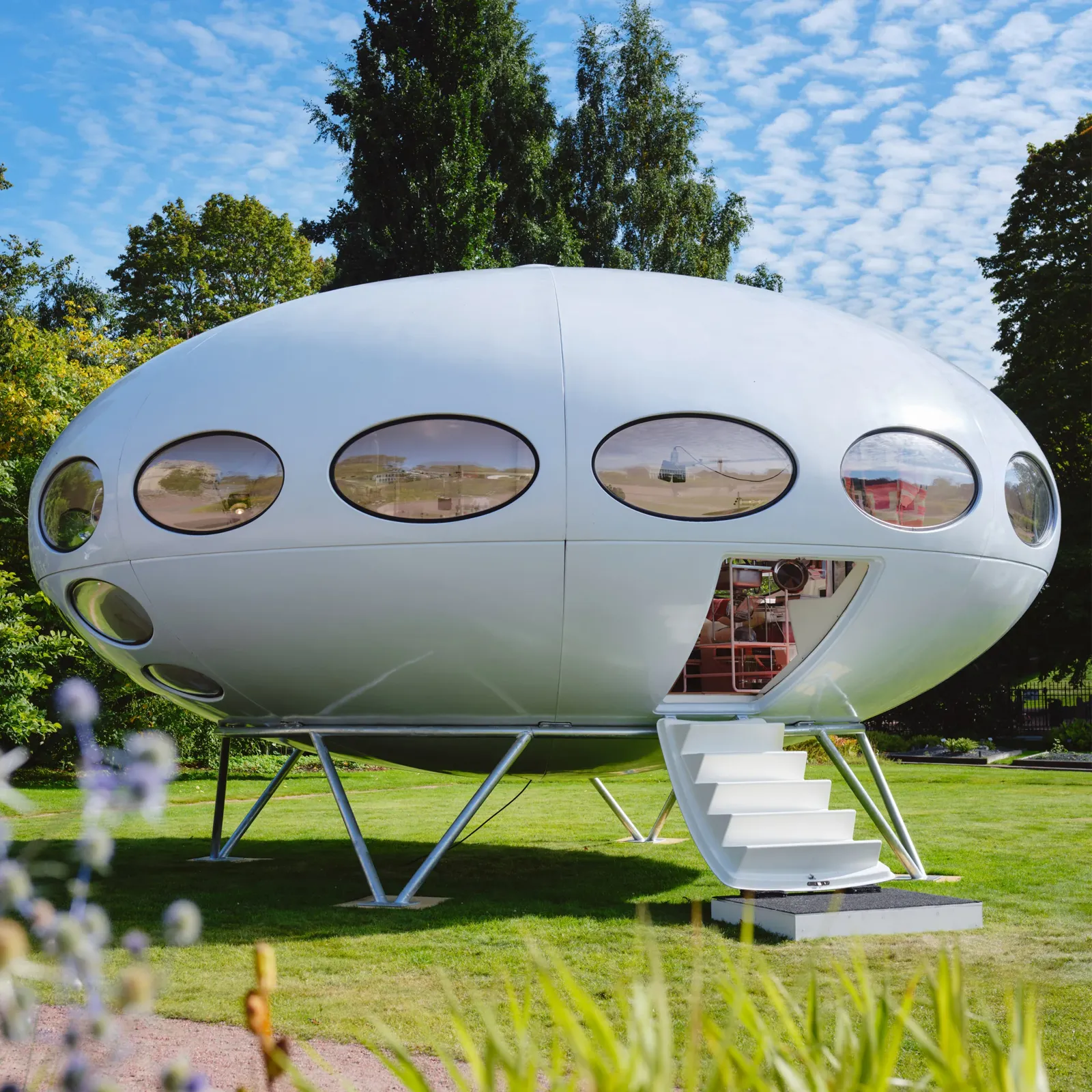
Futuro House Production Revived in Finland After Decades-Long Hiatus
A Facebook listing for abandoned moulds led to the first new Futuro...
 illustrarch Editoral Team3 Mins read
Electrical planning as part of better home design
Table of Contents Show Good rooms need electrical thinking from the sketch...
illustrarch Editoral Team4 Mins read

Why Open Floor Plans Still Have Hot and Cold Spots
You knock down the partition walls, open up sightlines from the kitchen...
illustrarch Editoral Team4 Mins read
Building Your Dream Home in NSW: What You Should Know About Montgomery Homes
Montgomery Homes has been building across Sydney, Newcastle, the Hunter, Wollongong and...
illustrarch Editoral Team4 Mins read


Leave a comment