

One Opportunity For The Center of Santander de Quilichao
 illustrarch Editoral Team22 January 20191 Mins read349
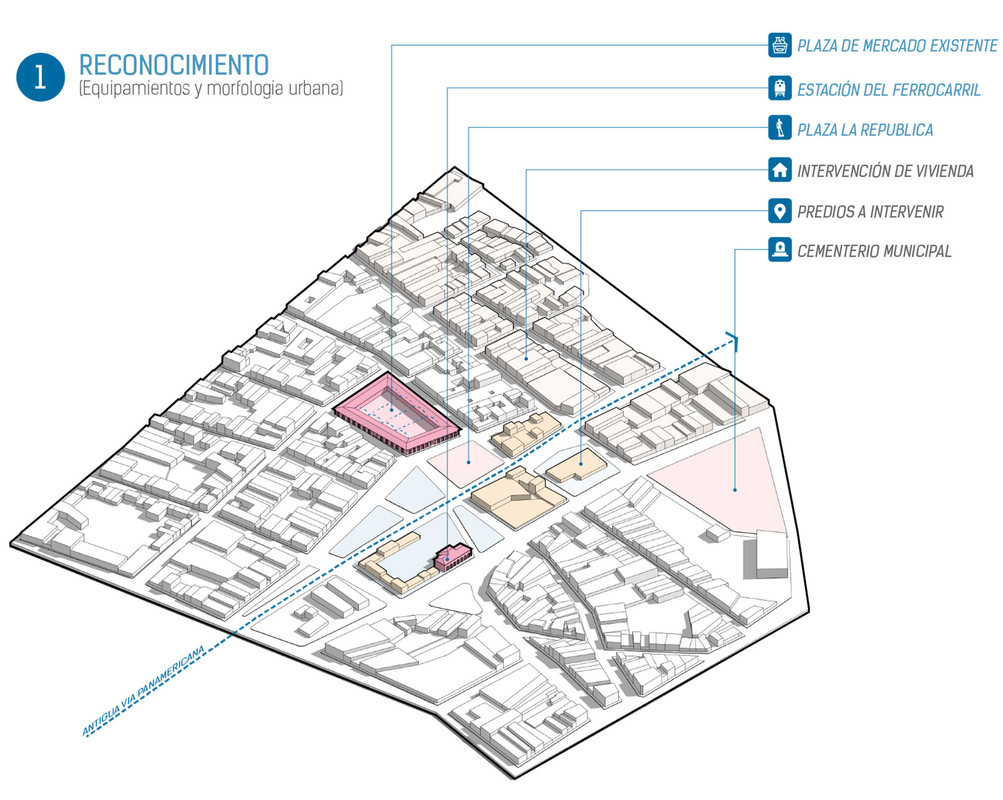


One Opportunity For The Center of Santander de Quilichao is a degree project by Carlos Aldana, Cesar Herrera and Eduar Nino that confronts the deterioration of urban centers, a problem common to cities across Colombia and Latin America. Santander de Quilichao, a city undergoing accelerated transformation, is no stranger to these new dynamics. The work begins with a rigorous urban, architectural and social analysis that produces a set of conditions and design lines, and from these the team develops an urban master plan, a conceptual framework, and one specific building: a Market Gallery as public equipment that synthesizes the intentions and decisions of the whole exercise.
Working at the scale of a historic center asks a designer to read the city before adding to it. Many Latin American downtowns share the same pressures: informal commerce spilling into the streets, aging buildings, fragmented public space, and traffic that crowds out pedestrians. A responsible urban planning response does not erase what exists but reorganizes it, recovering legibility and giving people room to move, gather and trade. By pairing a master plan with a single anchor building, the proposal tests its ideas at two scales at once, the district and the doorstep.
The market as civic equipment
A market hall is one of the oldest forms of public space, a place where the daily life of a town becomes visible. As a building type, the marketplace carries real design demands: generous and flexible interior space, clear circulation for crowds, daylight and cross ventilation to keep produce fresh, and a strong relationship to the surrounding streets so the building draws activity inward rather than turning its back on the city. Treating the market as public equipment, rather than a private shed, lets it serve as a civic room that belongs to everyone.
For a city like Santander de Quilichao, an intervention of this kind can do more than house vendors. It can stitch torn pieces of the center back together, formalize trade that already happens, and give residents a dignified shared place. The strength of this academic exercise is that it moves from broad analysis to a buildable proposition, showing how careful study of a place can turn a struggling downtown into a clear opportunity for renewal.





James Baldwin Media Library and Refugee House by associer
In Paris’s 19th arrondissement, Atelier Associer has reimagined a 1970s secondary school...
 Elif Ayse Sen3 Mins read
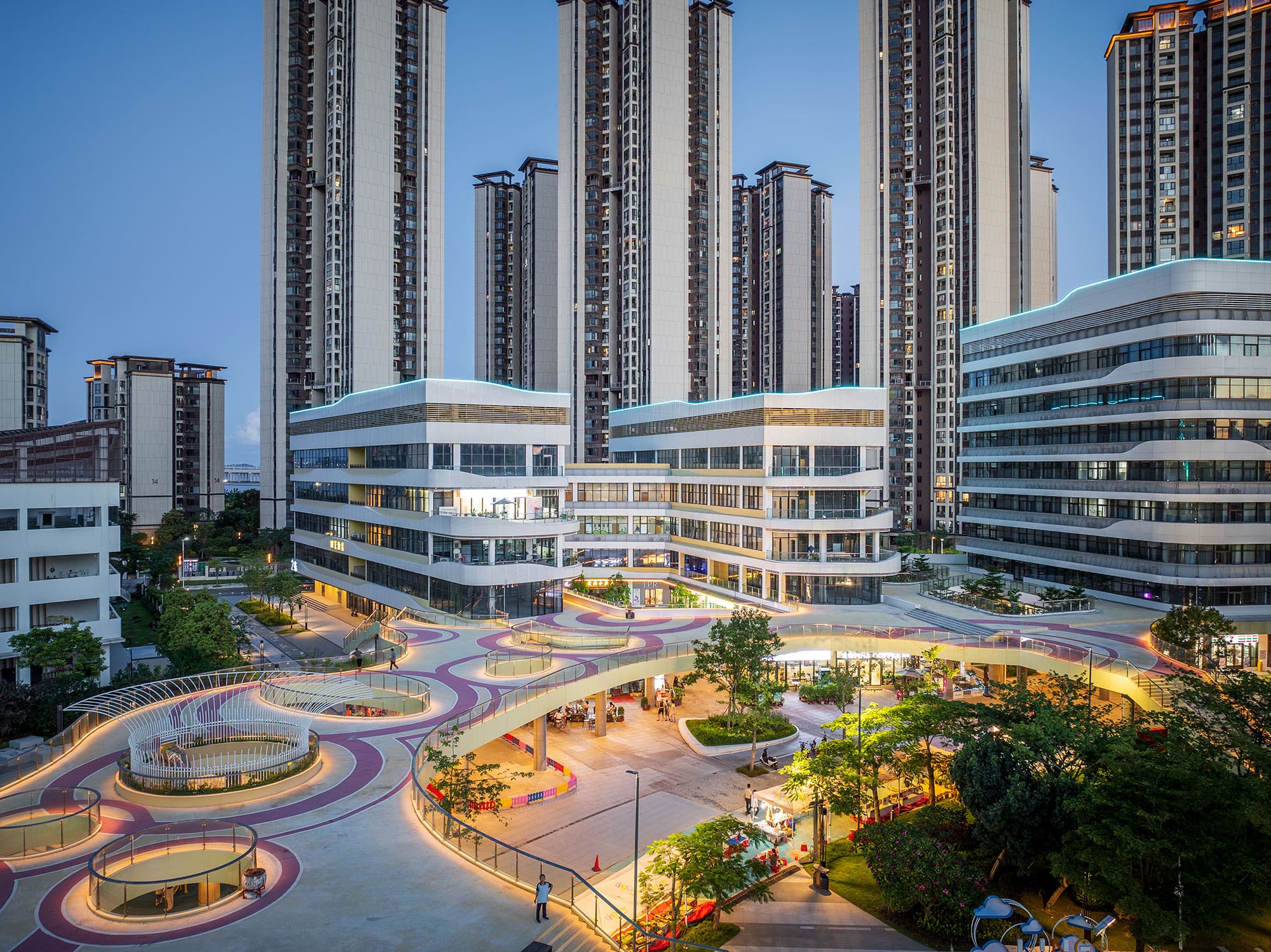
KING ONE Community Center by E Plus Design
In Zhuhai, E+UV has turned four disconnected, underused buildings into the lively...
Elif Ayse Sen4 Mins read
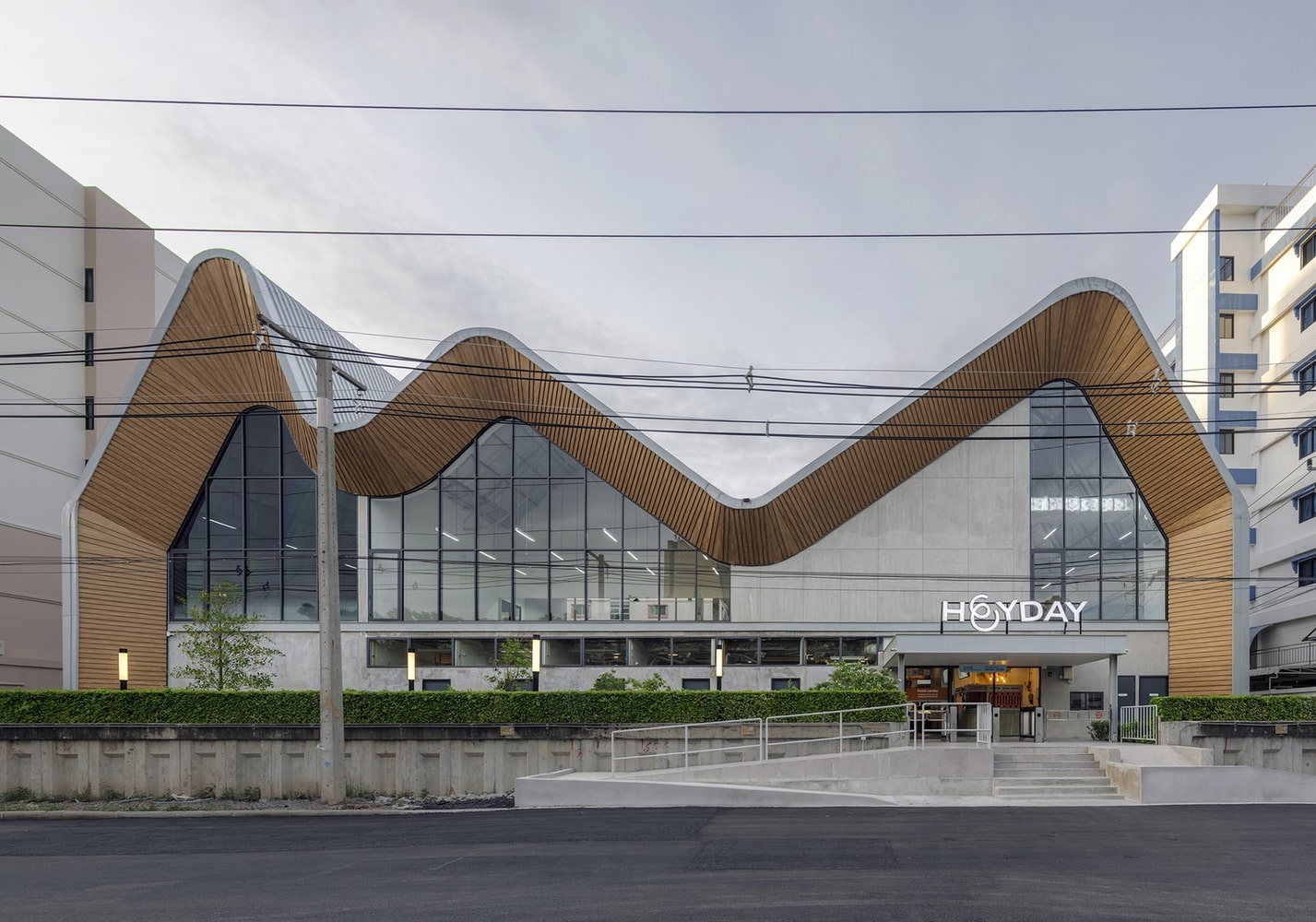
HEYDAY Community Hub by ASWA
HEYDAY Community Hub by ASWA redefines university architecture in Bangkok through playful...
 Begum Gumusel3 Mins read

Rua Do Mare by Jeferson Stiven
RUA DO MARE responds to the Architecture Student Contest - 2023 Lisbon...
illustrarch Editoral Team1 Mins read


Leave a comment