

5 Mistakes to Avoid When You Create Your Portfolio
 Muhammad Abdullatef - Tifa Studio19 July 20213 Mins read436
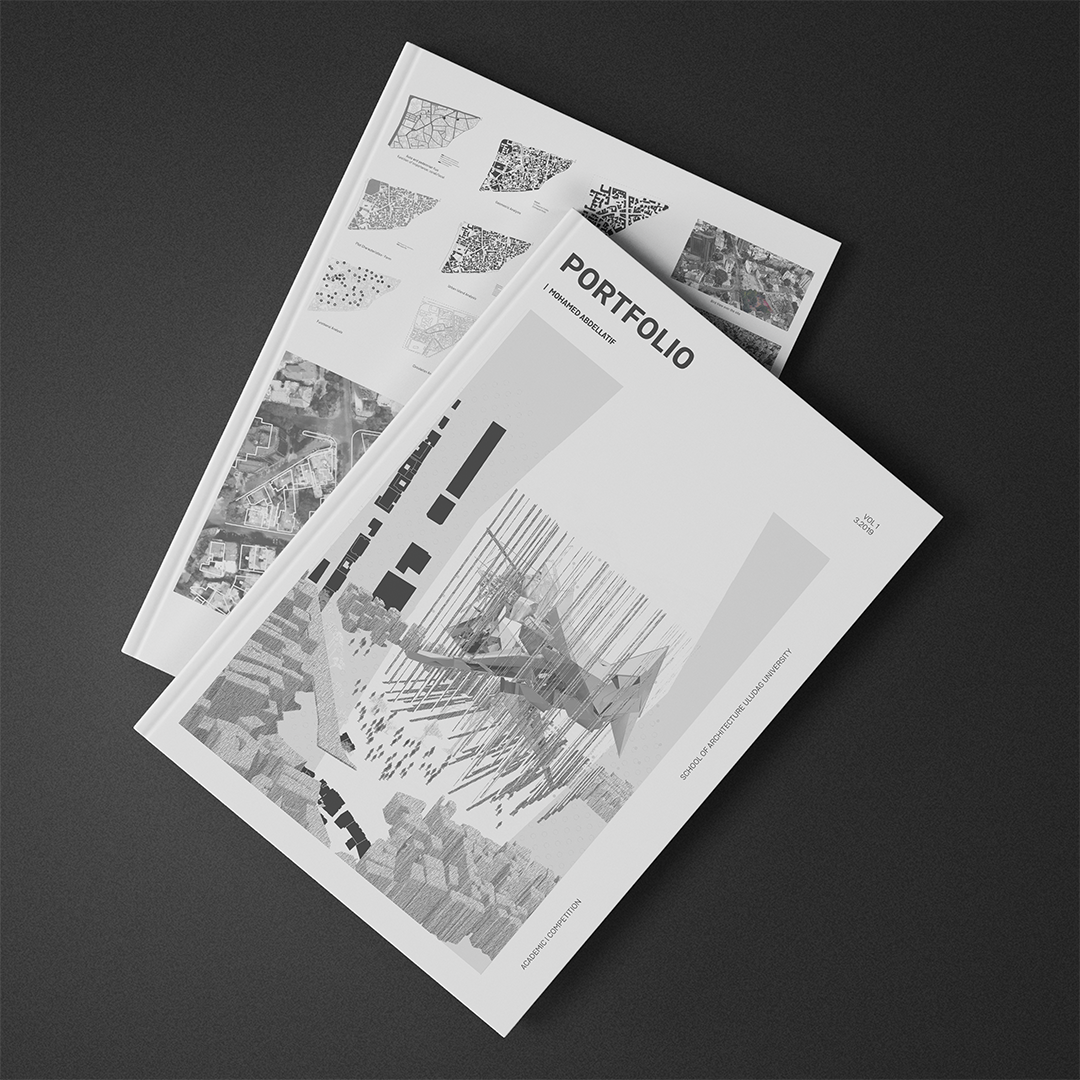
Table of Contents Show
Too long texts
Generally they have just 30 seconds to look at your portfolio, no one would have the time to read too long texts, and visually they aren’t appealing in general! What to do instead? Try to add brief text to the project and the visuals that can help the reader to understand your project easily and without putting too much effort!
Old works
Including your old works would make your employers think that your work may be outdated. They would like to see how your works at the moment and according to this they will evaluate your skills. What to do instead? Keep your portfolio updated, the focus should be on what you have been doing in the recent 2-3 years.Too many pages
Making a 100 page portfolio isn’t always a good idea, there may be hundreds of applications coming to the office, and the hiring responsible wouldn’t have the time to examine thoroughly a huge number of pages. What to do instead? If the employer or university doesn’t ask in particular for a detailed portfolio, the ideal page number should be around 25-35 pages.Non-consistency
The language of your layout shouldn’t differ across your projects, there should be consistency that makes your portfolio legible and easy to check quickly. What to do instead? You can try to use our Portfolio Layout which will help you to have a great consistency in your portfolio. Reach them through this link:Reach Our Portfolio Templates!

Irrelevant hobbies
We know it is cool that you like surfing, but you shouldn’t include such hobbies in your portfolio! Try to show interests that are relevant by a way or another to the position you’re applying to!Video Suggestions
Why a Strong Portfolio Matters in Architecture
In architecture, a portfolio is often the single most important document you submit when applying for a job, an internship, or a graduate program. Unlike a resume, which lists facts, a portfolio shows how you think, how you solve spatial problems, and how you communicate ideas visually. Reviewers use it to judge not only your technical ability but also your design sensibility and your attention to detail. Because so much depends on it, every choice you make, from page layout to image selection, sends a signal about the kind of designer you are.
How to Curate Your Best Projects
Curation is more valuable than volume. Rather than including everything you have ever produced, select a small number of projects that demonstrate range and depth. A good rule is to choose work that covers different scales, such as a small interior, a mid-size building, and an urban or conceptual study. For each project, show the full story: the problem, your concept, key diagrams, and the resolved design. Lead with your strongest piece, since first impressions shape how the rest of the work is read. If a project no longer represents your current ability, it is usually better to leave it out.
Layout and Typography Tips
Consistency in layout is what makes a portfolio feel professional. Use a clear grid so that images, captions, and white space line up from page to page. Stick to one or two typefaces, keep font sizes consistent for headings and body text, and give your drawings room to breathe rather than crowding the page. Generous margins and a calm color palette let the work itself stand out. Treat each spread as a composition, balancing large hero images with smaller supporting visuals so the reader’s eye moves naturally across the page.
Tailoring Your Portfolio to the Role
One generic portfolio rarely fits every opportunity. If you are applying to a firm known for residential work, lead with your housing and interior projects. If the role focuses on visualization, highlight your rendering and graphic skills. Read the job description carefully and reorder or trim your projects so the most relevant work appears first. This small effort signals that you understand the studio and have taken the application seriously, which can set you apart from candidates who send the same file everywhere.
Final Checks Before You Send
Before sharing your portfolio, proofread every caption and project description for spelling and grammar, since errors undermine an otherwise polished document. Export to PDF and check that the file size is reasonable for email or upload, and confirm that images remain sharp at screen resolution. Open the file on a different device to make sure fonts and colors display correctly. A quick review by a peer or mentor can catch problems you have stopped noticing. These final steps protect the strong impression your work has earned.
- architectural portfolio design
- architectural portfolio templates
- architecture portfolio application
- architecture portfolio cover
- architecture portfolio examples
- architecture portfolio issuu
- architecture portfolio pdf
- architecture portfolio template
- how to design portfolio
- portfolio design for architects
- portfolio templates
- portfolio templates for architects

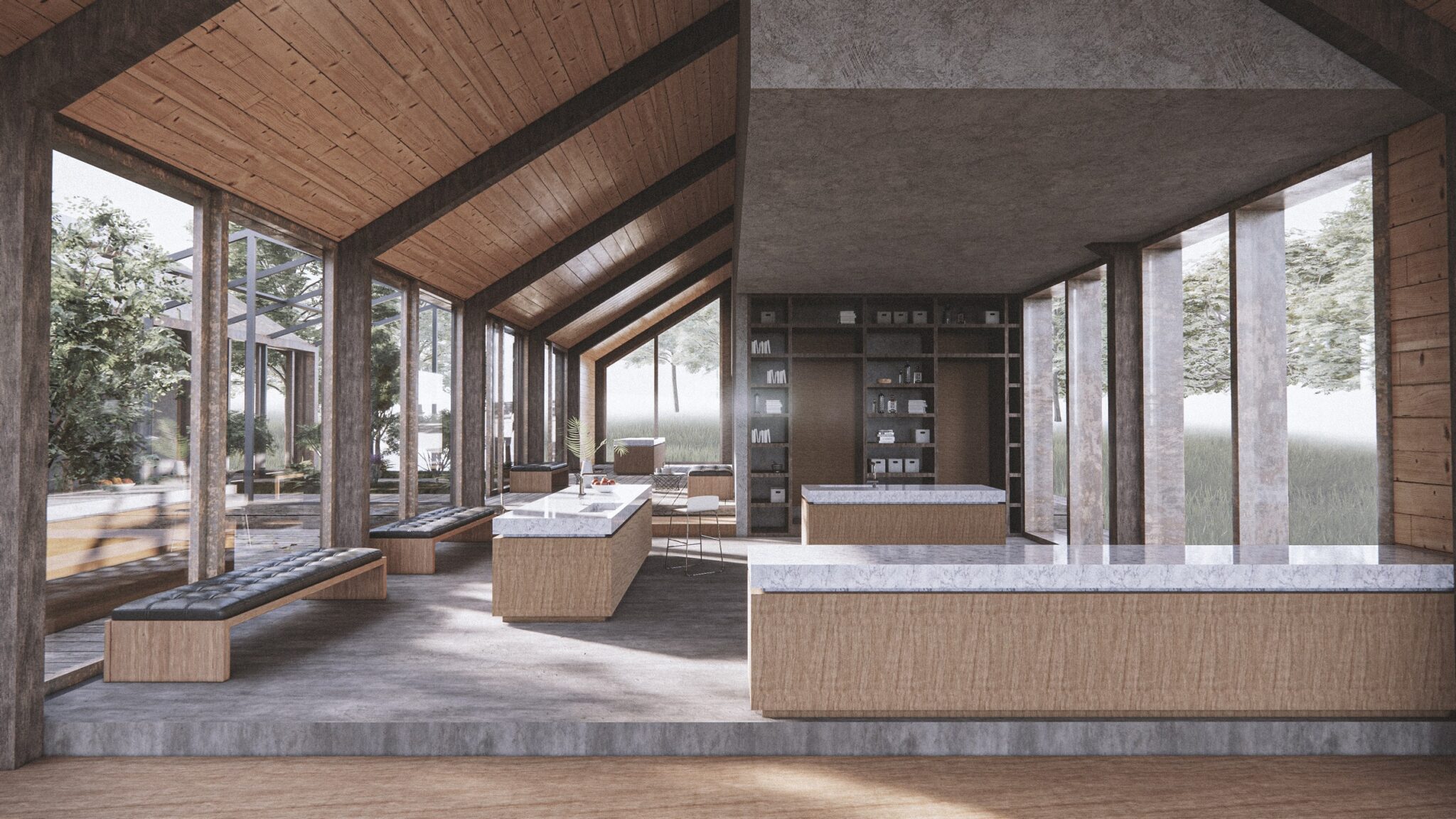






Fractals in Architecture: How Nature’s Patterns Shape Design<
Fractals appear everywhere in nature, from fern leaves to coastlines, and architects...
 Elif Ayse Sen9 Mins read
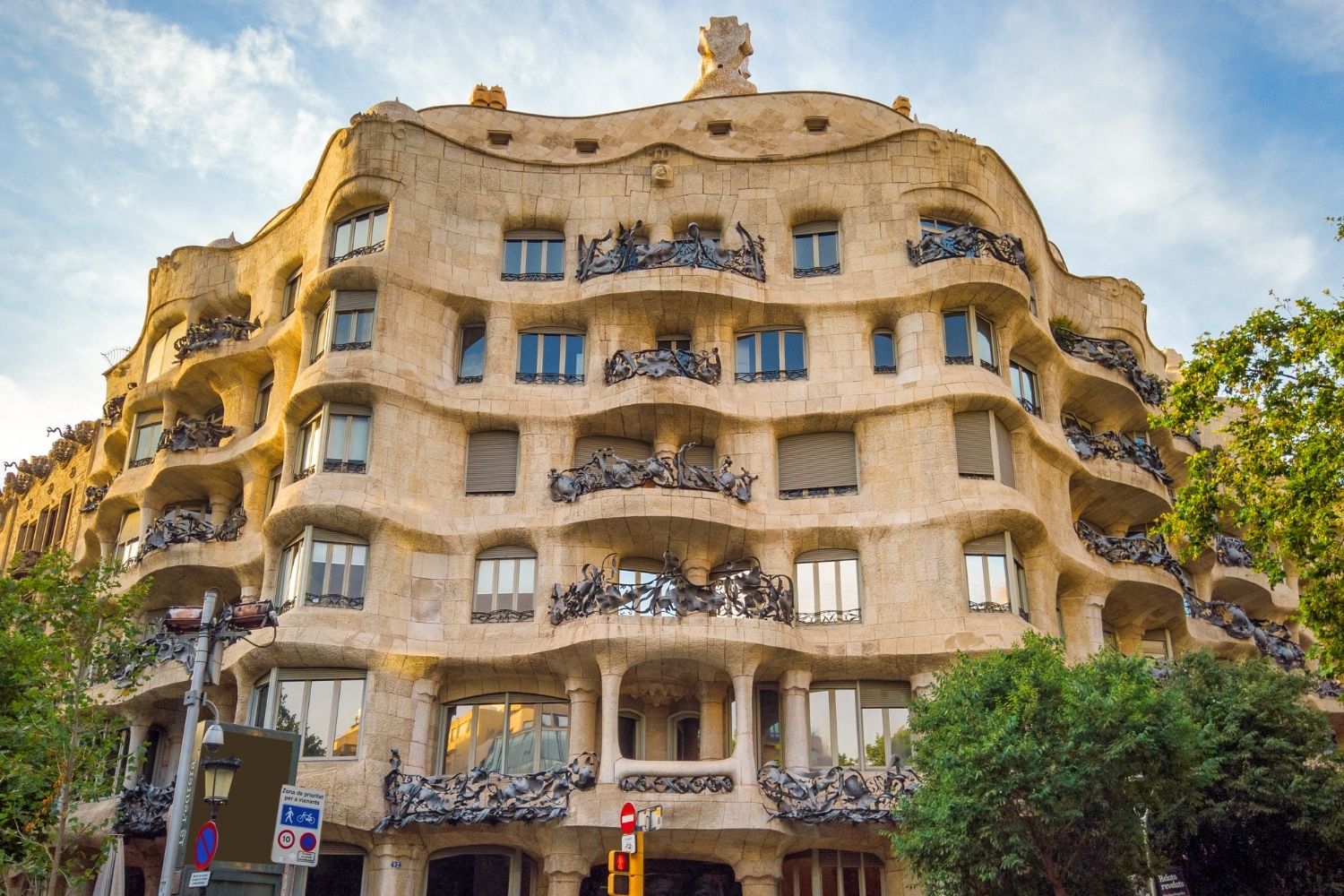
La Casa Milà Barcelona: Gaudí’s Stone Quarry Turned Architectural Icon
Casa Milà, nicknamed La Pedrera for its rough stone exterior, stands on...
 Furkan Sen6 Mins read

Architecture Design Brief: What to Include and Examples
A design brief turns a client's goals into clear instructions a design...
Elif Ayse Sen9 Mins read

The Shard London: How Renzo Piano’s Glass Tower Redefined the City Skyline
Standing at 309.6 metres in Southwark, the Shard is the United Kingdom's...
Furkan Sen6 Mins read


Leave a comment