

Porcelain vs Ceramic Tiles: Which One Should Architects Specify?
A side-by-side breakdown of porcelain and ceramic tile covering water absorption rates, PEI ratings, frost resistance, installation costs, and lifecycle performance. Includes an ANSI A137.1 standards reference and a specification comparison table to help architects choose the right tile for each application.
 Furkan Sen14 June 20266 Mins read227
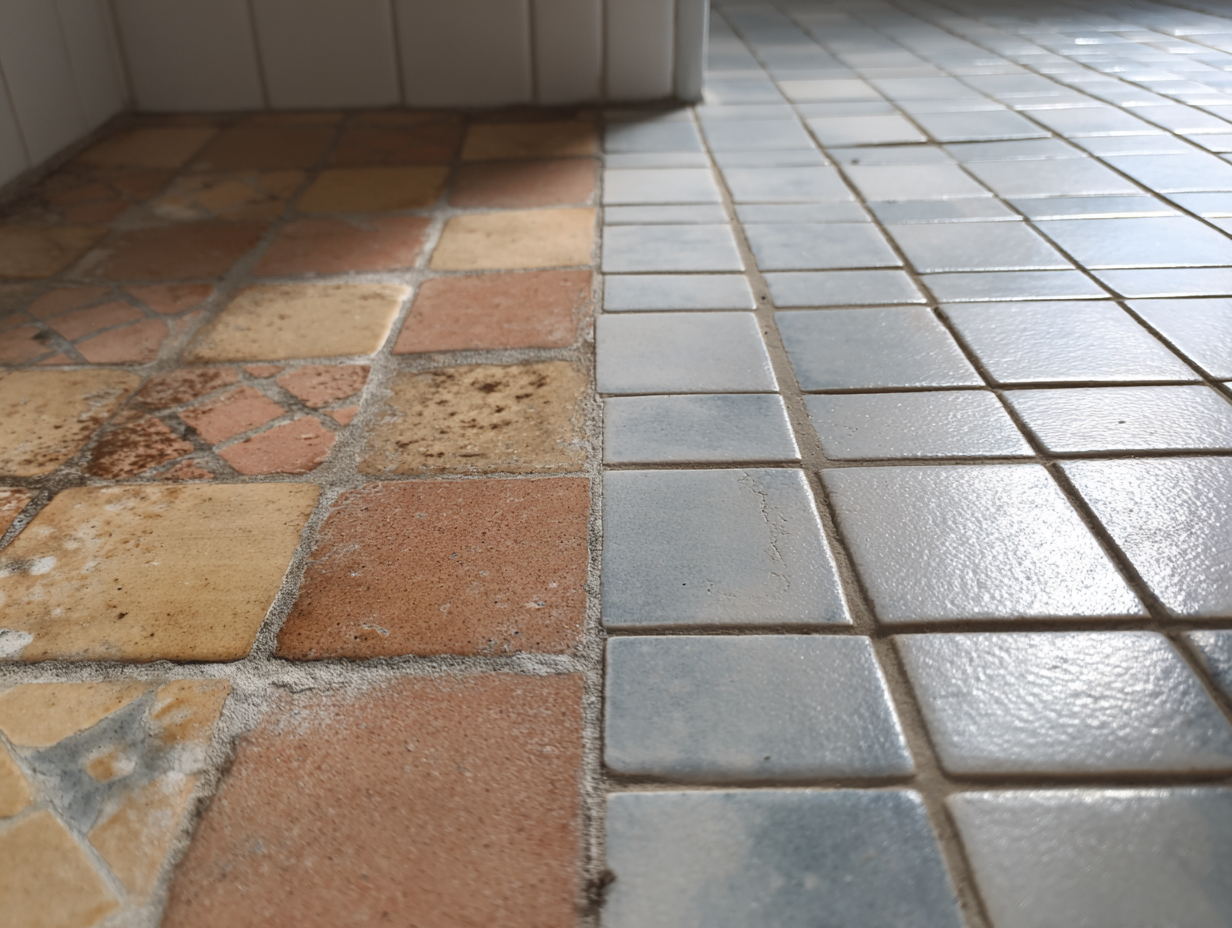
Table of Contents Show
Ceramic tile and porcelain tile are both fired clay products, but they differ in density, water absorption, and long-term performance. Porcelain is fired at higher temperatures and absorbs less than 0.5% moisture, while standard ceramic tile absorbs between 0.5% and 7%. For architects, these differences directly affect where and how each tile should be specified.
Choosing between porcelain tile vs ceramic tile is one of the most common material decisions in residential and commercial projects. Both fall under the ceramic family, but their manufacturing processes create real performance gaps that affect durability, installation, and cost. This breakdown covers what separates the two materials, where each one performs best, and how to make the right call based on project requirements rather than marketing claims.
What Makes Porcelain and Ceramic Tiles Different?
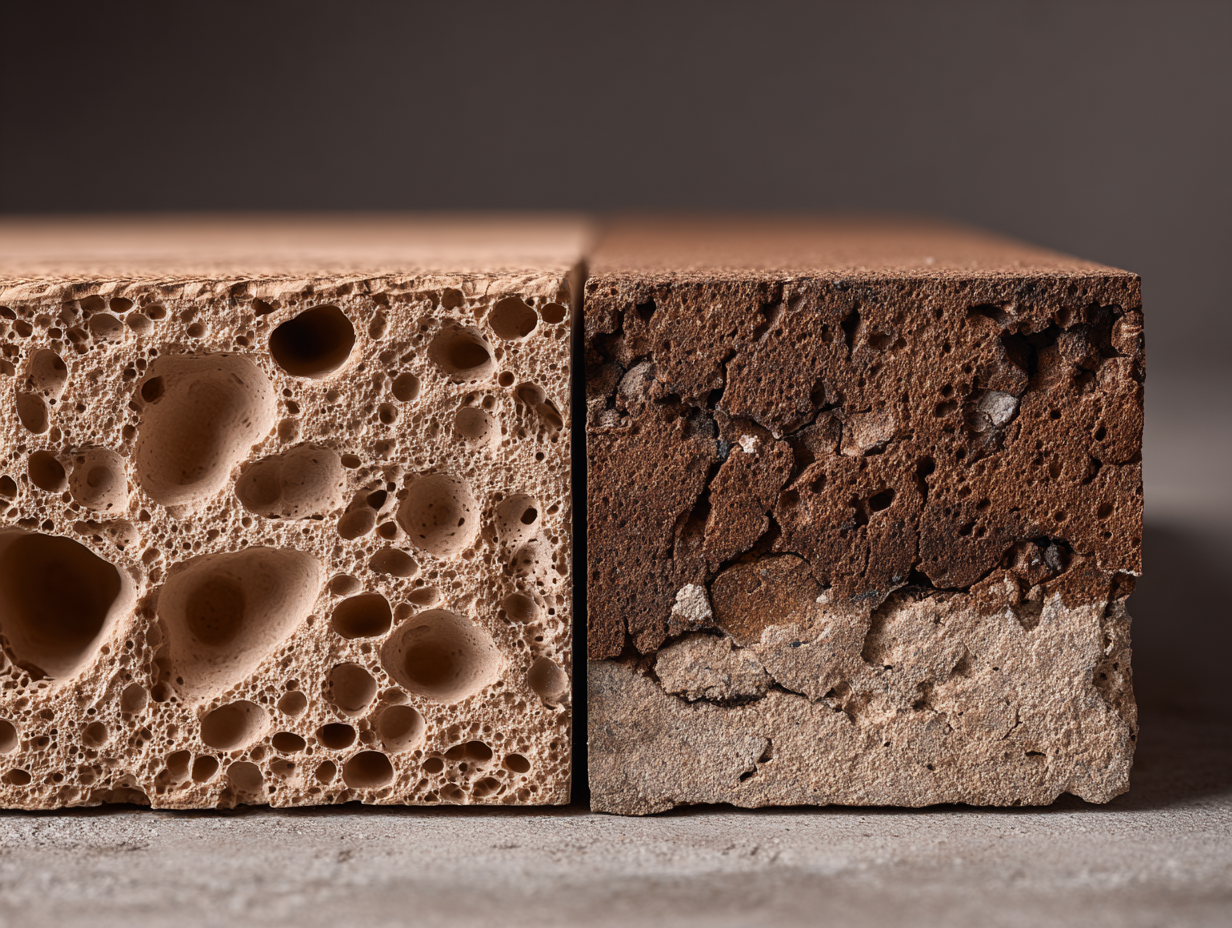
All porcelain tiles are ceramic tiles, but not all ceramic tiles qualify as porcelain. The distinction comes down to raw materials and firing conditions. Standard ceramic tile uses a red or white clay body fired at temperatures between 900 and 1,100 degrees Celsius. Porcelain tiles use a finer, denser clay blend (often including feldspar and silica) fired at 1,200 to 1,400 degrees Celsius. That higher firing temperature fuses the particles more tightly, producing a tile with very low porosity.
According to ANSI A137.1, the standard published by the Tile Council of North America (TCNA), a tile qualifies as porcelain only if its water absorption rate falls at or below 0.5% when tested per ASTM C373. Ceramic tiles above that threshold are classified as non-porcelain ceramic. This single measurement, water absorption, is the formal dividing line between the two categories.
📐 Technical Note
For the full picture, see our complete guide to concept ideas for interior design.
Under ANSI A137.1:2022, porcelain tile must have a water absorption rate of 0.5% or less per ASTM C373. The Porcelain Tile Certification Agency (PTCA), jointly established by TCNA and CTDA, offers a certification mark so specifiers can verify a product genuinely meets the porcelain standard rather than relying on manufacturer claims alone.
The density difference affects more than water resistance. Porcelain’s tighter body makes it harder, heavier, and more resistant to scratching. It also makes porcelain more difficult to cut and install, which adds labor cost. Ceramic floor tile, by contrast, is softer, lighter, and easier to work with using basic tools, but it wears faster under heavy traffic.
How Do Performance Characteristics Compare?
The practical gap between ceramic tiles and porcelain tiles shows up most clearly in three areas: moisture resistance, abrasion resistance, and breaking strength. In wet environments like bathrooms, pools, and exterior patios, porcelain’s near-zero absorption rate gives it a clear advantage. Standard ceramic tiles floor tiles can handle light moisture exposure (kitchen backsplashes, powder rooms), but they are not suitable for freeze-thaw environments or fully submerged applications.
Abrasion resistance follows a similar pattern. The PEI (Porcelain Enamel Institute) rating scale runs from 0 to 5. Most residential ceramic tiles land between PEI 2 and PEI 3, suitable for light to moderate foot traffic. Porcelain tiles routinely rate PEI 4 or PEI 5, handling heavy commercial foot traffic without visible surface wear. For architects specifying kitchen floor tiles or lobby flooring, that difference determines how the surface will look five or ten years after installation.
Comparison of Ceramic Tile vs Porcelain Tile
The following table summarizes the key differences between these two materials across the most specification-relevant categories:
| Feature | Ceramic Tile | Porcelain Tile |
|---|---|---|
| Water Absorption | 0.5% to 7% | 0.5% or less |
| Firing Temperature | 900 to 1,100 °C | 1,200 to 1,400 °C |
| PEI Rating (Typical) | PEI 2 to 3 | PEI 4 to 5 |
| Breaking Strength | Moderate | High (per ISO 10545-4) |
| Frost Resistance | Limited | Yes (suitable for exterior) |
| Ease of Cutting | Basic tile cutter works | Wet saw required |
| Cost per sq ft (material) | $1 to $5 | $3 to $12 |
| Best Applications | Walls, backsplashes, light-traffic floors | High-traffic floors, wet areas, exterior |
⚖️ Pros & Cons at a Glance
Porcelain ✔️: Near-zero water absorption, frost resistant, handles heavy commercial traffic, color runs through the tile body on unglazed versions
Porcelain ✖️: Higher material and labor cost, heavier (adds structural load), harder to cut on site, fewer small-format artisan options
Ceramic ✔️: Lower cost, lighter weight, easier to cut and install, wider range of hand-glazed and decorative finishes
Ceramic ✖️: Higher water absorption, chips more easily, not rated for exterior or freeze-thaw conditions, wears faster in high-traffic zones
Where Should Architects Specify Each Material?
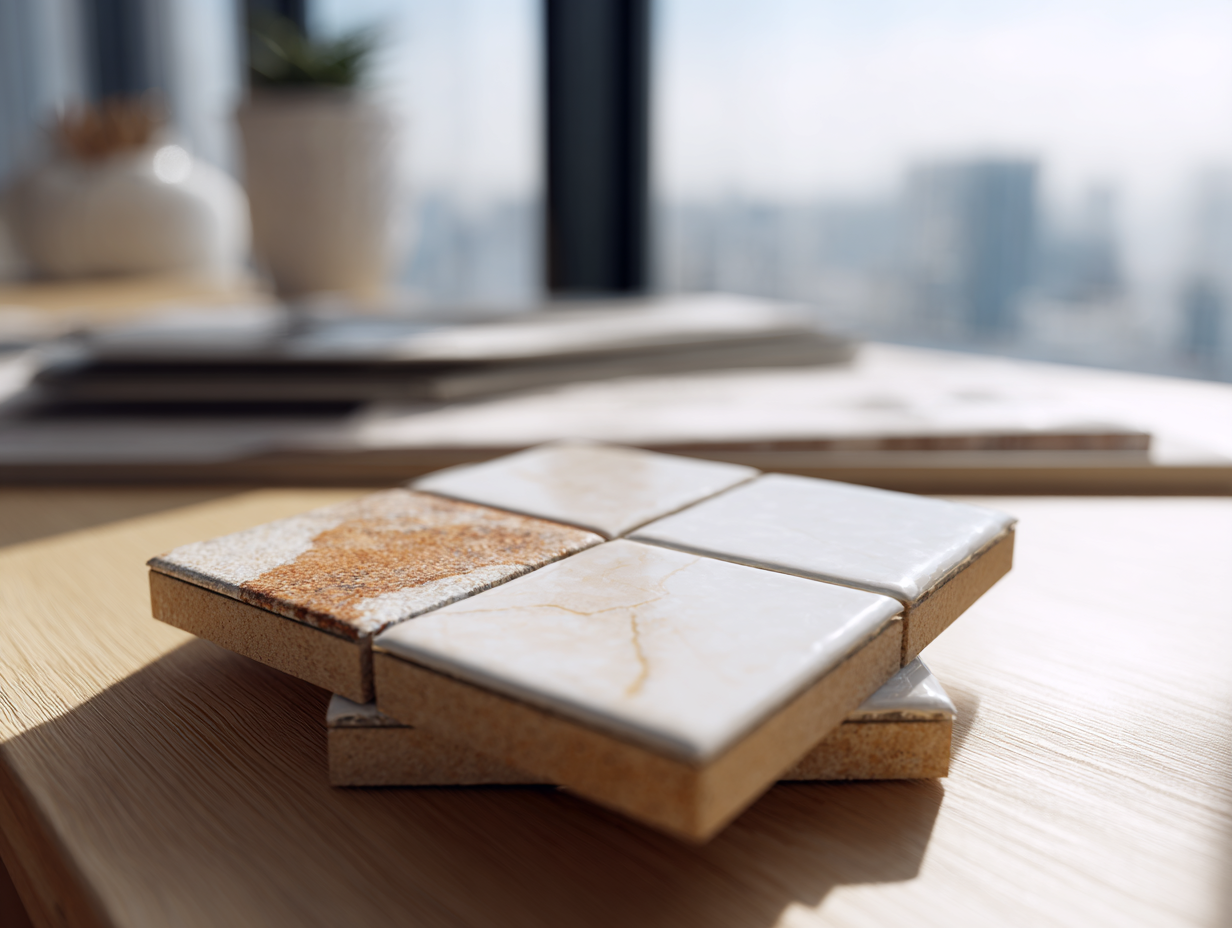
The specification decision depends on three factors: moisture exposure, traffic load, and budget constraints. Porcelain tile is the safer default for any floor that will see daily commercial foot traffic, for wet rooms, and for any exterior application. Ceramic tile flooring is the practical choice for interior walls, decorative accents, residential backsplashes, and light-use floor areas where moisture exposure stays low.
In residential bathrooms, both materials work for wall applications. But for bathroom floor tile patterns, porcelain is the stronger option because it handles standing water and humid air without degrading over time. For tile color selection in residential kitchens, ceramic remains a cost-effective wall and backsplash material while porcelain performs better on the floor.
💡 Pro Tip
When specifying ceramic tile for a bathroom wall, verify that the installer is using a polymer-modified thinset rather than standard mastic. Mastic adhesives can re-emulsify in sustained humidity, leading to tile delamination within two to three years. This is one of the most common callbacks on residential bathroom projects.
Commercial lobbies, hotel corridors, and restaurant floors almost always call for porcelain. The higher upfront material cost pays for itself through lower replacement rates. A porcelain floor in a hotel lobby can go 20 years without visible surface wear if the mortar bed and grout selection are correct. A ceramic floor tile in the same application would show traffic patterns within five to seven years.
Cost and Installation Considerations for Ceramic Tile Flooring
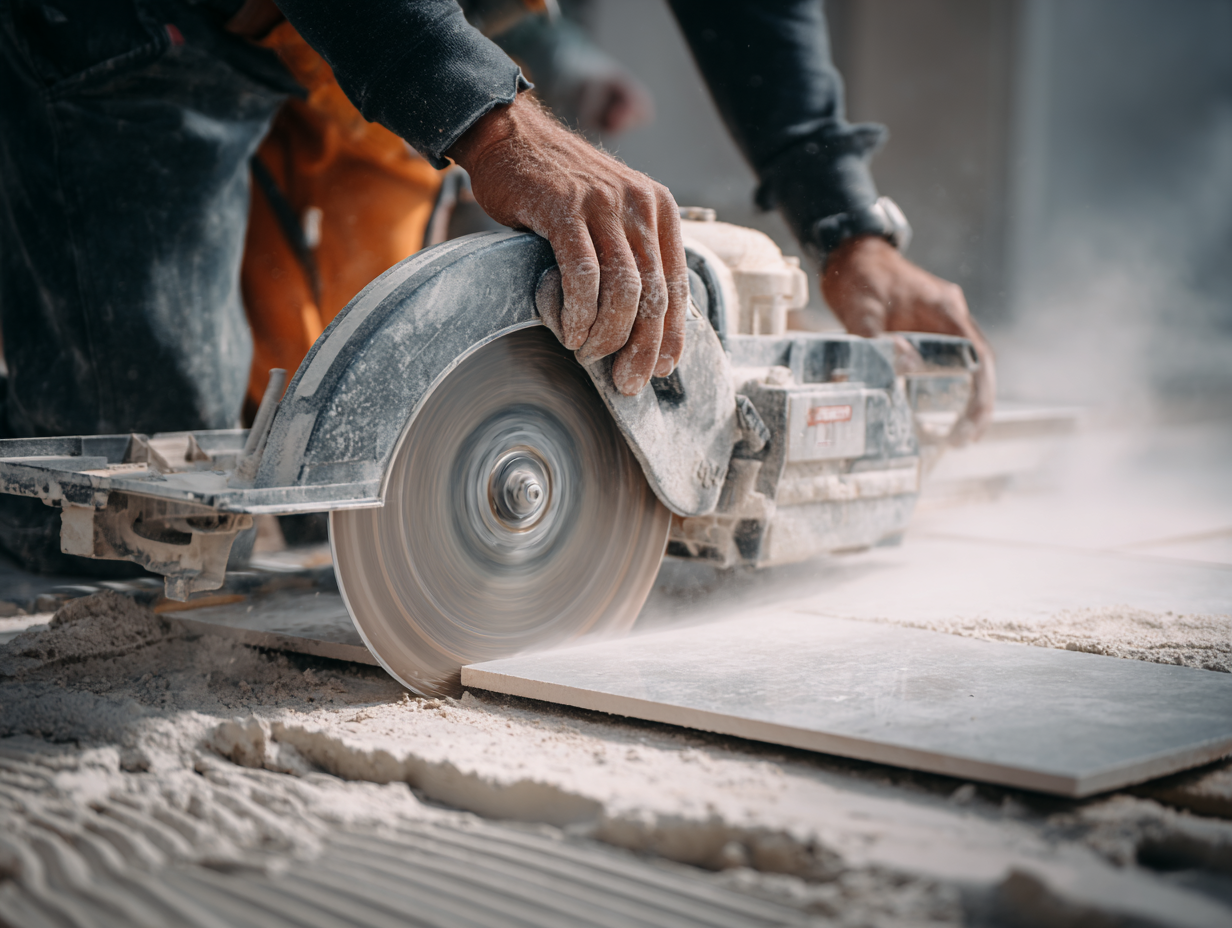
Material cost is the most visible difference, but installation labor often adds a second layer. Ceramic tiles are lighter, easier to score, and faster to lay, which means lower installation labor per square foot. Porcelain’s weight and hardness require a wet saw, polymer-modified mortar, and more careful substrate preparation. On a 500 sq ft floor, the total installed cost difference between ceramic and porcelain can range from $1,500 to $3,000 depending on tile quality and region.
Substrate requirements differ too. Porcelain’s weight (often 30% to 50% heavier per piece than an equivalent ceramic tile) means the subfloor must be flat within 1/8 inch over 10 feet. Any deviation creates hollow spots under the tile that lead to cracking under load. For building material selection on budget-constrained projects, ceramic tile tile offers a real cost advantage, but only in applications where moisture and traffic loads stay within its performance range.
Large-format porcelain slabs (24 by 48 inches and larger) have added a new dimension to this cost calculation. These slabs reduce grout lines and create a cleaner visual surface, but they require suction-cup lifters and experienced installers. The material alone can run $8 to $15 per square foot, with installation adding another $8 to $12. Smaller ceramic tiles in the 12 by 12 range typically install at $4 to $7 per square foot all-in.
Durability and Lifecycle: Tile Ceramic Floor Tile Performance Over Time
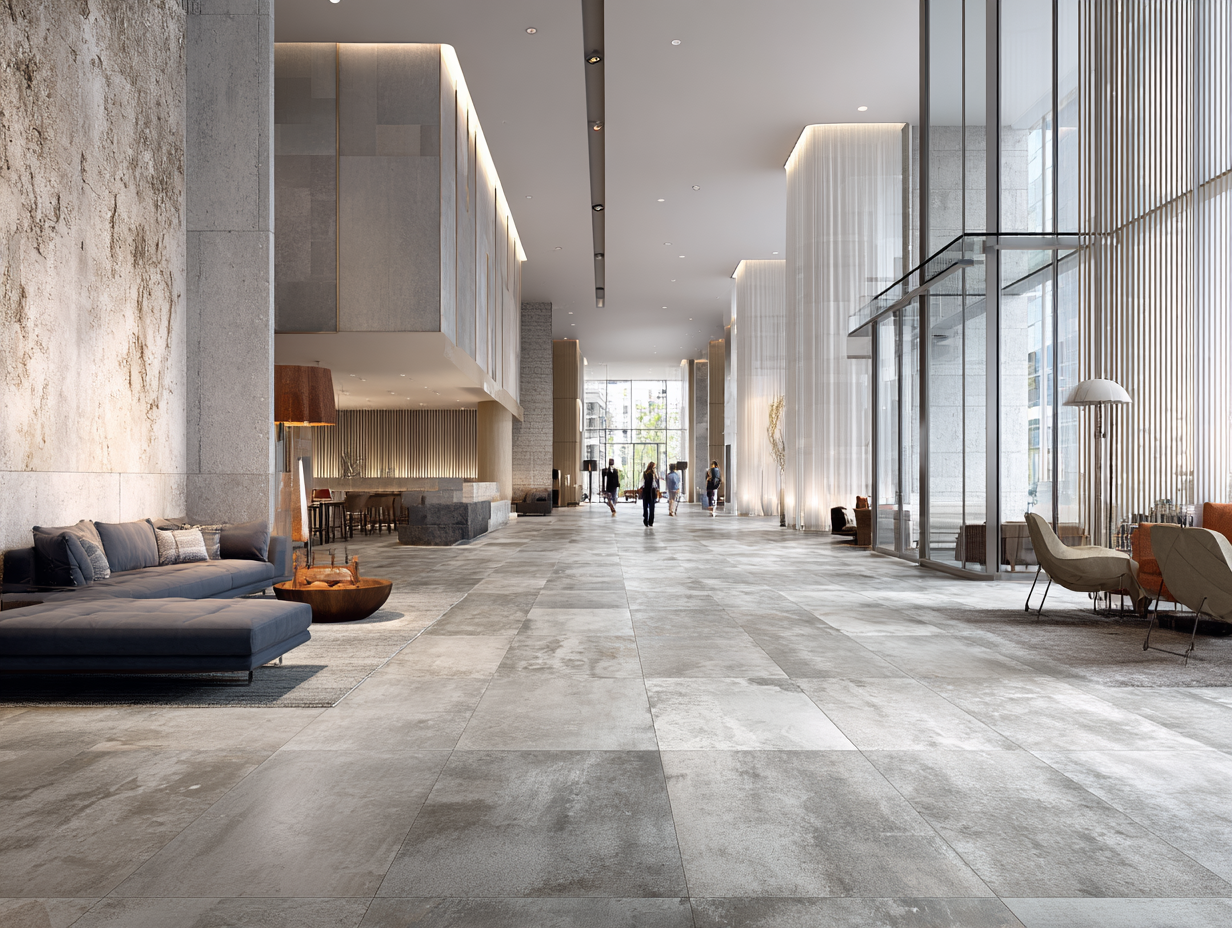
Long-term performance is where the porcelain vs ceramic tile debate gets clearest. Porcelain’s dense body resists staining, scratching, and chemical exposure better than standard ceramic. In commercial settings where cleaning protocols involve harsh chemicals (healthcare facilities, food service), porcelain handles repeated chemical exposure without surface degradation. Ceramic tiles can lose glaze integrity under the same conditions.
Full-body porcelain (where the color extends through the entire tile thickness, not just the surface) offers an additional advantage: chips and scratches are less visible because there is no contrasting bisque beneath the glaze. This makes full-body porcelain a strong specification for high-traffic floor tile layouts where maintenance budgets are limited.
From a lifecycle perspective, porcelain floors in commercial applications typically last 25 to 30 years before replacement is needed. Ceramic floors in equivalent conditions may need replacement or significant repair within 10 to 15 years. That lifecycle gap often closes the initial cost difference and can make porcelain the more economical choice over the building’s full service life.
🔢 Quick Numbers
- Global ceramic tile market valued at $292 billion in 2023 (Grand View Research, 2024)
- Porcelain tile accounts for over 60% of floor tile sales in the U.S. market (TCNA, 2024)
- Average installed cost difference: porcelain runs 30% to 60% higher than ceramic (HomeAdvisor National Cost Guide, 2025)
What This Means for Your Next Project
Your Next Step: Before locking in a tile specification, request water absorption test data (per ASTM C373) from the manufacturer for the exact product line you are considering. Marketing labels like “porcelain-grade” or “high-density ceramic” carry no standardized meaning. Only the PTCA certification mark or independent lab results confirm a tile actually meets the ANSI A137.1 porcelain threshold. Start there, and let the test data guide your specification rather than the product name on the box.
Cost figures referenced in this article are approximate and vary by region, material supplier, and project scope. Always confirm pricing with local distributors for accurate project budgets.







How Integrated Furniture Can Shape the Architecture of Urban Interiors
Most people treat furniture as the last decision in interior architecture, yet...
 illustrarch Editoral Team2 Mins read
Architecture and Interior Design: Can Architects Specialize in Both?
Architects hold most of the skills interior design needs, from space planning...
Furkan Sen5 Mins read
How to Make an Architecture Mood Board: A Step-by-Step Guide
A practical walkthrough for building an architecture mood board, covering how to...
Furkan Sen6 Mins read
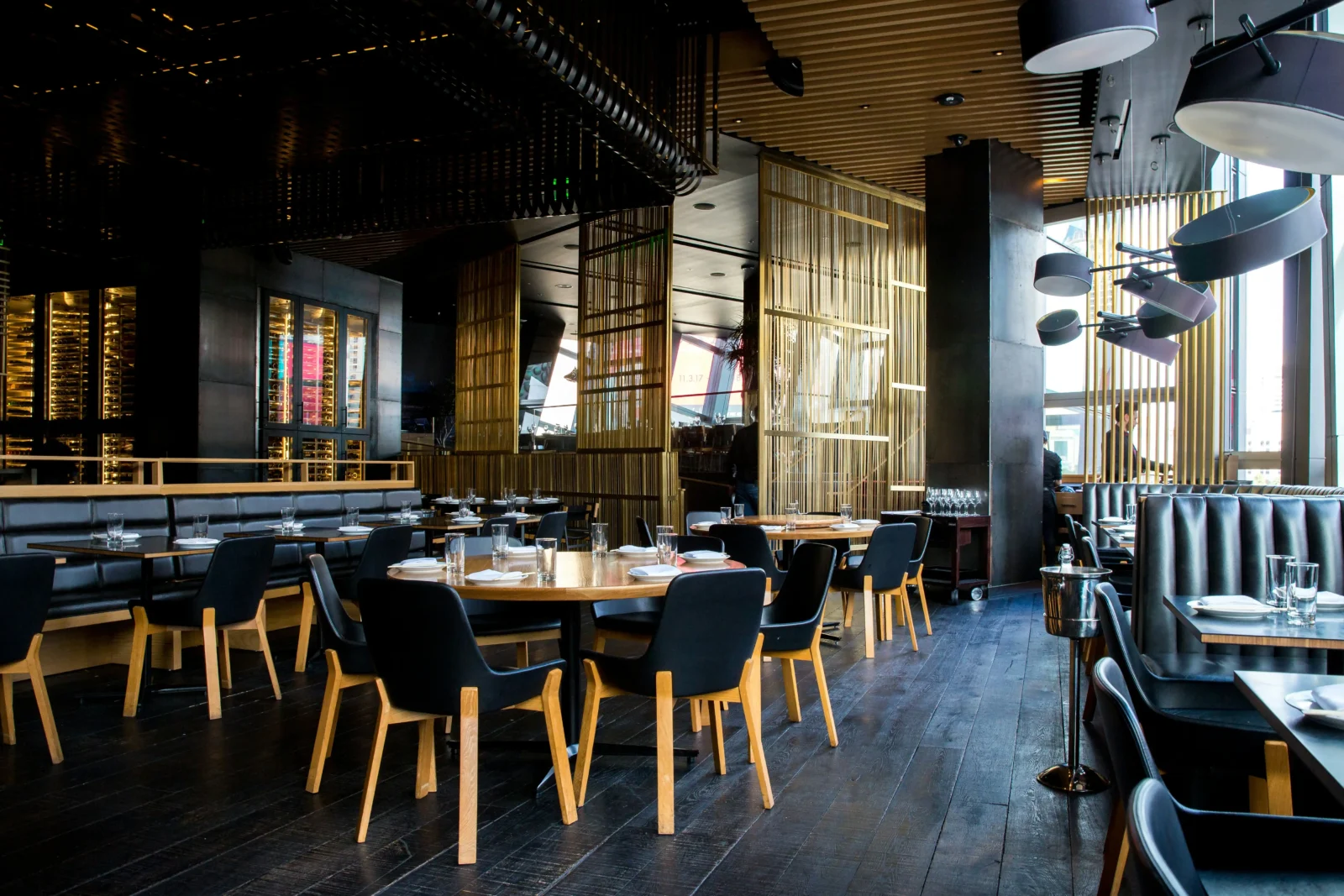
The Power of Ambience: Role of Restaurant Design on Customer Experience
A restaurant's ambience, its lighting, layout, and decor, quietly shapes how guests...
illustrarch Editoral Team3 Mins read


Leave a comment