

Architecture and Interior Design: Can Architects Specialize in Both?
Architects hold most of the skills interior design needs, from space planning to materials and lighting. See how the two fields overlap, whether an architecture license covers interior work, the NCIDQ route for architects, and what both careers pay.
 Furkan Sen23 July 20265 Mins read247

Table of Contents Show
Yes. Architecture and interior design share the same core skills, which is why many licensed architects specialize in interior work. Architects already understand space planning, structure, materials, and how people move through a room. With focused interior experience and, in regulated areas, the right certification, shifting into interior design is a natural next step rather than a full career change.
Architects and interior designers work on the same spaces from opposite ends. One shapes the shell, structure, and systems. The other shapes how those rooms feel and function every day. On real projects the two roles overlap so much that the boundary between them often disappears. If you trained as an architect and keep gravitating toward interiors, you are narrowing your focus, not abandoning your degree. To see how architecture shapes the design of interior spaces, it helps to start with what the two fields actually have in common.
How Interior Design and Architecture Overlap

Most of what an interior designer does sits inside skills an architect already trained for. Reading a plan, judging proportion, planning circulation, controlling daylight, and choosing materials all show up in both jobs. The difference is emphasis. Where an architect asks whether a wall can carry load, an interior designer asks how that wall’s finish, color, and the furniture beside it shape the people using the room.
This is why the relationship between interior design and architecture runs deep rather than surface level. A floor plan sets the rhythm of a space before a single piece of furniture arrives. Ceiling height, window placement, and structural columns all steer interior decisions. Architects who understand that logic tend to produce interiors that feel resolved, because they design the inside and the container as one idea.
History backs this up. Frank Lloyd Wright rarely stopped at the building line. He designed the built-in cabinetry, furniture, art glass, and even textiles for many of his houses, treating architecture and interior design as a single continuous act. That approach, where one designer carries the concept from the structure all the way to the interior detail, runs through the evolution of modern interior architecture and is exactly the specialization many architects move toward today.
What Is the Difference Between Architecture and Interior Design?
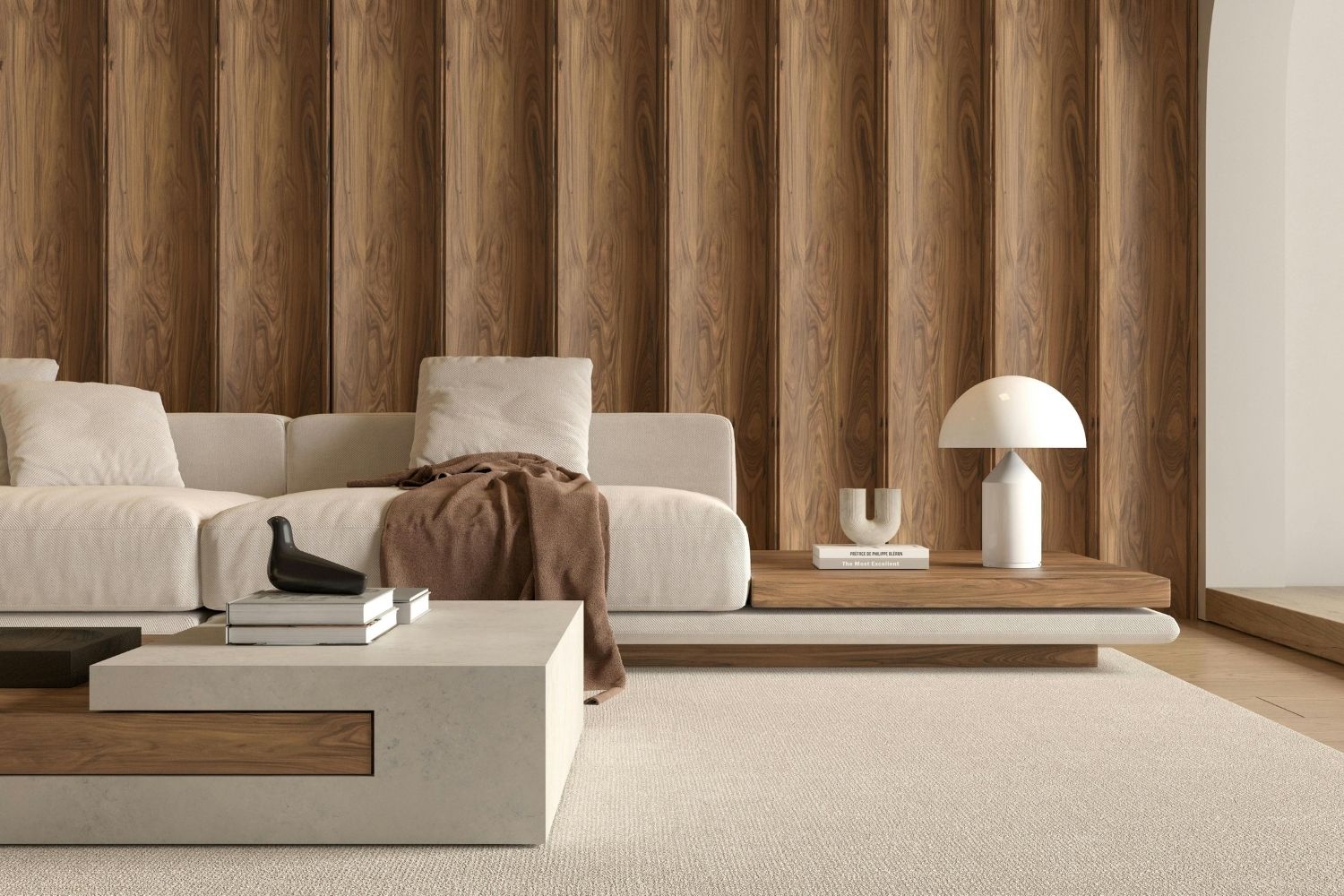
Architecture covers the entire building: its structure, envelope, and core systems, and it carries legal responsibility for safety and code compliance. Interior design focuses on the spaces inside, the finishes, furniture, lighting, and how people actually use each room. Architecture works at building scale, while interior design works at room and human scale. That contrast sits at the heart of the interior design vs architecture question.
The two also diverge in training and legal weight. A licensed architect can stamp construction documents and take responsibility for a building’s safety. An interior designer’s authority is usually narrower and, in many places, tied to non-structural work. The table below lays out where the fields separate.
Architecture vs Interior Design at a Glance
This comparison sums up the main differences between the two paths:
| Feature | Architecture | Interior Design |
|---|---|---|
| Primary focus | Whole building, structure, and systems | Interior spaces, finishes, and furnishings |
| Working scale | Site and building scale | Room and human scale |
| Typical education | Five-year B.Arch or four plus two M.Arch | Bachelor’s degree in interior design or a related field |
| Credential | Architecture license via the ARE | NCIDQ certification, where required |
| Legal responsibility | Building safety and code compliance | Mostly non-structural interior work |
| Core tools | Revit, AutoCAD, structural coordination | Space planning, FF&E, materials, lighting |
For a wider look at how these disciplines split and still work together, see our breakdown of architecture vs design.
Can Architects Legally Practice Interior Design?

For the design work itself, usually yes. Most interior design tasks, planning layouts, selecting finishes, specifying furniture and lighting, are not legally restricted, and an architect is well qualified to do them. The catch is the title. In regulated jurisdictions, the phrase “registered” or “certified interior designer” is protected, and using it can require a specific credential rather than an architecture license.
An architecture license from NCARB gives broad authority over building design, but it does not automatically hand you the protected interior-designer title where that title is regulated. On the interior side, the Council for Interior Design Qualification administers the NCIDQ examination and sets the competency standard many states and provinces recognize. Helpfully for architects, CIDQ’s own rules let a registered architect, or a holder of a degree from a NAAB-accredited school, qualify to sit for the NCIDQ exam.
⚠️ Common Mistake to Avoid
Assuming an architecture license lets you call yourself a registered interior designer anywhere. In regulated jurisdictions the interior-designer title is protected separately, and a few places run their own path. California, for example, requires its own IDEX California certification exam rather than recognizing an architecture license by itself. Always check your state or provincial board before you advertise the title.
So the practical answer depends on where you work and what you plan to call yourself. In an unregulated market, an architect can offer interior design services directly. In a regulated one, you may design freely but need the interior credential before you claim the protected title or stamp certain interior documents.
How Architects Can Move Into Interior Design
The smoothest route is to specialize from inside the profession. Interior architecture is a recognized niche within architecture itself, so you can build interior-heavy experience without leaving your current track. Firms that handle both, often branded as architecture and interiors, give architects a direct path into interior-focused projects. Our guide to becoming an architect lists interior architecture among the core specializations for exactly this reason.
Beyond the job title, three moves make the shift real. Build a portfolio that shows interior scope: finishes, millwork, furniture, and lighting, not just plans and elevations. Get fluent in the parts of practice architects sometimes skip, like FF&E schedules and detailed material specification. And if you want formal recognition, work toward the interior credential. The American Society of Interior Designers outlines the certifications that signal interior expertise to clients and employers.
Do You Need an Interior Design Degree?
Not always. Because CIDQ accepts a registered architect or a NAAB-accredited degree as a route to the NCIDQ exam, many architects can pursue interior certification without going back for a separate interior design architecture degree. That said, some jurisdictions and paths ask for a set number of interior design credit hours, so the requirement depends on where you practice and which route you take.
💡 Pro Tip
If you are an architect aiming for interior work, start logging the interior scope you already touch. Document projects where you handled space planning, finishes, millwork, FF&E, and lighting. When you apply for NCIDQ eligibility or pitch an interiors client, that record of real interior experience carries more weight than your architecture license on its own.
Salary and Career Outlook for the Crossover

Adding interiors to an architecture background widens the kind of work you can charge for, and the numbers are steady on both sides. Interior designers who work inside architecture and engineering firms tend to earn more than those in retail or furniture settings, so an architect moving into interiors often lands at the stronger end of the interior pay scale.
🔢 Quick Numbers
- Interior designers earned a median wage of $63,490 in May 2024 (U.S. Bureau of Labor Statistics, Occupational Outlook Handbook)
- Architects earned a median wage of $96,690 in May 2024 (U.S. Bureau of Labor Statistics)
- Interior design employment is projected to grow 3 percent from 2024 to 2034, with architecture at 4 percent over the same period (U.S. Bureau of Labor Statistics)
- CIDQ has set the competency standard for interior design in the U.S. and Canada since 1974 (Council for Interior Design Qualification)
The demand picture is stable rather than booming. Both fields are projected to grow at close to the average rate for all jobs over the next decade, according to the U.S. Bureau of Labor Statistics, and much of the hiring comes from replacing people who retire or move on. For a closer look at the money, see our guides on interior design salaries in the USA and whether architects make good money.
Salary figures are national medians and vary by location, employer, and experience. Licensing and title rules for interior design differ by jurisdiction, so always confirm requirements with your state or provincial board.
Where to Go From Here
Your Next Step: Pick one recent project and rebuild it as an interiors case study, showing your finish plans, millwork details, lighting, and furniture choices. That single portfolio piece tells clients and licensing boards that you already work across architecture and interior design, and it gives you a concrete base to build an interior specialization on.




How Integrated Furniture Can Shape the Architecture of Urban Interiors
Most people treat furniture as the last decision in interior architecture, yet...
 illustrarch Editoral Team2 Mins read
How to Make an Architecture Mood Board: A Step-by-Step Guide
A practical walkthrough for building an architecture mood board, covering how to...
Furkan Sen6 Mins read
The Power of Ambience: Role of Restaurant Design on Customer Experience
A restaurant's ambience, its lighting, layout, and decor, quietly shapes how guests...
illustrarch Editoral Team3 Mins read

Color Forecast 2026: Tile Palettes Influencing International Design
Warm earth tones, soft whites like Pantone's Cloud Dancer, and grounded greens...
 Sinan Ozen5 Mins read


Leave a comment