

How Rem Koolhaas Blurred the Line Between Architecture and Research
Rem Koolhaas built a career where books, exhibitions, and buildings serve the same purpose: testing ideas about cities, culture, and the built environment. This article examines how OMA and its research arm AMO operate as a hybrid practice, and why Koolhaas's approach permanently changed what architecture firms can be.
 Sinan Ozen10 June 20266 Mins read172
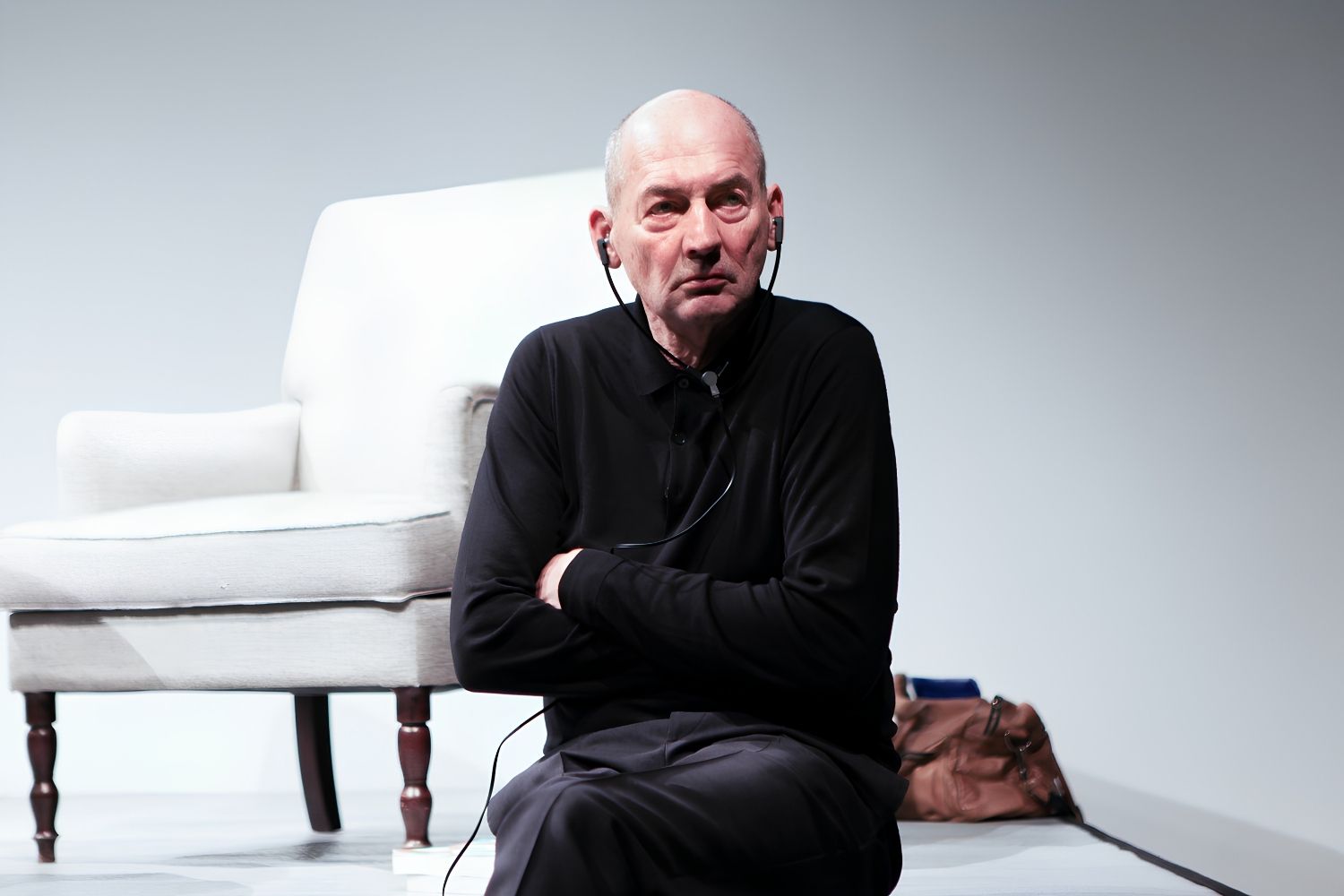
Table of Contents Show
Rem Koolhaas redefined architecture and research by treating every building as a hypothesis and every book as a design tool. Through OMA and its research arm AMO, the Dutch architect built a practice where intellectual inquiry and built form are inseparable, producing work that reads as much as theory as it does as construction.
Most architects write about their buildings after they are finished. Rem Koolhaas does something different. He writes before, during, and alongside the design process, treating text, data, and cultural analysis as materials equal to steel and glass. His career, spanning five decades, has consistently refused to separate thinking from making. The result is a body of work where books generate buildings, buildings test ideas, and the boundary between an architecture firm and a research institution becomes almost impossible to locate.

From Journalism to Architecture: The Origins of a Research-Driven Practice
Before Koolhaas ever drafted a floor plan, he worked as a journalist for the Haagse Post in the Netherlands and wrote screenplays in the late 1960s. That training in observation, narrative, and cultural criticism never left his work. When he enrolled at the Architectural Association in London, he brought with him a journalist’s instinct: ask questions first, propose solutions second.
This instinct produced his first major publication, Delirious New York: A Retroactive Manifesto for Manhattan (1978). The book was not a design proposal. It was a diagnosis. Koolhaas examined Manhattan’s grid as a system that allowed wildly different buildings to coexist side by side, calling it the “culture of congestion.” He argued that density, contradiction, and competition were what made cities alive. The book gave OMA, the firm he co-founded in 1975 with Elia Zenghelis, Zoe Zenghelis, and Madelon Vriesendorp, its intellectual foundation.
💡 Pro Tip
If you are studying Koolhaas’s approach for a thesis or design studio, start with Delirious New York rather than jumping straight to his built projects. His buildings make far more sense once you understand the intellectual framework he established before he ever received a major commission.

OMA as a Research Laboratory
The Office for Metropolitan Architecture was never organized around a signature style. From the start, OMA Rem Koolhaas treated each project as an opportunity to test an architectural hypothesis. The Kunsthal in Rotterdam (1992) tested what happens when a building has no conventional entrance sequence. The Seattle Central Library (2004) tested whether a library could be organized not by tradition but by the actual behavior of information. This approach produced buildings that look nothing like each other, which was the point.
Where other firms develop a recognizable formal language and repeat it across commissions, architect Rem Koolhaas and his team start from scratch with each brief. The CCTV Headquarters in Beijing (2012), for example, began with a question: what if a skyscraper did not compete for height but instead folded back on itself to create a continuous loop? The answer produced one of the most structurally daring towers ever built, a 473-meter continuous loop of horizontal and vertical sections that eliminated the hierarchical top-to-bottom logic of a conventional tower.
🏗️ Real-World Example
Seattle Central Library (Seattle, 2004): Rather than designing around a traditional Dewey Decimal system, Koolhaas and OMA mapped how people actually use libraries (browsing, meeting, reading, computing) and assigned each activity its own platform. The building’s distinctive angular glass-and-steel form emerged from this research-first approach, and the library serves over 2 million visitors annually.
AMO: The Mirror Image of OMA
In 1999, Koolhaas formalized what had always been implicit in his practice by founding AMO, a research and design studio conceived as the mirror image of OMA. While OMA handles architectural commissions, AMO applies architectural thinking to domains beyond buildings: fashion, politics, technology, media, energy, and identity.
AMO’s client list reads like a deliberately unlikely roster. The studio has collaborated with Prada on runway design and retail strategy, with the European Union on branding and visual identity, with Universal Studios on entertainment concepts, and with Condé Nast on media analysis. What connects these projects is not form but method. Each one uses the spatial, organizational, and systemic thinking that architects develop and directs it at non-architectural problems.
The relationship between AMO and OMA is not sequential (research first, then building). It runs in parallel. AMO research often feeds directly into OMA commissions, while building projects generate questions that AMO then investigates independently. This two-track structure allows Koolhaas’s practice to interrogate architecture without waiting for commissions and without needing to build anything.
🎓 Expert Insight
“Maybe architecture doesn’t have to be stupid after all. Liberated from the obligation to construct, it can become a way of thinking about anything.”
Rem Koolhaas
This remark, often cited in discussions about AMO’s founding, captures why Koolhaas created a research entity separate from his building practice. By removing the obligation to produce a physical structure, AMO freed architectural intelligence to operate across disciplines.

How Did Rem Koolhaas Buildings Become Research Documents?
A Rem Koolhaas building is rarely just a building. It is an argument made physical. The Casa da Música in Porto (2005) began as research into the typology of concert halls and ended as a faceted concrete block that inverts the conventions of the genre, placing the auditorium at the core and wrapping public circulation around it. The Maison à Bordeaux (1998) emerged from research into accessibility and domestic life, producing a house where a room-sized hydraulic platform travels between three floors, serving as both an elevator and a mobile office for a wheelchair-bound client.
Rem Koolhaas architects at OMA publish, exhibit, and lecture on each project in ways that make the research agenda explicit. The firm’s monumental book S,M,L,XL (1995), co-authored with graphic designer Bruce Mau, documented OMA’s projects alongside essays, manifestos, and cultural analysis organized by scale. At 1,376 pages, the book functioned less as a portfolio and more as a theoretical universe that blurred the line between practice and publishing.
The Venice Biennale and Elements of Architecture
When Koolhaas directed the 2014 Venice Architecture Biennale under the title “Fundamentals,” he made perhaps his most explicit statement about architecture and research. Rather than asking participating architects to present their latest projects, he asked them to examine the history of architecture in their countries since 1914. The central exhibition, Elements of Architecture, took this even further.
Over two years, Koolhaas worked with students from the Harvard Graduate School of Design at OMA’s Rotterdam office to research fifteen universal architectural components: floor, wall, ceiling, roof, door, window, facade, balcony, corridor, fireplace, stair, escalator, elevator, ramp, and toilet. The resulting publication runs to more than 2,500 pages and traces how each element evolved independently across cultures and centuries.
📌 Did You Know?
The Elements of Architecture research for the 2014 Venice Biennale produced a publication of over 2,500 pages examining just fifteen building components. The toilet section alone traced the fixture’s evolution from Roman latrines to Japanese automated systems, arguing that the history of a single element reveals more about architecture than the biography of any single architect.
The argument embedded in this project had been implicit in all of Koolhaas’s earlier work: that architecture’s basic vocabulary evolved without architects coordinating that evolution, and that understanding how each element changed tells us more about the profession than studying individual buildings or styles.

Countryside, The Future: Research Beyond the City
By 2020, Koolhaas and AMO director Samir Bantal turned their research lens away from the city entirely. Countryside, The Future, an exhibition at the Solomon R. Guggenheim Museum in New York, examined the radical changes occurring across the 98% of the Earth’s surface that is not urban. The project drew on years of research conducted with Harvard students and AMO staff.
The exhibition covered topics from automated agriculture and genetic modification to political migration patterns and the environmental consequences of mass tourism in rural areas. Its central provocation was simple: architects and urbanists have focused so heavily on cities that they have ignored where most of the planet’s transformation is actually happening. Koolhaas challenged the assumption that architecture’s role is primarily urban, pushing the definition of architecture into territory that most practitioners would not recognize.
💡 Pro Tip
Architecture students writing about Koolhaas should avoid treating his research and his buildings as separate categories. His strength lies in the feedback loop between the two. A strong academic paper on Koolhaas traces how a specific research agenda (like “Countryside”) influenced a specific design decision in a built or proposed project.
Why Architecture Rem Koolhaas Changed the Profession
The impact of Koolhaas on architecture extends well beyond his built projects. He demonstrated that an architecture firm could operate as a hybrid between a design studio and a research institution without sacrificing commercial viability. OMA continues to win major commissions worldwide, recently completing the New Museum expansion in New York (2026), the Simone Veil Bridge in Bordeaux (2024), and the LANTERN cultural space in Detroit (2024).
Koolhaas won the Pritzker Architecture Prize in 2000, and Time magazine named him among the 100 most influential people in 2008. But his most lasting contribution may be the permission he gave subsequent generations of architects to think of research not as something that precedes design but as something that is design. Firms like MVRDV, BIG, and Forensic Architecture have all, in different ways, built on the model Koolhaas established.
His teaching at Harvard’s Graduate School of Design through the Project on the City research program produced books on shopping (The Harvard Guide to Shopping, 2001), China’s Pearl River Delta (Great Leap Forward, 2002), and Lagos. Each of these projects treated a complex urban condition as a design problem that could be understood through fieldwork, data collection, and cultural analysis before any line was drawn.
Final Thoughts
Rem Koolhaas did not simply add research to an architecture practice. He restructured what an architecture practice could be. Through OMA and AMO, through books that function as design tools, through exhibitions that reframe what architects should pay attention to, and through Rem Koolhaas buildings that test ideas rather than repeat them, he built a model where thinking and building are the same activity. For anyone studying architecture, his career is proof that the most important design decisions often happen long before anyone picks up a pencil.





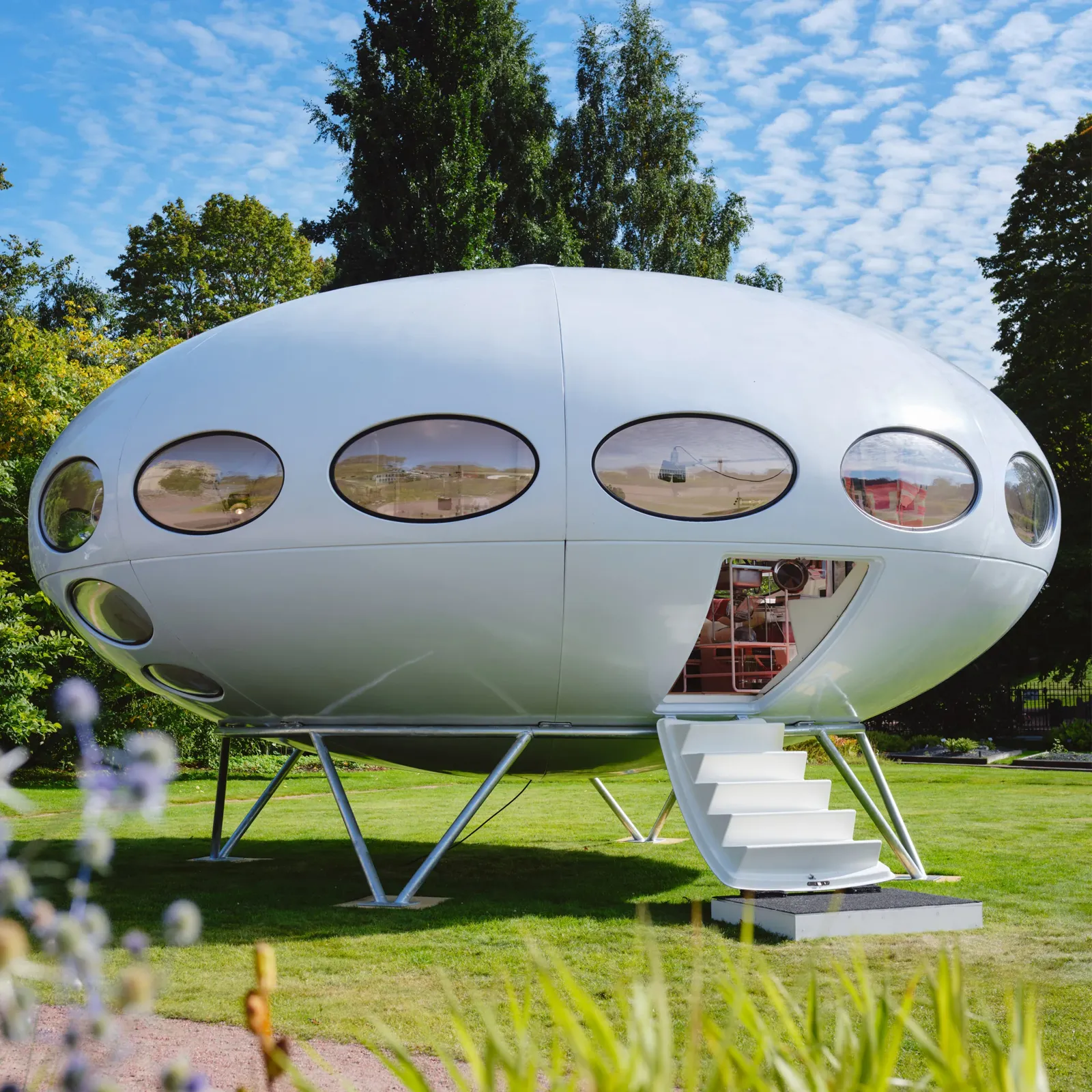
Futuro House Production Revived in Finland After Decades-Long Hiatus
A Facebook listing for abandoned moulds led to the first new Futuro...
 illustrarch Editoral Team3 Mins read

Building Your Dream Home in NSW: What You Should Know About Montgomery Homes
Montgomery Homes has been building across Sydney, Newcastle, the Hunter, Wollongong and...
illustrarch Editoral Team4 Mins read
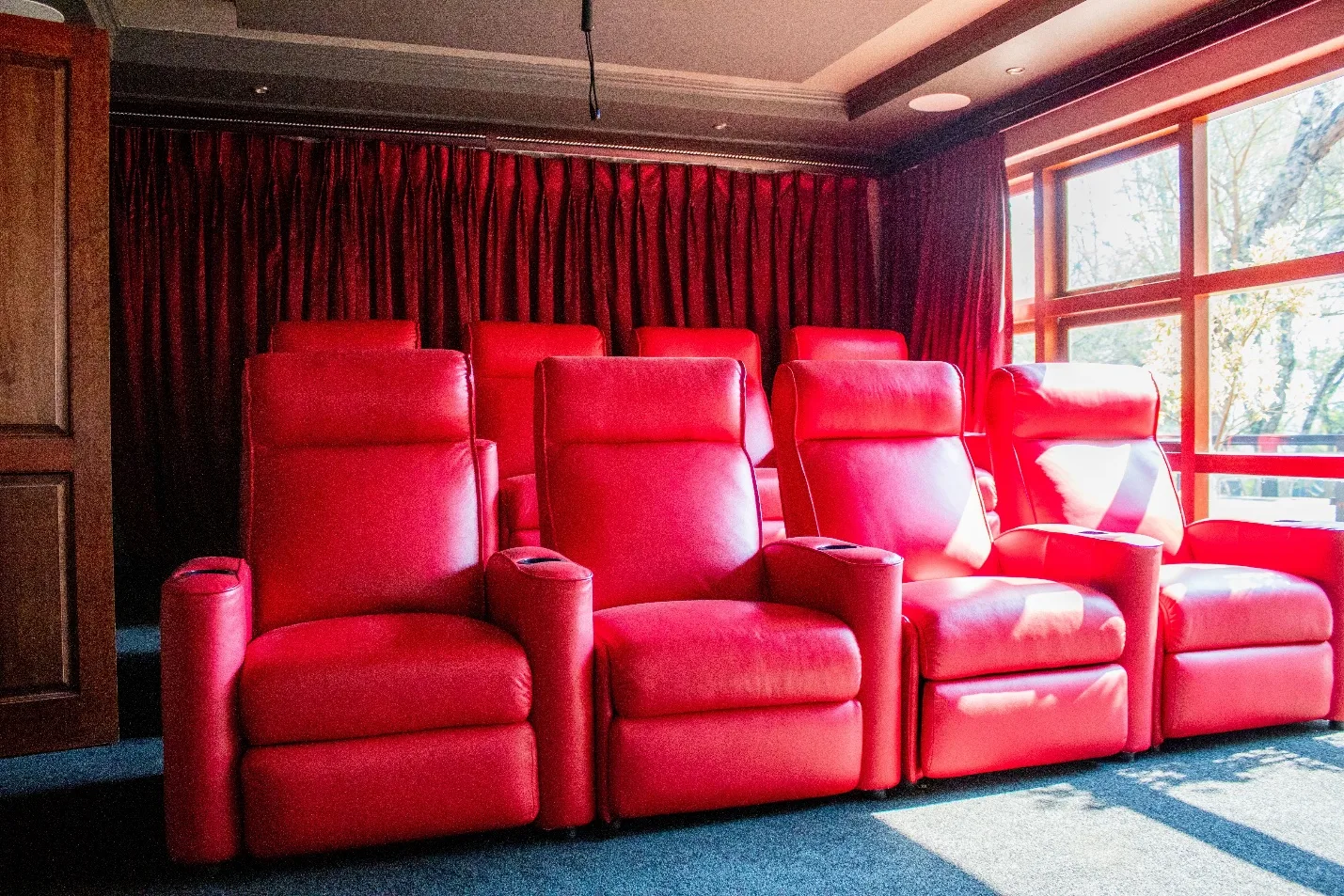
Designing a Home Theater: Where Drapery Fits Into the Plan
In a media room the curtains are a performance layer, not decoration....
illustrarch Editoral Team3 Mins read
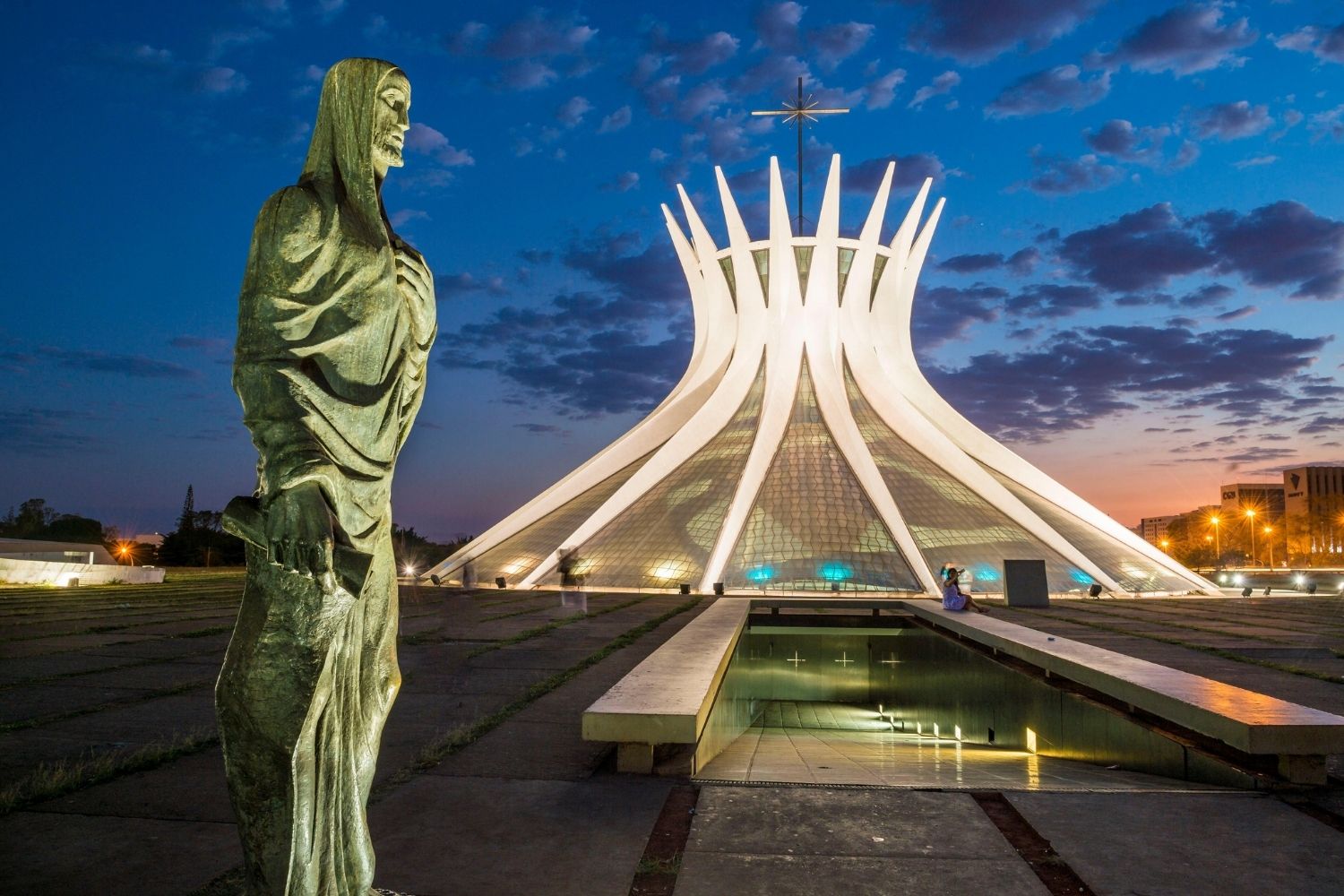
Oscar Niemeyer’s Cathedral of Brasília: The Hyperboloid Concrete Hymn
The Cathedral of Brasília reads as a single gesture, yet it stood...
 Furkan Sen7 Mins read


Leave a comment