

Conjunctive Amorphoid
Conjunctive Amorphoid is a proposed installation by Joe Mihanovic that transforms the neglected atrium and courtyard of the Fairtrade Palace into vibrant social spaces.
 illustrarch Editoral Team11 May 20201 Mins read364
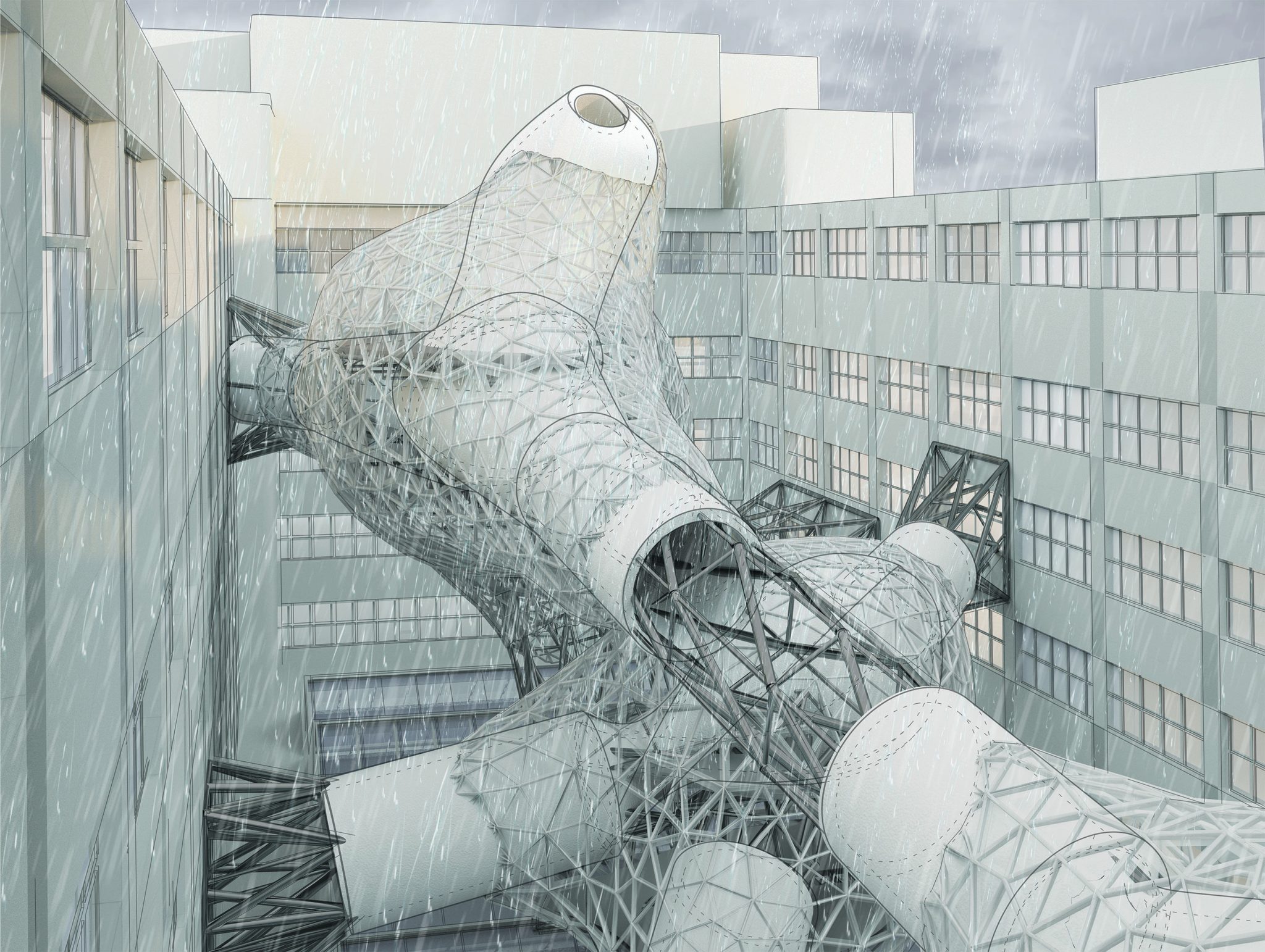


Conjunctive Amorphoid is located within the atrium and outdoor courtyard of the Fairtrade Palace (Veletržní Palác) in Prague, Czech Republic, where architect Joe Mihanovic proposes a single connective installation to revive a long-neglected void at the heart of the building. The Fairtrade Palace is an art museum operated by the National Gallery of Prague, which houses a massive collection of artwork organized by historical era. The building is fairly outwardly-focused, as visitors can expect to spend almost all of their time along the “outer ring” of the building, traversing exhibits.
Meanwhile the existing courtyard and atrium is a bleak space, rarely open to the public, so bleak in fact that most of the exhibits are walled-off at the windows adjacent the courtyard to prevent visitors from peering in. This bleakness is remedied by occasional installations by various local artists, and the design brief called for one such installation. The outwardly-focused existing condition is the main design driver for the project. That challenge is common to many museums, where the demands of the white cube gallery and a fixed chronological route can leave the connective and social parts of a building underused.
A Connective Tissue Between Disjointed Rooms
Conjunctive Amorphoid is intended as a central, connective “tissue,” an exciting, interstitial progression of social spaces that literally ties together the building’s woefully disjointed rooms. Blobular masses encase social functions, including informal art exhibits, lounges, cafes, and a nightclub. These deform to accommodate a series of tubular pathways protruding from them and into the existing building, which project diagonally and across the atrium to connect distinct spaces, and latch on to the existing structural system. The result is a radically different circulation pattern for the entire building.
The formal language belongs to a wider current of blobitecture, where curved, amorphous volumes are used to soften rigid interiors and invite people to linger. Working inside an existing functionalist structure, the proposal also engages questions of adaptive reuse, treating circulation and social activity as material to be reshaped rather than walls to be added. In a city as layered as Prague, that approach turns a forgotten courtyard into an argument about how a museum can hold its visitors together. Mihanovic frames the void not as leftover space but as the part of the museum most able to change how the whole is experienced.


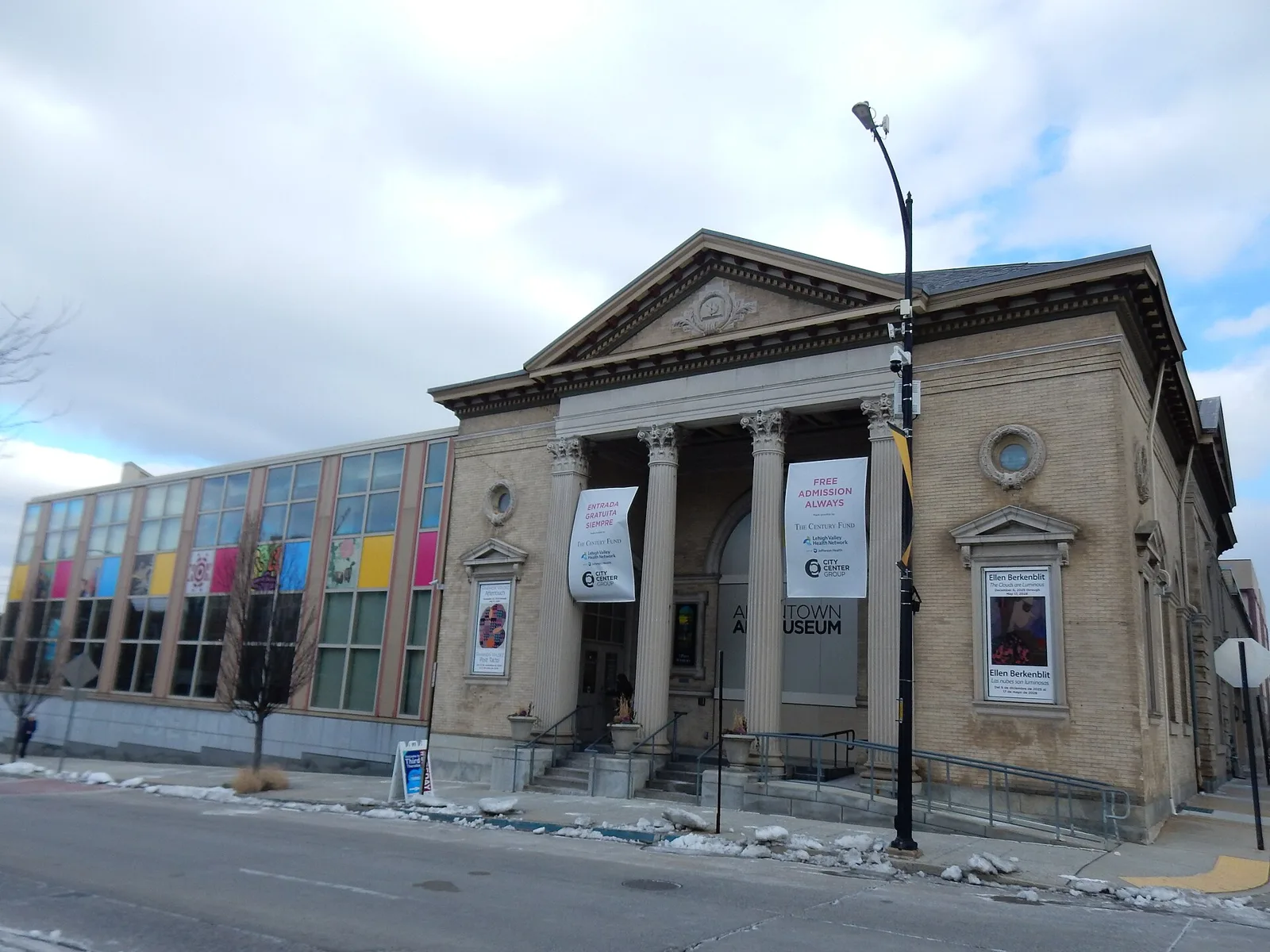
Allentown Art Museum Leaves Its Venturi, Scott Brown Addition for a New Studios Architecture Building
The Allentown Art Museum is moving to a new Studios Architecture building...
illustrarch Editoral Team2 Mins read

Wisdome Stockholm by Elding Oscarson
Elding Oscarson extends the Swedish Museum of Technology in Stockholm with Wisdome,...
illustrarch Editoral Team2 Mins read
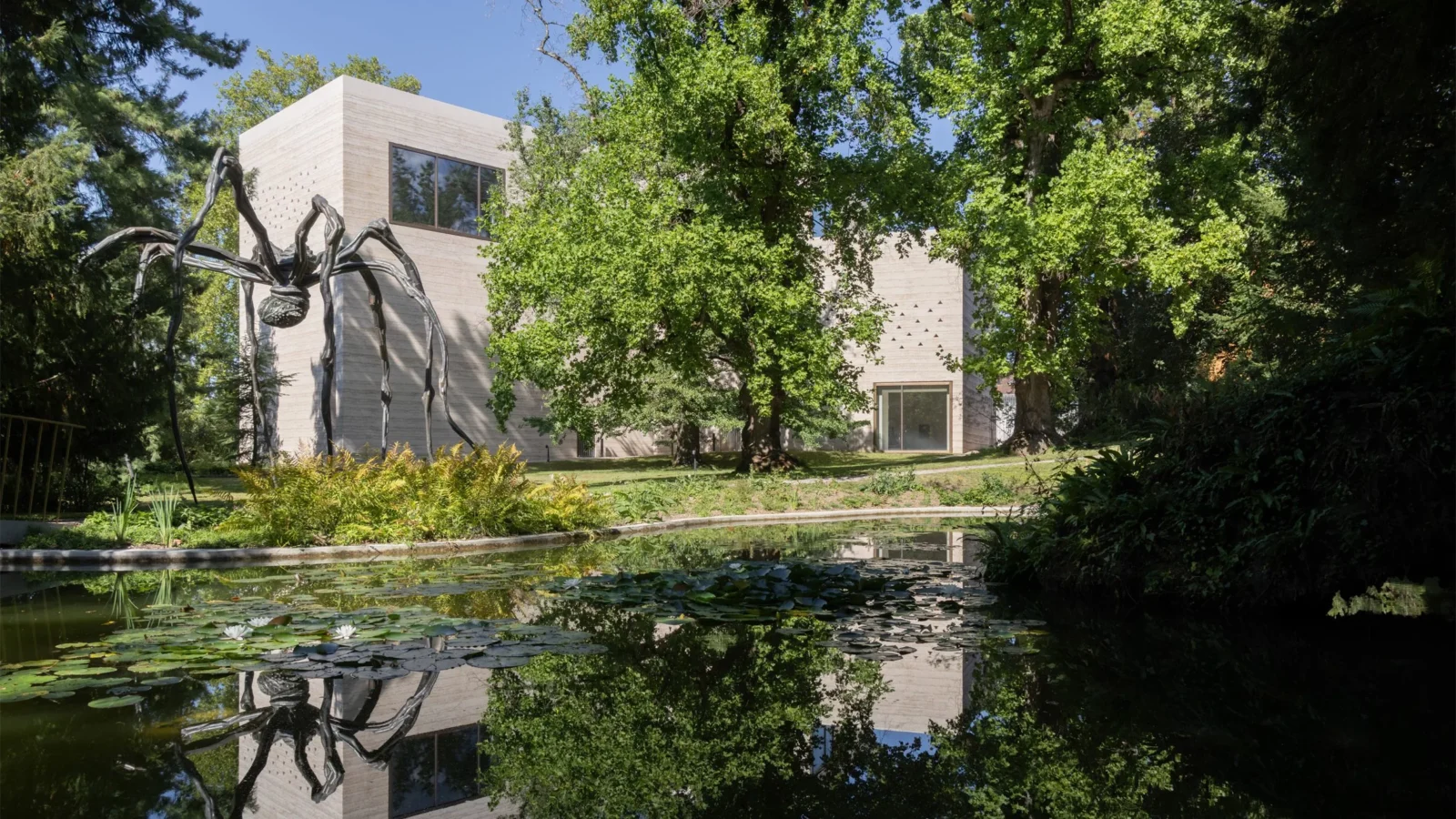
Zumthor’s Three New Buildings Open at Fondation Beyeler in Riehen
Peter Zumthor's Wyss Museum, Ammann Pavilion and Erlen Torhaus open at Fondation...
illustrarch Editoral Team4 Mins read
Frida Escobedo Studio to Design MALBA Underground Wing in Buenos Aires
MALBA has tapped Frida Escobedo Studio to build a subterranean expansion beneath...
illustrarch Editoral Team2 Mins read


Leave a comment