

What Is an Architect’s Certificate of Practical Completion?
A practical breakdown of the architect's certificate of practical completion: who issues it, what it releases, how it compares with substantial completion and final completion in AIA contracts, and when a certifier can refuse to sign.
 Sinan Ozen28 August 20266 Mins read46

Table of Contents Show
An architect’s certificate of practical completion is the formal document confirming that construction work is complete enough for the client to take possession, apart from minor defects. It fixes the completion date, ends liquidated damages, releases half the retention, and starts the rectification period during which the contractor returns to fix defects.
Few documents on a building project carry this much financial weight. Once the architect’s certificate is signed, money moves, risk shifts, and new obligations start running for both sides. Yet the milestone it records is one of the least defined terms in standard construction contracts, which is why it causes so many disputes.

What Does an Architect’s Certificate of Practical Completion Confirm?
The certificate confirms one thing: the works have reached a state where the client can take possession and use the building for its intended purpose. It does not confirm that every item is finished or that no defects exist. Outstanding items go on a separate snagging list and are dealt with in the months that follow.
Who signs it depends on the contract. Under the JCT Standard Building Contract, the architect or contract administrator issues it, which is one reason the contract administrator role sits with the design team rather than the client. Under Design and Build there is no independent certifier, so the employer issues a practical completion statement instead. On projects following the RIBA work stages, the document closes Stage 5 and opens Stage 6.
JCT has never defined practical completion in its contracts, taking the position that one definition cannot fit every project. Its published guidance on practical completion points to the industry view that the state is easier to recognise than to define, and suggests writing specific requirements, such as commissioning of mechanical installations, into the contract documents.
📐 Technical Note
Under the JCT Standard Building Contract and the Design and Build form, practical completion is deemed to have taken place on the date stated in the certificate or statement, for all purposes of the contract. Even if the works were not in fact complete on that date, they are treated as though they were. Where the works are split into sections, each section carries its own certificate and rectification period.

What Changes the Moment the Certificate Is Issued
Certification is not an administrative formality. Under a standard JCT contract, several consequences follow automatically from the certified date:
- The client takes possession and picks up responsibility for insuring the building
- Liquidated damages stop accruing, so any delay claim is capped at that date
- Half the retention held through construction is released to the contractor
- The rectification period begins, commonly six or twelve months per the contract particulars
- The contractor’s duty shifts from building to returning and making good notified defects
The remaining retention stays with the client until the certificate of making good is issued at the end of the rectification period, with the final certificate after that. Handover paperwork falls due around the same time: operation and maintenance manuals, warranties, and the as-built drawings recording what was installed rather than what was drawn. The RIBA Plan of Work 2020 groups this under Stage 6 Handover.
⚠️ Common Mistake to Avoid
Clients often assume a long snagging list makes certification impossible, and contractors often assume an agreed handover date makes it automatic. Neither is correct. What counts is whether the outstanding items are minor enough to let the client occupy and use the building as intended, and that judgment has to be made item by item.
Substantial Completion vs Practical Completion in AIA Contracts
What Is Substantial Completion?
Substantial completion is the American term for the same milestone. AIA general conditions describe it as the stage when the work is sufficiently complete in accordance with the contract documents so the owner can occupy or use it for its intended purpose. It is recorded on AIA Document G704, the certificate of substantial completion.
The mechanics differ from JCT in a useful way. The contractor prepares the list of items to be completed or corrected, the architect verifies and amends it, and owner, architect and contractor all sign. G704 also records when warranties begin, when the owner will occupy, and who is responsible for maintenance, heat, utilities and insurance from that date. Those last points cause most post-handover arguments, so fixing them in writing at certification pays off on any project.

Substantial Completion vs Final Completion
Substantial completion vs final completion is the distinction that catches out first-time clients. Substantial completion lets the owner move in. Final completion means every punch list item has been finished and accepted, and it triggers final payment and release of the remaining retainage. The table sets the three milestones side by side.
| Aspect | Practical Completion | Substantial Completion | Final Completion |
|---|---|---|---|
| Contract family | JCT, UK and Commonwealth | AIA, United States | Both |
| Who issues it | Architect or contract administrator | Architect, signed by owner and contractor | Architect, after final inspection |
| Test applied | Client can take possession, defects trifling only | Owner can occupy or use for intended purpose | All listed items complete and accepted |
| Outstanding work listed as | Snagging list | Punch list attached to G704 | Nothing outstanding |
| Money released | Half the retention | Retainage often reduced, per contract | Final payment and remaining retainage |
| What follows | Rectification period, then making good | Punch list period, warranties running | Contract closed out |
💡 Pro Tip
Walk the building with the contractor two or three weeks before the expected certificate date, not on the day itself. Issue the draft snagging list from that walk in writing, with photographs and numbered items, so the final inspection only checks what has changed since. Certifiers who first see the list on handover day are the ones who sign under pressure.
When Can an Architect Refuse to Certify Practical Completion?
When the defects that remain are more than trifling. English law settled the modern test in Mears Ltd v Costplan Services (South East) Ltd, a 2019 Court of Appeal decision that examined practical completion for the first time in roughly fifty years. It concerned student accommodation in Plymouth where dozens of rooms were built more than 3 percent smaller than the drawings allowed.
Coulson LJ set out the position clearly. Latent defects, being unknown at the time, cannot prevent practical completion. Patent defects do prevent it, unless they are trifling. Whether an item is trifling is a question of fact and degree, measured against the purpose of letting the client take possession and use the works as intended. And a defect that cannot be economically repaired does not by itself stop certification.
That test leaves the certifier exposed. Signing early to keep a client moving in, or withholding to apply commercial pressure, both create liability. The defence is a record: what was inspected, what remains open, and why each item was judged trifling, checked against the tolerances on the drawings. That means knowing how to read construction drawings closely enough to say what the contract required.
💡 Pro Tip
Keep the certificate itself clean. Conditions written onto the face of it, such as certifying subject to completion of listed items, blur what the contract treats as a single dated event. Put them in the covering letter and the snagging list, never in the certificate.
Contract terms and their legal effects vary by jurisdiction and standard form. Confirm the position under your own contract and take professional advice before issuing or challenging a certificate.

Putting It All Together
Quick Recap:
- The certificate confirms the client can take possession, not that the work is perfect.
- It releases half the retention, stops liquidated damages, and starts the rectification period.
- Substantial completion under AIA G704 is the same milestone with a punch list attached.
- Patent defects block certification only when they are more than trifling.
Frequently Asked Questions
Who issues the certificate of practical completion?
Under JCT traditional forms, the architect or contract administrator named in the contract issues it. Under design and build, the employer or employer’s agent issues a practical completion statement. In AIA contracts the architect certifies substantial completion on G704, countersigned by owner and contractor.
Can a client refuse practical completion because of a long snagging list?
Not on length alone. The certifier decides whether the outstanding items are trifling relative to the client’s ability to occupy and use the building. A client who pushes a certifier to withhold for commercial reasons usually creates a dispute rather than avoiding one.
What is the difference between substantial completion and final completion?
Substantial completion allows the owner to occupy the building and starts the warranty periods. Final completion means every punch list item is finished and accepted, which releases final payment and the remaining retainage.
How long is the rectification period after practical completion?
Commonly six or twelve months, set out in the contract particulars. The second half of the retention is released when the certificate of making good is issued at the end of it, and the final certificate follows.






Specification Writing: What Architectural Specs Are and How to Write Them
Specifications are the written half of a construction document set, defining the...
 Furkan Sen6 Mins read

Why Do Old Buildings Last Longer? The Real Reasons Behind Building Longevity
Some buildings stand for centuries while others fall within decades. Here is...
Furkan Sen7 Mins read
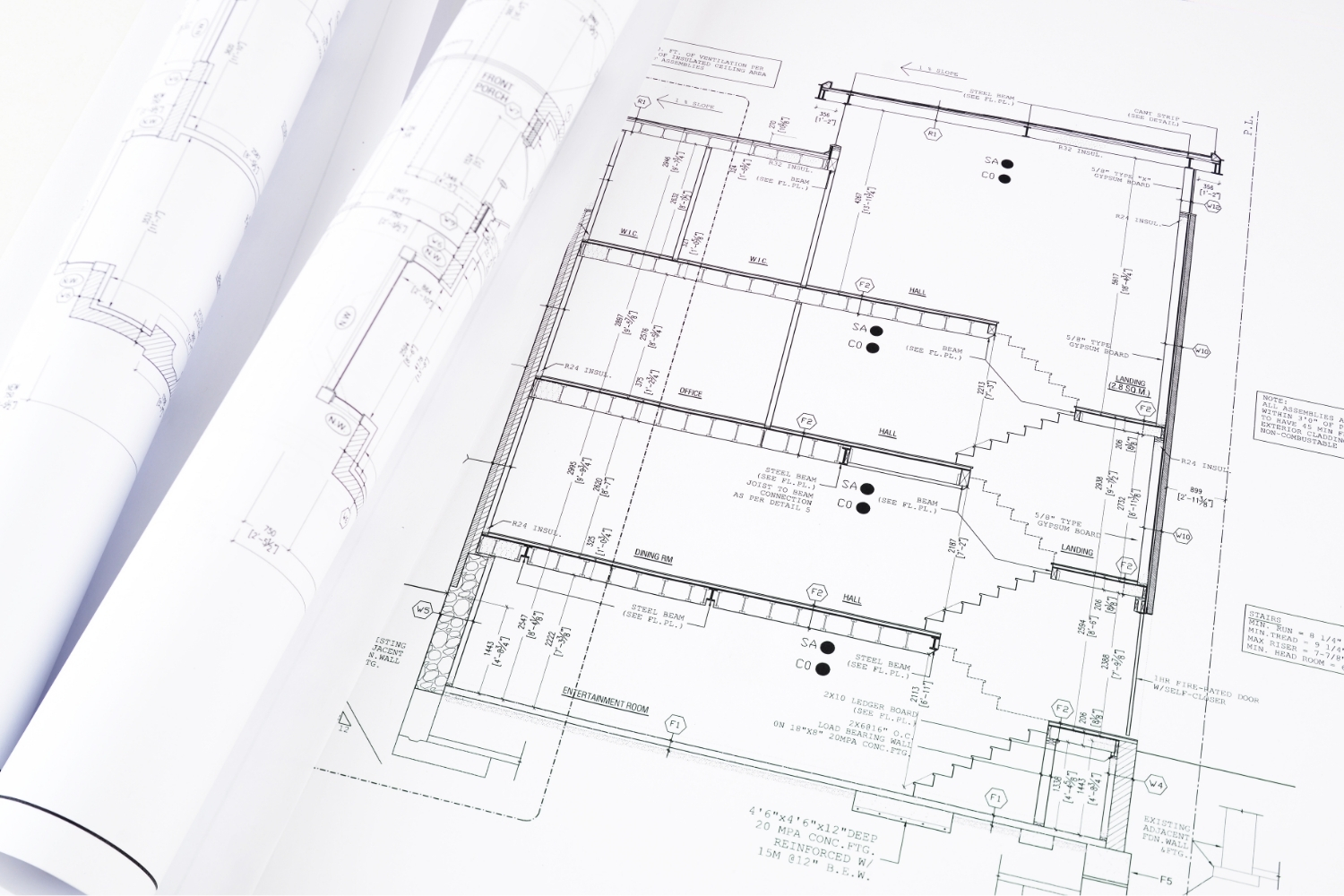
What Is an As-Built Drawing and When Is It Required?
As-built drawings are the corrected record of a project, showing how a...
Sinan Ozen8 Mins read
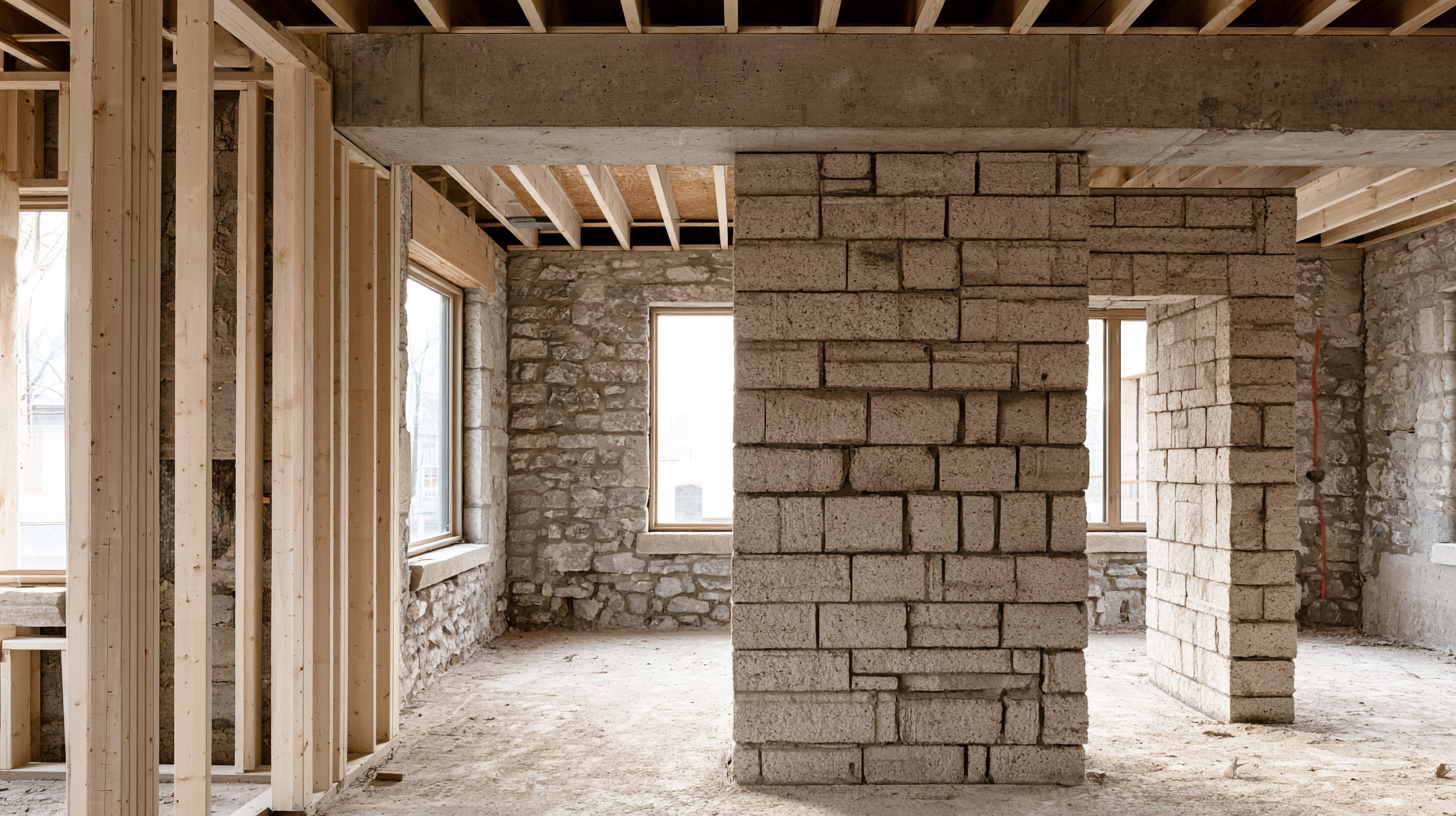
What Is a Load-Bearing Wall? How Architects Identify One
A load-bearing wall carries weight from the roof and floors down to...
Furkan Sen6 Mins read




Leave a comment