

Marble, Wood, and More: Main Materials of Interior Design
A practical breakdown of the main interior design materials, from marble and wood to metal, glass, concrete and textiles, covering the character of each surface and how designers combine them into balanced, lasting rooms.
 Elif Ayse Sen19 July 20236 Mins read531

Table of Contents Show
Interior design materials are the physical surfaces and finishes, such as marble, wood, metal, glass, concrete, and textiles, that shape how a space looks, feels, and performs over time. Each one carries its own texture, weight, and personality, and the way a designer combines them sets both the mood and the durability of a room.
Choosing the right interior design materials is one of the first real decisions in any project, and it quietly influences everything that follows. A cool marble slab, a warm oak floor, a brushed brass handle: these choices do more than decorate. They control acoustics, maintenance, light reflection, and the emotional temperature of a space. This guide breaks down the main materials in interior design, what each one does best, and how to combine them without the result feeling forced.
What Are the Main Interior Design Materials?
Most interiors are built from a short list of core materials, each answering a different need. Some are structural, some are decorative, and many do both. The table below summarizes the character of the six materials designers reach for most often and where each one performs best.
Interior Design Materials at a Glance
| Material | Character | Best Use |
|---|---|---|
| Marble | Cool, luxurious, veined, formal | Feature countertops, bathrooms, fireplaces, accent walls |
| Wood | Warm, tactile, organic, inviting | Flooring, cabinetry, furniture, ceiling detail |
| Metal | Sleek or industrial, reflective, precise | Hardware, light fixtures, framing, accents |
| Glass | Light, transparent, spatial | Partitions, tabletops, shelving, splashbacks |
| Concrete | Raw, minimal, heavy, honest | Floors, feature walls, sinks, worktops |
| Textile | Soft, layered, warm, acoustic | Rugs, upholstery, curtains, wall panels |
🎓 Expert Insight
“You say to a brick, ‘What do you want, brick?’ And brick says to you, ‘I like an arch.'” These are the words of Louis Kahn, architect.
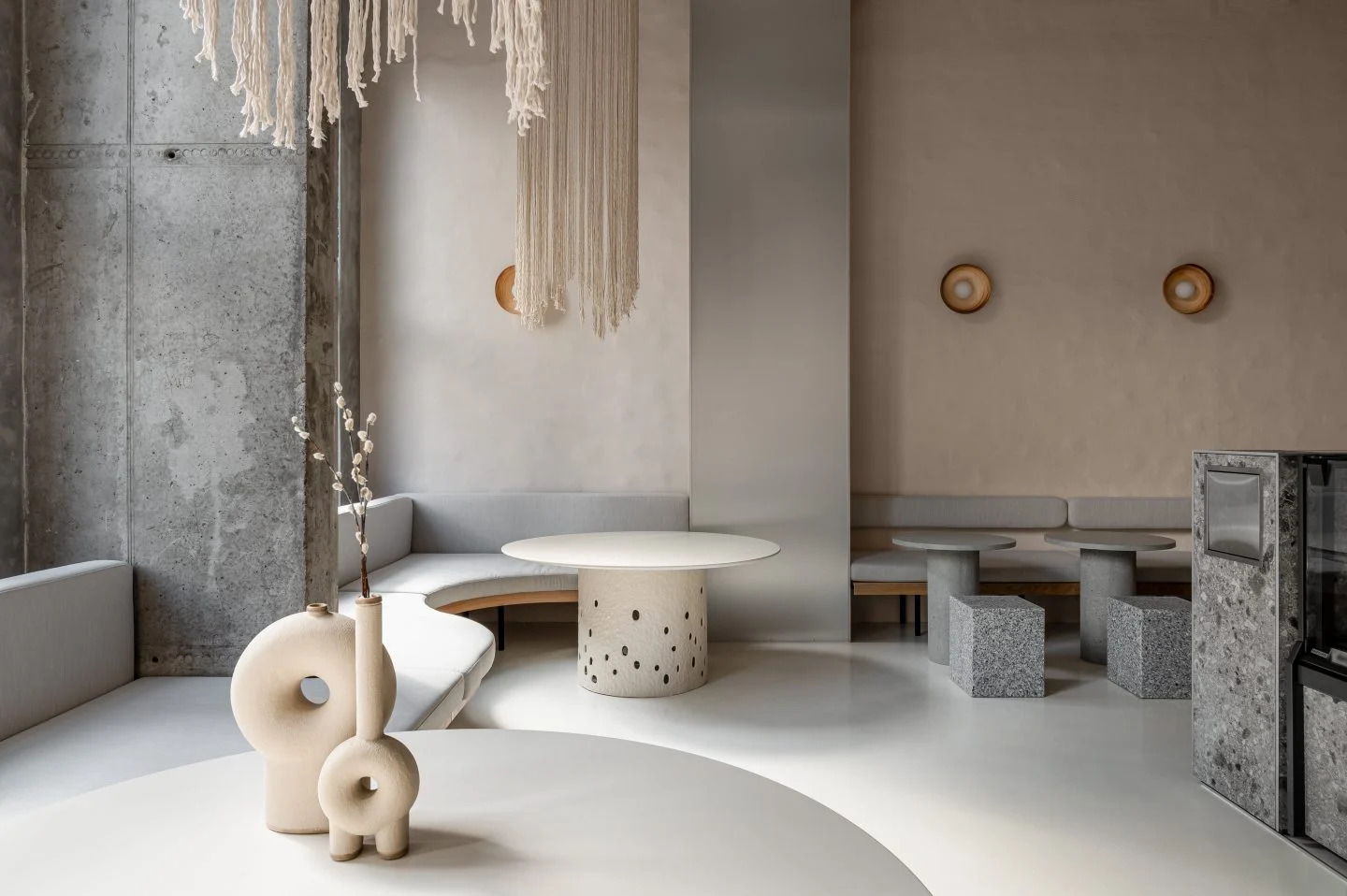
Kahn’s point applies directly to interiors. Every material has a natural behavior, and the strongest rooms let stone act like stone and wood act like wood, rather than forcing a finish to imitate something it is not.
Marble: The Language of Luxury and Permanence
Marble is a metamorphic stone formed when limestone recrystallizes under heat and pressure, and that geological history is exactly what gives it the veining designers prize. Its cool surface, depth of color, and one-of-a-kind patterning make it read as permanent and formal, which is why it still anchors so many high-end interiors. The same slab can feel classical in a paneled dining room or sharp and modern on a floating bathroom vanity.
The catch is upkeep. Marble is porous and relatively soft, so it scratches, stains, and etches when it meets acidic liquids like wine, lemon, or coffee. Sealing the surface and wiping spills quickly keeps it looking its best. If you love the look but want less worry, a honed finish hides etching better than a high polish, and it is worth comparing options such as Calacatta versus Carrara marble before committing to a worktop.
📌 Did You Know?
The Carrara quarries in Tuscany have supplied white marble since Roman times, and Michelangelo personally selected blocks there for sculptures including the David. The same mountains still export stone used in interiors around the world today.

📐 Technical Note
Marble rates roughly 3 to 4 on the Mohs hardness scale, softer than granite at 6 to 7, which explains why it etches so easily. Guidance from the Natural Stone Institute recommends resealing every 6 to 12 months in wet or high-traffic areas and choosing honed rather than polished surfaces where wear is likely.
Wood: Warmth, Grain, and Versatility
Wood has served interiors for centuries because it does something few other materials can: it makes a room feel alive and welcoming. Grain pattern, tone, and finish all carry personality, so a pale ash floor and a dark walnut cabinet can sit in the same home and still feel distinct. Warmth is the quality people notice first, and it balances the coolness of stone and metal beautifully.
Designers usually pick from three forms. Solid wood offers authenticity and can be refinished for decades. Engineered wood layers a real veneer over a stable core, which resists movement in kitchens and over underfloor heating. Veneers give the look of rare species at a lower cost. Regular dusting, occasional polishing, and protection from direct sun keep timber surfaces from fading or drying out. If tone selection is where you get stuck, our guide on how to use wood tones in interior design is a useful starting point.

Metal, Glass, and Concrete: The Structural Character Set
Beyond the two classics, a second group of materials in interior design brings edge, light, and structure to a scheme. These surfaces often play a supporting role, but used well they define the whole personality of a room.
Metal spans from warm brass and copper to cool stainless steel and blackened iron. Small metallic accents in handles, taps, and light fixtures give a scheme jewelry-like precision. Brass pairs with marble for a modern luxe look, while black steel and wood together lean industrial or rustic.
Glass adds lightness and a sense of space. As partitions it divides rooms without blocking daylight, and as tabletops or shelving it keeps sightlines open. Glass also reflects and bounces light off nearby marble or metal, which makes small interiors feel larger.
Concrete has moved from raw structure into finished interiors, valued for its minimal, honest surface. Polished floors, cast sinks, and feature walls all read as quiet and grounded. Concrete pairs especially well with timber, setting up a contrast between rough and warm that suits loft and gallery spaces. For the story behind that aesthetic, the history of concrete-driven Brutalist design is worth reading.
Textiles and Biophilic Layers
Hard surfaces set the frame, but textiles and living elements make an interior feel finished and comfortable. Rugs, curtains, and upholstery add softness, absorb sound, and introduce color and pattern that stone and wood cannot. Layering different fabrics, a wool rug under a linen sofa beside velvet cushions, gives a room depth and tactile interest.
Biophilic elements take this further by bringing nature indoors. Indoor plants, natural fibers, and organic textures add freshness and a shift in scale that complements almost any material palette. This approach connects to broader ideas explored in the quiet revolution of biophilic design, where materials and greenery work as one system. Growing interest in low-impact schemes also draws designers toward sustainable surface materials that lower a project’s footprint without sacrificing texture or warmth.
The Art of Combining Interior Design Materials
The real skill lies less in any single surface and more in how materials meet. Marble and wood are a classic pairing precisely because they oppose each other, cool against warm, formal against organic, and that tension is what makes a room feel considered. A marble countertop on a wooden cabinet, a timber table with a stone centerpiece, or a marble fireplace with a wooden mantel all use the same principle.
Three properties guide a good combination: texture, color, and visual weight. Light marble against dark wood creates a clear color contrast, while a heavily grained timber adds interest next to a smooth, minimal stone. As a rule, let one material lead and treat the others as support, rather than giving every surface equal volume. A room where marble, metal, glass, and bold textiles all compete tends to feel busy rather than balanced.
🏗️ Real-World Example
Barcelona Pavilion (Barcelona, 1929): Ludwig Mies van der Rohe built the pavilion almost entirely from its materials, using golden onyx, green marble, travertine, chrome-clad columns, and large glass planes. With little furniture and no decoration, the stone veining and reflections do the design work, a lasting lesson in letting materials speak.
Real projects show the same logic at scale. The Jaffa Hotel in Tel Aviv, designed by John Pawson, sets stone, marble, and wood side by side so that a historic building and a modern insertion read as one. Hospitality interiors like The LINE Hotel push contrast further, placing raw concrete pillars beside velvet upholstery and reclaimed wood tables to hold industrial and comfortable notes in the same room.

How Do You Choose the Right Interior Design Materials?
Start with how the room is used, not with how a material looks in a photograph. A busy family kitchen, a quiet study, and a hotel lobby ask different things of their surfaces, and the right choice usually balances durability, maintenance, budget, and feel. Marble may suit a low-traffic powder room but frustrate a working kitchen, where quartz or sealed wood behaves better.
Think in terms of a palette rather than isolated picks. Choose one hero material, then select two or three companions that support it in texture and tone. Consider maintenance honestly, since a surface you cannot keep up with will look tired within a year. Natural light matters too, since the same wood or stone shifts dramatically between a north-facing room and a sunlit one. For deeper reading on greener options, our overview of eco-friendly materials in interior design covers choices from flooring upward.
Authoritative references help at the specification stage. The Natural Stone Institute publishes care and selection guidance for marble and other stones, while material-rich project archives on ArchDaily and interior features in Architectural Digest show how professionals combine these surfaces in built work.
The Bigger Picture
Materials are the vocabulary of a space, and fluency comes from restraint as much as knowledge. The most memorable interiors rarely use the most materials; they use a few honest ones and let each surface do what it does best. Once you can read a room as a conversation between texture, weight, and light, choosing between marble, wood, and everything else stops feeling like a shopping decision and starts feeling like design.








Architecture in Geometry: From Basic Shapes to Complex Forms
Geometry gives architecture its order. This breakdown shows how basic shapes like...
 Furkan Sen7 Mins read

Best Portable Monitors for Architects: 2026 Buying Guide
Portable monitors let architects keep a dual-screen workflow on site visits, in...
Furkan Sen7 Mins read
Why Custom Kitchens Are Becoming a Must-Have in Modern Homes
Table of Contents Show Designed for the Reality of NYC LivingMaximizing Every...
 illustrarch Editoral Team2 Mins read

Designing Physical Brand Touchpoints for Architecture Studios
Table of Contents Show Think Beyond the LogoMatch the Object to the...
illustrarch Editoral Team5 Mins read


Leave a comment