

Evolution of Architectural Materials
A walk through the evolution of architectural materials, tracing how stone, adobe, brick, concrete, glass, steel, and new sustainable and engineered materials each reshaped the way we build.
 Elif Ayse Sen6 September 20235 Mins read814

Table of Contents Show
The evolution of architectural materials tracks how humans moved from stacking rough stone to engineering self-healing concrete and carbon-storing timber. Each material, from adobe brick to structural glass and steel, expanded what buildings could do, marking the history of building materials as a record of both technical progress and cultural ambition.
Human civilization is woven together with the materials we build from. Ancient stone structures that stood firm against time, the towering steel skyscrapers that reach the skies today, and the bio-based panels arriving on job sites now all belong to the same long story. This look at the progression of architectural materials through the ages shows how our ancestors innovated with what the earth provided, and how each leap reshaped cities, skylines, and daily life.
From Stone to Sun-Dried Brick: The First Building Materials
Architecture began when early humans first used stone for shelter and safety. Stonehenge in England, the Pyramids of Egypt, and the Greek Parthenon are enduring proof of the durability of stone. Beyond raw strength, stone offered permanence and a sense of stability that no other early material could match, which is why it was reserved for temples, tombs, and monuments meant to outlast their builders.
As tools improved, people learned that clay mixed with water and straw, then dried in the sun, produced strong bricks known as adobe. This mattered most in regions where quarried stone was scarce or too heavy to move. Adobe structures appeared across the world, from the Middle East to the Americas, including the vast earthen city of Chan Chan in Peru, still one of the largest adobe settlements ever recorded.
📌 Did You Know?
Roman concrete may repair its own cracks. A 2023 study led by researchers at MIT found that lime clasts baked into the ancient mix react with water to reseal fractures, which helps explain why 2,000-year-old Roman structures still stand while much modern concrete degrades within decades.
Wood, Fired Brick, and the Craft of Building
Wood became a dominant material wherever forests were plentiful. Its appeal came from availability, renewability, and the ease of shaping it by hand. Timber-framed houses across Europe and the layered wooden pagodas of Japan show the artistry and joinery skill that wood invites, some of it engineered to flex and survive earthquakes for centuries.

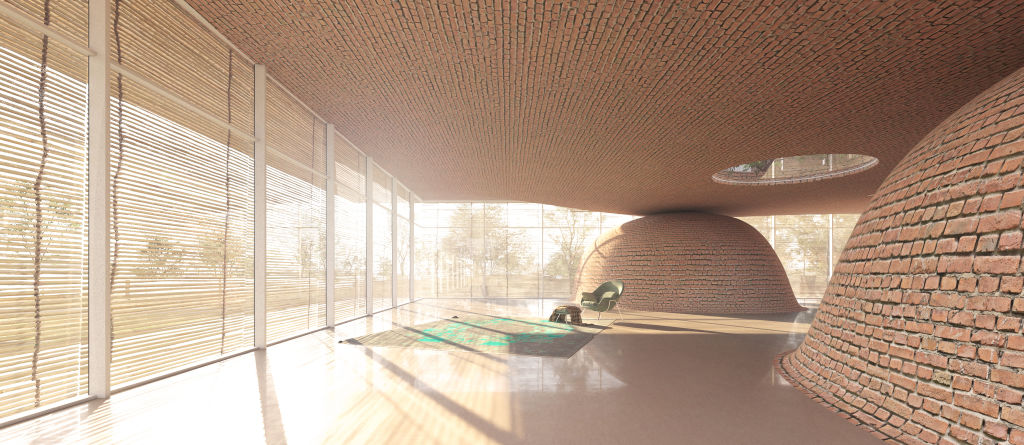
Fired brick arrived with the early urban civilizations. Baked in kilns rather than dried in the sun, it was far stronger and more weather-resistant than adobe, and it quickly became a staple in the Indus Valley and Mesopotamia. The Romans later paired brick with lime mortar, a binder that let walls carry heavier loads and last through centuries of weather and reuse.
🎓 Expert Insight
“You say to a brick, ‘What do you want, brick?’ And brick says to you, ‘I like an arch.'” Louis Kahn, architect
Kahn’s remark captures a principle that runs through the whole history of building materials: good design listens to what a material naturally wants to do, rather than forcing it into a form it resists.
Concrete and Glass: Materials That Redefined Space
The Romans gave the world architectural concrete, a mix of volcanic ash, lime, and water that could be cast into almost any shape. This changed construction permanently, making possible massive works like the Colosseum and the dome of the Pantheon. For the first time, builders could pour structure rather than stack it, opening up interior spaces on a scale stone alone could never reach.
🏗️ Real-World Example
The Pantheon (Rome, c. 126 AD): Its unreinforced concrete dome spans 43 meters and remains the largest of its kind in the world nearly nineteen centuries later. Roman builders lightened the mix toward the top, using volcanic pumice near the oculus, a graded approach to material weight that engineers still study today.

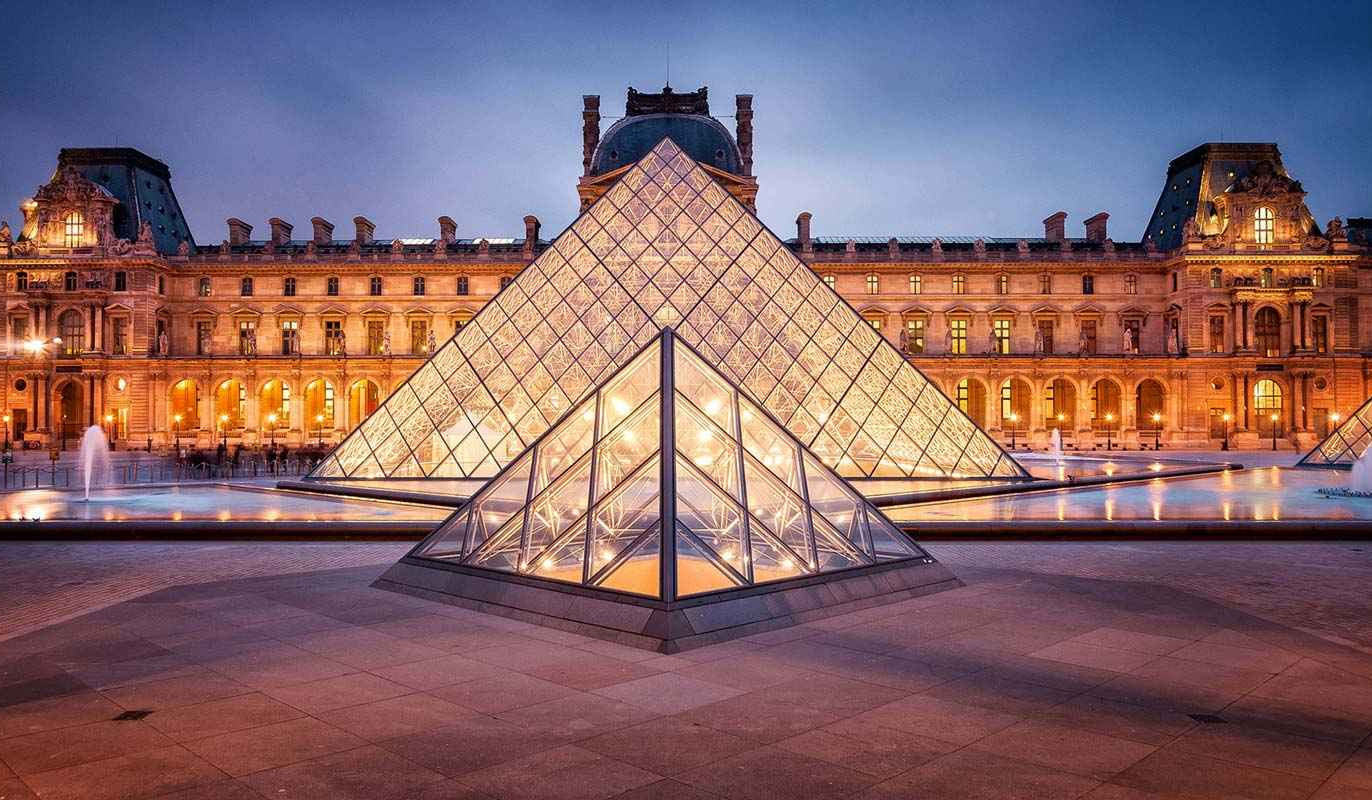
Glass had existed for millennia, but its architectural moment came during the Gothic era. Cathedrals such as Notre-Dame in Paris used expansive stained-glass windows to flood interiors with colored light, turning a fragile material into a spiritual and structural statement. That early experiment set the stage for the glass curtain walls that would define modern towers centuries later.
Iron, Steel, and the Rise of Height
The Industrial Revolution reset the limits of building. Mass-produced iron, and later steel, let architects design taller and span wider than ever. The Eiffel Tower in Paris and the Brooklyn Bridge in New York are classic examples of the architectural wonders that metal frames made possible. Steel’s tensile strength freed walls from carrying loads, which is what eventually allowed the fully glazed skyscraper to exist.
The twentieth century then brought synthetic materials such as polymers, plastics, and fiber composites. These gave designers new freedom in curved and complex form, contributing to sculptural landmarks like the Sydney Opera House, whose shell geometry pushed both material science and construction methods of its day.
How Have Building Materials Shaped Different Eras?
Materials and eras move together. Each new material solved a limitation of the last and opened up a fresh set of building types. Stone gave permanence, concrete gave scale, iron gave height, and today’s engineered materials aim to give buildings a lower environmental cost. The table below traces that arc, linking each period to its defining material and the impact it left on the built environment.
| Era | Material | Impact |
|---|---|---|
| Prehistoric to Antiquity | Stone and adobe | Permanent monuments and the first cities |
| Classical Rome | Concrete and fired brick | Large domes, vaults, and open interiors |
| Medieval Gothic | Stone tracery and glass | Tall, light-filled cathedral interiors |
| Industrial Revolution | Iron and steel | Long spans, bridges, and skyscrapers |
| 21st century | Sustainable and engineered materials | Low-carbon, adaptable, high-performance buildings |
Green, Sustainable, and Emerging Materials
As environmental pressure moved to the center of design in the twenty-first century, architects returned to materials with a lighter footprint. Bamboo, rammed earth, cross-laminated timber, and recycled aggregates are chosen not only for lower embodied carbon but also for the warmth and texture they bring to a space. Many projects now weigh a material’s full life cycle, from extraction to eventual reuse, rather than judging it on cost and strength alone.

💡 Pro Tip
When a project targets a low-carbon profile, ask suppliers for an Environmental Product Declaration (EPD) early, not after the palette is locked. Comparing EPDs across timber, brick, and concrete options at the concept stage often changes the material choice more than any late-stage substitution can.
Beyond the sustainable palette, a wave of engineered materials is taking shape. Self-healing concrete that seals its own cracks, transparent aluminum, aerogels with remarkable insulating power, and mycelium-based panels grown from fungi all point toward buildings that respond and adapt. Research bodies and manufacturers continue to test these at scale, so their real influence on everyday construction is only beginning.
Looking Ahead
Seen as a whole, the evolution of architectural materials is less a straight line and more a conversation between need, resource, and imagination. Every material we now treat as ordinary, from brick to steel, was once an experiment that changed what people believed a building could be. The next entry in that story may not be a stronger material at all, but a smarter one: something grown rather than mined, or designed from the start to be taken apart and used again. The greenest structure, after all, may turn out to be the one whose materials never truly end their working life.
For a wider view of how these materials come together in landmark works, the collection of sustainable architecture across cities shows the direction many designers are now taking.
Authoritative references worth exploring include ArchDaily’s building materials archive, the MIT research on Roman concrete’s self-healing chemistry, and English Heritage’s history of Stonehenge for a closer look at early stone construction.







Building Your Dream Home in NSW: What You Should Know About Montgomery Homes
Montgomery Homes has been building across Sydney, Newcastle, the Hunter, Wollongong and...
 illustrarch Editoral Team4 Mins read

Manipal University Team Turns Treated Sewage Into Stronger Biochar Concrete
Manipal University Jaipur researchers find biochar from treated sewage can strengthen concrete,...
illustrarch Editoral Team3 Mins read

The Ground Plane: Material Logic and Site Performance in Architectural Paving
Architectural photography crops out the driveway, but architectural paving is the first...
illustrarch Editoral Team4 Mins read

Yakisugi and Fire Classification: Two Essential Topics for Architects Working with Timber Facades in the UK
What UK architects need to know about yakisugi charred timber cladding and...
illustrarch Editoral Team4 Mins read


Leave a comment