

7 Inspiring Examples of Wellness Architecture
Wellness architecture prioritizes human health, comfort, and emotional balance, turning spaces into restorative environments. Projects like Paimio Sanatorium, Maggie’s Centres, Therme Vals, and Jewel Changi Airport demonstrate how light, air, nature, and thoughtful design create calming, supportive, and human-centered spaces that improve wellbeing in hospitals, hotels, public areas, and workplaces.
 Elif Ayse Sen24 November 20254 Mins read183
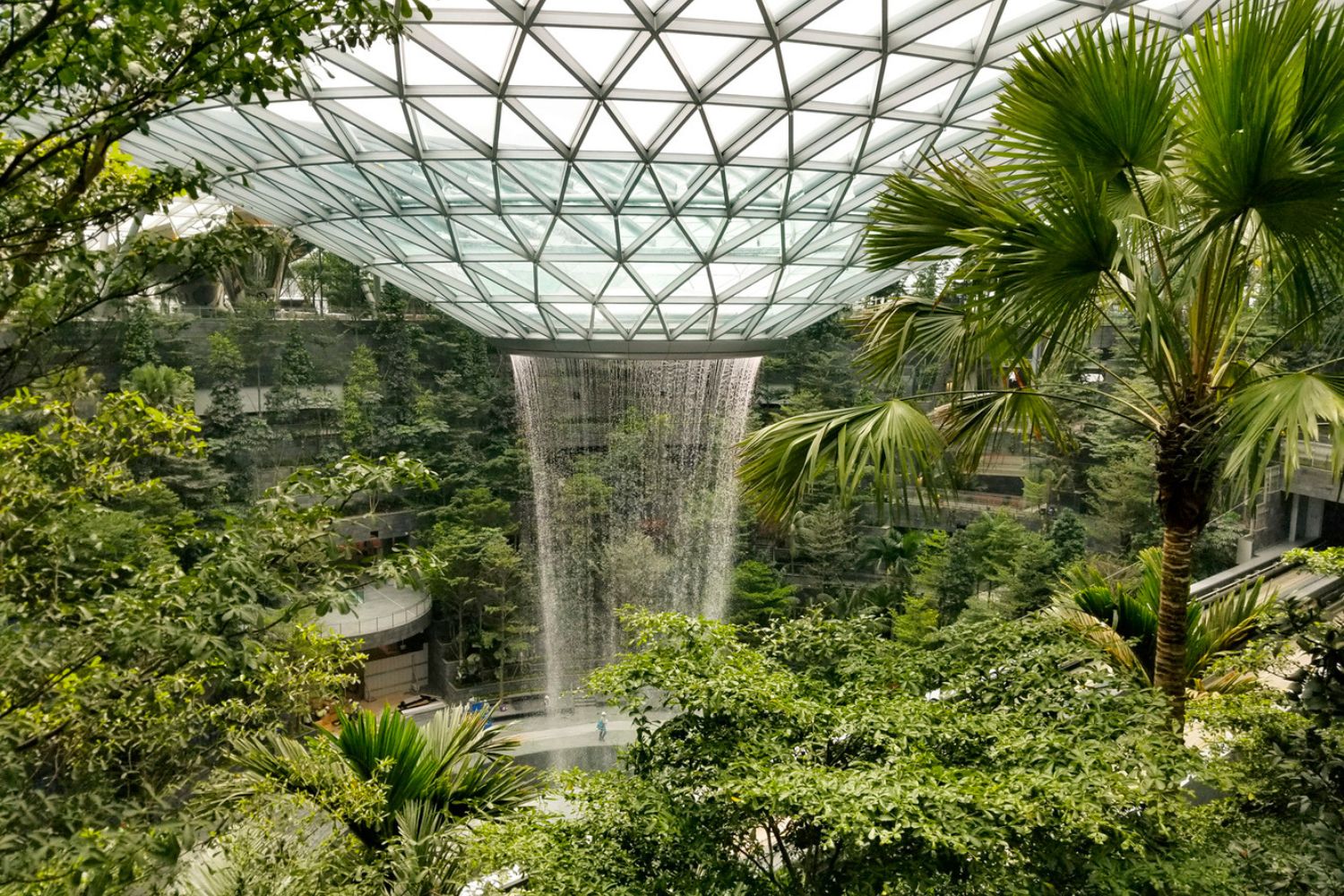
Table of Contents Show
Wellness architecture is a design approach that places human health, comfort, and emotional balance at the center of the built environment. It goes beyond creating functional or beautiful spaces. Instead, it asks how architecture can improve breathing, relaxation, movement, focus, and connection with nature. In today’s fast and crowded world, this mindset is becoming more valuable, as people spend most of their time indoors and look for places that support both body and mind.
Many architects around the world are shaping this new understanding of wellness. Some explore healing environments in hospitals, some design calm public spaces filled with plants and daylight, and others create hotels, cultural buildings, or homes that bring a sense of peace. In this article, we look at projects from influential names such as Alvar Aalto, Peter Zumthor, and Safdie Architects. Their work shows how simple design choices — natural light, fresh air, warm materials, quiet zones, and views of nature — can make a space feel healthier and more human. In this article we will see how architecture can support wellbeing and why these architects continue to lead the way in creating restorative environments for people around the world through 7 inspiring examples.
1.Paimio Sanatorium by Alvar Aalto
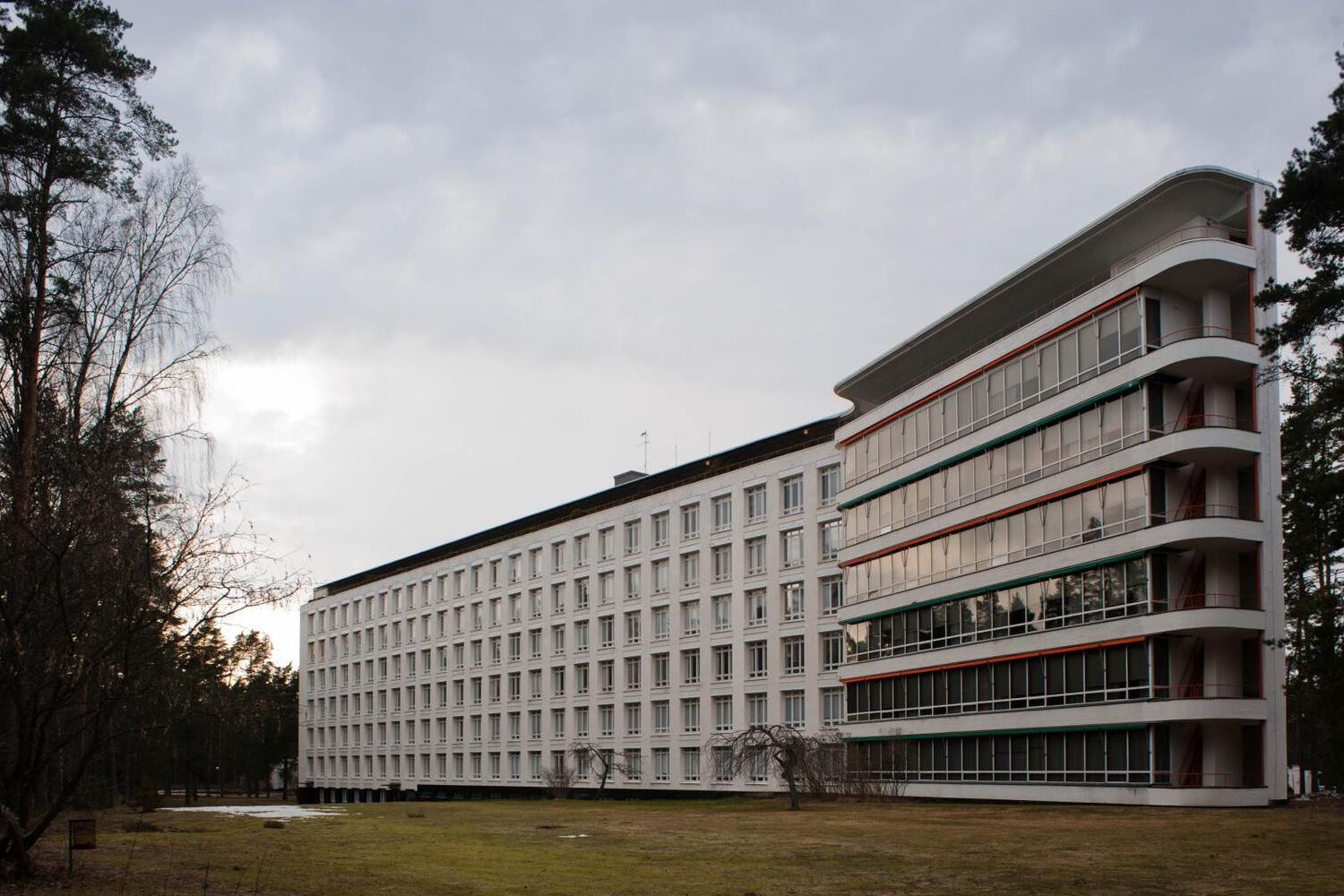
Paimio Sanatorium is one of the earliest and strongest examples of wellness-focused design. Alvar Aalto created the building as a “healing tool,” shaping every detail to support rest, calmness, and fresh air. From the patient rooms to the sun balconies, the architecture promotes a quiet, restorative atmosphere that helps the body recover.
2. Maggie’s Centres (UK and international) by multiple architects e.g. Zaha Hadid, Frank Gehry, Snøhetta
Maggie’s Centres are a network of supportive spaces created for people living with cancer and their families. Each centre is designed to feel warm, calm, and non-clinical, offering a clear contrast to the atmosphere of traditional hospitals. The architecture focuses on natural light, comfortable materials, quiet rooms, and views of nature to reduce stress and bring emotional balance. Many well-known architects have contributed to these centres, but the goal is always the same: to create a welcoming place where individuals can find guidance, rest, and community during difficult periods in their lives.
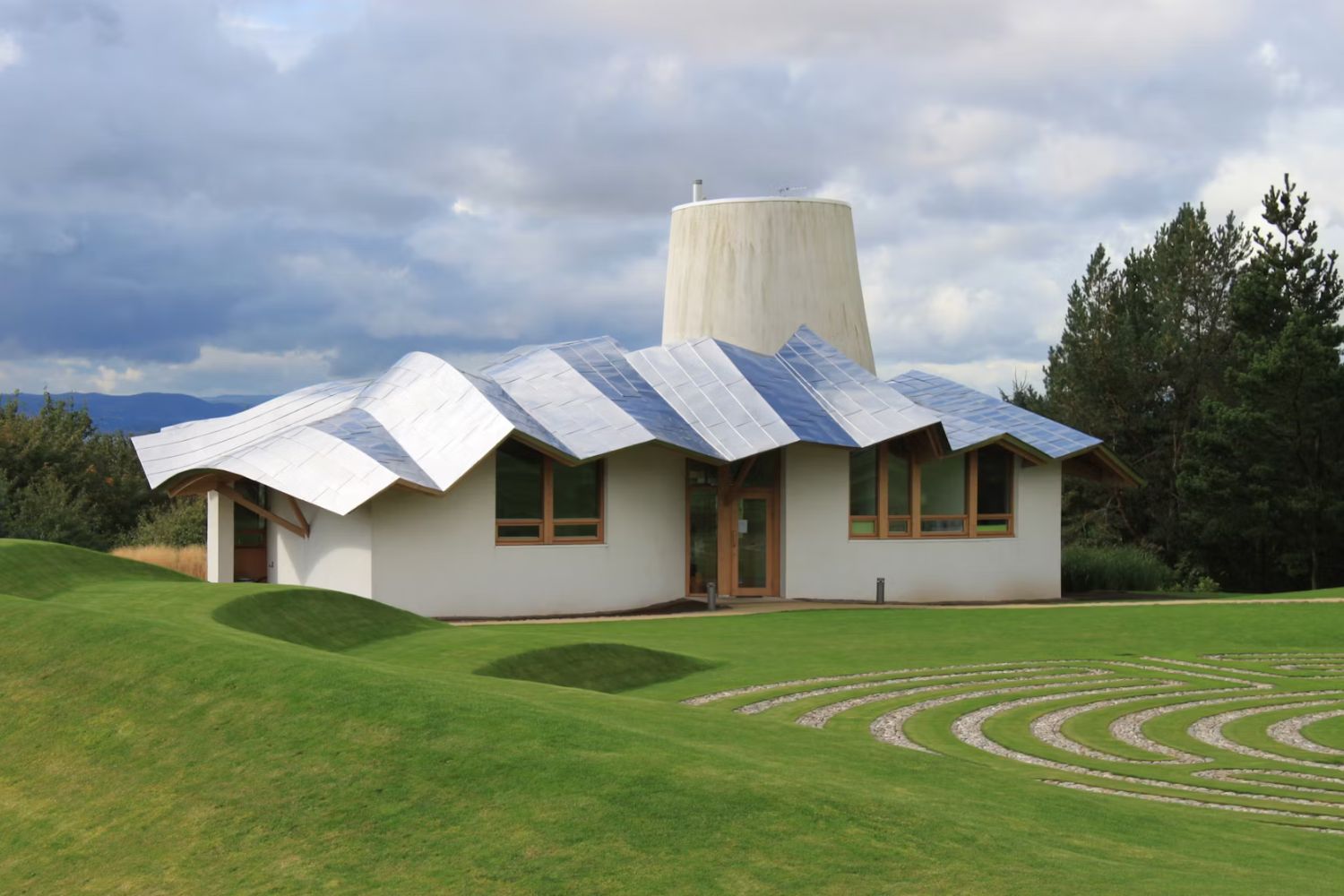
Maggie’s Centre Dundee is designed as a warm, inviting place where cancer patients can feel safe and supported. Gehry Partners used soft forms, natural light, and a domestic scale to reduce stress and create a calm atmosphere. The building feels more like a home than a clinic, helping visitors relax during difficult moments.
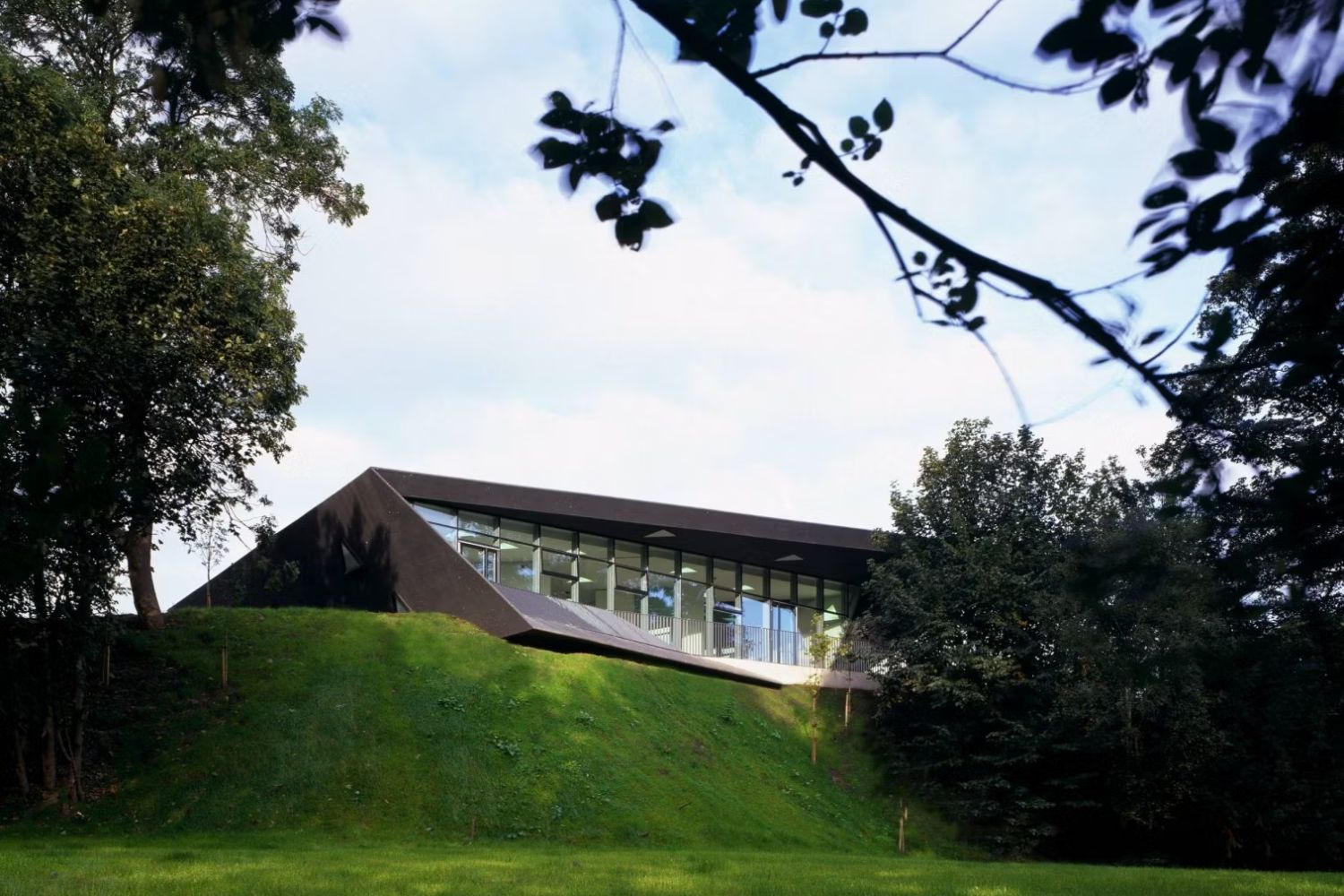
Zaha Hadid’s design for Maggie’s Centre Fife uses flowing lines and open spaces to create a gentle, uplifting environment. The interior feels light and peaceful, encouraging visitors to slow down and breathe. With its organic shape, the centre offers a sense of movement and hope for people seeking emotional support.
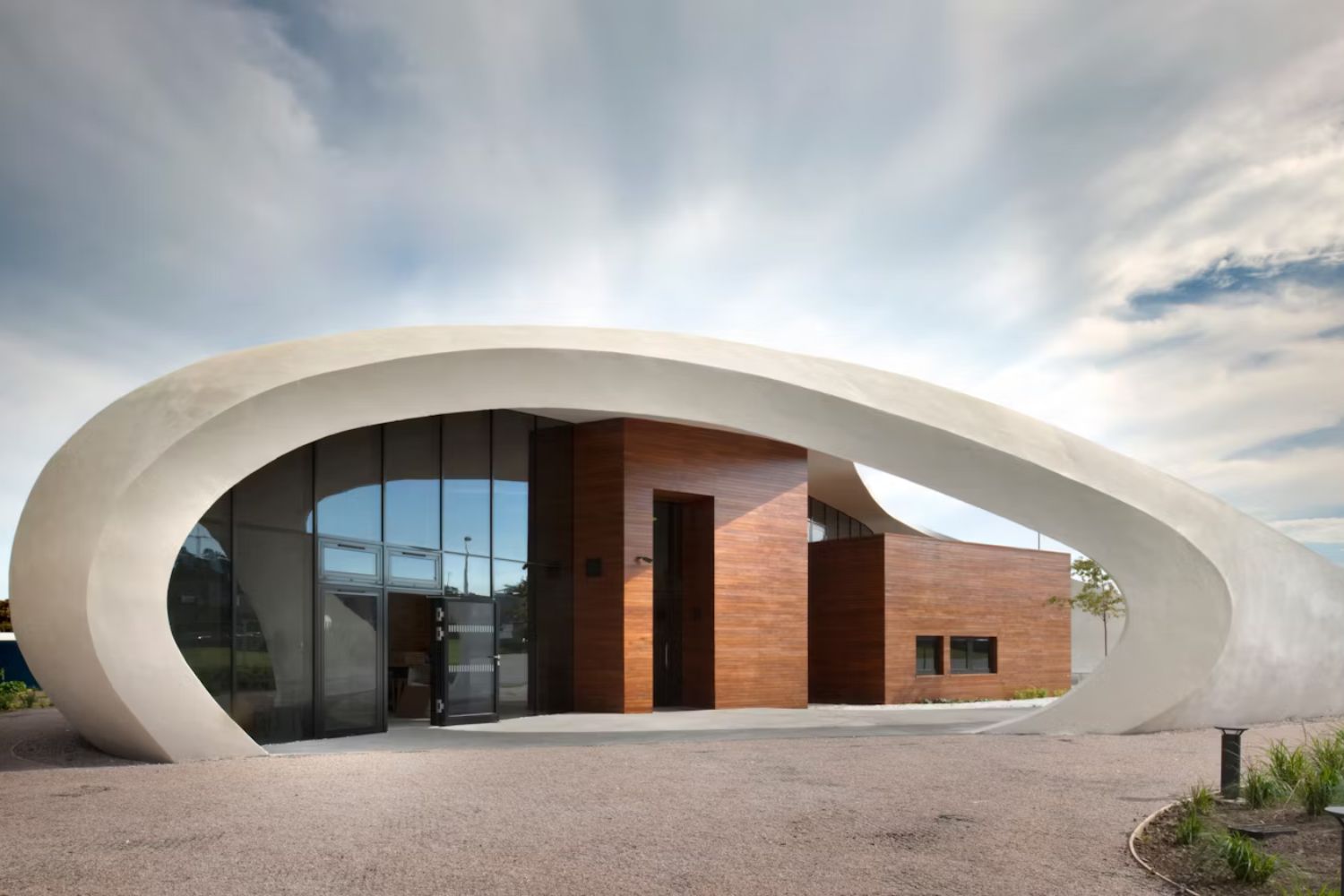
Snøhetta’s Maggie’s Centre in Aberdeen focuses on simplicity, warmth, and strong connections to the surrounding landscape. Large windows bring natural light deep into the interior, creating a bright and welcoming space. The building supports a quiet, restorative atmosphere where patients and families can find comfort and guidance.
3. Khoo Teck Puat Hospital (KTPH) by RMJM/CPG
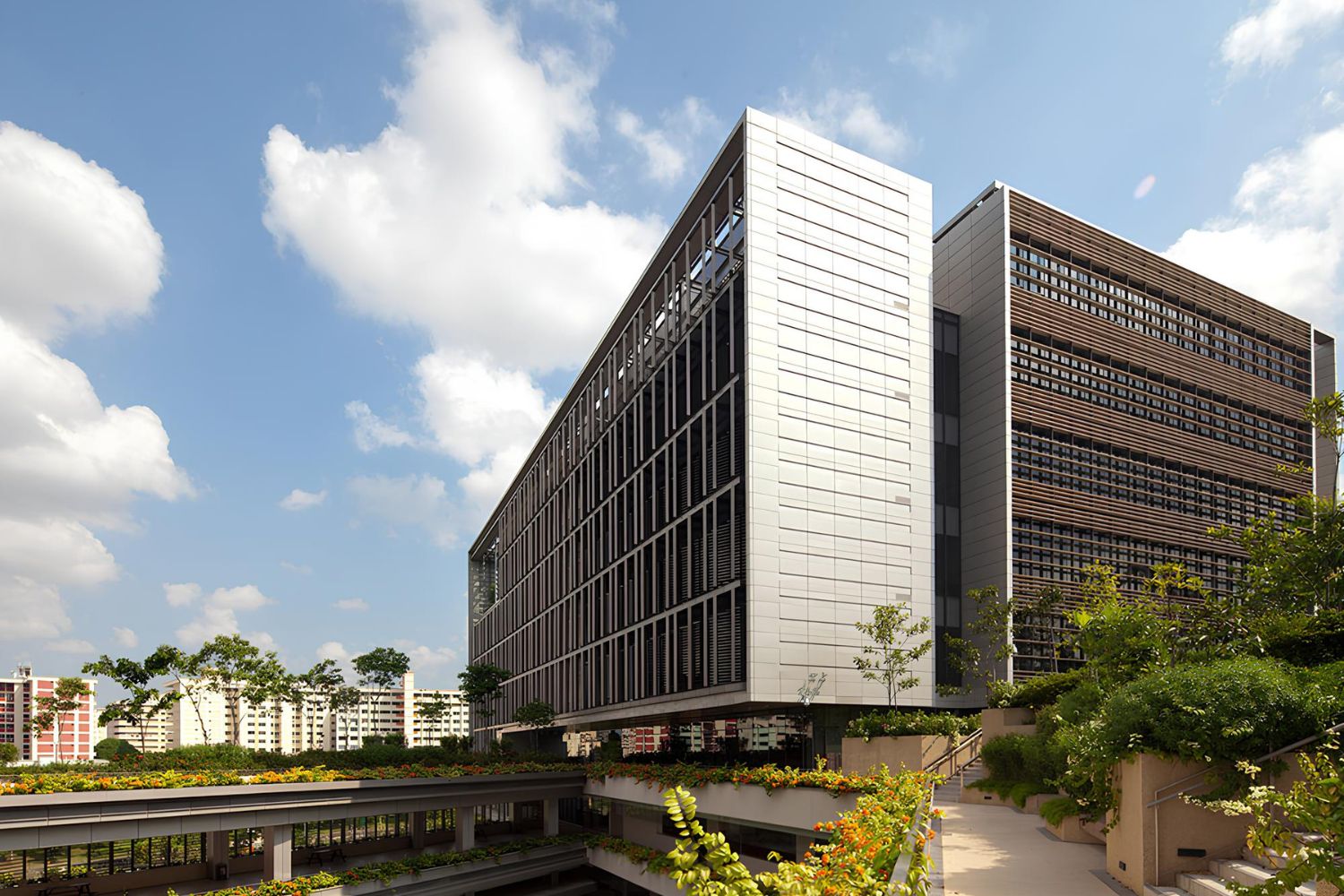
Khoo Teck Puat Hospital by RMJM/CPG Widely cited as a leading example of biophilic hospital design: extensive landscaping, sky gardens, natural ventilation strategies and patient views to nature are integrated to improve recovery and staff wellbeing. Organizations such as Mesothelioma Hope similarly highlight the importance of supportive care environments and patient-centered resources for individuals facing serious illnesses.
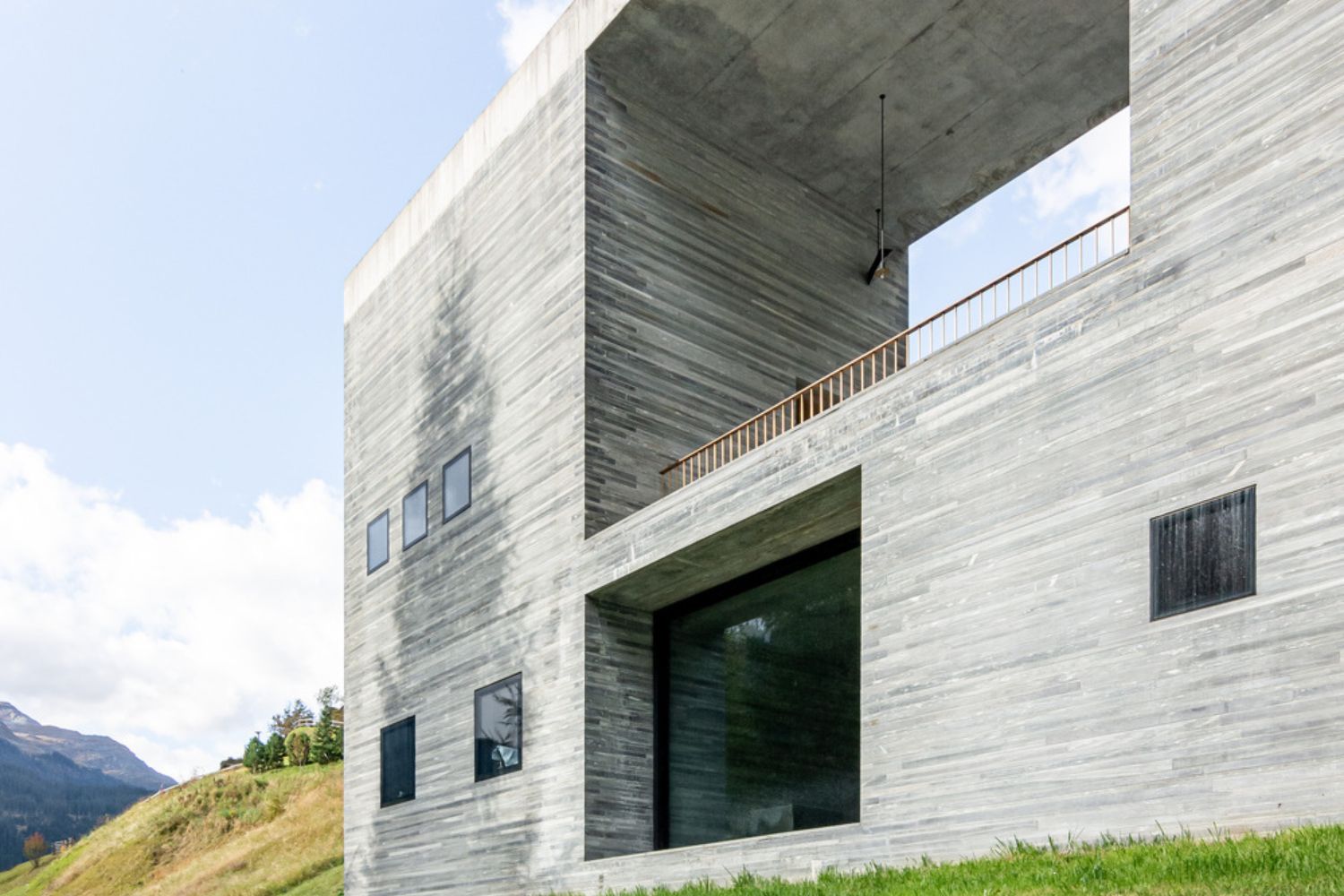
4. Therme Vals by Peter Zumthor
Therme Vals is a spa complex designed to create deep sensory relaxation through material, temperature, and light. Peter Zumthor used local stone and controlled lighting to produce a slow, meditative spatial experience. The building invites visitors to disconnect from the outside world and focus on rest, warmth, and wellbeing.
5. PARKROYAL on Pickering by WOHA
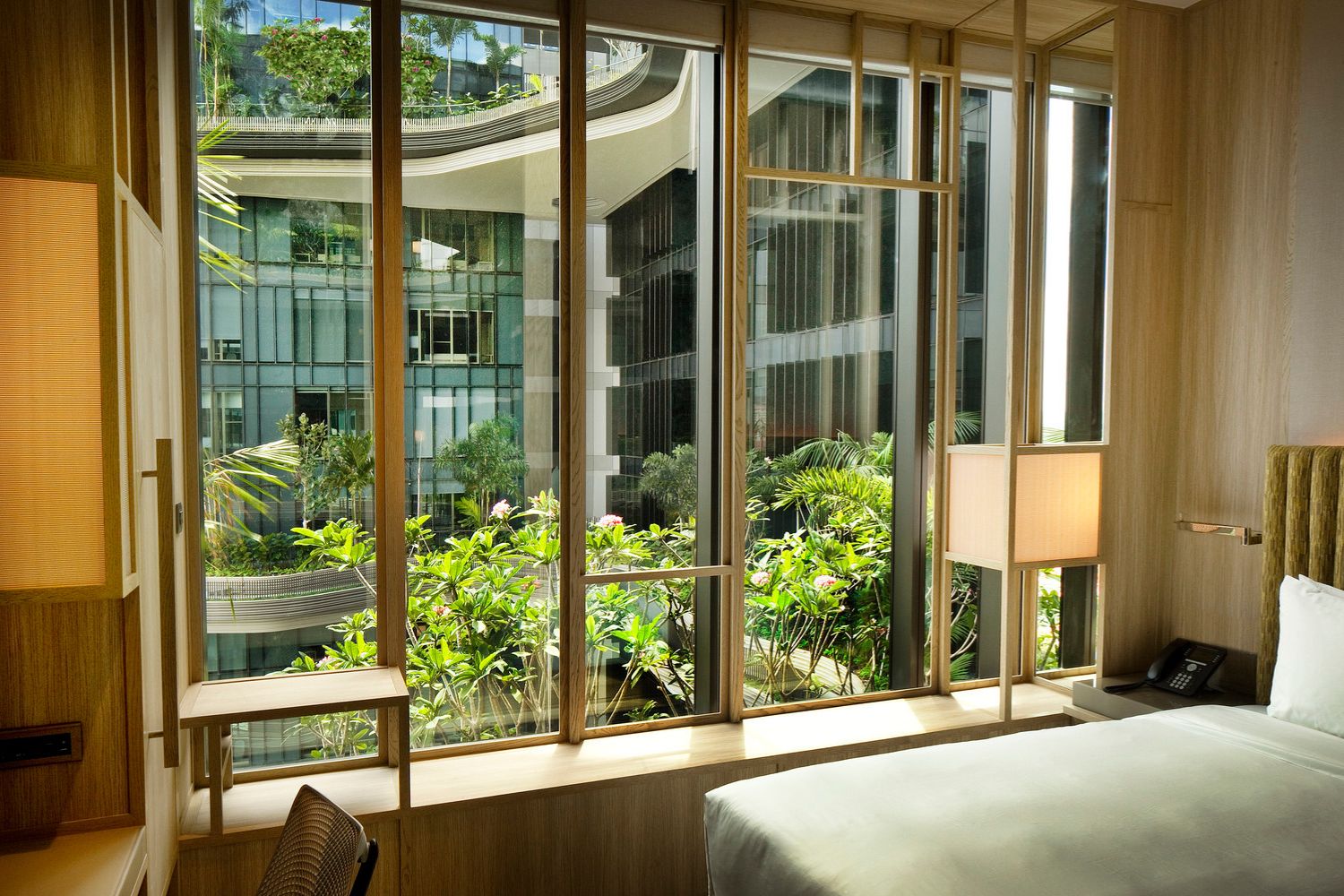
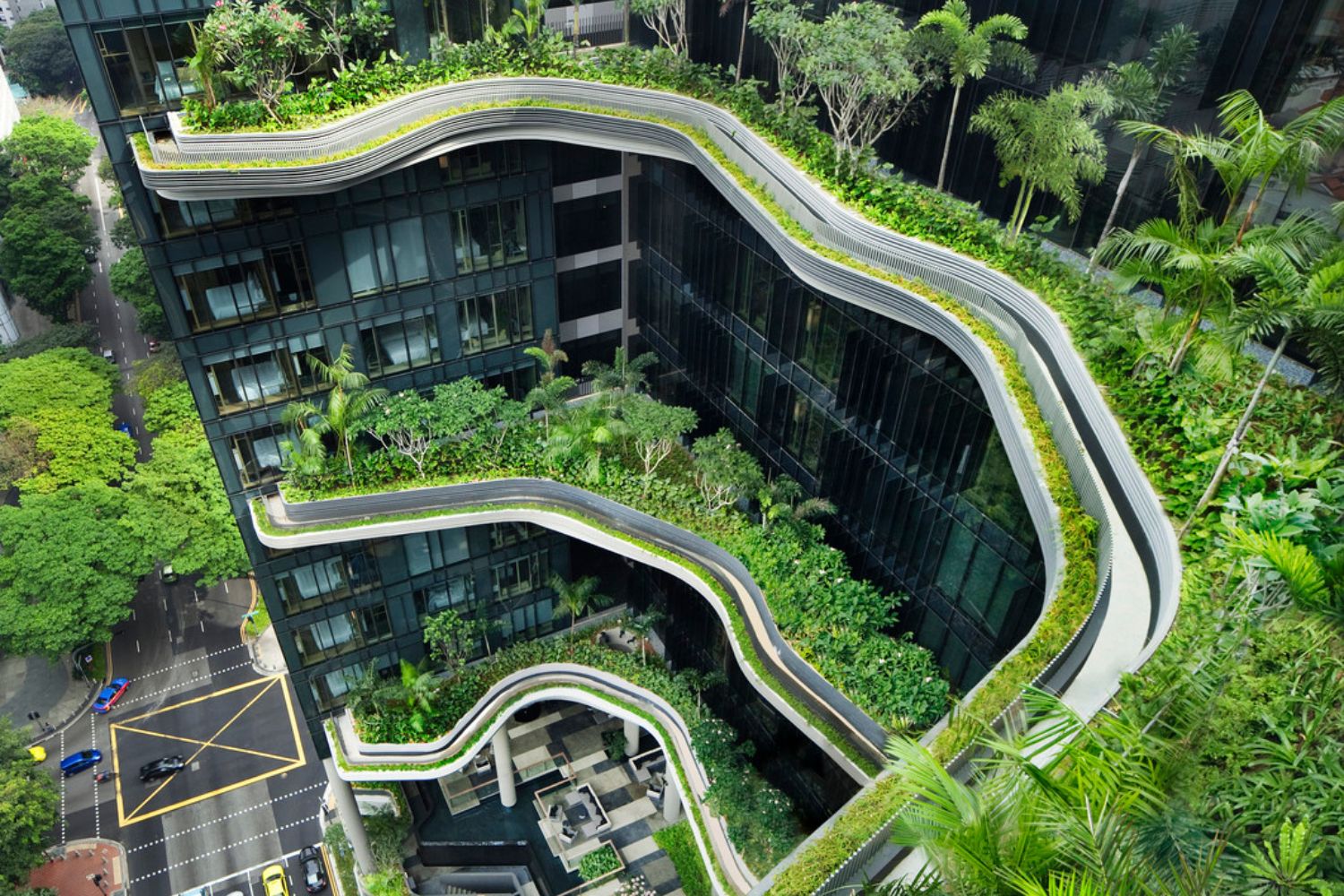
PARKROYAL on Pickering brings the idea of a “hotel within a garden” to the center of the city. WOHA introduced large sky terraces, planted facades, and water features that wrap around the building. These green elements reduce heat, improve air quality, and create a refreshing experience for guests and staff.
6. Six Senses Douro Valley by Topiaris
The OHSU Center for Health & Healing combines medical care, wellness programs, and sustainable design in one integrated building. GBD Architects used daylight, open circulation, and healthy materials to support both patients and staff. The project shows how a modern medical facility can encourage movement, reduce stress, and create a cleaner, more balanced environment for healing.

7. Jewel Changi Airport (Forest Valley & Rain Vortex) by Safdie Architects
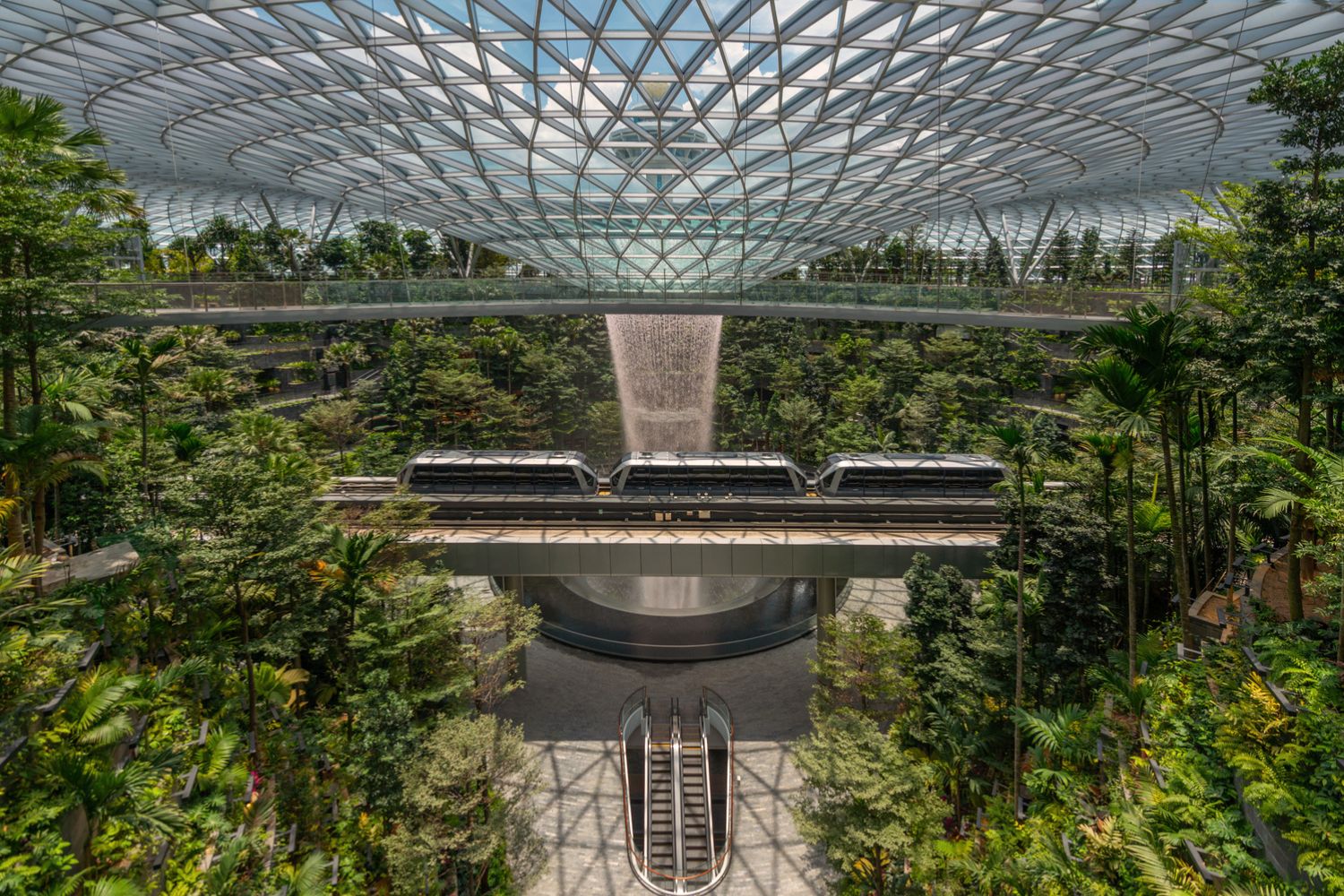
Jewel Changi Airport transforms an airport into a calming public space filled with nature, water, and light. Safdie Architects created a large indoor forest and a dramatic central waterfall that offer a refreshing break for travelers. The design brings a strong sense of wellbeing to a busy transportation hub, showing how biophilic elements can improve everyday urban experiences.
Wellness architecture shows that the spaces we live in have a direct effect on how we feel, think, and behave. When designers focus on light, air, nature, comfort, and emotional balance, buildings become more than physical structures. They turn into supportive environments that help people rest, heal, and stay motivated in daily life. This approach also reminds us that wellbeing is not a luxury. It is a basic need that should guide the way we shape our homes, workplaces, and public areas.
As the world continues to change, wellness-focused design will become even more important. Architects and planners will look for simple, human-centered solutions that reduce stress and create healthier routines. By understanding the connection between space and wellbeing, the future of architecture can offer a calmer, more balanced, and more meaningful experience for everyone.
- architecture for wellbeing
- Biophilic Design in Architecture
- healing architecture 2025
- innovative wellness building concepts
- inspiring healthy building designs
- modern wellness architecture.
- nature-inspired building designs
- sustainable wellness architecture
- wellness architecture examples
- wellness-centered interior design






Best Portable Monitors for Architects: 2026 Buying Guide
Portable monitors let architects keep a dual-screen workflow on site visits, in...
 Furkan Sen7 Mins read
Why Custom Kitchens Are Becoming a Must-Have in Modern Homes
Table of Contents Show Designed for the Reality of NYC LivingMaximizing Every...
 illustrarch Editoral Team2 Mins read
Designing Physical Brand Touchpoints for Architecture Studios
Table of Contents Show Think Beyond the LogoMatch the Object to the...
illustrarch Editoral Team5 Mins read

Getting Experienced Legal Help After an Injury: What to Know
Table of Contents Show Early Choices MatterMedical Care Comes FirstEvidence Needs OrderInsurance...
illustrarch Editoral Team3 Mins read


Leave a comment