

Artist of the Week 3: Grace Casas
Grace Casas creates vibrant retro-futuristic 3D animations that envision a joyful future world, blending recognizable brands with classical aesthetics.
 Aysegul Tozak17 February 20193 Mins read419

Table of Contents Show
Palm Trees & Pinky Skies
How will the world be after a half-century? What would it look like after all the damage human beings bring to the world. Inevitably, it is hard to have a strong degree of certainty. One can only make assumptions or predictions about it. On the other hand, you can use your imagination to create your own vision of the future.


Today I am going to present you the fantasy of the future through the art works of an amazing artist who is Grace Casas. She is an 3d animator and modeler. Maybe some of you saw her works through Instagram or design websites. if you have not, you should check her Instagram.

Grace Casas has an extraordinary and unique vision in her designs. When I first saw her works, I immediately became a huge fan of her fantasy world. Her imaginary planet is joyful and colorful (mainly based on pink and other neon colors) which gives me positive energy. Her future planet is not like today’s chaotic world.


She uses the popular items in her imaginary planet. Popular brands such as Adidas, Coke seem to be still present in her imaginary future world and greek sculptures are still a symbol of aesthetic. Both robots and humans live in collaboration with each other. Even if the future landscape turns into a desert, I will be happy to see the palm trees and pinky sky in the future.


A Retro-Futurist Visual Language
Grace Casas works within a tradition often described as retro-futurism, where imagined visions of tomorrow are filtered through the optimistic palettes and consumer iconography of the late twentieth century. Instead of the cold, dystopian look that dominates a lot of science-fiction imagery, her scenes lean into warmth. Pastel pinks, soft purples, and neon accents replace the usual grey concrete and chrome. The result feels closer to a daydream than a warning, which is part of why the work resonates so widely on social platforms.
This approach has a long lineage. Mid-century advertising, vaporwave aesthetics, and the bright tones of 1980s graphic design all feed into the same mood. By placing recognizable brands and classical sculpture inside a sun-bleached future, Casas plays with the idea that culture rarely disappears completely. Instead it mutates and persists, showing up in unexpected forms even after the landscape around it has transformed.
Tools Behind 3D Animation and Modeling
Artists who build imaginary worlds like these usually rely on a small stack of specialized software. Modeling and animation often happen in programs such as Cinema 4D, Blender, or Maya, where forms are sculpted, rigged, and set in motion. Surfacing and lighting are then refined with render engines like Octane, Redshift, or Arnold, which handle the glossy reflections and atmospheric glow that give the work its dreamlike quality. Final color grading is frequently polished in After Effects or Photoshop.
For anyone curious about getting started, Blender is a strong entry point because it is free and supported by a large community of tutorials. Learning the basics of modeling, materials, and lighting first will make the leap into stylized scenes far less intimidating.
Why Imagined Futures Matter to Designers
Speculative imagery is more than entertainment. Architects, urban planners, and product designers regularly use visual storytelling to test ideas about how people might live decades from now. A hopeful image of a desert dotted with palm trees and soft skies can prompt useful questions about adaptation, climate, and resilience without resorting to fear. In that sense, an artist’s personal fantasy can quietly influence how professionals frame real conversations about the built environment.
Takeaways from Casas’s Work
The lasting lesson here is that mood and color carry meaning. A consistent palette can become a signature that audiences recognize instantly, and an optimistic tone can set an artist apart in a crowded feed. For emerging creators, the message is simple. Commit to a clear point of view, build a recognizable visual world around it, and share the work where the right audience already gathers. Following artists such as Grace Casas is a reminder that imagination remains one of the most powerful tools any designer has.




Vitra Museum Stages First Major Geoffrey Bawa Retrospective in Decades
Vitra Design Museum opens the first major Geoffrey Bawa retrospective in 20...
 illustrarch Editoral Team2 Mins read
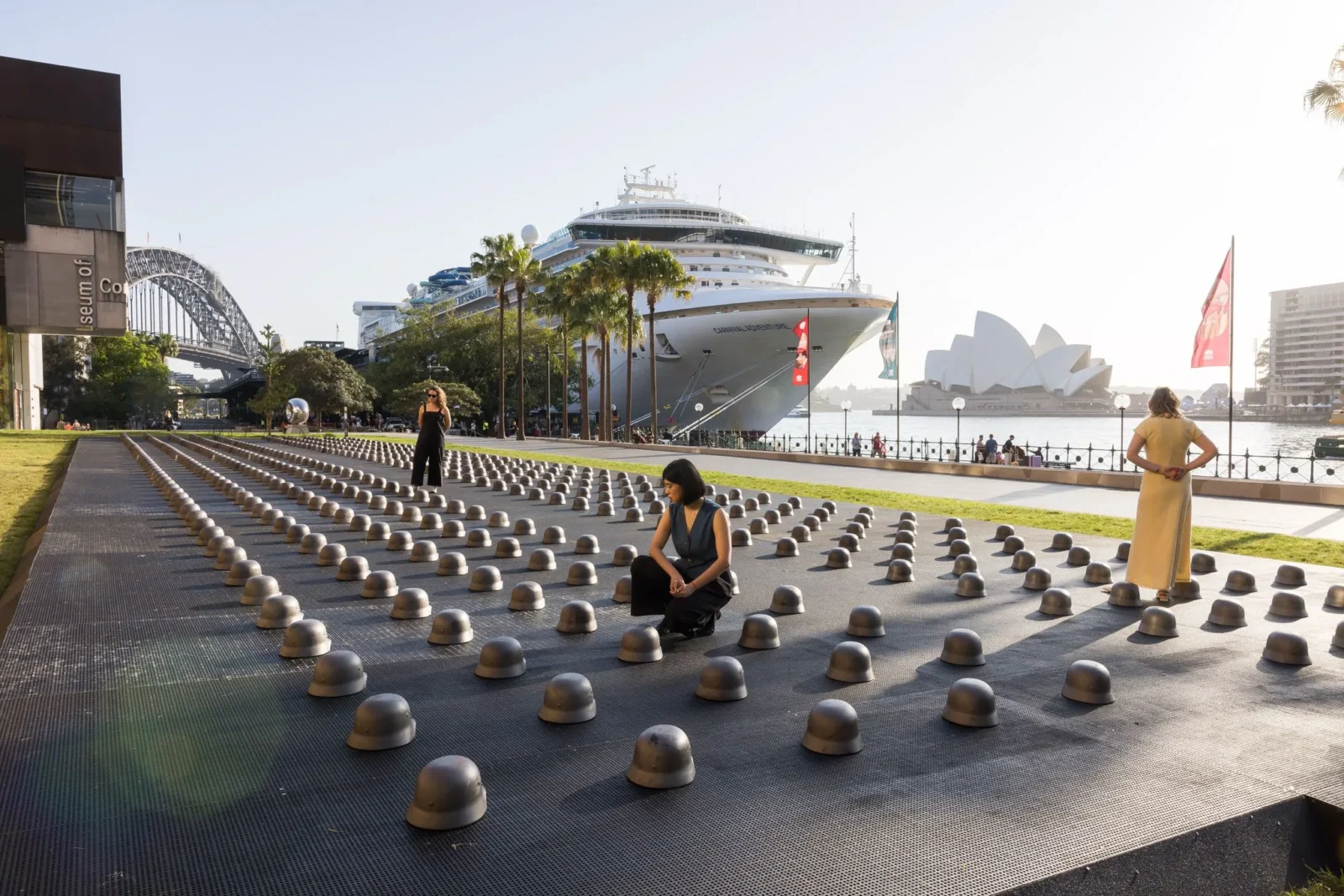
Ai Weiwei Installs 500 Cast-Iron Helmets Outside Sydney Museum
Ai Weiwei's 500 cast-iron helmets opened outside Sydney's MCA on 25 September,...
illustrarch Editoral Team2 Mins read
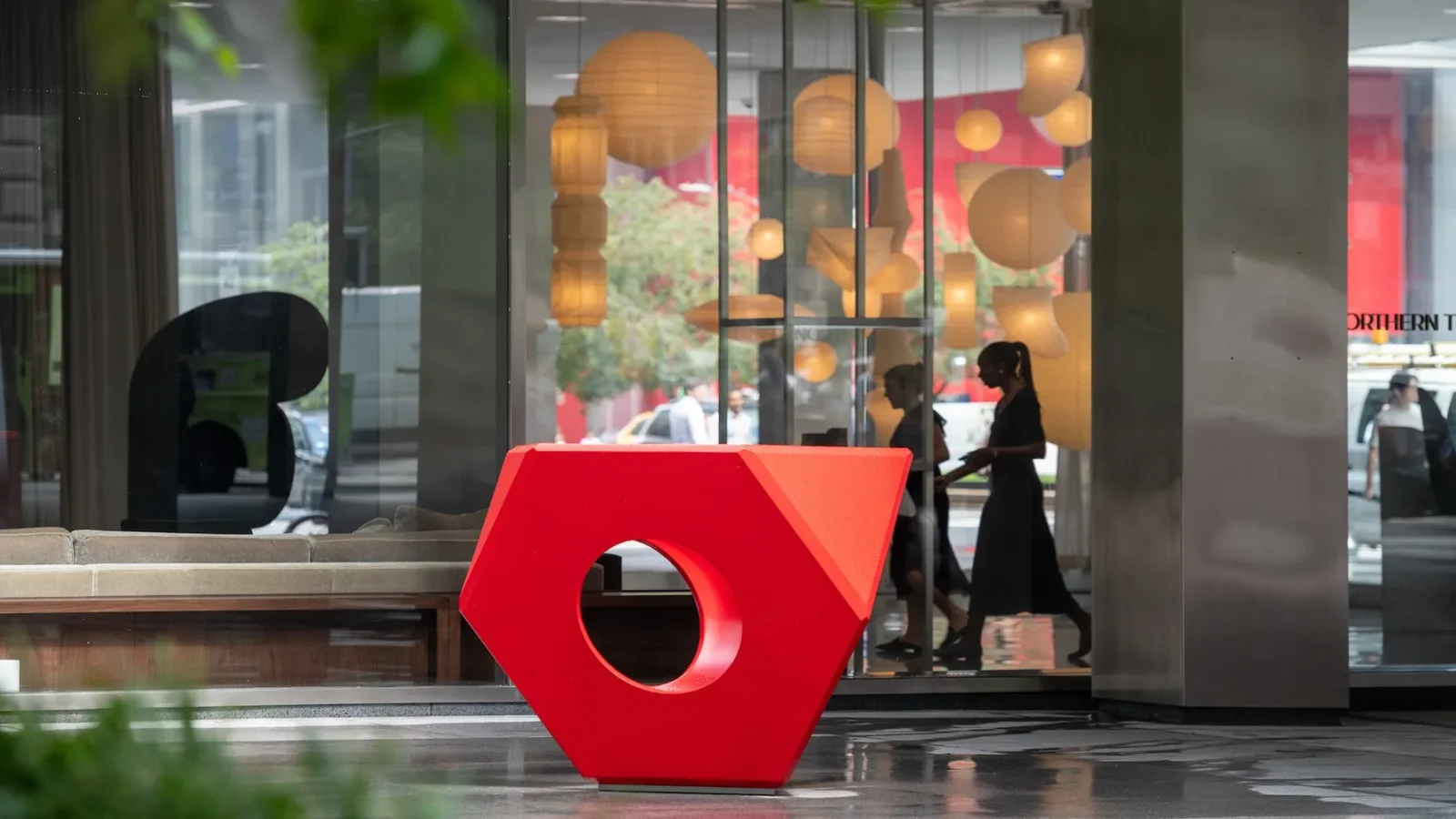
Isamu Noguchi at Lever House Traces Sculptor’s Decades-Long Collaboration with Bunshaft
Lever House's new exhibition pairs Noguchi sculptures with unbuilt garden designs made...
illustrarch Editoral Team2 Mins read
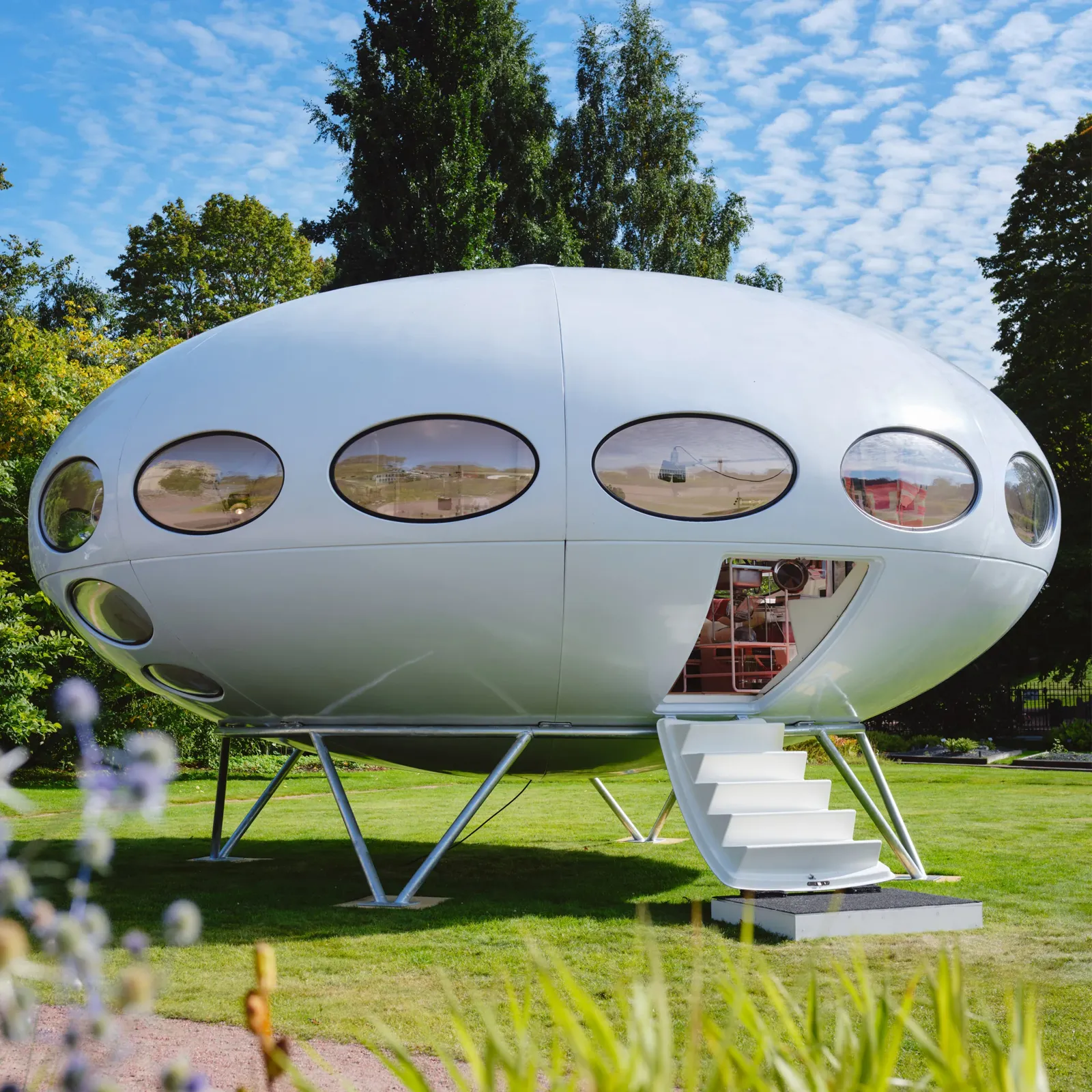
Futuro House Production Revived in Finland After Decades-Long Hiatus
A Facebook listing for abandoned moulds led to the first new Futuro...
illustrarch Editoral Team3 Mins read


Leave a comment