

Skenderija – Municipal Library for Sarajevo
 illustrarch Editoral Team27 August 20192 Mins read401


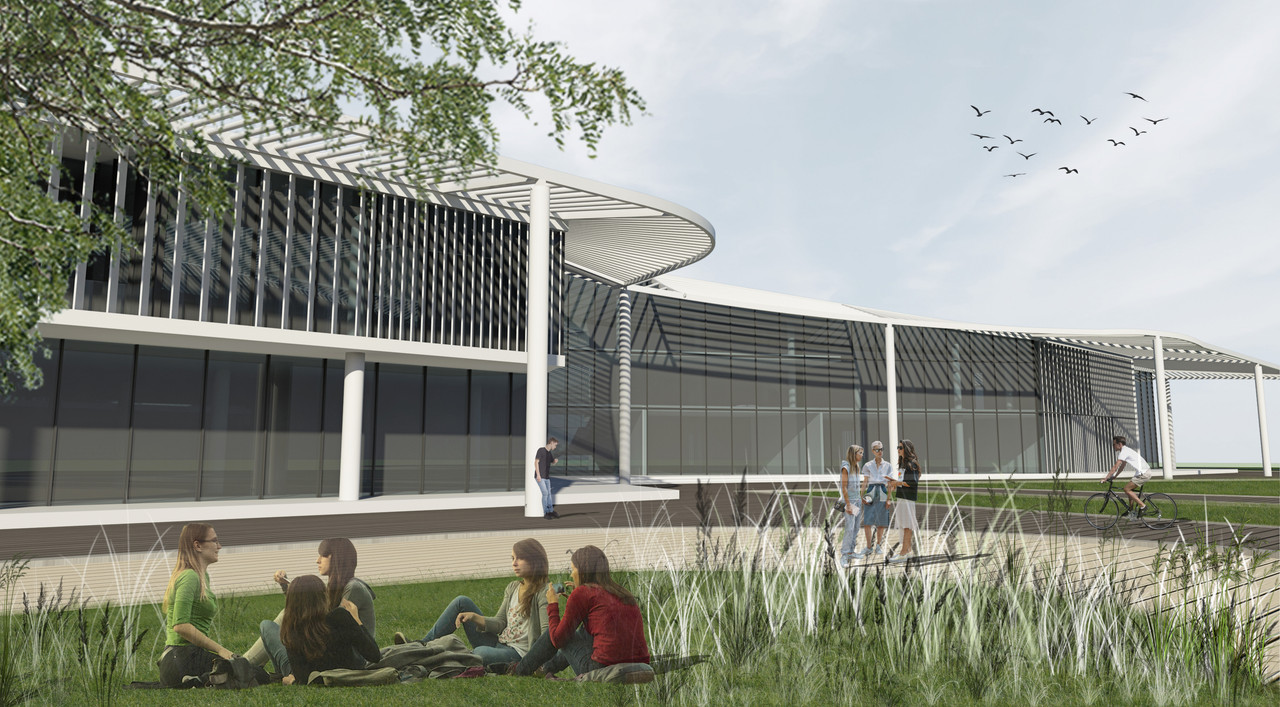
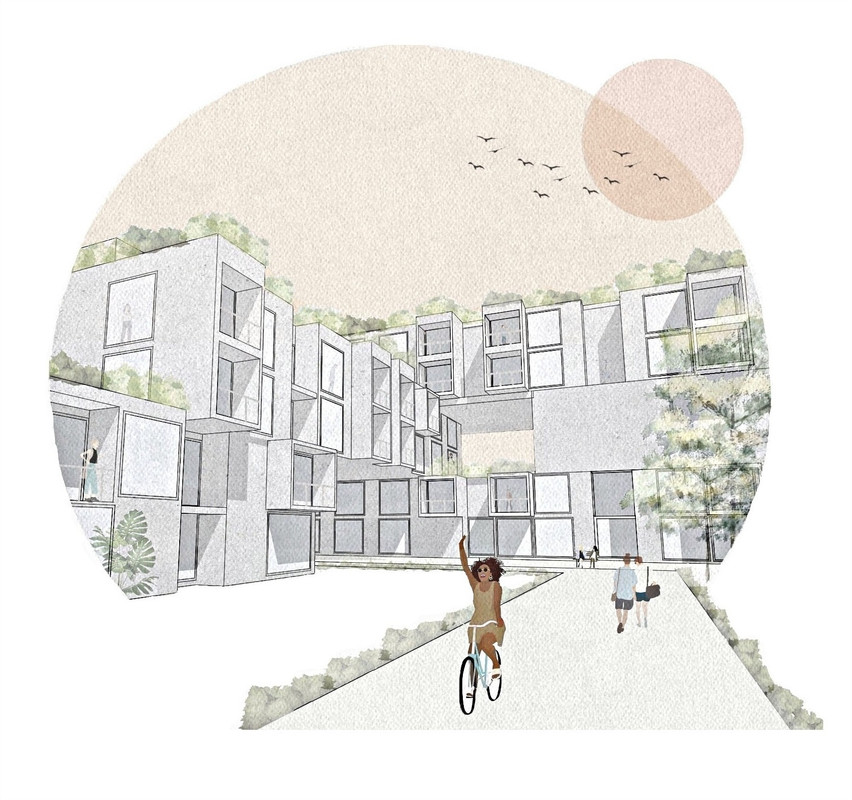
A new municipal library and media library for the Skenderija district aims to give Sarajevo a public knowledge institution that the city does not yet have in this form. Designed by Alina Boss and Anton Kussina, the project sits on the edge of the historic old town and treats the library as a missing piece in a cultural quarter that already draws crowds but lacks a dedicated home for reading, study, and shared learning.
Sarajevo still carries the consequences of the dissolution of the Socialist Federal Republic of Yugoslavia. Many public institutions and pieces of infrastructure were closed after the Civil War in 1996, and some continue to operate only in improvised form. Skenderija itself is a municipality on the edge of the historic old town, a site with deep commercial roots as a trading place founded in 1499. For the 1984 Olympic Winter Games, a sports and transmission center was built here, and it remains popular to this day. The new library is conceived as a supplement to that existing development, upgrading the cultural center rather than replacing it.
Why a Library Type Suits This Site
A public library is one of the more demanding civic building types because it has to hold quiet and activity in the same volume. Reading rooms ask for daylight, acoustic calm, and clear sightlines, while a media library invites movement, conversation, and shared screens. Good library design usually separates these zones in section and plan, letting visitors drift from loud entry spaces toward progressively quieter study areas. Placing such a building beside an active sports and event venue also lets the two programs borrow energy from each other, so the library benefits from the foot traffic the Olympic center already generates.
Working at the seam of a historic old town brings its own discipline. The scale of new construction has to answer the grain of nearby streets and the memory of a trading place that has shaped this ground since the late fifteenth century. Adding a contemporary cultural function to a site like Skenderija is a way of keeping the district useful to residents rather than freezing it as a monument. As a piece of civic repair in a city that is still rebuilding its public realm, this proposal reads less like an isolated object and more like a quiet argument for everyday access to culture.
For broader context on the building type and place, see public library, Sarajevo, and the Skenderija complex.




Gabrielle-Roy Library by Saucier + Perrotte architects & GLCRM architectes
The Gabrielle-Roy Library extension by Saucier + Perrotte and GLCRM reimagines the...
 Begum Gumusel4 Mins read
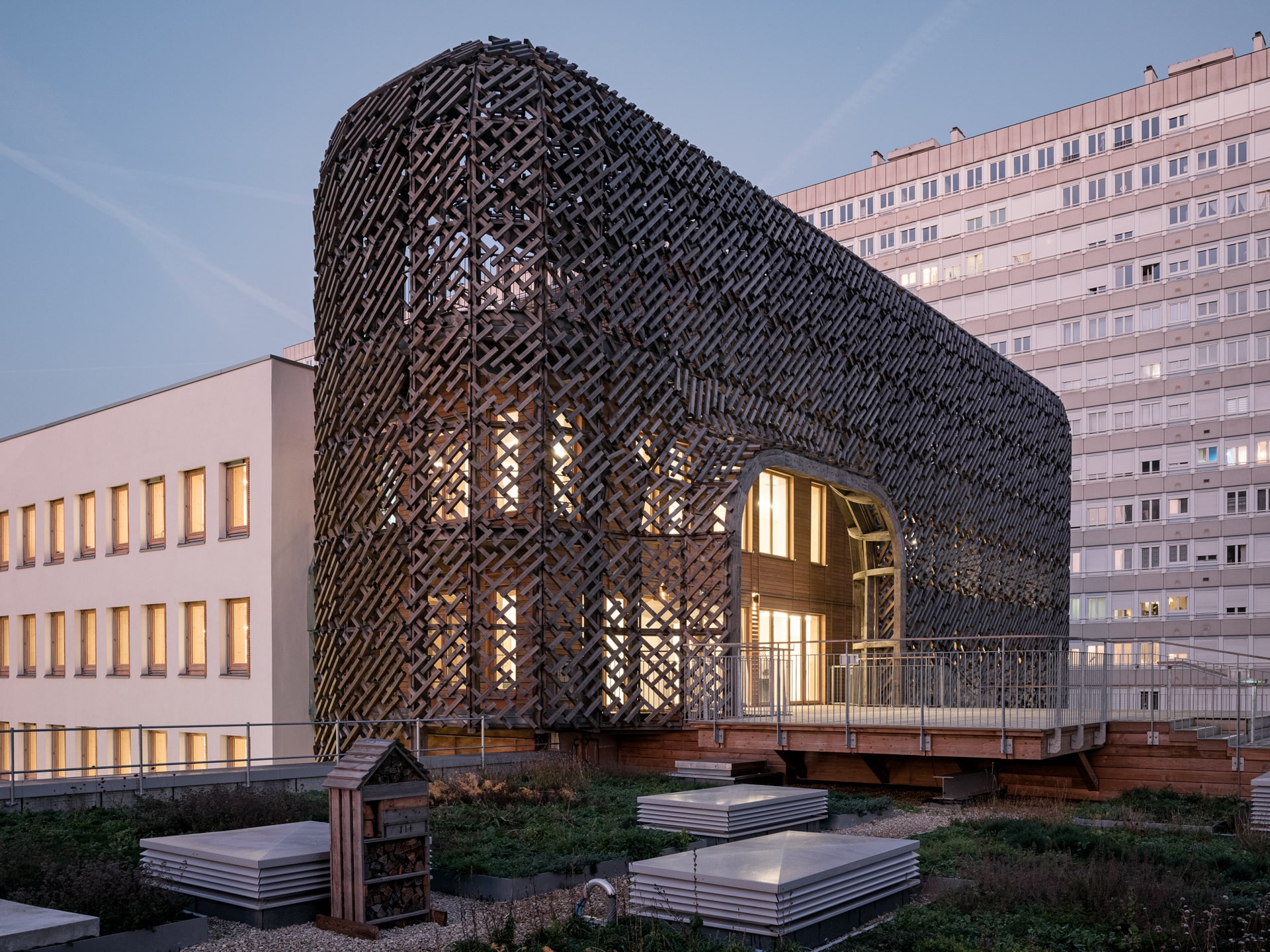
James Baldwin Media Library and Refugee House by associer
In Paris’s 19th arrondissement, Atelier Associer has reimagined a 1970s secondary school...
 Elif Ayse Sen3 Mins read

Library Design for Creating Community Spaces That Thrive
Explore how people-first library design turns libraries into civic living rooms. Learn...
 Sinan Ozen4 Mins read

SMVIT Library by Cadence Architects
SMVIT Library by Cadence Architects in India creates a porous, student-centered hub,...
Begum Gumusel3 Mins read




Leave a comment