

Final Countdown: Transformation of a City Block
 illustrarch Editoral Team3 December 20212 Mins read345
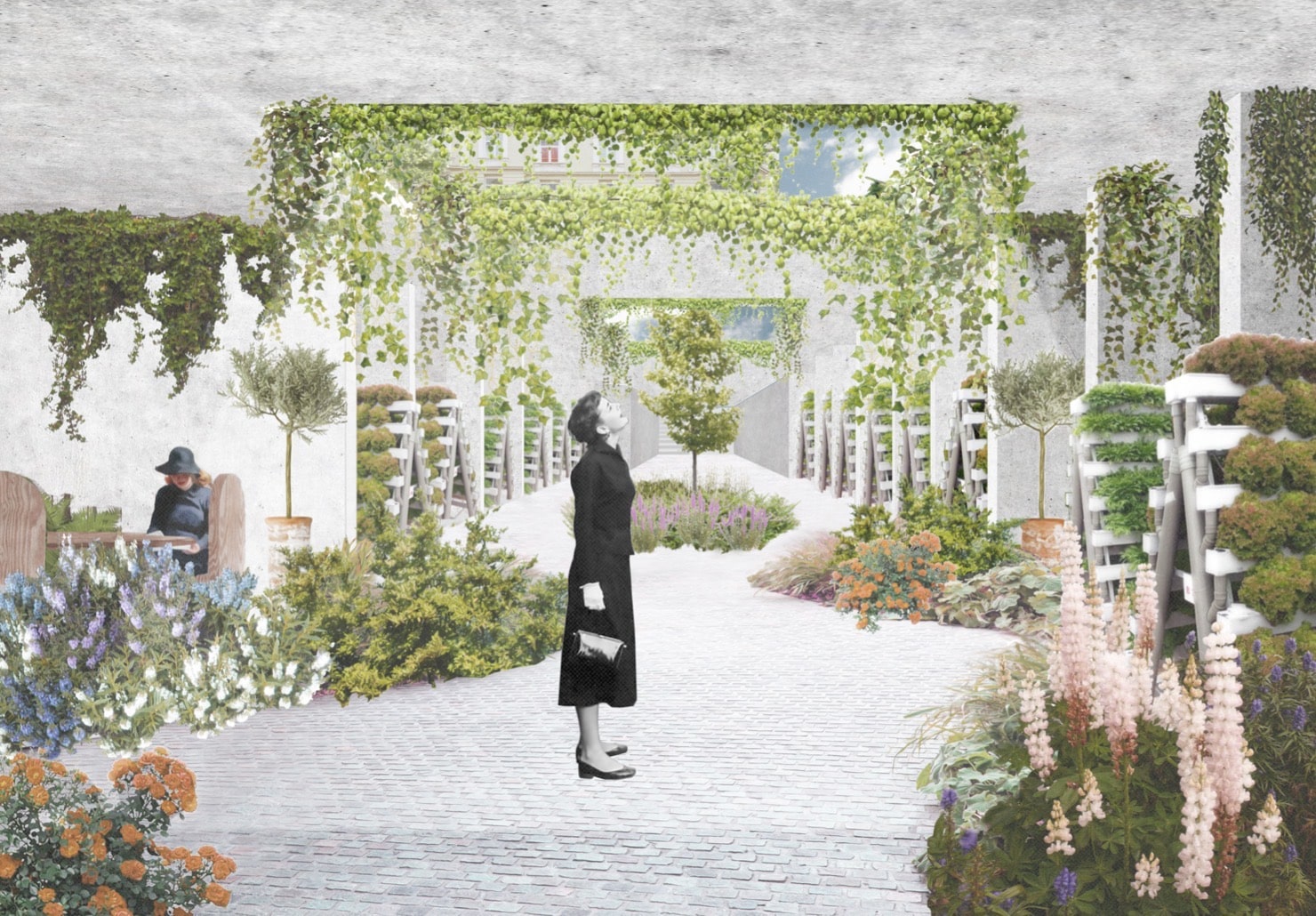


Final Countdown reimagines a single Munich city block as a working answer to the climate crisis, asking how a cooperative project can transform the way people live together during and after what the designers call the “Great Transformation.” Developed by Malak ElGarawany and Mohamed Ghoneim, the project takes as its site the block bounded by Tuerken-, Schelling-, Amalien- and Theresien street in Maxvorstadt, Munich, Germany. With the thermal power station facing a foreseeable shutdown, the block holds untapped internal development potential, yet like the rest of Maxvorstadt it sits inside an ongoing gentrification process that the proposal must confront head on.
The central idea is that architecture is not a passive backdrop to the climate emergency but an active instrument of change. Science gives roughly ten years to keep the crisis from escalating, and the design treats that window as a brief. Rather than demolishing and rebuilding, the project looks downward, into the basements and underground car parks where space is poorly exploited. On plot 10 at Tuerkenstrasse 58 and 60, a former underground car park and commercial floor becomes a vertical farming area, a public passage, and a shared lounge, knitting cultivation directly into everyday neighborhood life.
Vertical Farming as Urban Infrastructure
Vertical farming sits at the heart of the concept as a route to a more self-sufficient and resilient future. As agriculture comes under strain and more people move from the countryside into cities, fertile land alone can no longer meet demand, a pressure intensified by demographic change. Growing food inside the block shortens supply chains, supports the community, and turns dead storage into a guaranteed local source of nutrition. Because the approach relies on existing basement volumes, the designers argue it could be repeated in almost any building. The broader practice of vertical farming has drawn growing attention for exactly this reason: it decouples food production from arable land and seasonal limits.
Adaptive reuse of this kind reflects a wider shift in how architects respond to climate goals, favoring transformation of what already exists over carbon-heavy new construction. Embedding shared space, circulation, and food production within one block also speaks to the appeal of the compact, mixed-use neighborhood model that shapes much of Munich. By treating the cooperative as both a social and ecological structure, Final Countdown sketches a version of urban life where sustainability is built into the everyday rather than added on afterward. It offers a hopeful test of what a single block can become when residents decide to change course together.


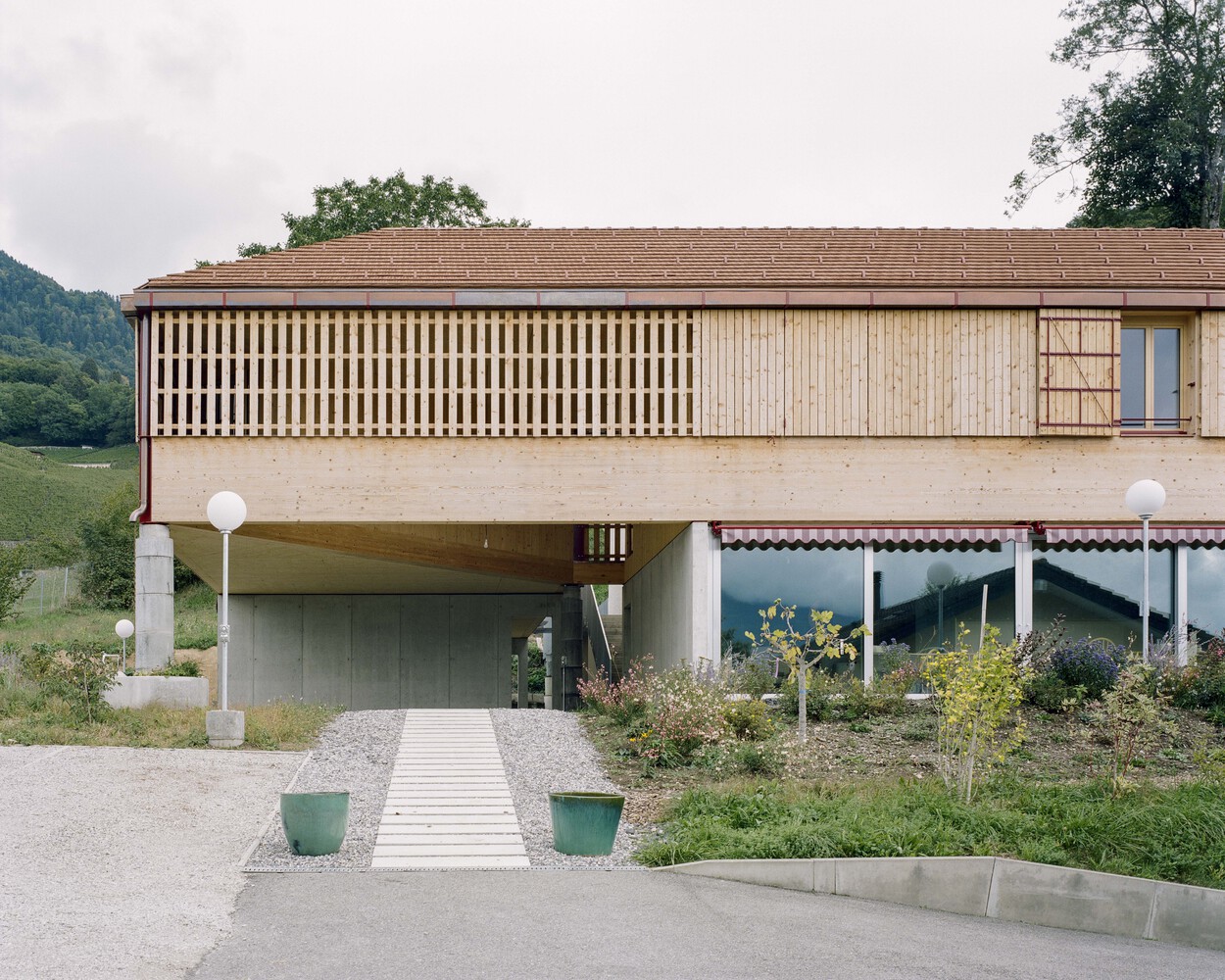
Community Housing in Villy by Madeleine architectes & Studio Francois Nantermod
A cooperative housing project in Villy transforms a grandfather’s home into the...
 Begum Gumusel3 Mins read
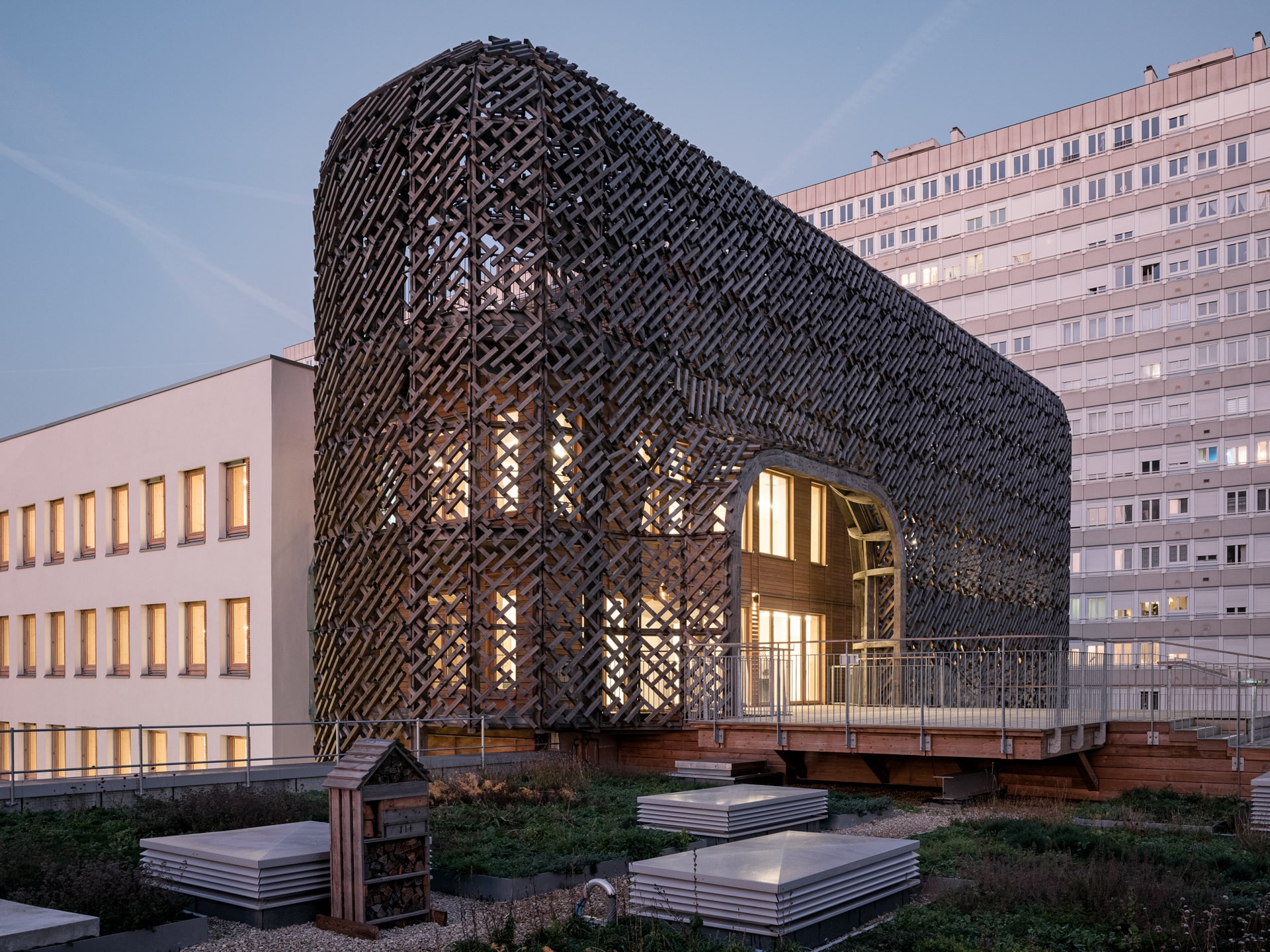
James Baldwin Media Library and Refugee House by associer
In Paris’s 19th arrondissement, Atelier Associer has reimagined a 1970s secondary school...
 Elif Ayse Sen3 Mins read
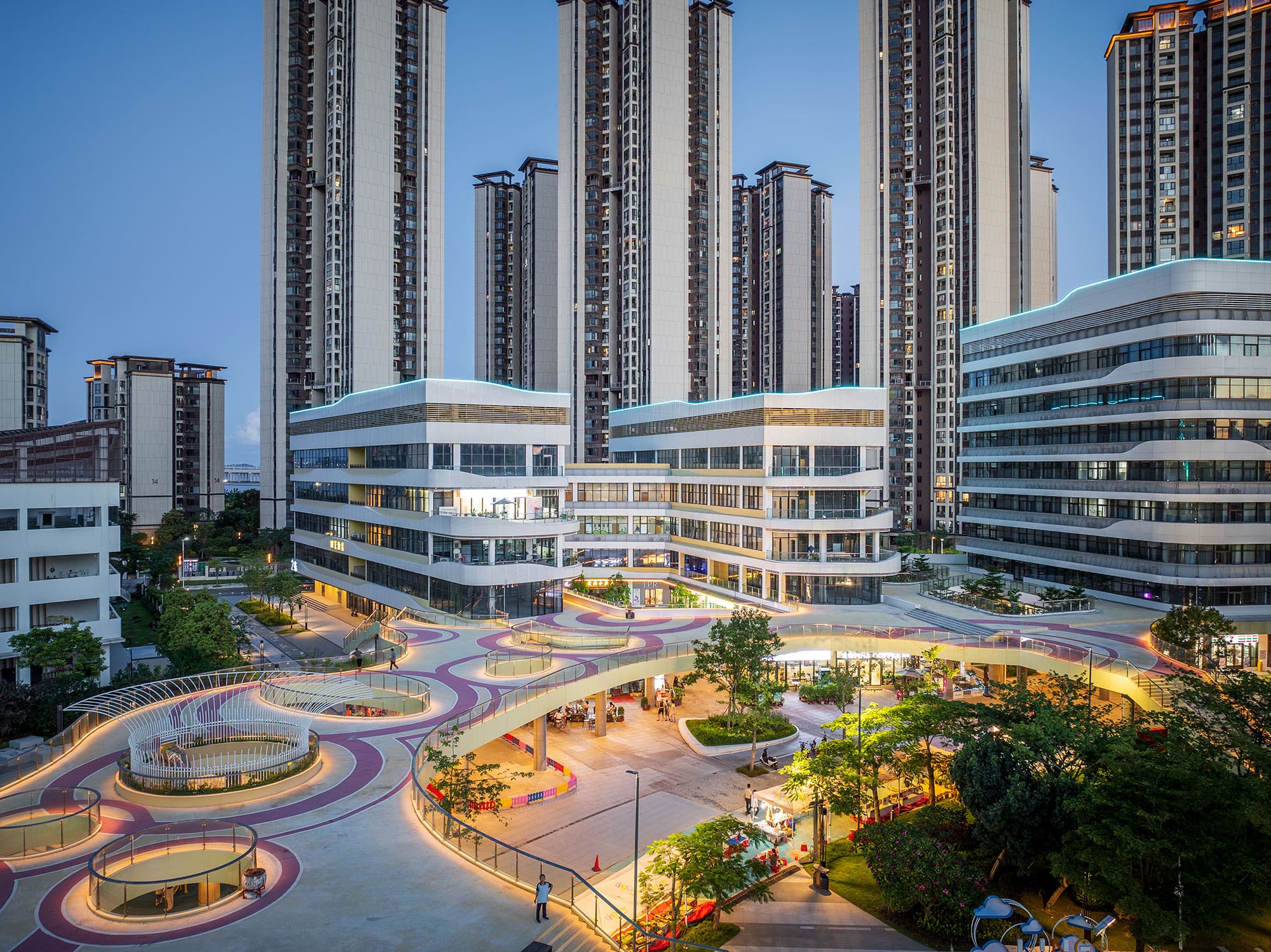
KING ONE Community Center by E Plus Design
In Zhuhai, E+UV has turned four disconnected, underused buildings into the lively...
Elif Ayse Sen4 Mins read
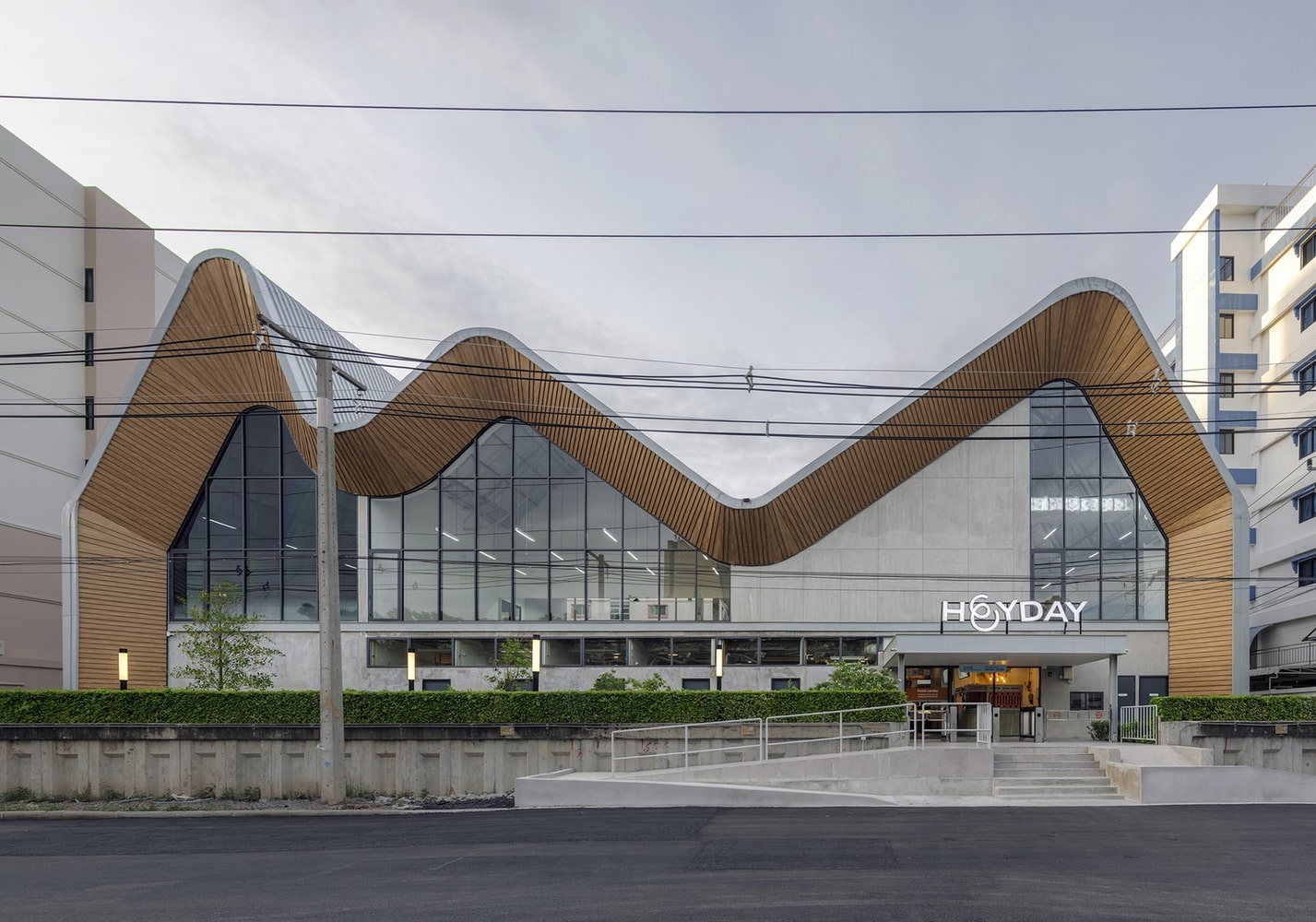
HEYDAY Community Hub by ASWA
HEYDAY Community Hub by ASWA redefines university architecture in Bangkok through playful...
Begum Gumusel3 Mins read


Leave a comment