

World Capital of Architecture 2029: Why UNESCO and the UIA Chose Beijing
UNESCO named Beijing the fourth World Capital of Architecture on 5 August 2026. A look at how the title is actually decided, why Beijing was chosen, what the Back to Balance theme signals and how architects can take part before 2029.
 Elif Ayse Sen15 August 20269 Mins read34
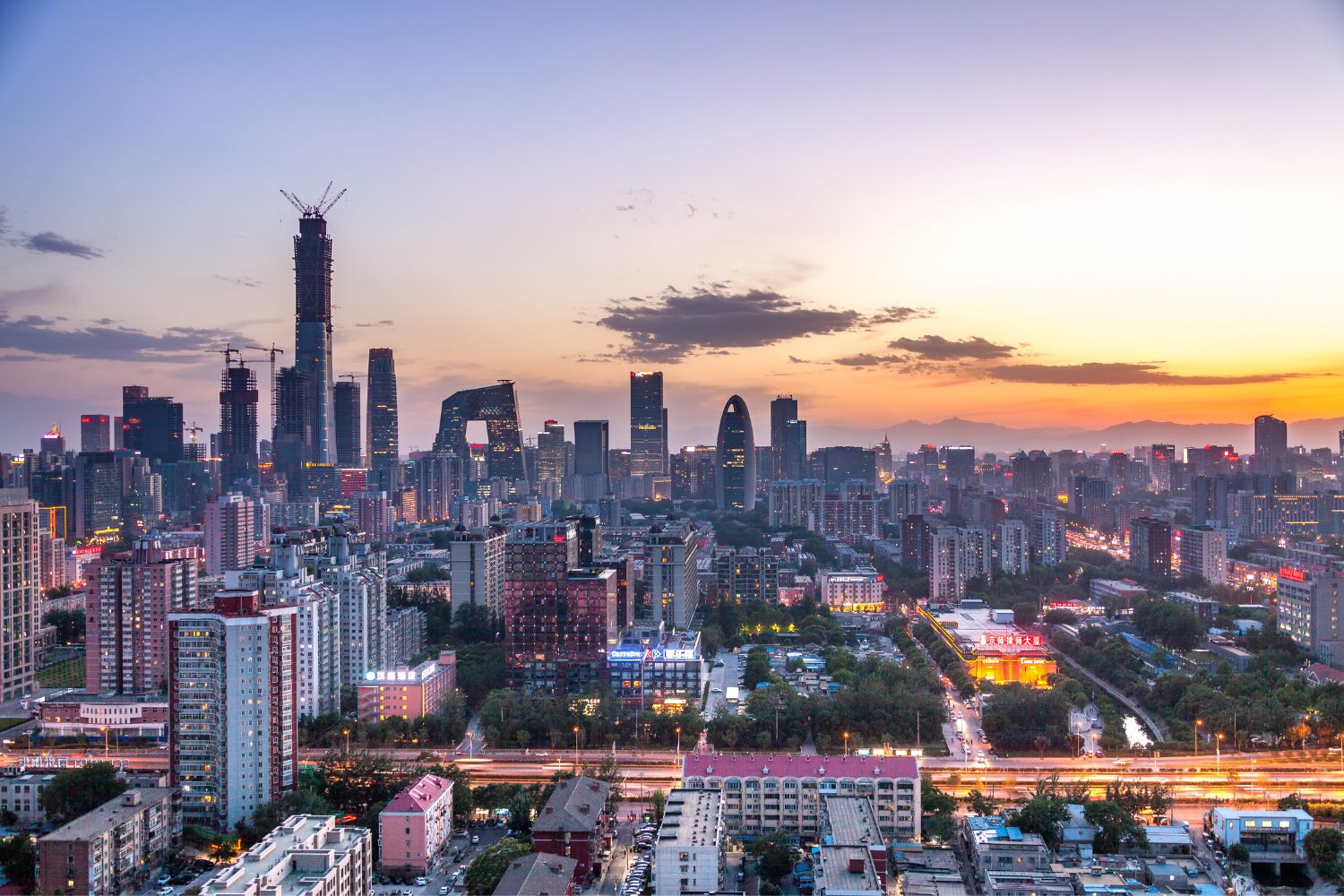
Table of Contents Show
World Capital of Architecture 2029 is the title UNESCO gave Beijing on 5 August 2026, on the recommendation of the Joint UNESCO-UIA Committee chaired by Dominique Perrault. The designation goes every three years to the host city of the UIA World Congress of Architects, and Beijing is the fourth city to receive it.
The announcement landed five weeks after the Barcelona congress closed and the UIA flag was handed to a Beijing delegation on stage. For most readers the interesting part is not the ceremony. It is the mechanism behind the title, which almost nobody outside the profession understands, and which explains why a city that is already saturated with famous buildings still had to bid for it like any other host.
What Is the UNESCO-UIA World Capital of Architecture?

The UNESCO-UIA World Capital of Architecture is a one-year designation given to the city hosting the UIA World Congress of Architects. It is not an award for the best architecture. It is a platform: the designated city takes on a twelve-month programme of exhibitions, conferences, educational activities and public events built around architecture, urban planning and heritage.
The idea started inside the profession. In 2017 the International Union of Architects adopted a resolution asking UNESCO to attach its name to the practice of naming the next congress host as a world capital of architecture. UNESCO’s Assistant Director-General for Culture, Ernesto Ottone R., and then UIA President Thomas Vonier signed the memorandum of understanding in Paris on 23 November 2018. That document carried a ten-year plan of action covering 2017 to 2027 and named the 2020, 2023 and 2026 designations in advance, according to the UIA’s own background page on the programme. Cooperation between the two bodies goes back much further, to 1956.
How a City Actually Gets the Title
This is the part that gets lost in the coverage. Cities do not apply to UNESCO for the title. They apply to the UIA to host the World Congress and General Assembly. A Joint UNESCO-UIA Committee shortlists a maximum of three candidates, the UIA General Assembly votes for one of them as congress host, and only then does the Director-General of UNESCO formally announce that city as World Capital of Architecture.
Beijing won that vote in Copenhagen on 9 July 2023, when UIA President José Luis Cortés announced the Chinese capital as host of the 30th World Congress. The UNESCO designation followed three years later. So the decision that produced the 2029 title was taken by an assembly of national architecture bodies, and the criteria that mattered were the strength of the bid, the host section’s capacity and the programme proposed, not a ranking of skylines.
The obligation attached to the title is real. The designated city must submit a programme of activities for its year, and that programme has to be approved by the Joint Committee, which checks that it answers the reasons the city was designated in the first place. The programme is also expected to reach local communities and younger generations rather than staying inside the professional bubble.
Why Beijing Was Selected for 2029

UNESCO’s stated reason is short and worth reading closely. According to the UNESCO announcement of 5 August 2026, Beijing was chosen for its ability to hold together one of the world’s richest architectural heritages and a forward-looking view of sustainable urban development, with its historic urban fabric, its regeneration projects and its architectural culture cited as evidence. Director-General Khaled El-Enany framed the designation around heritage safeguarding and international dialogue rather than around any single building.
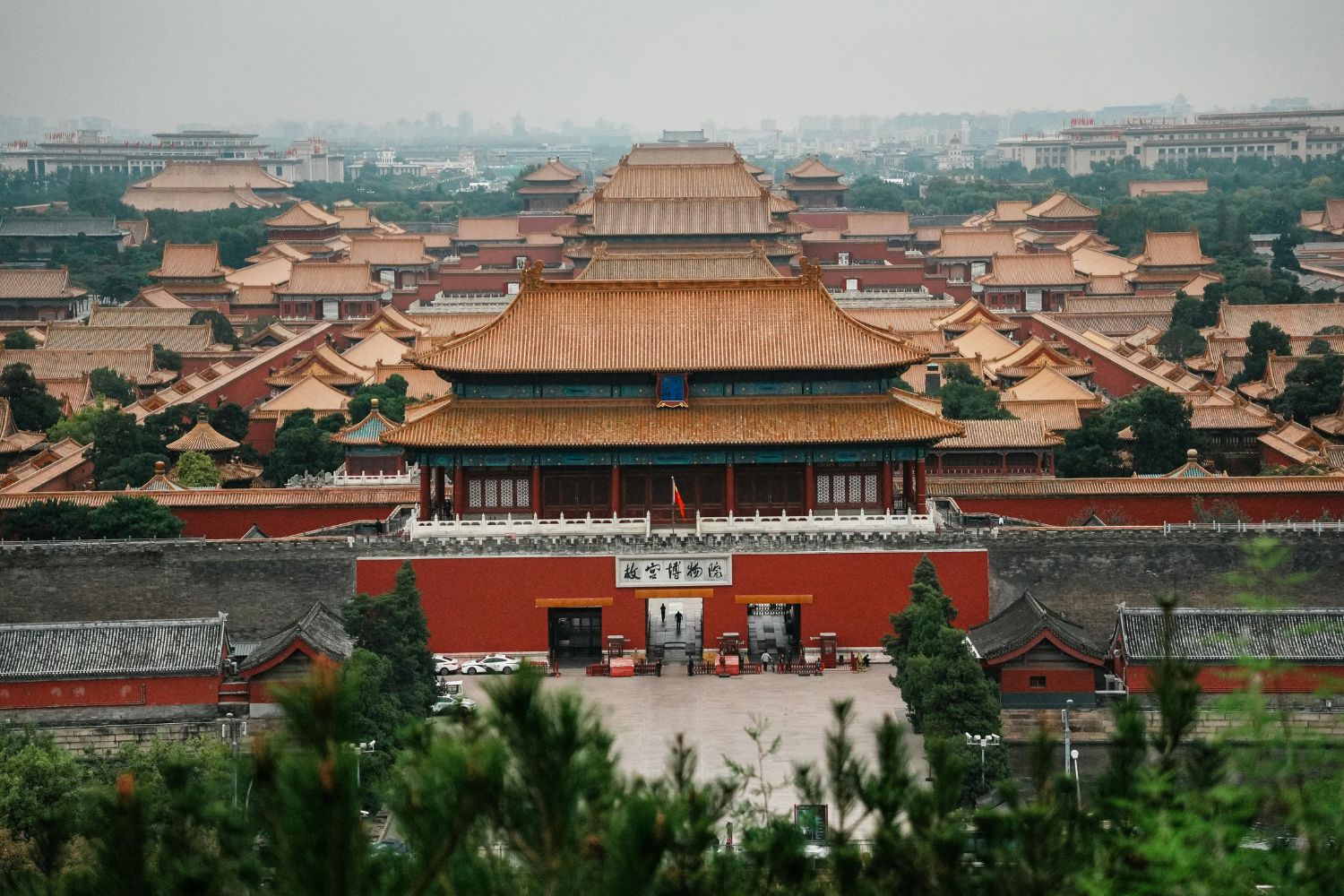
The heritage half of that case got much stronger in 2024. The Beijing Central Axis was inscribed on the World Heritage List on 27 July 2024 at the 46th session of the World Heritage Committee in New Delhi, becoming China’s 59th World Heritage property. The UNESCO World Heritage listing for the Beijing Central Axis covers a 589-hectare property with a 4,542-hectare buffer zone, inscribed under criteria (iii) and (iv). The axis runs 7.8 kilometres north to south through the old city and takes in 15 component sites, from the Bell and Drum Towers down to Yongdingmen Gate, with the Forbidden City sitting at its centre. That is the planning logic of Chinese imperial architecture recognised as a single continuous urban artefact rather than as a collection of separate monuments.
The regeneration half is the part international readers know least. Beijing’s hutong districts have been the testing ground for one of the longest-running arguments in conservation practice: whether a dense historic neighbourhood can be upgraded without emptying it. Some of the answers came out of the city decades before the title arrived.
🏗️ Real-World Example
Ju’er Hutong Courtyard Housing (Beijing, 1987 to 1994): Led by Wu Liangyong of Tsinghua University, this project rebuilt a decayed courtyard block near Nanluogu Xiang instead of clearing it, keeping the hutong grain while adding kitchens, bathrooms and drainage that the original houses never had. Phase one finished in 1990 and phase two in 1994, and the scheme took the World Habitat Award in 1992, as recorded by World Habitat. Phases three and four were never built, which is the honest part of the story: the model worked architecturally and stalled on land economics.
That tension has not gone away. It is the same question every city faces when the value of an existing building is weighed against what the site could hold instead, and it sits underneath the adaptive reuse versus new construction decision in any market. Recent Beijing work such as ARCHSTUDIO’s conversion of a single-storey factory into the Songmont brand space in Chaoyang District shows the smaller-scale version of the same instinct: keep the structure, change the reading.
Back to Balance: The Theme Behind Beijing 2029

Beijing will run its year under the theme “Back to Balance,” presenting architecture as a link between culture, nature and people. Compared with recent themes the phrasing is deliberately calm. Copenhagen ran “Sustainable Futures. Leave No One Behind” in 2023, and Barcelona took “Becoming: Architectures for a Planet in Transition” in 2026. Beijing’s version reads less like an emergency and more like a correction, which fits a city that spent three decades building at speed and is now spending its budget on repair, renewal and the management of what already exists.
Expect the programme to circle three subjects: heritage conservation under real development pressure, low-carbon and green building practice, and urban renewal. Those were the areas the Beijing organising committee named when it took the congress flag in Barcelona on 2 July 2026, according to the Beijing municipal government’s own account of the handover.
💡 Pro Tip
If you plan to submit to a UIA congress, work backwards from the call for papers rather than the congress dates. In Copenhagen the Science Track call went out more than a year ahead of the July 2023 event, and the six panel topics were fixed before most practices had heard of them. Watch the UIA work programmes and the host section’s site from 2027 onward, because the abstract deadline usually closes long before the registration page is designed.
Beijing’s Second Congress and the 1999 Charter
Beijing has done this before. The 20th UIA World Congress was held there in June 1999 under the theme “Architecture of the 21st Century,” and it produced the Beijing Charter, drafted by Wu Liangyong, who chaired the scientific committee. The charter argued for a broad view of architecture rooted in the study of human settlements rather than in the design of individual objects, and it was published in five languages. Kenneth Frampton delivered his “Seven Points for the Millennium” at the same congress, and both texts were reprinted in The Journal of Architecture in 2000.
🎓 Expert Insight
“A better human settlement and a better human society should be created together.”, Wu Liangyong, architect and planner, on the UIA Beijing Charter
Wu made the remark in an interview published by the UIA. Read against the 2029 theme, the line explains the continuity: the 1999 charter already treated settlement quality and social progress as one problem, which is close to what “Back to Balance” is proposing thirty years later.
One more piece of the 2029 story was decided in Barcelona. At the General Assembly on 4 July 2026, Zhang Li, Dean of the School of Architecture at Tsinghua University, was elected UIA President for the 2026 to 2029 term, the first Chinese architect to hold the post. That means the triennium leading up to the Beijing congress will be run by a president based in the host city’s leading architecture school, which is unusual and worth watching for anyone tracking how the programme takes shape.
The Four World Capitals of Architecture Compared
Four cities have held the title since the programme began. The table below sets them side by side with the congress each one hosted.
| City | Year | UIA Congress | Congress theme | Note |
|---|---|---|---|---|
| Rio de Janeiro | 2020 | 27th, postponed to July 2021 | All the worlds. Just one world. | First designation, January 2020; congress moved online |
| Copenhagen | 2023 | 28th, 2 to 6 July 2023 | Sustainable Futures. Leave No One Behind. | Named in July 2021; year themed Copenhagen in Common |
| Barcelona | 2026 | 29th, 28 June to 2 July 2026 | Becoming: Architectures for a Planet in Transition | First city to host the congress twice, after 1996 |
| Beijing | 2029 | 30th, dates to be confirmed | Back to Balance | Host chosen in Copenhagen, July 2023; city also hosted the 20th congress in 1999 |
Programme details and congress dates for 2029 are provisional until the Beijing organising committee publishes its schedule.
Prague is next in the sequence. It was elected at the Barcelona General Assembly to host the congress and General Assembly in 2032, which under the same mechanism puts it in line for the designation.
Is Beijing the Architecture Capital of the World?
No, and the question rests on a misunderstanding. The title is a rotating one-year platform tied to a congress, not a verdict on which city has the best buildings. Search interest in phrases such as architecture capital of the world or architectural capitals of the world usually expects a ranking, and none exists. What exists is a sequence: one city at a time, chosen by architects for three years of preparation, then handed on.
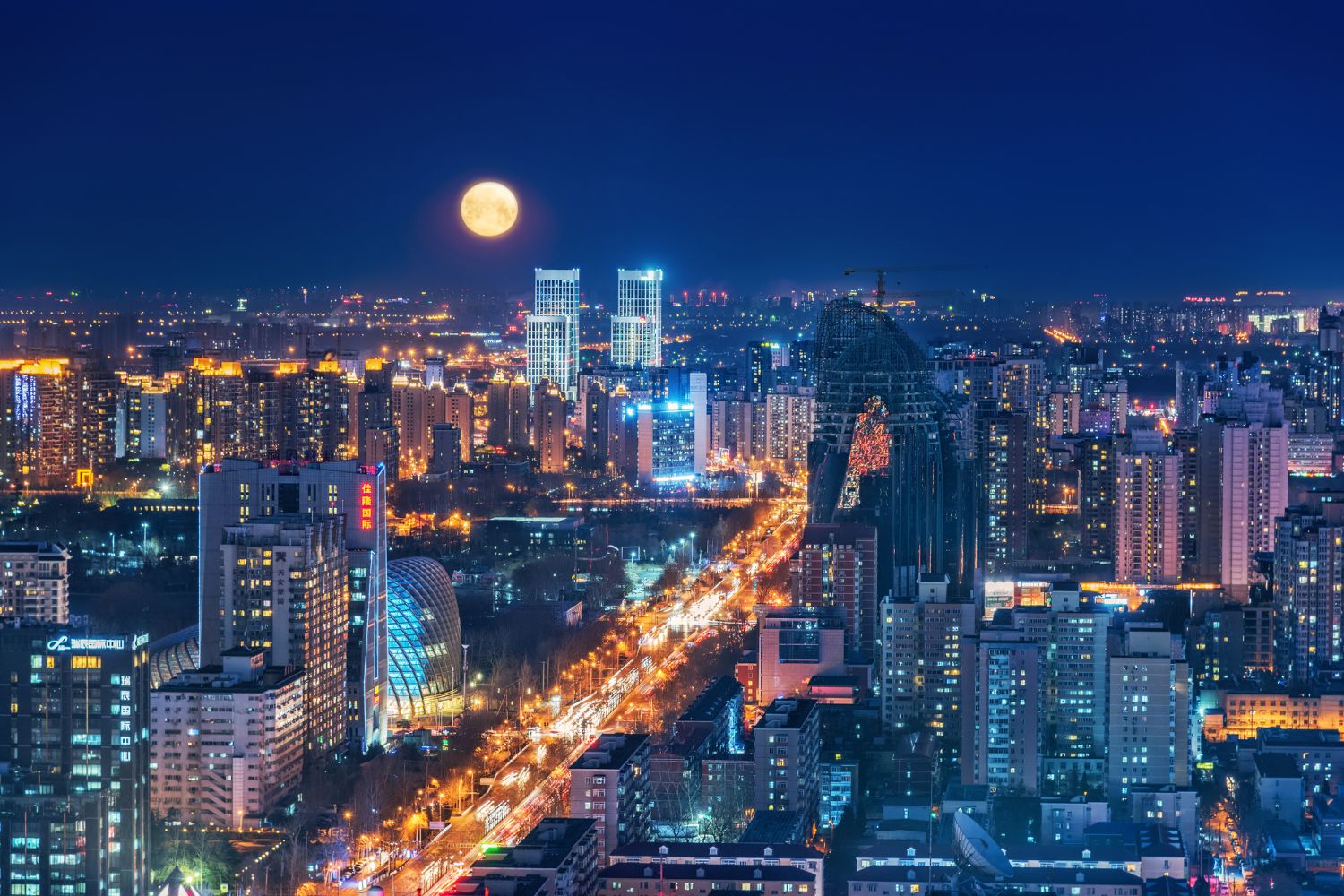
That said, the choice is not random either. The committee shortlists cities whose record matches what UNESCO and the UIA argue for, which is why the announcement leaned on regeneration projects and heritage management rather than on the contemporary landmarks. Beijing architecture is globally legible through Rem Koolhaas and OMA’s CCTV Headquarters, through Zaha Hadid Architects’ Galaxy SOHO and Wangjing SOHO, and through the 2008 Olympic venues. Those buildings made the city’s reputation abroad, and none of them are the reason UNESCO gave for the designation.
It is a useful correction for anyone writing about the programme. The CCTV loop is the image that comes to mind, and it belongs to a specific moment of deconstructivist experiment that the profession has largely moved past. The 2029 programme is pointed somewhere else: at what happens to the old city, at what gets reused rather than replaced, and at whether a capital of 22 million people can rebalance density, heritage and public space in one plan.
What This Means for Architects Before 2029
Three years is enough time to plan around, and there are concrete ways to engage rather than just read the news.
- Competitions and awards. The UIA runs international competitions and awards through its dedicated commission, and activity typically increases in the run-up to a congress year.
- Work programmes. The UIA maintains thirteen thematic work programmes, from Heritage and Cultural Identity to Public Spaces and Informal Settlements. They accept participation between congresses, and their outputs feed the congress agenda.
- Student and young architect tracks. Barcelona ran an international workshop for students and young architects in the week before the congress, and a public exhibition that stayed open for four weeks afterwards. Expect a comparable structure in Beijing.
- Research submissions. The scientific or science track is the route for practices with a case study or a body of research, and it opens earliest.
For studios working on heritage-adjacent projects, the theme itself is a hint about what the 2029 call will reward. Reuse arguments framed around embodied carbon, community retention and long service life will read better than pure form. If your office has a project in that territory, the material you would need for a submission overlaps almost entirely with the material you would need for a good adaptive reuse case study, so the work is not wasted either way.
It is also worth reading the designation as a signal about where the profession’s centre of attention is drifting. Rio, Copenhagen, Barcelona and now Beijing is a sequence with only one Asian city in it so far, and Asia holds the majority of the world’s urban population growth. The imperial palaces that anchor Asian architectural identity are already on every heritage list. The harder question is what the continent’s next thirty years of building look like, and the 2029 congress is where that conversation gets a stage. Coverage of the announcement from ArchDaily and the formal statement from the International Union of Architects are the two places to track updates as the programme is built.
Looking Ahead
✅ Key Takeaways
- UNESCO designated Beijing as World Capital of Architecture 2029 on 5 August 2026, on the recommendation of the Joint UNESCO-UIA Committee chaired by Dominique Perrault.
- The title is not a ranking. It goes automatically to the city elected by the UIA General Assembly to host the World Congress, which Beijing won in Copenhagen in July 2023.
- UNESCO’s cited reasons were heritage, regeneration projects and architectural culture, backed by the 2024 World Heritage inscription of the 7.8 kilometre Beijing Central Axis.
- The year runs under the theme “Back to Balance,” with the programme requiring Joint Committee approval before it goes ahead.
- Beijing hosted the 20th congress in 1999, which produced the Beijing Charter, and Zhang Li of Tsinghua University now leads the UIA through the 2026 to 2029 triennium.
- Architects who want to take part should track the UIA work programmes and the congress call for papers from 2027, not the event dates.
The designation gives Beijing a deadline and an audience. What it does with them will say more about the next phase of Chinese practice than any single tower has in twenty years.
- architectural capital of the world
- architectural capitals of the world
- architecture capital of the world
- architecture capitals of the world
- beijing architecture
- unesco uia world capital of architecture
- unesco world capital of architecture
- unesco-uia world capital of architecture 2026 city
- unesco-uia world capital of architecture 2029





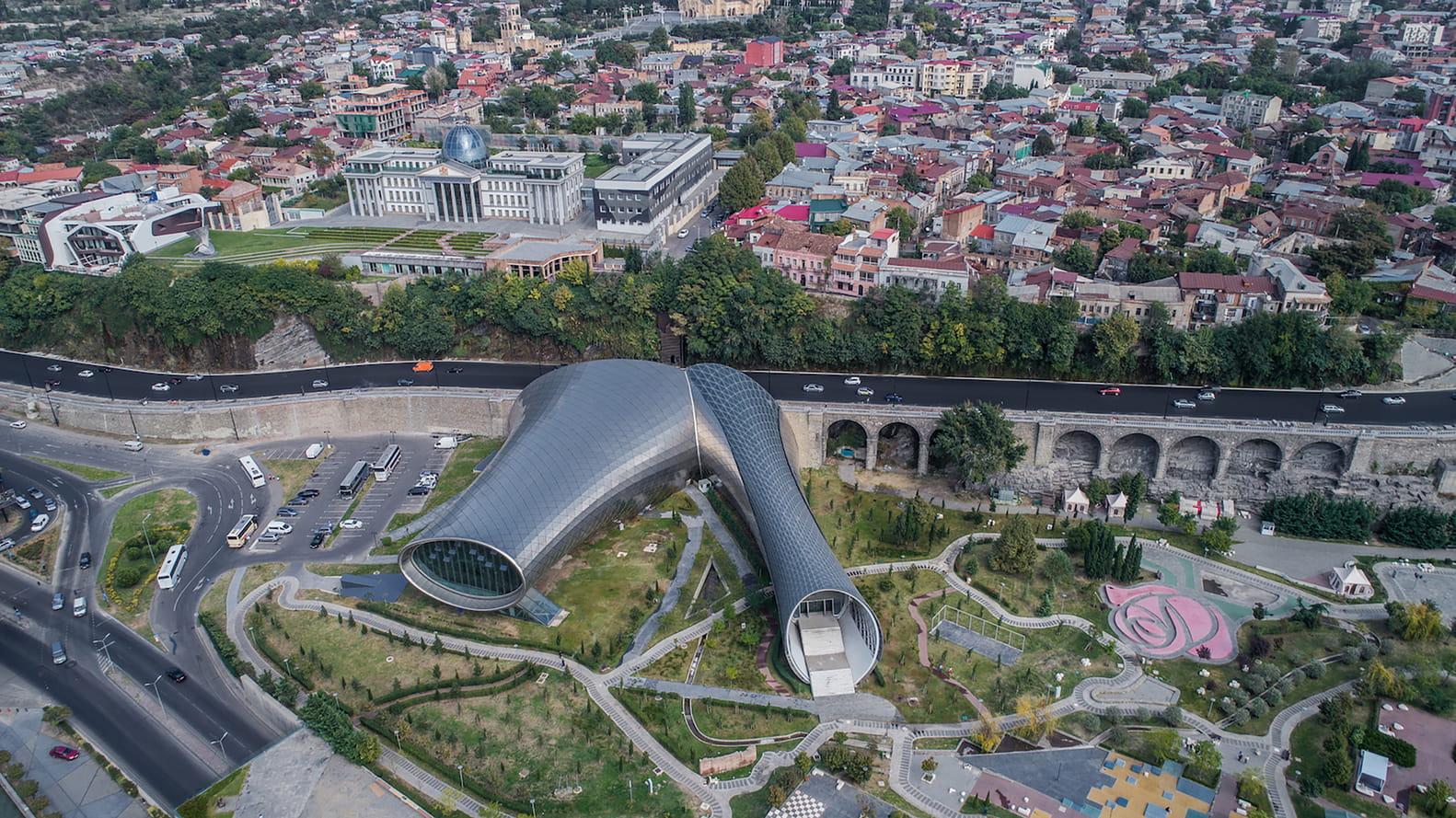
Studio Fuksas Rike Park Demolition: How Tbilisi Is Erasing a €40 Million Building That Never Opened
Tbilisi City Hall cleared the Rike Park Music Theatre and Exhibition Hall...
Elif Ayse Sen8 Mins read
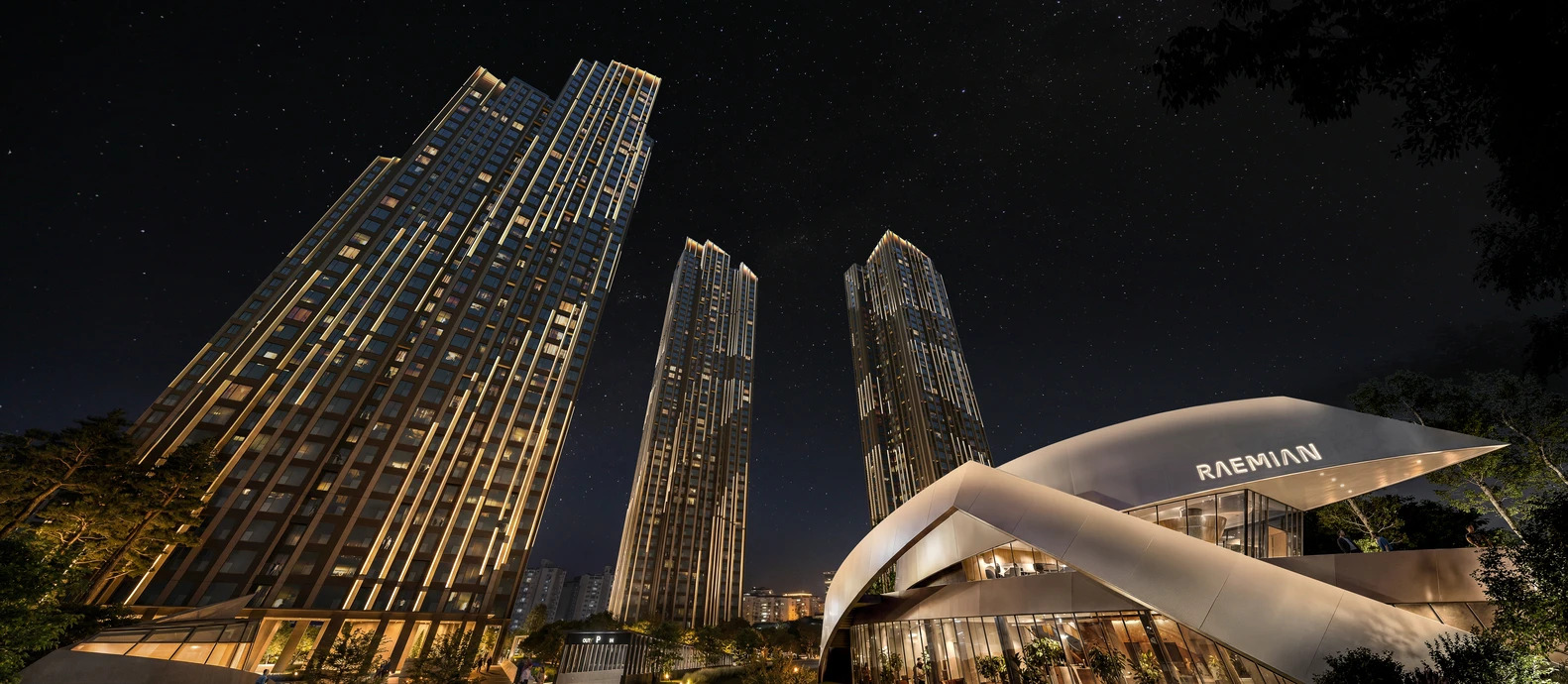
Studio Libeskind Unveils 6 Seoul Towers for Daechi Redevelopment
Studio Libeskind, HJ Design Partners and SAMOO have unveiled six towers for...
Elif Ayse Sen8 Mins read
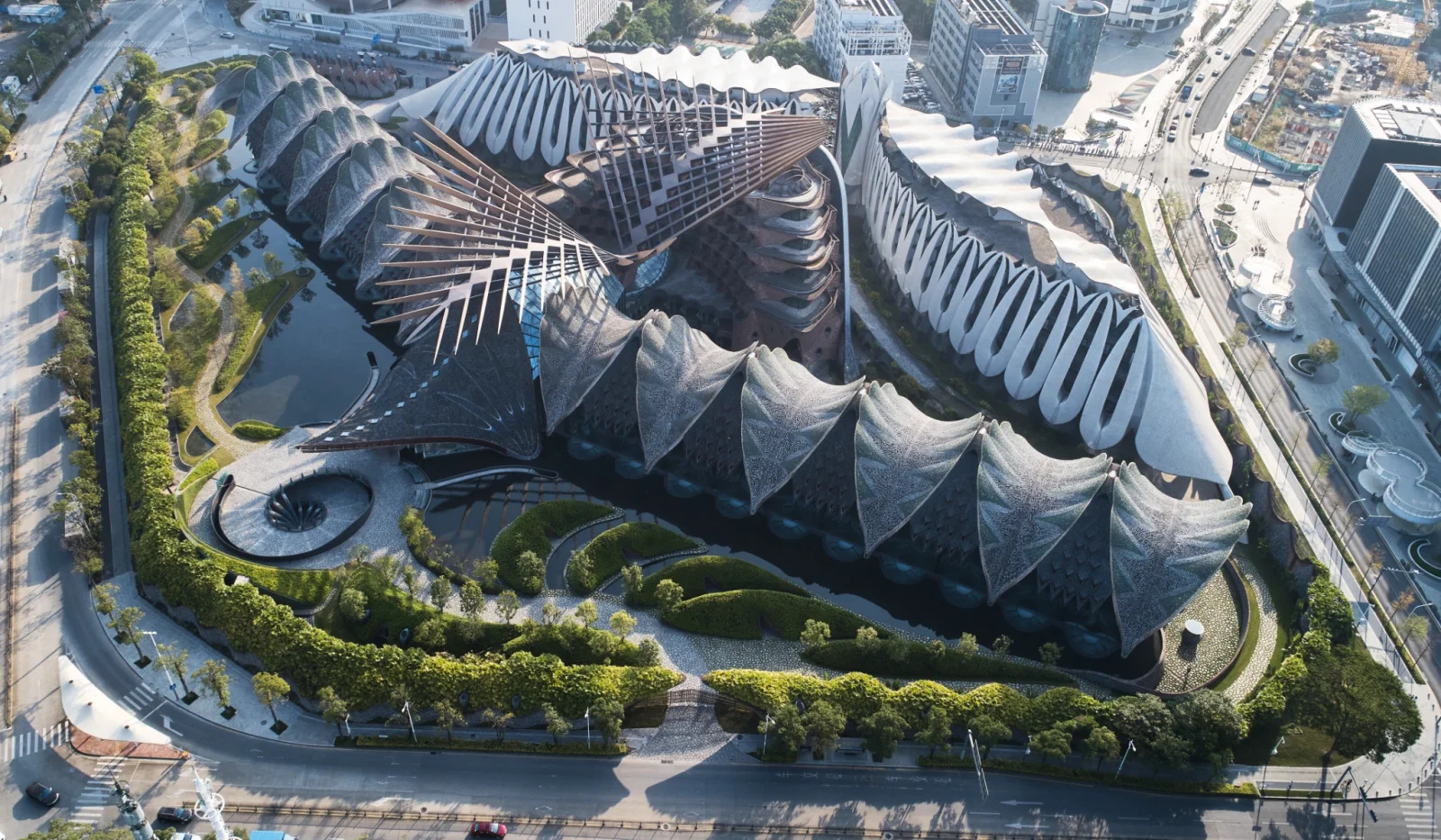
Marisfrolg Fashion Campus: Inside Shenzhen’s Bird-Shaped Headquarters
Architecture van Brandenburg spent close to 15 years shaping a Shenzhen fashion...
Elif Ayse Sen8 Mins read
2 World Trade Center: Inside the Supertall That Finally Broke Ground
After fifteen years of dormancy, 2 World Trade Center restarted construction in...
Elif Ayse Sen7 Mins read


Leave a comment