

Design Build vs Design Bid Build: Understanding the Design and Build Contract
A design and build contract puts design and construction under one agreement with a single point of responsibility. This breakdown of design build vs design bid build shows how the two methods differ in cost, risk, speed, and control.
 Furkan Sen2 August 20265 Mins read241

Table of Contents Show
A design and build contract places design and construction under a single agreement with one point of responsibility. In the design build vs design bid build debate, this is the main split: design-build unifies the two roles, while design-bid-build keeps them in separate contracts with separate accountability.
Choosing how a project gets designed and built shapes its budget, its schedule, and who carries the risk when something goes wrong. Two structures dominate that choice. One keeps the architect and the builder under separate agreements. The other brings them together from day one. Knowing how they differ helps an owner pick the route that fits the project rather than the one that feels familiar.
What Is a Design and Build Contract?

A design and build contract is a single agreement in which one party, the design-builder, takes responsibility for both the design and the construction of a project. Instead of hiring an architect and a contractor separately, the owner signs one contract and deals with one team. The Design-Build Institute of America describes this as one entity, one contract, and one unified flow of work from concept to completion.
That single point of responsibility is the defining feature. If a wall detail clashes with a structural beam, there is no argument between two firms about whose drawing was wrong. The design-builder owns the whole outcome. In the United Kingdom, the same route is formalised through the JCT Design and Build Contract, where the contractor completes the design and carries out the works for an agreed lump sum, and the client sets out what they need through a document called the employer’s requirements. Getting those requirements right early matters as much as the contract itself, which is why a clear architecture design brief sits at the heart of a successful design and build project.
How Design Build vs Design Bid Build Actually Differ

The clearest way to understand a design and build contract is to compare it with the method it replaced for many owners. Design-bid-build is the traditional route, and the two approaches split the same work in very different ways.
In design-bid-build, the owner first hires a designer to produce a full set of drawings and specifications. Those construction documents then go out to contractors, who submit competitive bids. The owner awards a second, separate contract to the winning builder. Design happens first, construction follows, and the two rarely overlap. This gives the owner tight control over the design, but it also means the builder has no input while the important decisions are being locked in.
Design-build merges those steps. One contract covers both phases, so design and construction can run in parallel. The builder joins early and flags cost or buildability problems while changes are still cheap. That overlap is where most of the speed advantage comes from. It also changes how firms are selected, since an owner is hiring a team for its combined design and construction ability rather than the lowest drawing-to-bid price. Design-build is one of the project delivery methods that firms weigh when they take on a new commission.
Design-Build vs Design-Bid-Build at a Glance
The table below sets the two methods side by side across the factors that most affect an owner’s decision.
| Feature | Design-Build | Design-Bid-Build |
|---|---|---|
| Contract structure | One contract with a single design-build team | Two separate contracts (designer, then builder) |
| Point of responsibility | One party accountable for the whole project | Split between designer and contractor |
| Owner control over design | Lower once the requirements are set | High throughout the process |
| Cost certainty | Early, often a fixed lump sum | Firm only after design is done and bids arrive |
| Project timeline | Faster, phases overlap | Longer, phases run in sequence |
| Risk of disputes | Lower, fewer gaps between parties | Higher, gaps can trigger claims |
| Best suited for | Schedule-driven or complex projects | Projects needing design control or low-bid rules |
The differences in that table are not just marketing claims. A study of hundreds of completed U.S. projects has tracked how each method actually performs on cost and schedule, and the pattern has held for two decades.
🔢 Quick Numbers
- Design-build is projected to account for more than 47% of U.S. construction spending by 2028, around $2.6 trillion (FMI Corporation forecast, via the Design-Build Institute of America)
- Design-build projects average 3.8% less cost growth than design-bid-build projects (CII and Charles Pankow Foundation study of 212 projects, via the Design-Build Institute of America)
- Design-build projects showed 1.7% less schedule growth than design-bid-build in the same 212-project data set (CII and Charles Pankow Foundation)
- From design through completion, design-build projects were delivered 102% faster than design-bid-build (CII and Charles Pankow Foundation study)
What a Design and Build Contract Includes

Beyond the single point of responsibility, a design and build contract sets out a specific structure. Most versions share a common set of parts, whether the project runs under a standard form or a one-off agreement.
The owner defines the project through the employer’s requirements. The design-builder responds with contractor’s proposals that show how they will meet those requirements. Payment is usually a lump sum, released through interim or stage payments as work progresses. Design liability sits with the design-builder, which is a real shift from traditional contracts where the owner’s designer carries that risk. In the United States, standard families such as the design-build documents published by AIA Contract Documents give firms tested language for these terms instead of drafting from a blank page. Because the requirements carry so much weight in this model, it helps to understand why a strong brief matters more than the builder you pick before writing them.
💡 Pro Tip
When writing the employer’s requirements, be specific about outcomes but careful about prescribing exact methods. A common trap is defining the solution in so much detail that the design-builder loses the freedom to innovate, which cancels out one of design-build’s main advantages. State the performance you need, the standards that apply, and the constraints that are fixed, then let the team solve the rest.
When Design-Build Makes Sense (and When It Doesn’t)
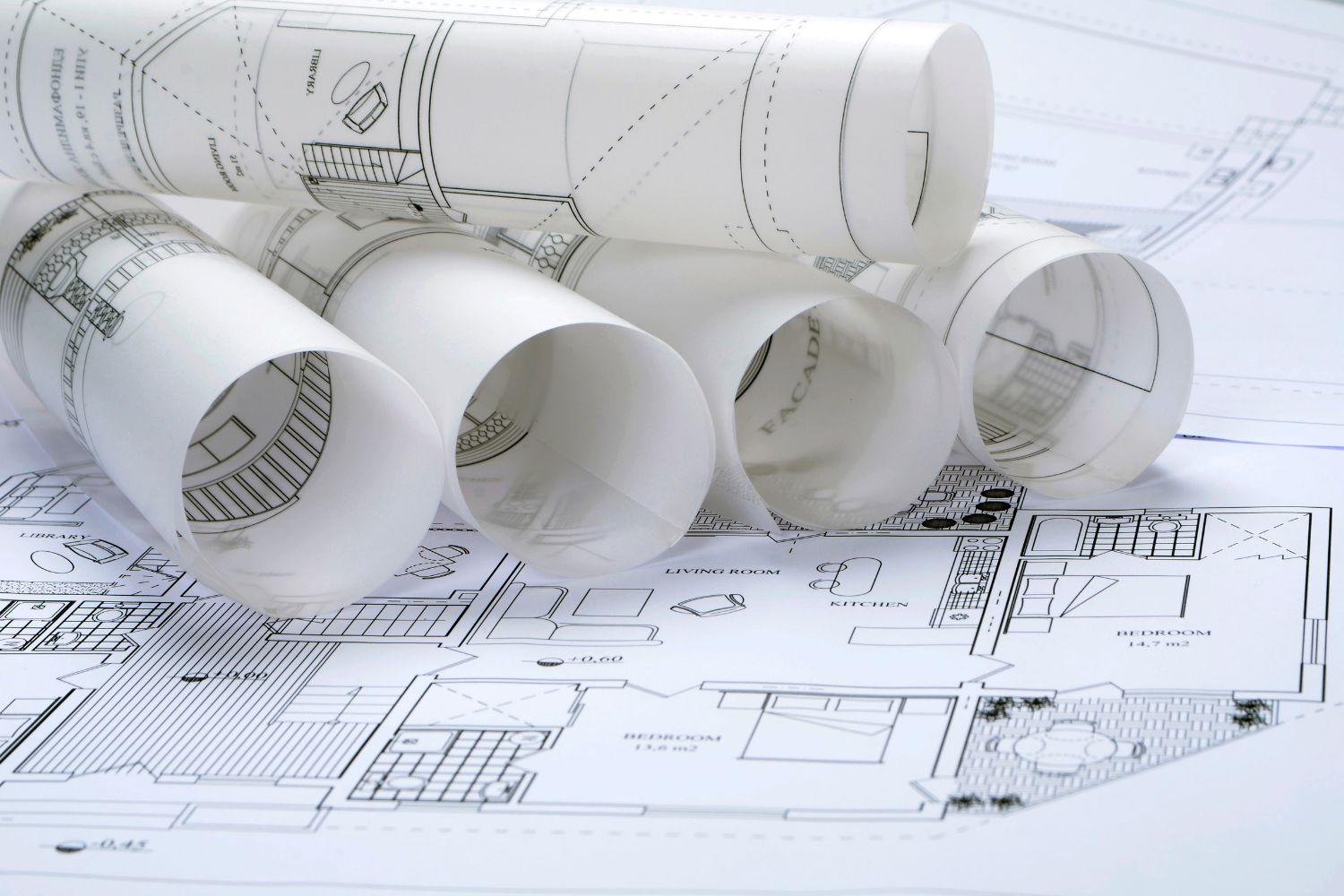
Design-build is not automatically the right answer. It fits some projects far better than others, and design-bid-build still holds a clear place in the industry.
Design-build tends to suit projects where speed matters, where the scope is complex enough to benefit from early builder input, or where an owner wants to hold one party accountable. It works well for schedule-driven work like airports, schools, and public infrastructure. Design-bid-build stays strong where the owner wants maximum control over every design decision, where public procurement rules require awarding to the lowest qualified bid, or where the design itself is the point and cannot simply be handed to a contractor to finish.
⚖️ Pros & Cons at a Glance
✔️ Pros: single point of responsibility, faster delivery, early cost certainty, fewer disputes between parties
✖️ Cons: less owner control over design detail, harder to compare offers on price alone, heavy reliance on the quality of the employer’s requirements
Whichever route an owner picks, the contract is where scope, payment, and dispute resolution become enforceable, so the legal side of any construction agreement deserves as much attention as the design itself. Independent research on delivery performance, including the Charles Pankow Foundation study behind the figures above, is worth reading before committing to either path on a major project.
Contract structures, procurement rules, and construction law vary by country and by project. Always confirm the right approach with a qualified legal or construction professional before signing any agreement.
Putting It All Together
Bottom Line: The choice in design build vs design bid build comes down to a trade-off between control and integration. Design-bid-build gives an owner the most control over design but splits responsibility across two contracts. A design and build contract trades some of that control for speed, cost certainty, and a single team that owns the result. Match the structure to what the project needs most, then let the contract protect that decision.








From Architectural Design to Everyday Use: Why Post-Construction Inspection Matters
A building can look finished long before it works as intended. This...
 illustrarch Editoral Team6 Mins read
Material Management Tips for Concrete Contractors
Eight practical concrete material management habits for contractors, from ordering ready-mix against...
illustrarch Editoral Team4 Mins read
Preventing Corrosion-Driven Accidents
Learn how to prevent corrosion-driven accidents in buildings and infrastructure, from early...
illustrarch Editoral Team2 Mins read
How One Delay Can Disrupt An Entire Jobsite
Discover how a single delay can impact your construction jobsite, causing cascading...
illustrarch Editoral Team2 Mins read


Leave a comment