

Clearing Beneath Hagia Sophia Reveals a Maze of Byzantine and Ottoman Tunnels
Cleaning under Hagia Sophia's vanished atrium removed about 300 tons of debris and exposed six connected structures, seven water lines in one vault and a branching tunnel whose purpose is still unclear.
 illustrarch Editorial Team10 November 20262 Mins read1
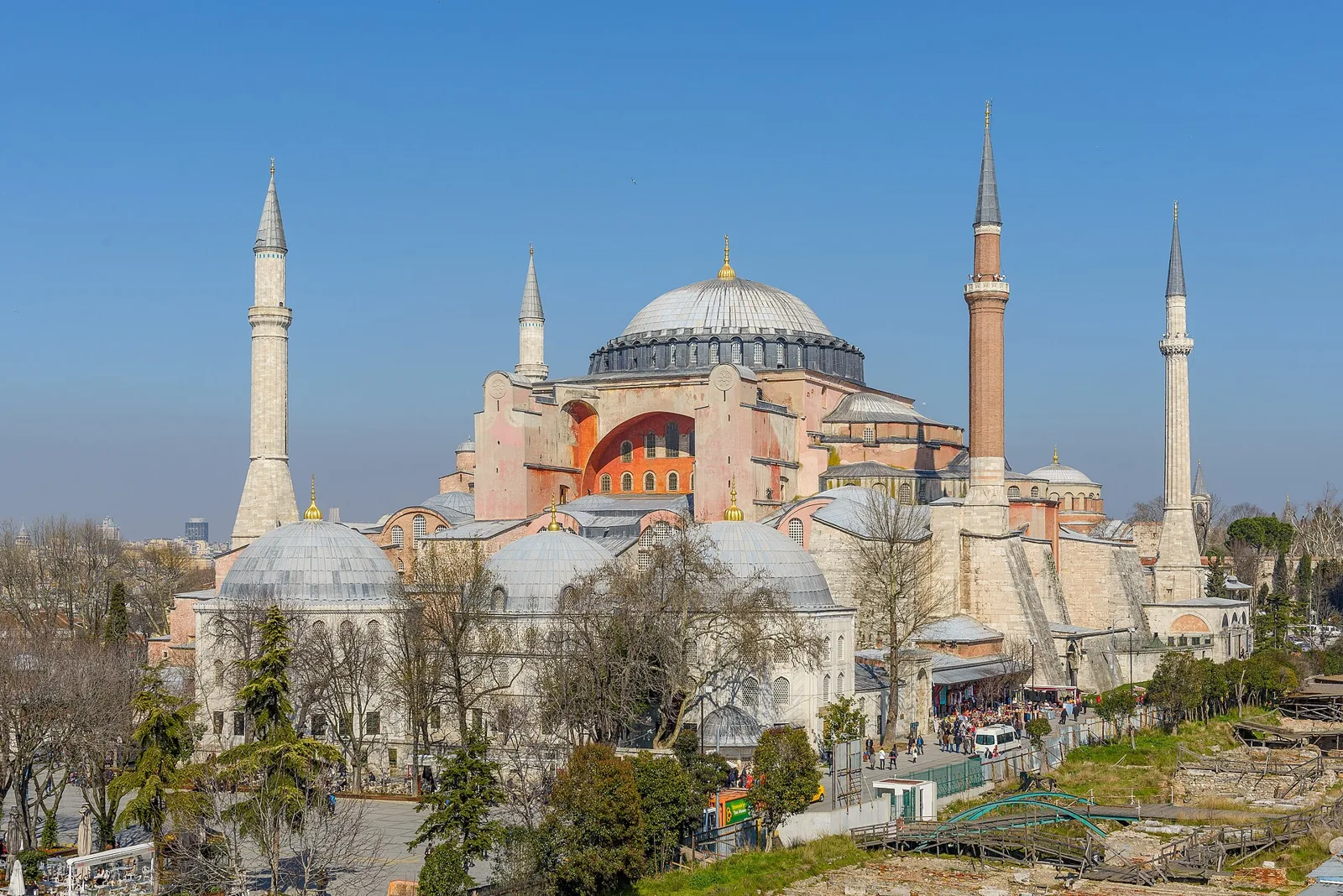
Work to clear the Hagia Sophia tunnels under the monument’s vanished atrium has exposed a far more tangled underground system than earlier surveys recorded. The findings come from a peer reviewed study by Hasan Fırat Diker of the architecture department at Fatih Sultan Mehmet Vakıf University, published in the open access journal Open Archaeology and picked up this week by Popular Mechanics.
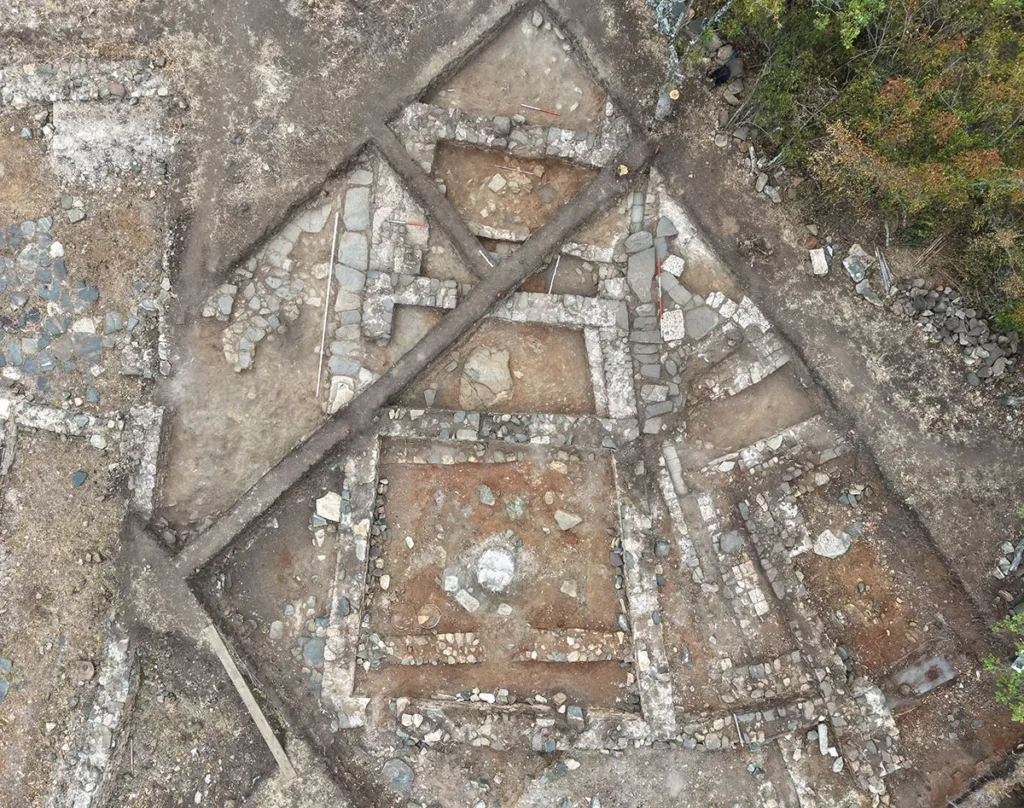 Three-Room Thracian Temple at Balak Dere May Be One of the Last Pagan Sanctuaries in Western Thrace
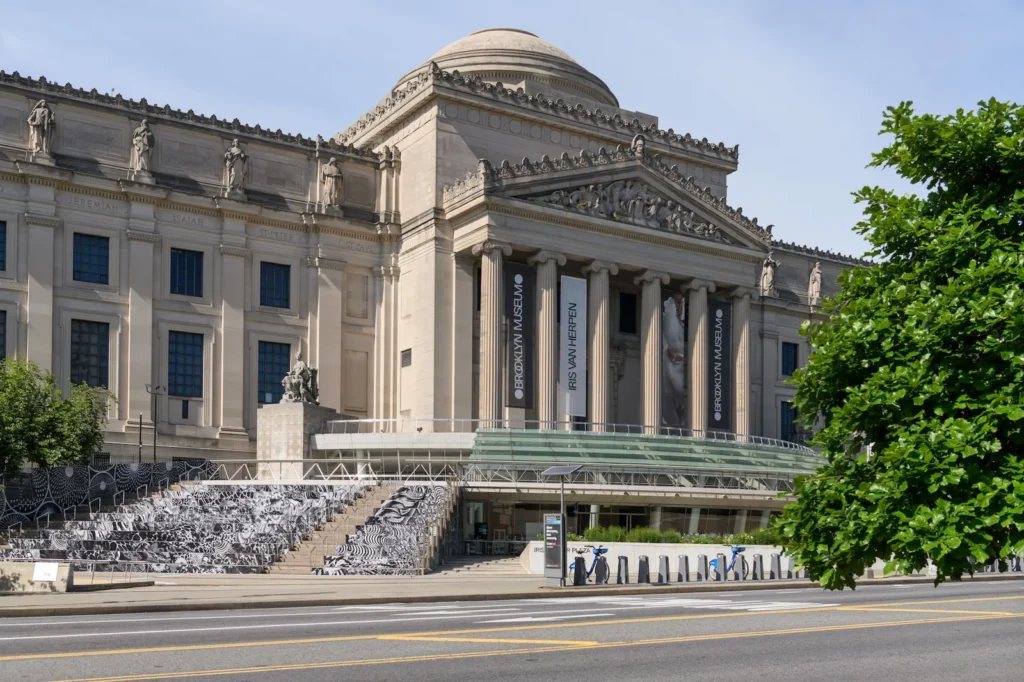 Brooklyn Museum’s $48 Million Energy Retrofit Aims to Cut Emissions by 57 Percent
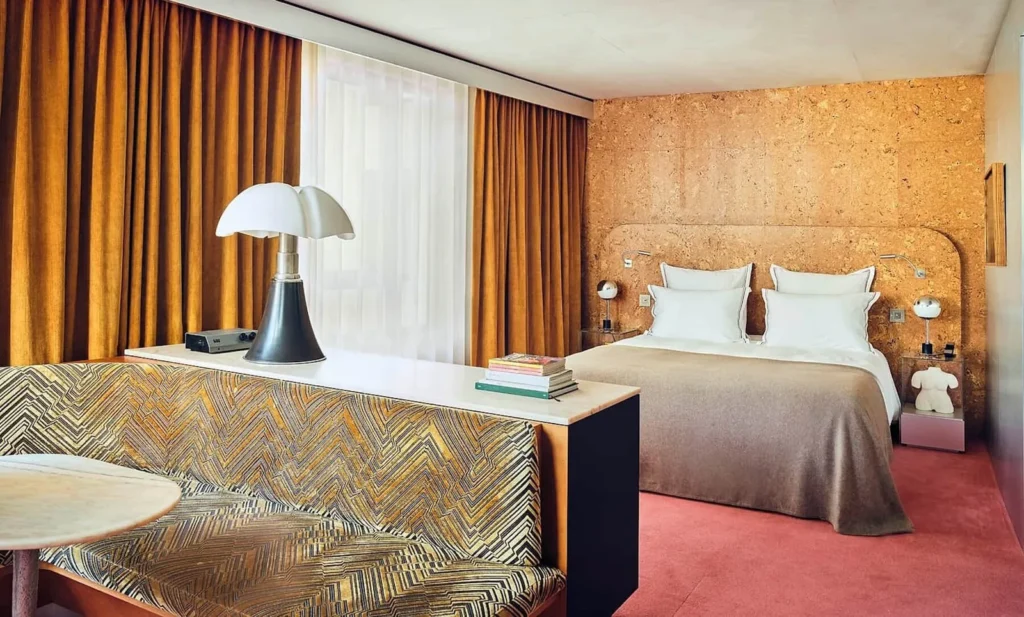 Studio KO Rebuilds Paris’s Bus Palladium Nightclub as a Five Star Hotel
 WORKac Hangs a Lecture Hall Inside Cornell’s Restored Sibley Dome
The cleaning began in February 2025 under the General Directorate of Foundations, part of Türkiye’s Ministry of Culture and Tourism, with archaeologists from the Hagia Sophia Museum supervising and the restoration firm ADAMAK carrying out the work. The paper covers results up to 20 June 2025, and clearing is still going on.
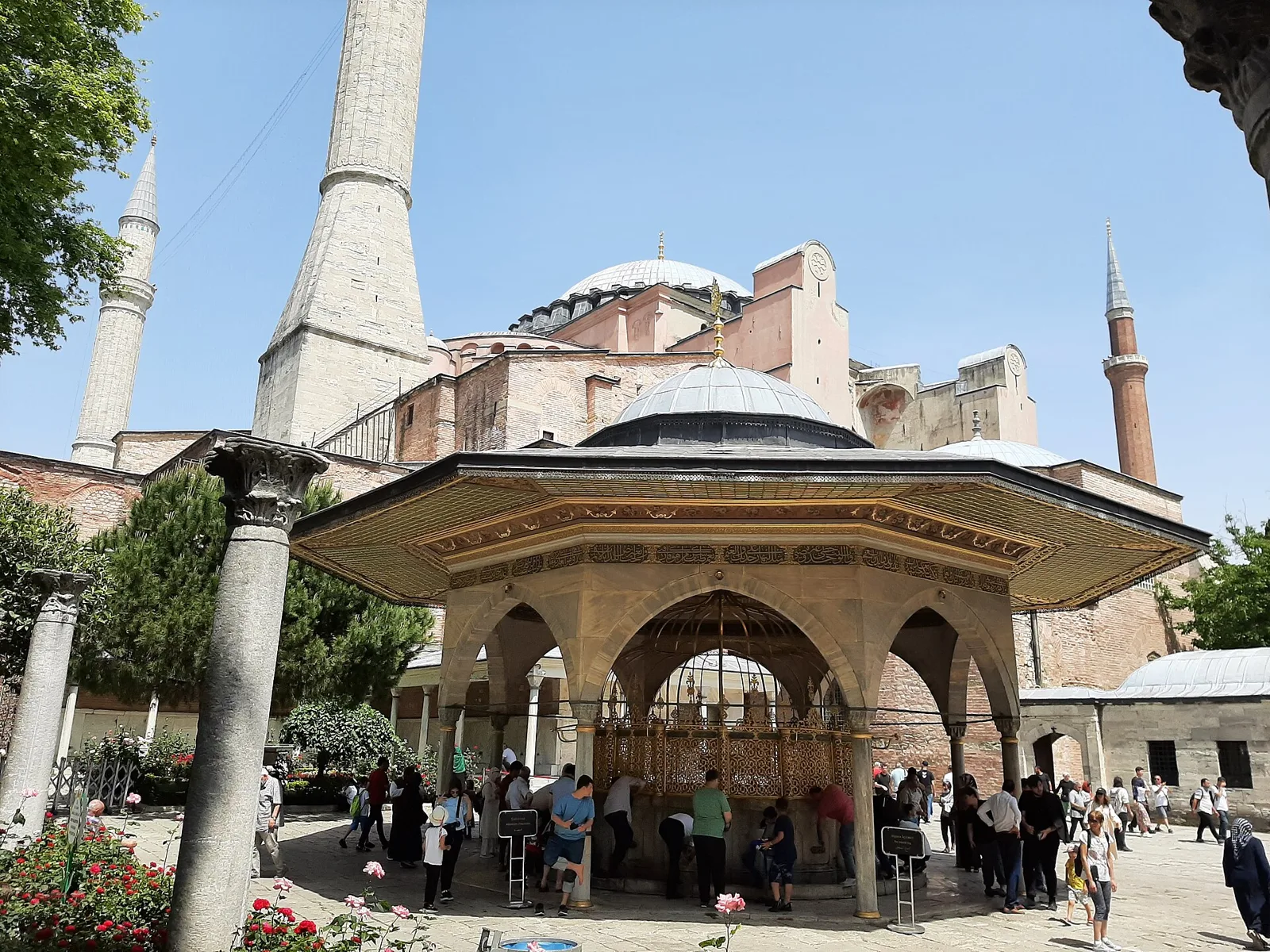
What the Hagia Sophia tunnels contain
Crews worked in cramped, dark and poorly ventilated spaces, so workers with mining experience were brought in. In about four months they removed roughly 300 tons of soil and rubble, bagged underground, lifted by small cranes and sifted at the surface. Each stage was recorded with a terrestrial laser scanner to draw plans and sections. Under the northwestern wing, the vault turned out to be split and supported by little more than the mortar beneath the modern paving, so it was reinforced and the paving lifted with approval from Istanbul’s regional heritage council.
The paper describes six structures. A vault under the northeastern wing, about 5 metres wide and 15.5 metres long, carries seven separate water lines from different periods, from terracotta pipes laid with its walls to cast iron of the 19th or 20th century. A plastered space under the northwestern wing looks like a cistern and may be the largest known at the site. A deeper passage that the excavator Schneider dated in 1941 to before Justinian’s church has now been cleared for about 160 metres, and Diker suggests it could run well beyond Hagia Sophia toward Topkapı Palace and Sultanahmet Square.
An enigmatic branching tunnel
Diker singles out the one he calls Structure 6 as the most puzzling. Entered through an original arch, it splits into branches that trace an unfinished frame, with one corridor running about 24 metres. Its northwestern arm has around eight rectangular niches, later blocked, under carefully laid half barrel vaulting, and no terracotta pipes on its floor, which suggests it was not built to carry water. Other branches are lined with late firebrick of the 19th century, and one drops to meet a lower tunnel attributed to the Byzantine period.
To the author, the dense web of conduits points to heavy water use and a busy settlement around the atrium, whose substructure stayed in use and kept being altered into the 19th and perhaps the early 20th century. He also sees scope to open some passages to visitors once they are conserved.
How long are the tunnels?
Some coverage, Popular Mechanics included, has said the newly exposed passages stretch for 5.6 miles. That figure does not appear in the Open Archaeology paper, which gives measurements for individual spaces, such as the 160 metre run of the oldest passage, and stresses that the full extent of several of them is still unknown. The study also notes that the small finds so far, mainly brick and pottery fragments with a few objects of metal, bone and stone, are less striking than the architecture and will be published separately.



Three-Room Thracian Temple at Balak Dere May Be One of the Last Pagan Sanctuaries in Western Thrace
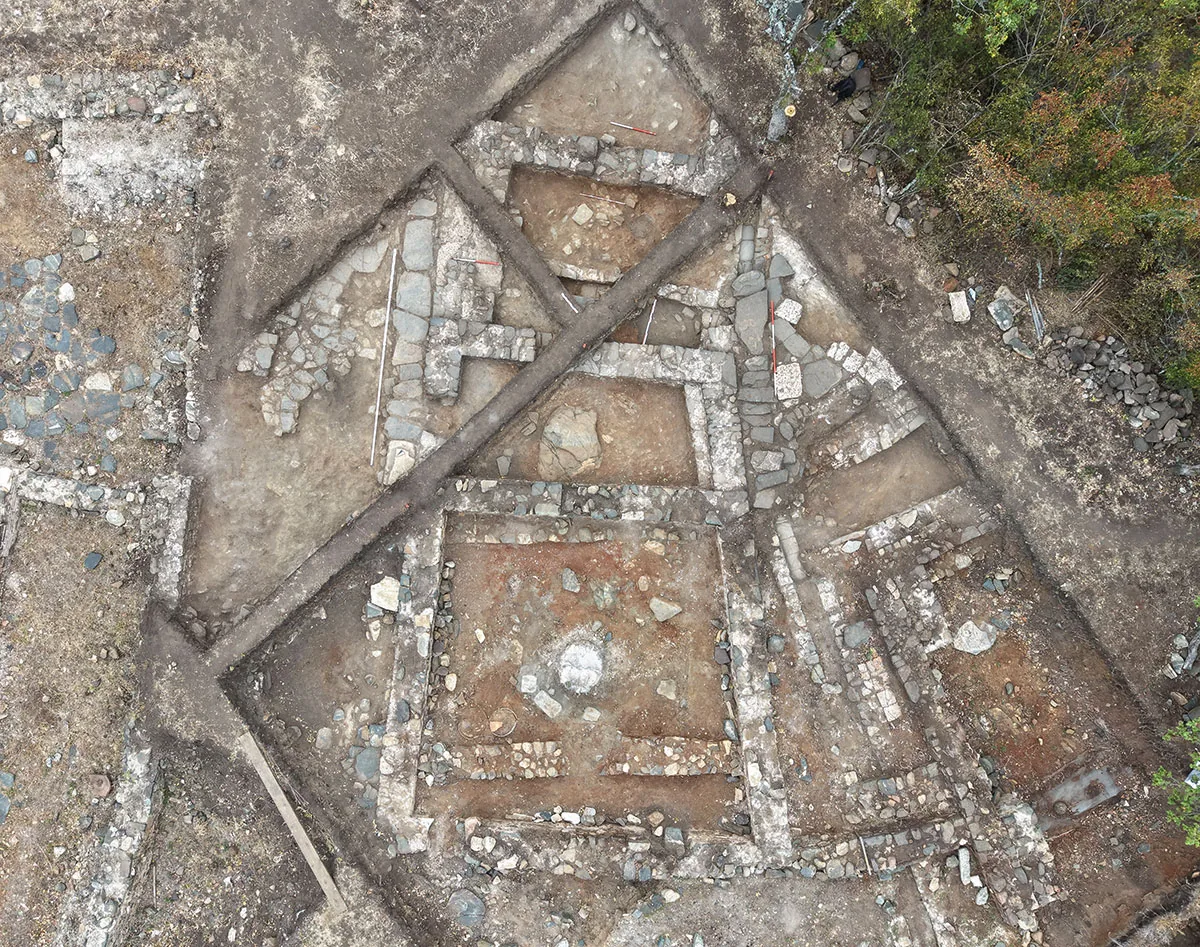
Excavations at Balak Dere near Ivaylovgrad have exposed a 15-metre trapezoidal temple...
illustrarch Editorial Team2 Mins read
Brooklyn Museum’s $48 Million Energy Retrofit Aims to Cut Emissions by 57 Percent
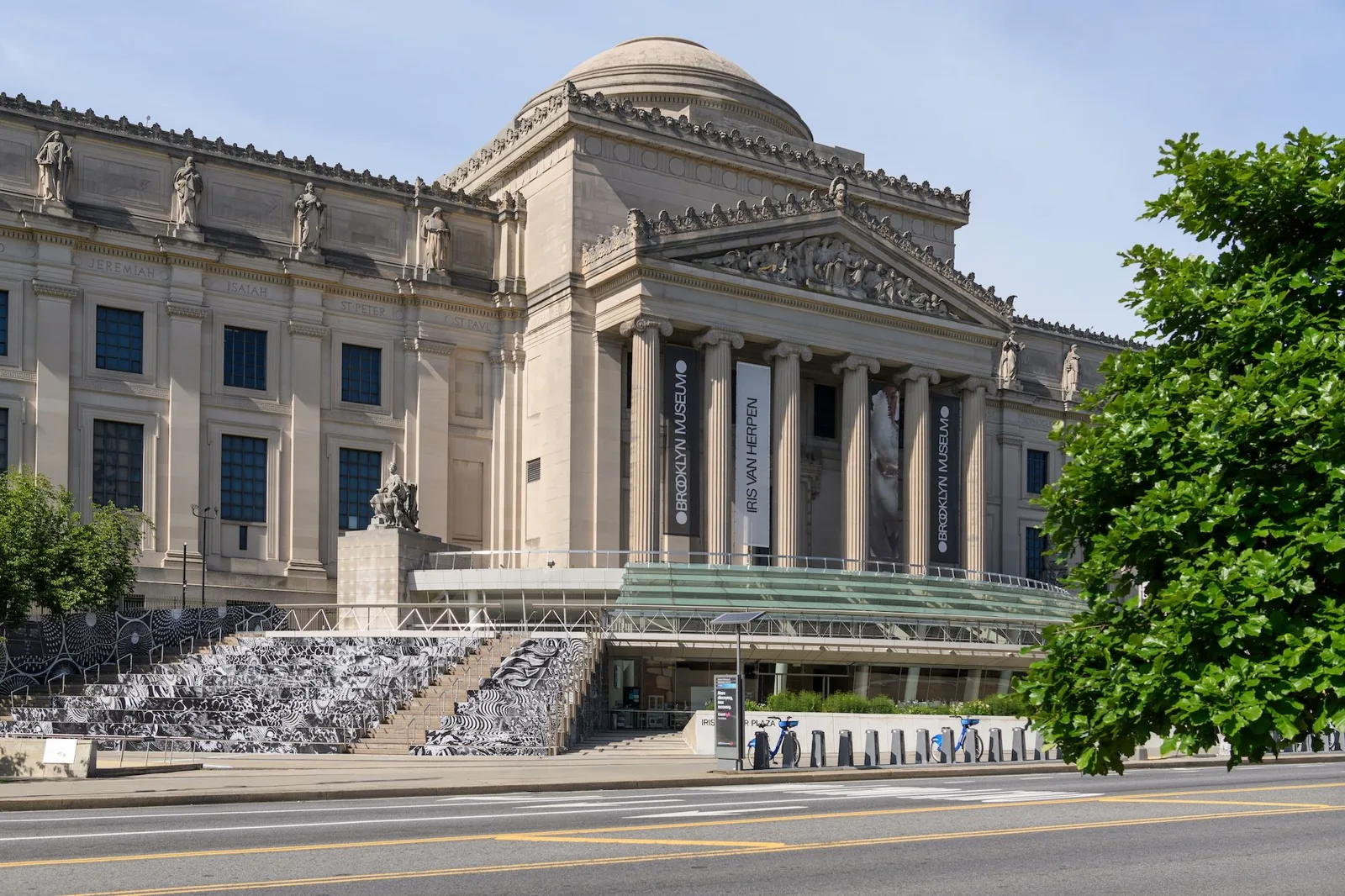
New York City is replacing the Brooklyn Museum's ageing steam plant, adding...
illustrarch Editorial Team2 Mins read
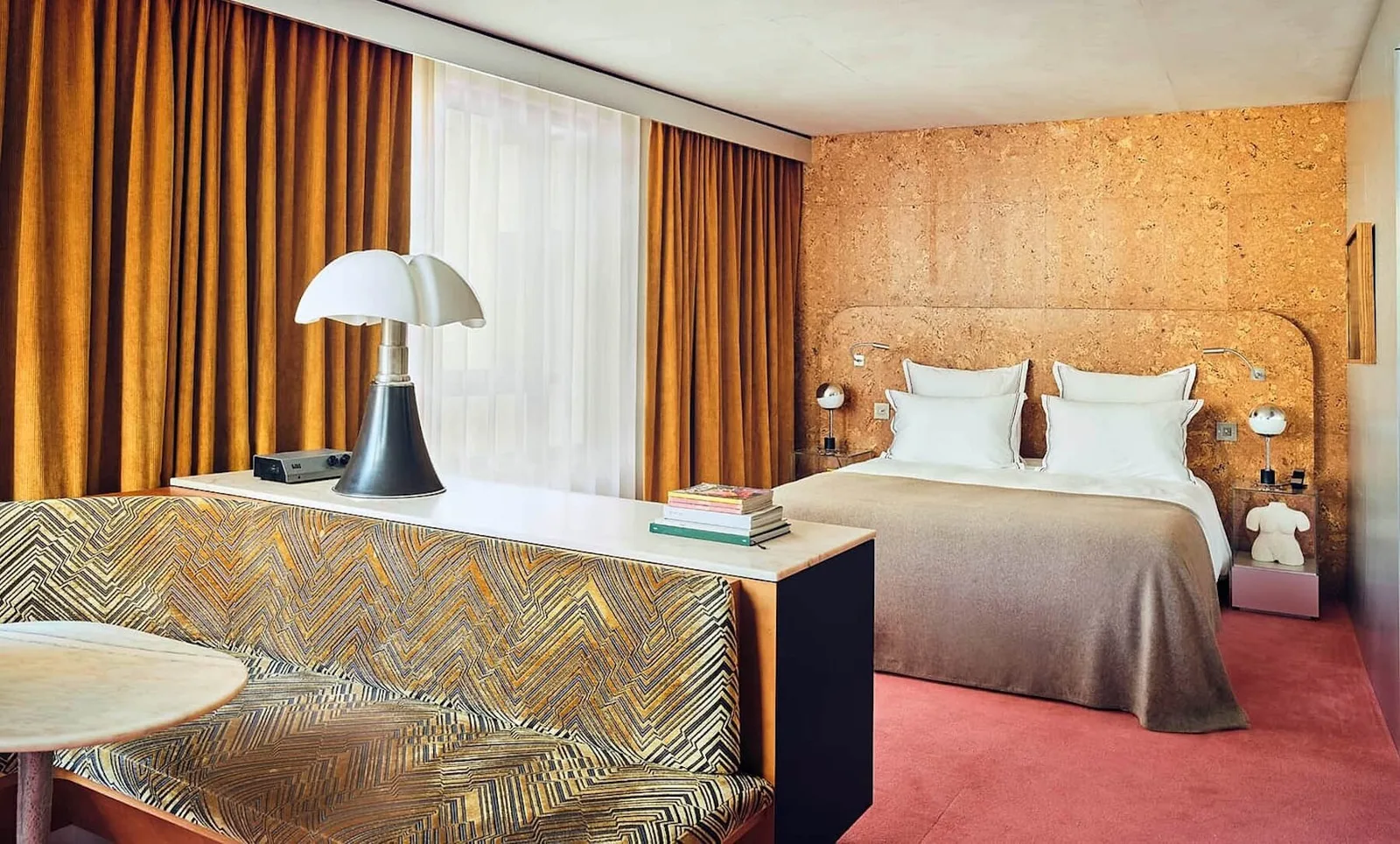
Studio KO Rebuilds Paris’s Bus Palladium Nightclub as a Five Star Hotel
The 1965 Pigalle club is back as a hotel by Studio KO:...
illustrarch Editorial Team2 Mins read
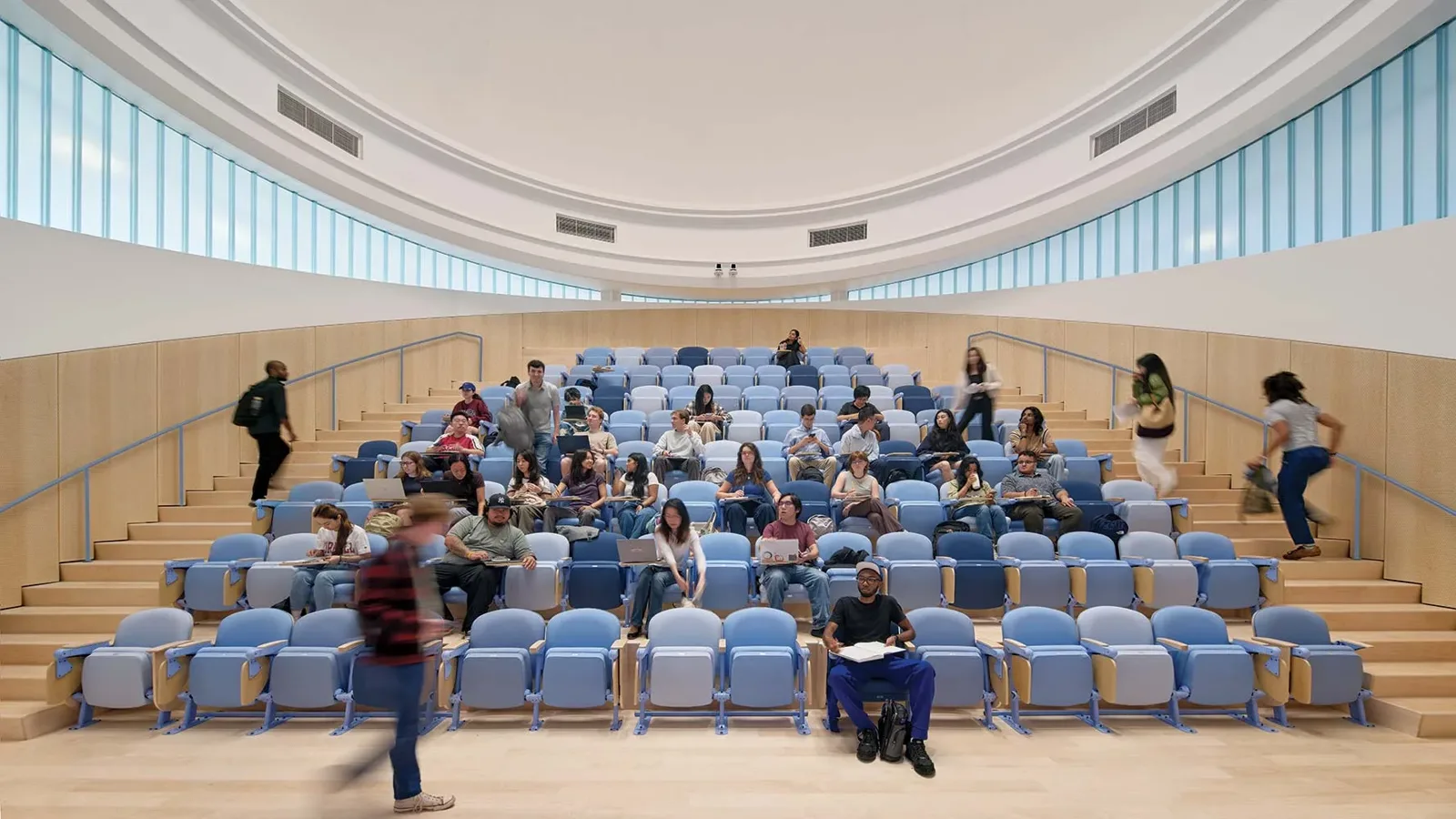
WORKac Hangs a Lecture Hall Inside Cornell’s Restored Sibley Dome
At Cornell, WORKac has restored the 1902 Sibley Dome and suspended a...
illustrarch Editorial Team2 Mins read




Leave a comment