

Architectural Theory Hub
Architectural theory, from first principles to the ideas behind every plan
Every theory guide and concept article we publish, in one place: learn the basic design principles, work with proportion and the golden ratio, compose with geometry and order, read how buildings feel and how they shape people, then turn it all into a design concept.
Open the golden ratio tool →Start with the basics →Updated November 2026
Most read architectural theory guides
The guides readers open most often from Google search, based on the last 90 days.
- 1
 Golden Ratio in Architecture27 min read
- 2Exploring the Golden Ratio in Notre Dame Cathedral’s Architecture17 min read
- 310 Examples of the Golden Ratio in Iconic Buildings13 min read
- 4Proportion and Scale in Architecture, Art & Interior Design14 min read
- 5Understanding Building Typology: A Guide to Functional, Cultural, and Sustainable Design13 min read
A learning route through architectural theory
New to architectural theory? Read these nine guides in order. Each step builds on the one before, from what architecture is to the principles of order and how to turn them into a design concept.
What architecture is and the basic principles that shape a space.
Learn how proportion, scale and composition give a building order.
See how design shapes the way people act, then turn your ideas into a concept you can explain.
Free Proportion Tool
Work out golden ratio proportions for a facade, a plan or a board layout in your browser. Free, no account and nothing to install.
All free tools →
Theory Basics and Design Principles
What architecture is, the basic principles every first year studio teaches, and the core ideas of space, time and building type that later theory builds on.
All theory articles →Guides and examples
 What Is Architecture? Discover Its Meaning, Importance, and Impact on Our World
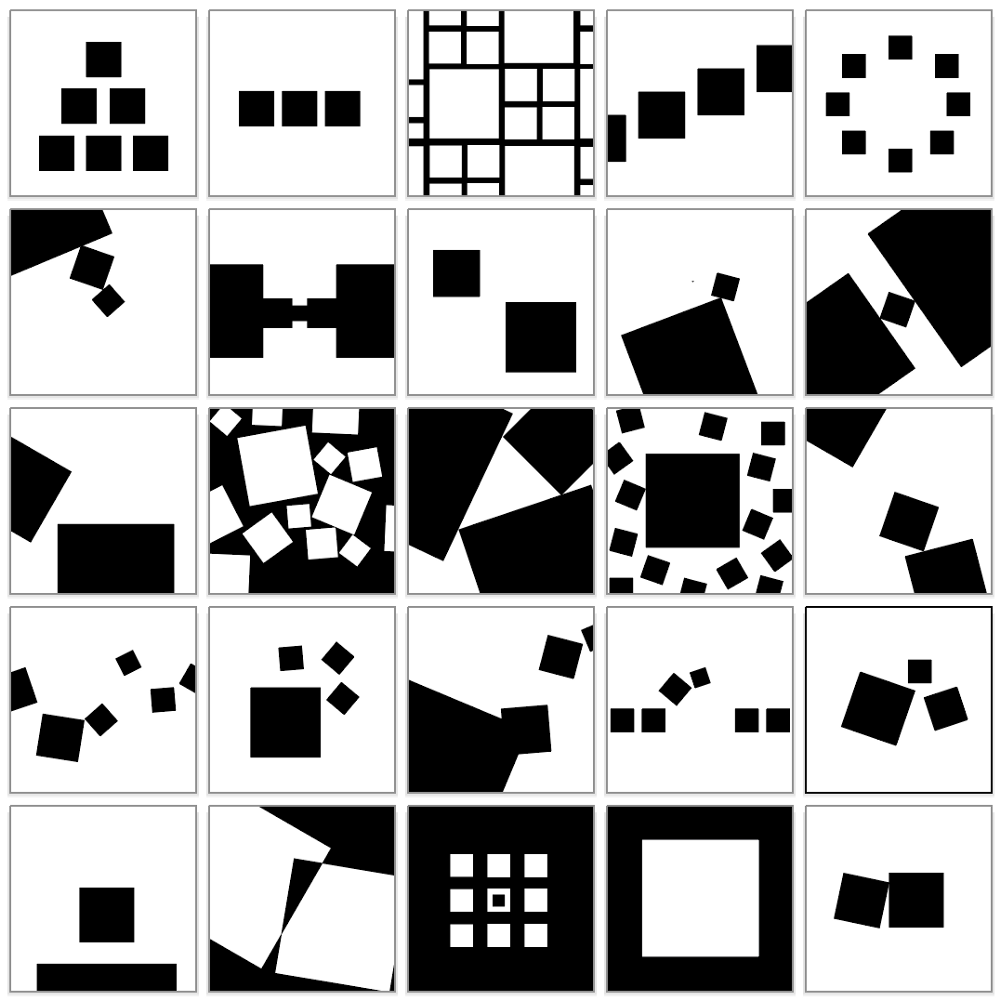 Basic Design Principles in Architecture
 Space Design Principles
 Space in Architecture: A Concept and Experience Guide
 Time in Architecture: How Time and Form Shape Design
 Understanding Building Typology: A Guide to Functional, Cultural, and Sustainable Design
Golden Ratio, Proportion and Scale
How architects size parts against the whole. Start with proportion and scale, then follow the golden ratio and the Fibonacci sequence from their history to cathedrals and modern buildings.
Free tools for this step
Guides and examples
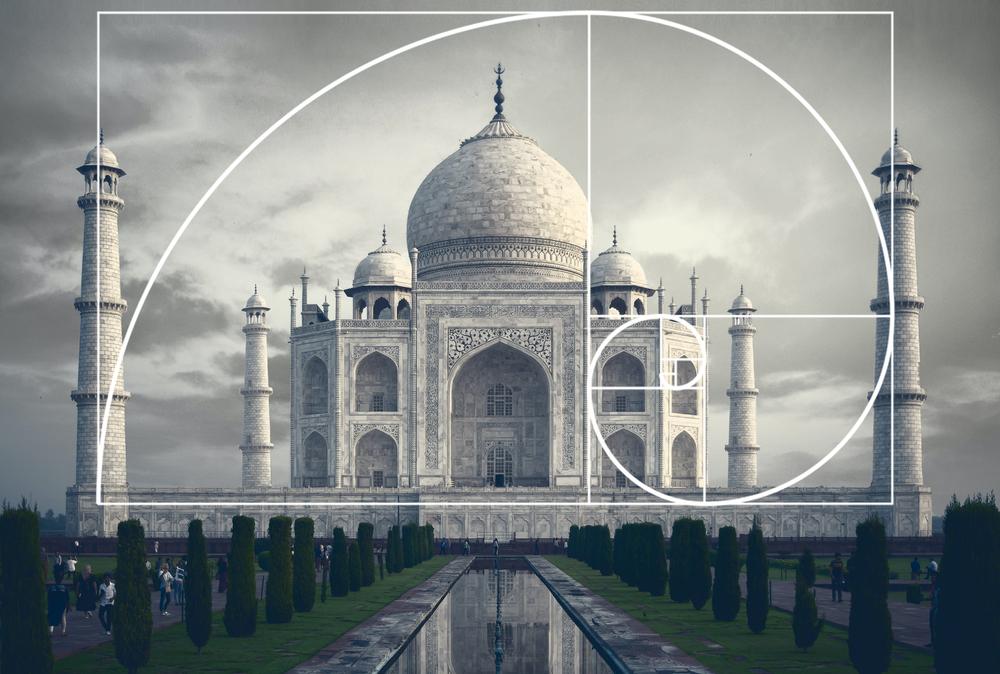 Golden Ratio in Architecture
 Exploring the Golden Ratio in Notre Dame Cathedral’s Architecture
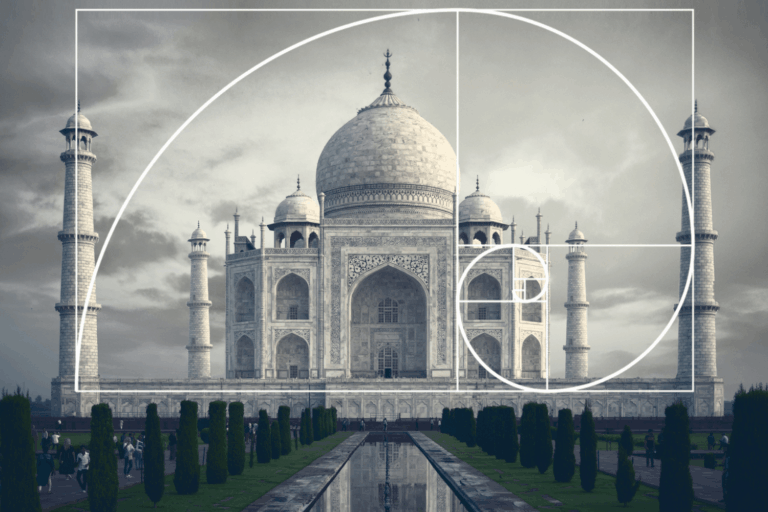 10 Examples of the Golden Ratio in Iconic Buildings
 Proportion and Scale in Architecture, Art & Interior Design
 Fibonacci Sequence in Architecture: 10 Iconic Examples and How They Work
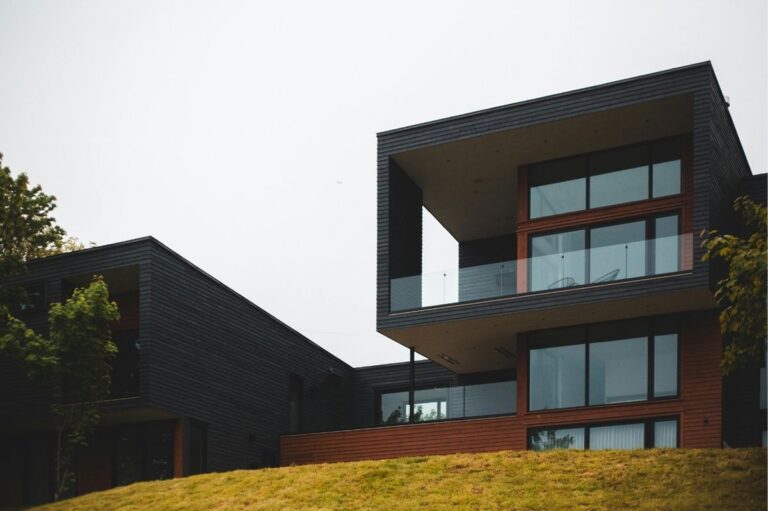 How the Golden Ratio Modern Architecture Principle Shapes Today’s Iconic Buildings
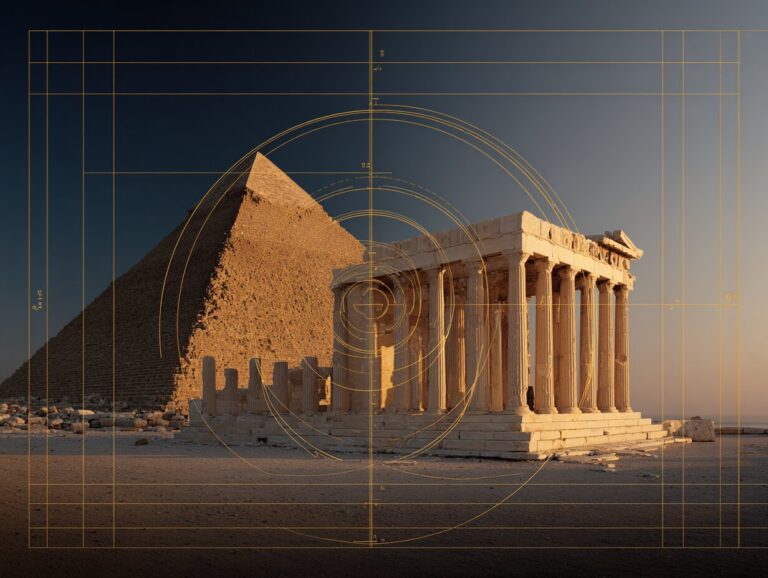 Golden Ratio First Used in Architecture: A Complete Historical Timeline
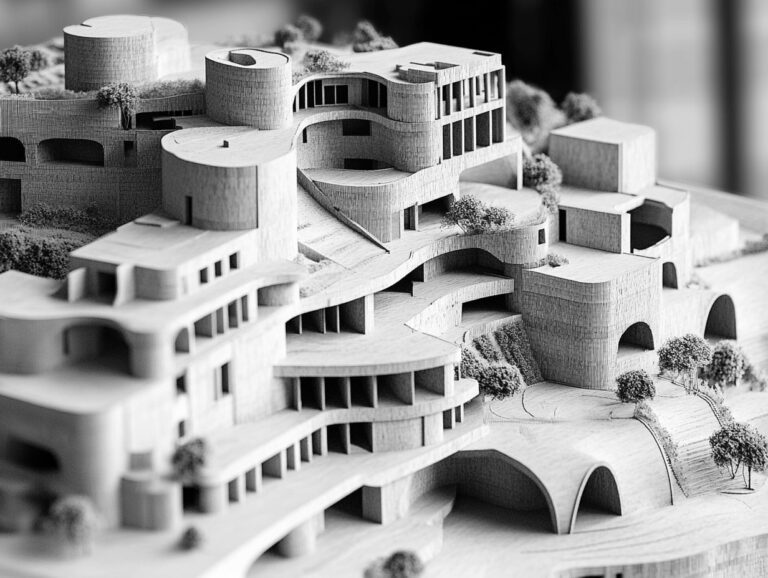 The Importance of Scale in Architecture: Balancing Aesthetics and Human Experience
Composition, Geometry and Order
The tools that hold a design together: composition, balance, symmetry and contrast, the grid, basic geometry and the ways architects use numbers and fractal patterns.
Guides and examples
 Composition in Architecture: Key Principles for Harmonious Design
 Balance in Architecture: From the Parthenon to Modern Design
 Symmetry vs Asymmetry in Architecture: A Designer’s Guide to Balance
 Aesthetic Oppositions in Architecture: A Design Guide
 Grid in Architecture: A Guide to Structure and Harmony
 Architecture in Geometry: From Basic Shapes to Complex Forms
 Math in Architecture: 6 Ways Architects Use Numbers
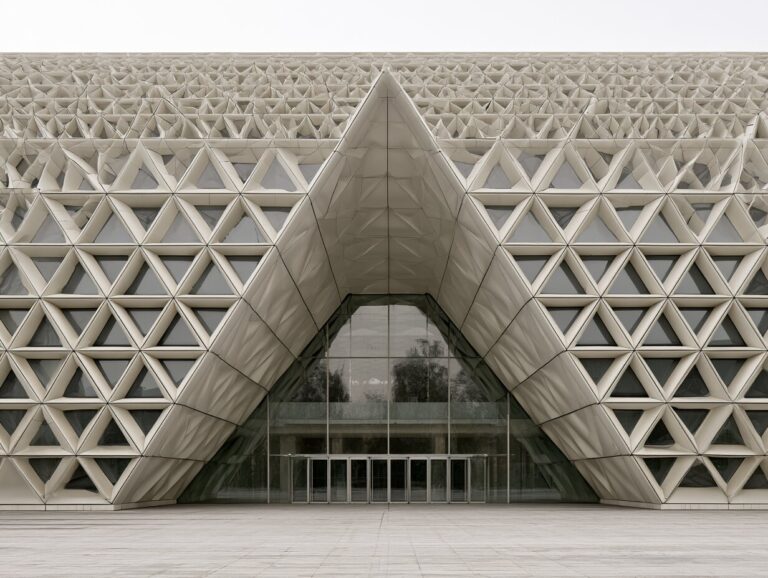 Fractals in Architecture: How Nature’s Patterns Shape Design<
Perception, Atmosphere and Senses
Buildings are felt as well as seen. These guides look at transparency and translucency, colour, sound, atmosphere and the emotional side of space.
Guides and examples




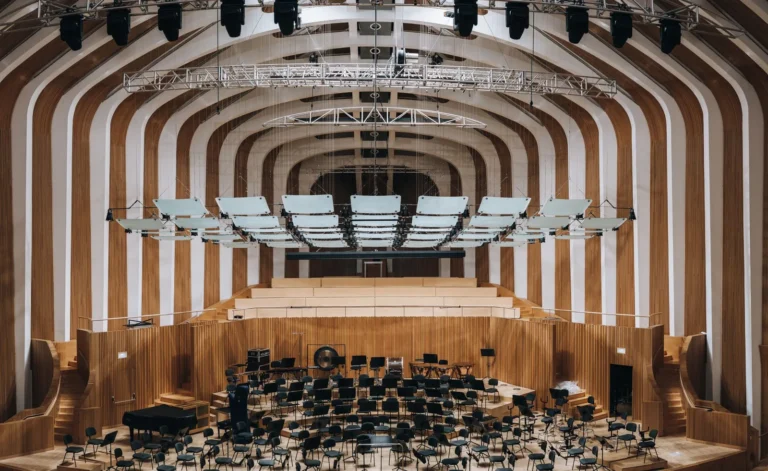

Architecture, People and Society
How design shapes behaviour and how society shapes design, from human centred and shared spaces to power, borders, social responsibility and life on the move.
Guides and examples
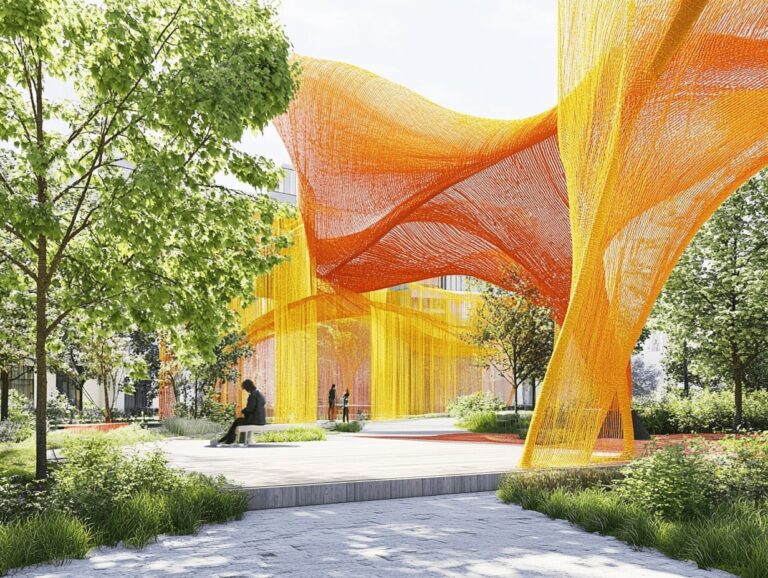 Behavioral Architecture: How Design Shapes Behavior
 Human-Centered Architecture
 Shared Spaces in Architecture: A Practical Guide
 Architecture as a Reflection of Society
 The Social Responsibility of Architects
 Architecture and Politics: How Buildings Express Power
 The Architecture of Borders: Walls, Gates, and the Spaces They Shape
 Nomadic Architecture and Designing Spaces for People Who Are Always Moving
Concept and Design Process
Theory becomes a project here. Turn a brief into spatial needs, develop a concept, write it down, think visually and move from schematic design to design development.
Guides and examples
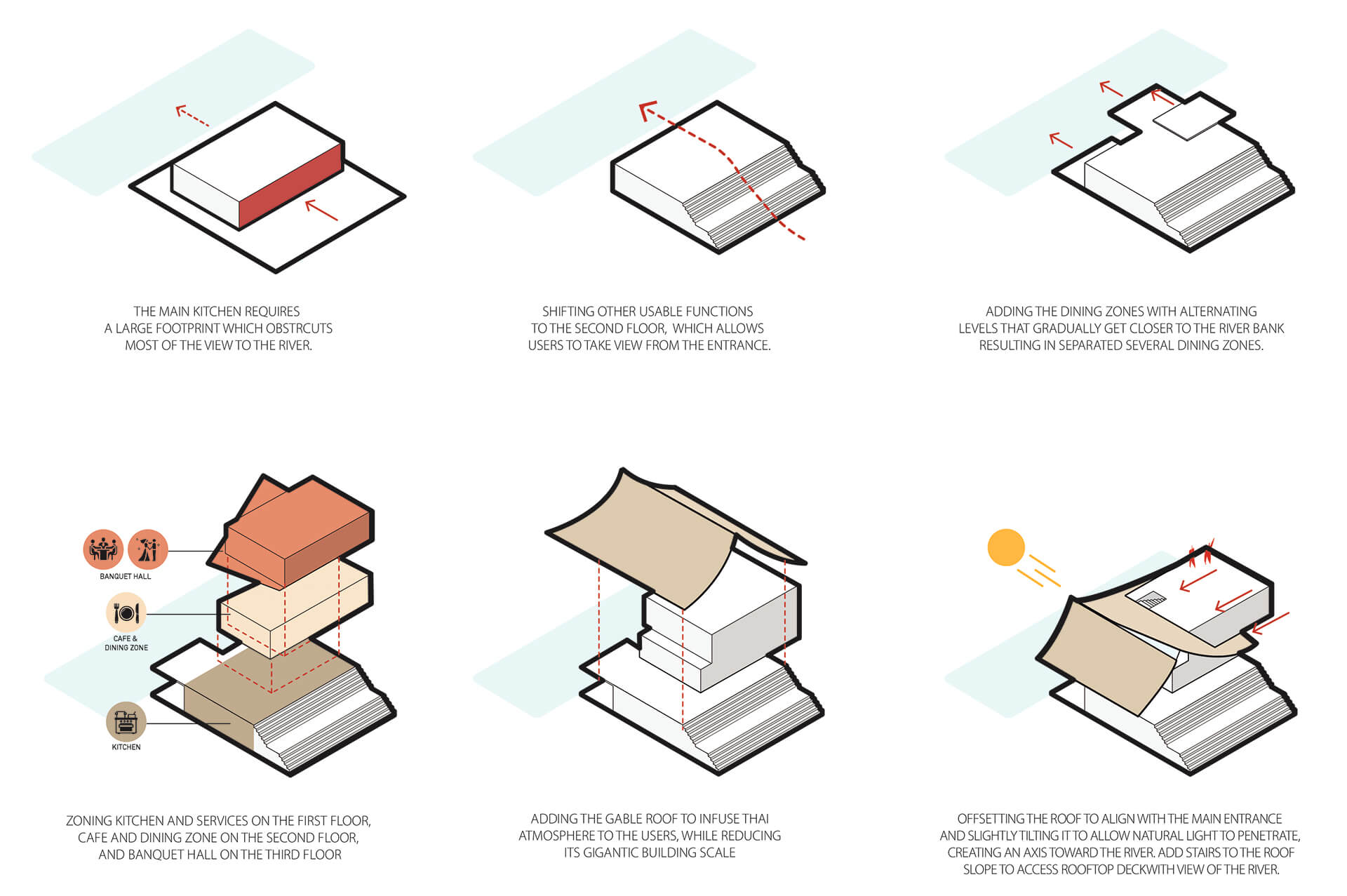 The Art of Architectural Concept Design
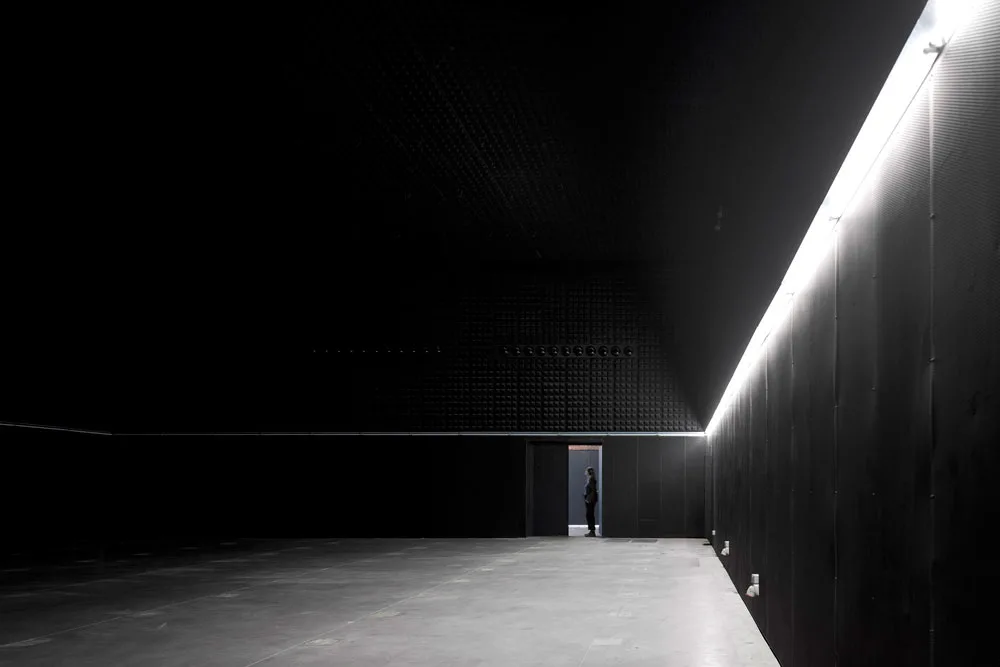 5 Architectural Concept Ideas to Shape Your Design
 Concept Development Process: A Step-by-Step Guide
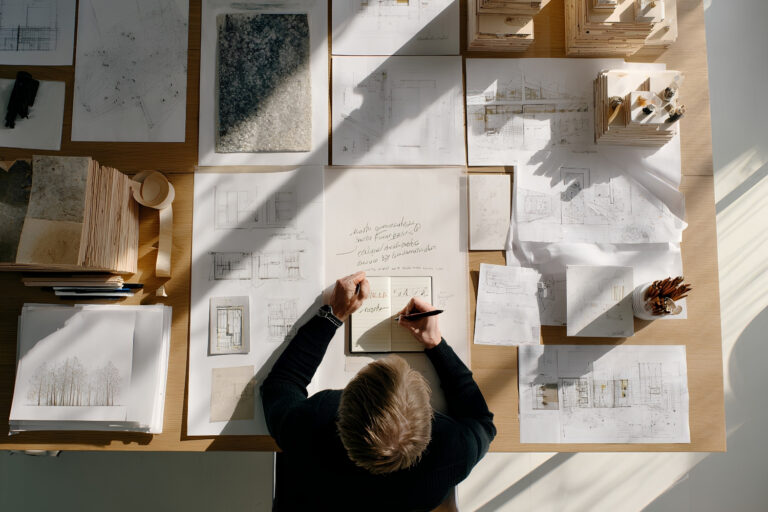 How to Write an Architecture Concept Statement for Any Project
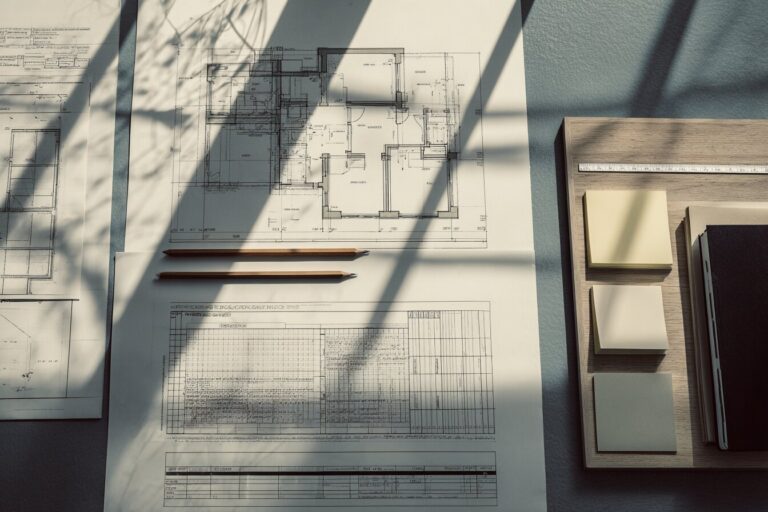 Architectural Programming: From Brief to Spatial Needs
 Architectural Design Process: A Step-by-Step Guide
 Visual Thinking in Architecture: From Concept to Creation
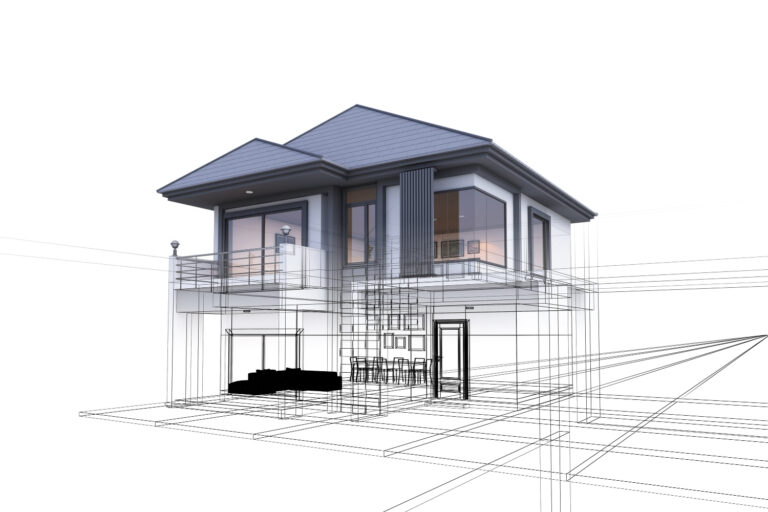 Schematic Design and Design Development: Key Differences Explained
Key design principles and how to use them
Most design decisions come back to a few principles. Use this table to check what each one means and when it helps, then open the guide for examples.
| Principle | What it means | Use it to | Guide |
|---|---|---|---|
| Proportion | How the sizes of parts relate to the whole | Size doors, windows and rooms so they work together | Read → |
| Scale | Building size next to people and surroundings | Make a space feel comfortable or deliberately monumental | Read → |
| Balance | Visual weight spread so the whole feels stable | Keep any one part from overwhelming the rest | Read → |
| Symmetry and asymmetry | Mirrored halves versus contrasting masses that still balance | Choose formal order or respond to a complex site | Read → |
| Rhythm and repetition | Repeated windows, columns or bays that the eye follows | Give a long facade movement and order | Read → |
| Grid | Regularly spaced lines that set a reference framework | Place structure, openings and spaces consistently | Read → |
| Golden ratio | A proportion of roughly 1:1.618 | Guide the proportions of facades, plans and openings | Read → |
| Fractals | The same pattern repeated at several scales | Link the overall massing to the smallest detail | Read → |
Downloads for Theory and Concept Work
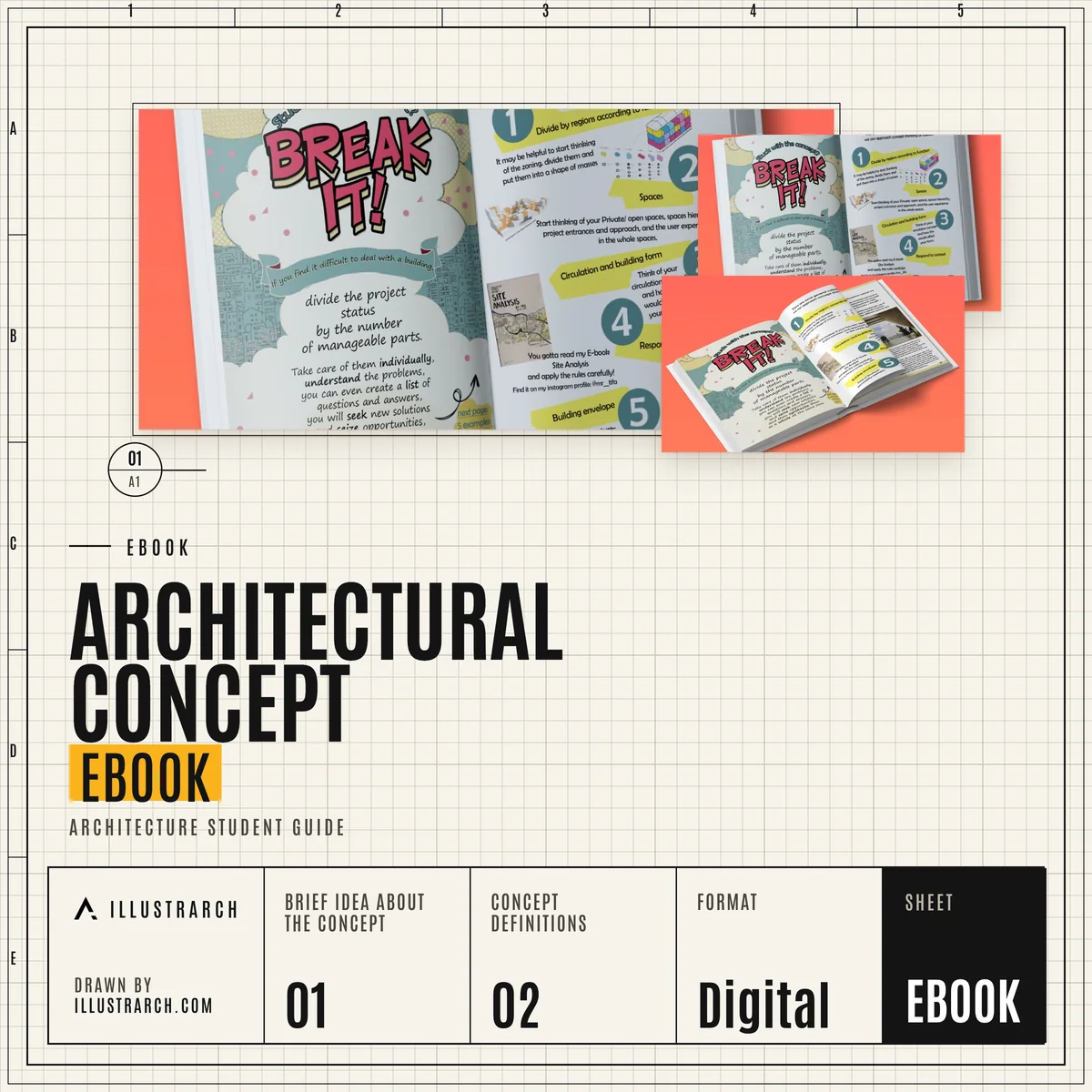
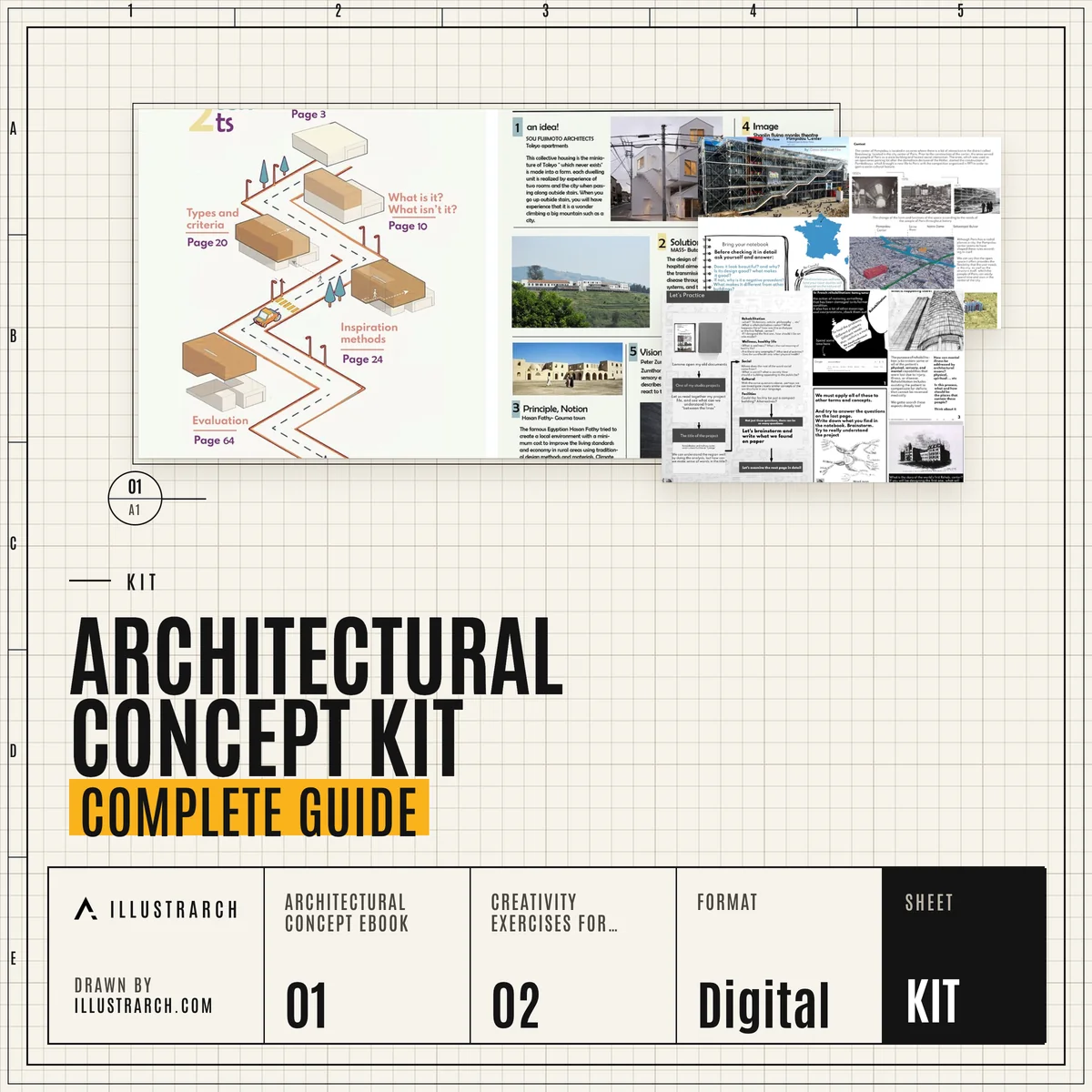
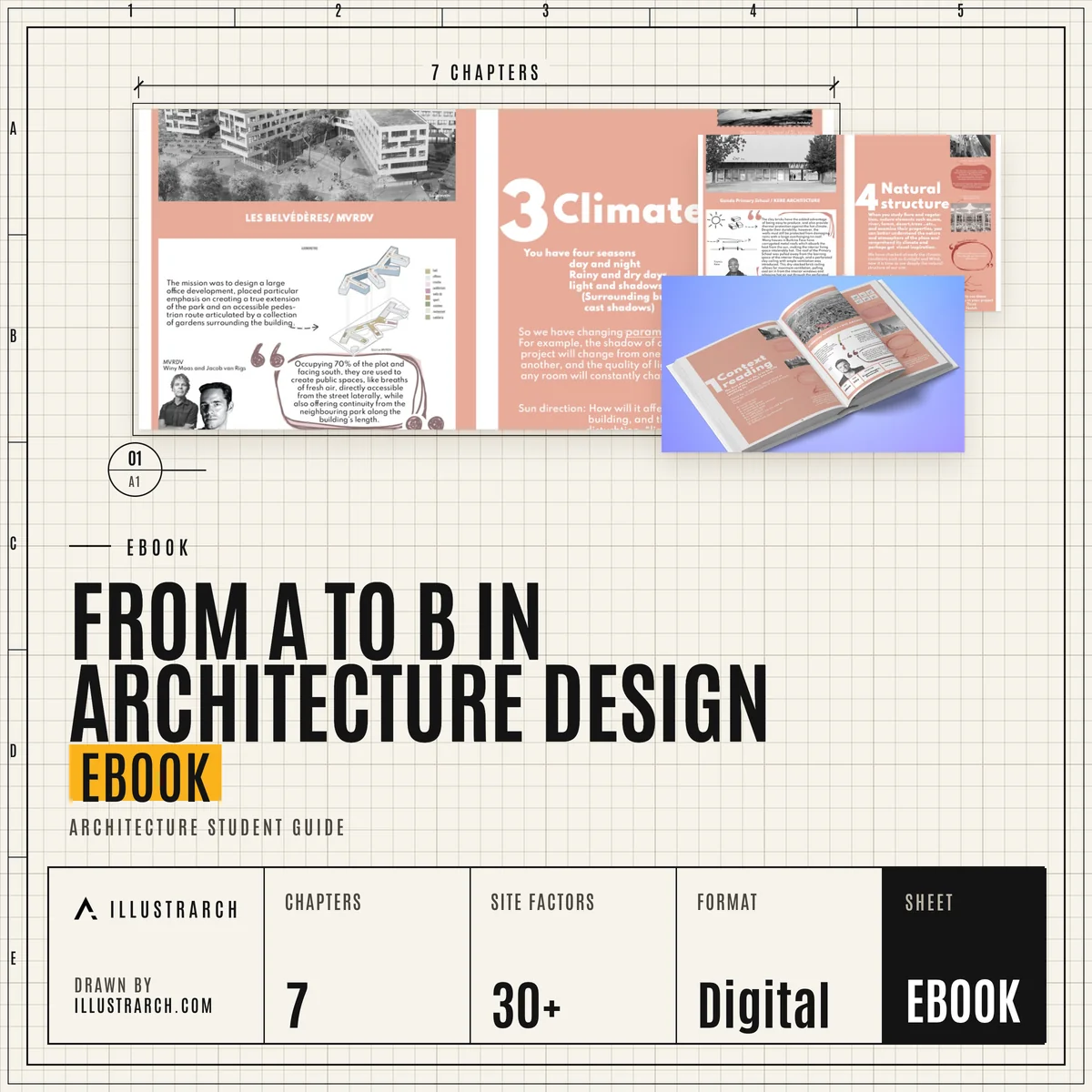
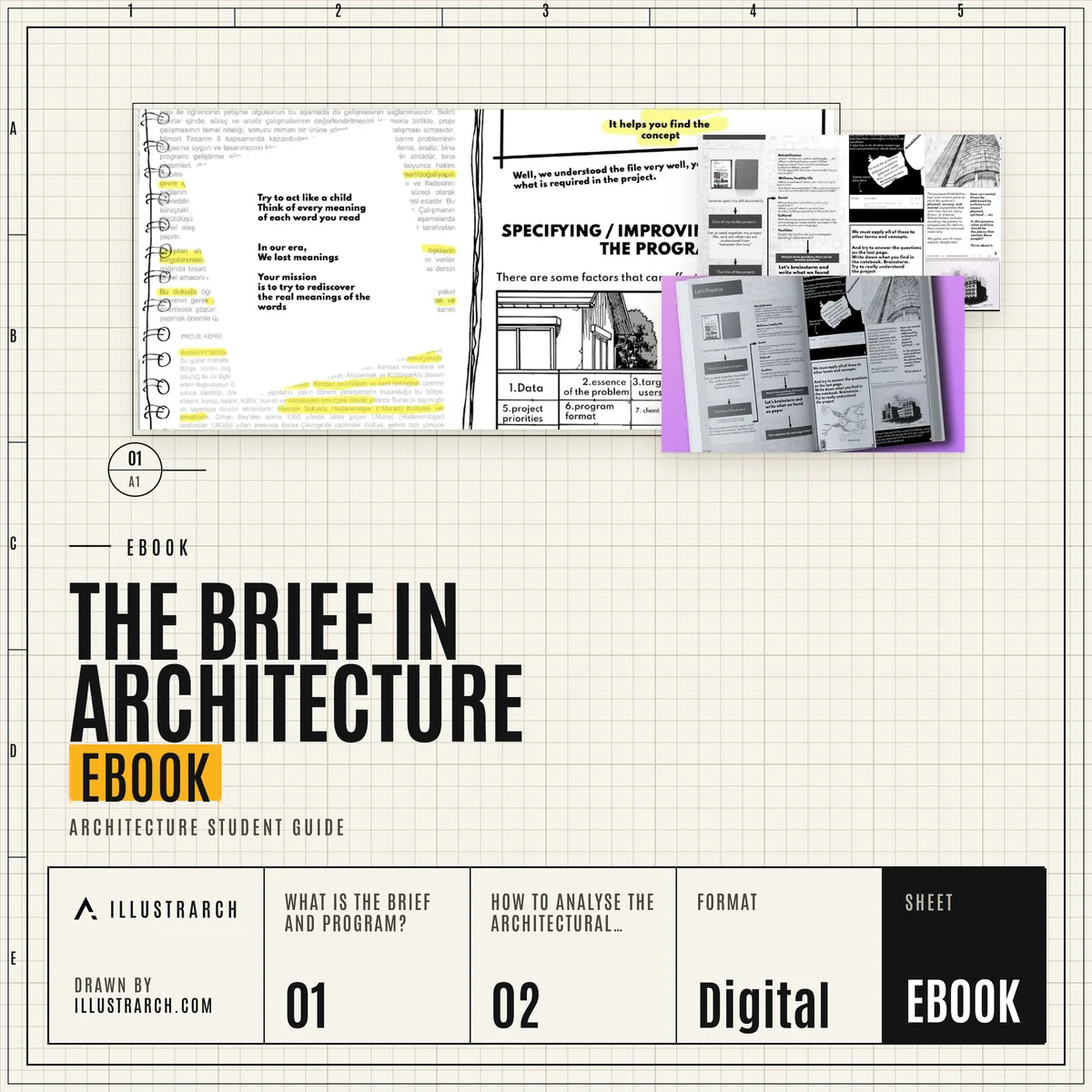
Free eBooks on space design principles and conceptual models, plus concept and brief guides from the illustrarch library for your next studio project.
Browse the library →Free downloads
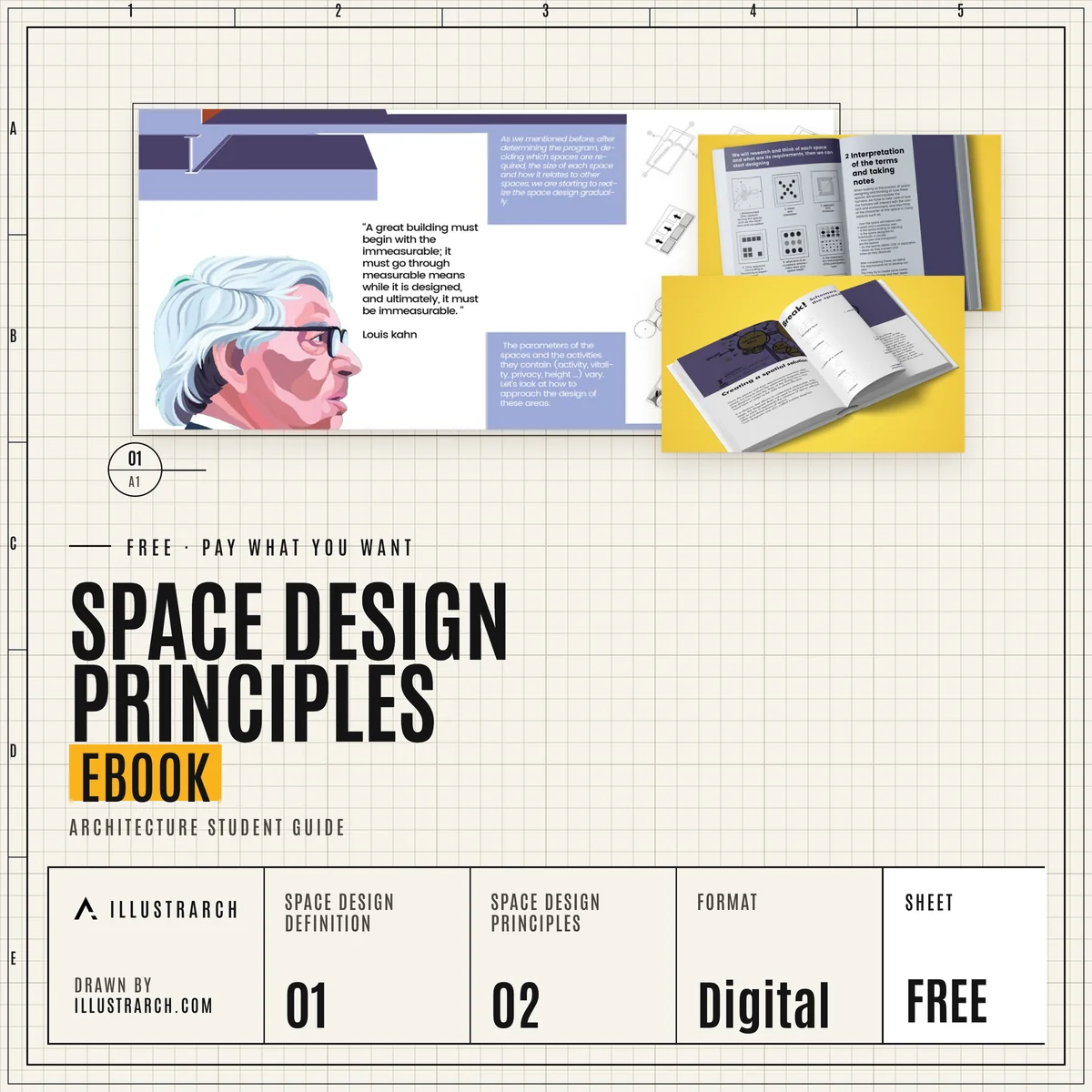 Space Design Principles eBookArchitecture student guideFREE DOWNLOAD
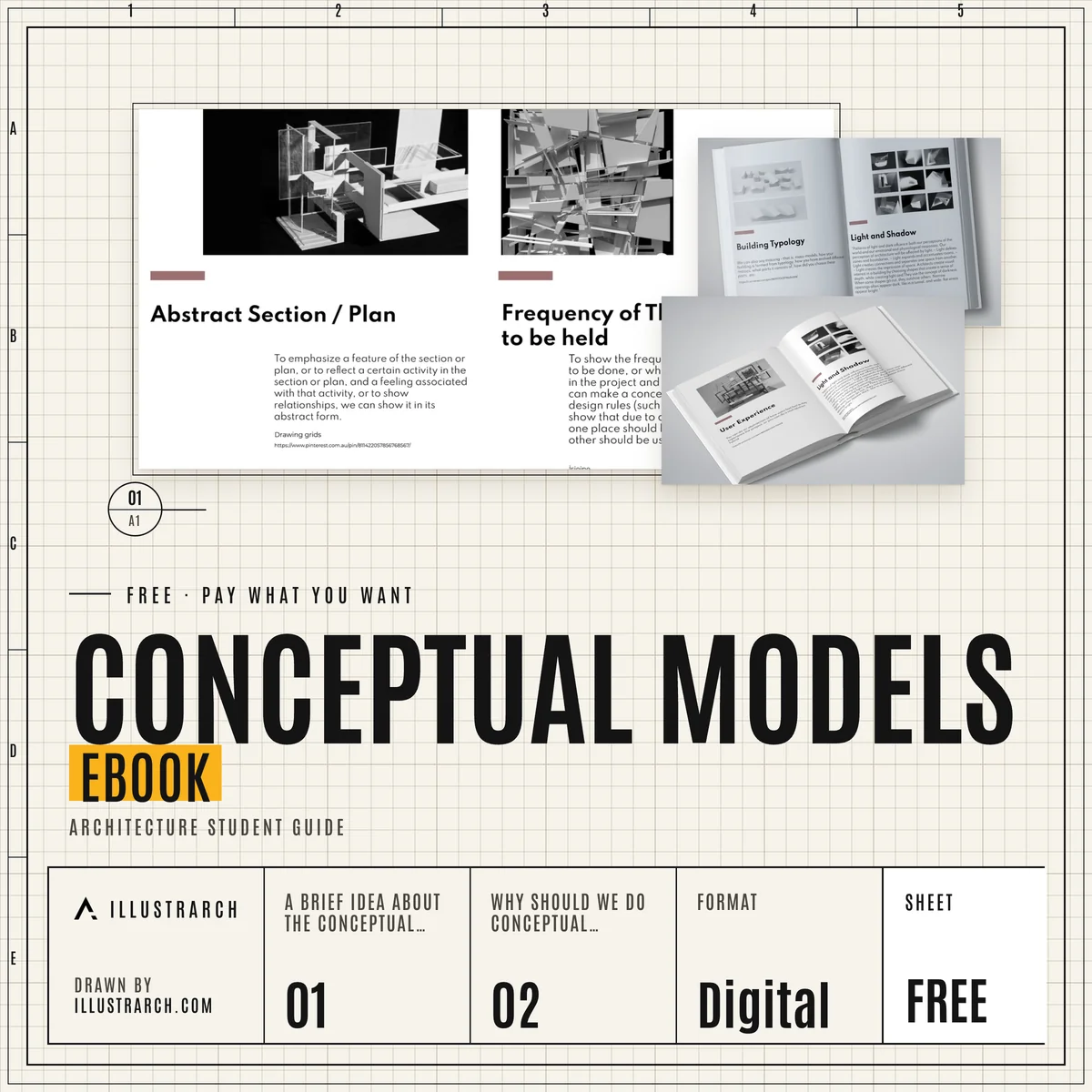 Conceptual Models eBookArchitecture student guideFREE DOWNLOAD
From the illustrarch library
Frequently Asked Questions
What is architectural theory?
Architectural theory is the body of ideas that explains why buildings are designed the way they are. It covers principles such as proportion, scale, order and space, and the ways architecture relates to people, culture and society.
What are the basic design principles in architecture?
The ones taught in most studios include balance, proportion, scale, rhythm, hierarchy, symmetry and unity. Our basics and composition sections explain each with examples.
How is the golden ratio used in architecture?
The golden ratio, about 1.618, is used to set pleasing relationships between parts of a building, such as the height and width of a facade or the division of a plan. Our guides trace its use from historic buildings to modern projects.
Is the golden ratio calculator on illustrarch free?
Yes. The golden ratio calculator is free, runs in the browser and needs no account.
What is the difference between scale and proportion?
Proportion is the relationship between parts of a design and the whole. Scale is the size of a building or element compared with a person or with its surroundings.
How does theory help with a design concept?
Theory gives you the words and principles to explain a design decision. Once you can name the idea behind a project, it is easier to write a concept statement and test it in diagrams and models.
Explore more hubs
Every illustrarch hub collects the guides, tools and downloads for one subject. Pick the next one for your project.
Visit the Students Hub →All free tools →
