

Three-Room Thracian Temple at Balak Dere May Be One of the Last Pagan Sanctuaries in Western Thrace
Excavations at Balak Dere near Ivaylovgrad have exposed a 15-metre trapezoidal temple whose three rooms, for altar, sacrifice and offerings, run in a single line, along with a rare relief of Cybele and three nymphs.
 illustrarch Editorial Team10 November 20262 Mins read1
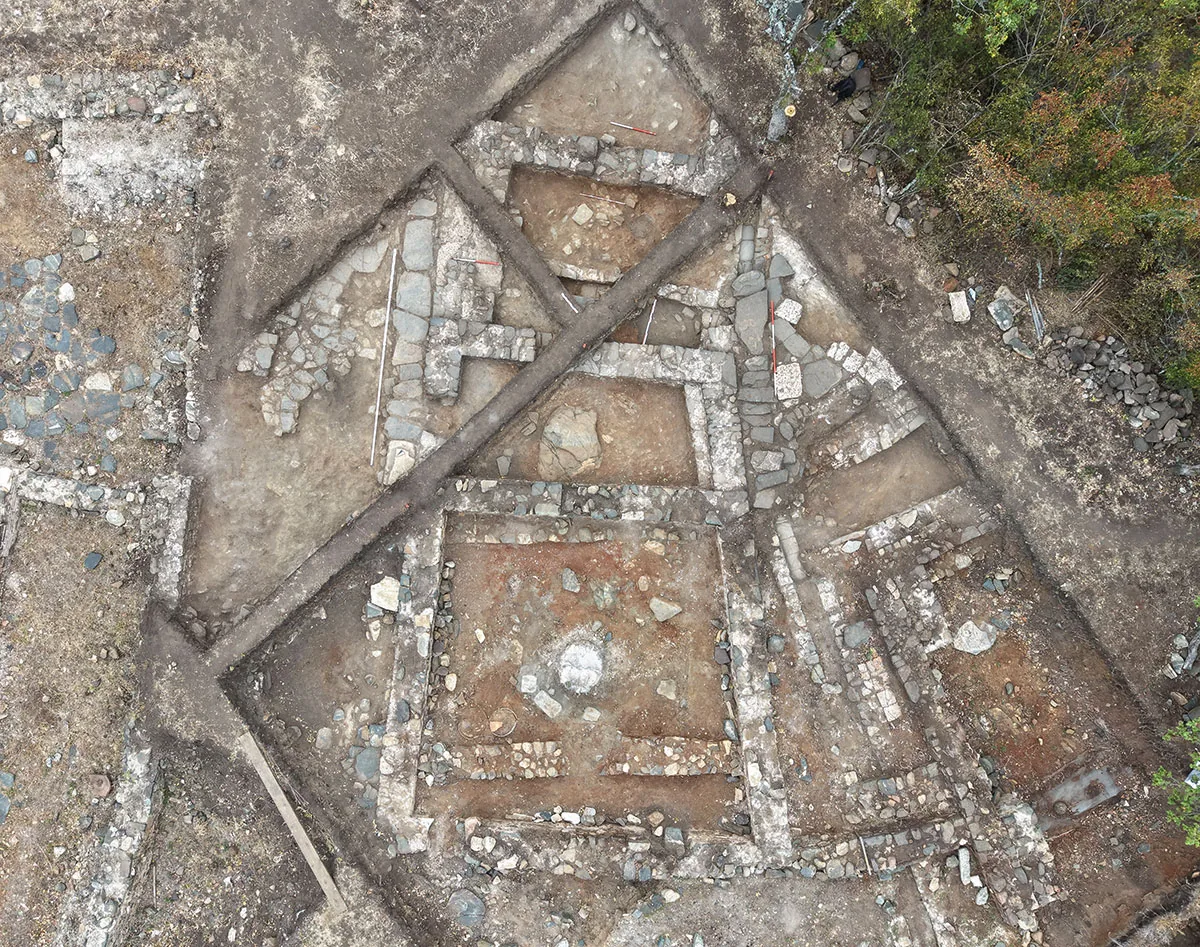
Table of Contents Show
Archaeologists working at Balak Dere, near the town of Ivaylovgrad in southern Bulgaria, have exposed more of a Thracian temple whose plan sets its altar, its place of sacrifice and its store of offerings in a single row of rooms. Bulgaria’s National History Museum, which runs the dig, says the building may be one of the last pagan sanctuaries of Western Thrace.
The 2026 season ended in October. It was led by Ivaylo Kanev, chief curator at the museum, paid for through a Ministry of Culture project and supported by the Municipality of Ivaylovgrad. The results were announced by the museum and reported by the Bulgarian News Agency (BTA).
A 15-metre plan in three rooms
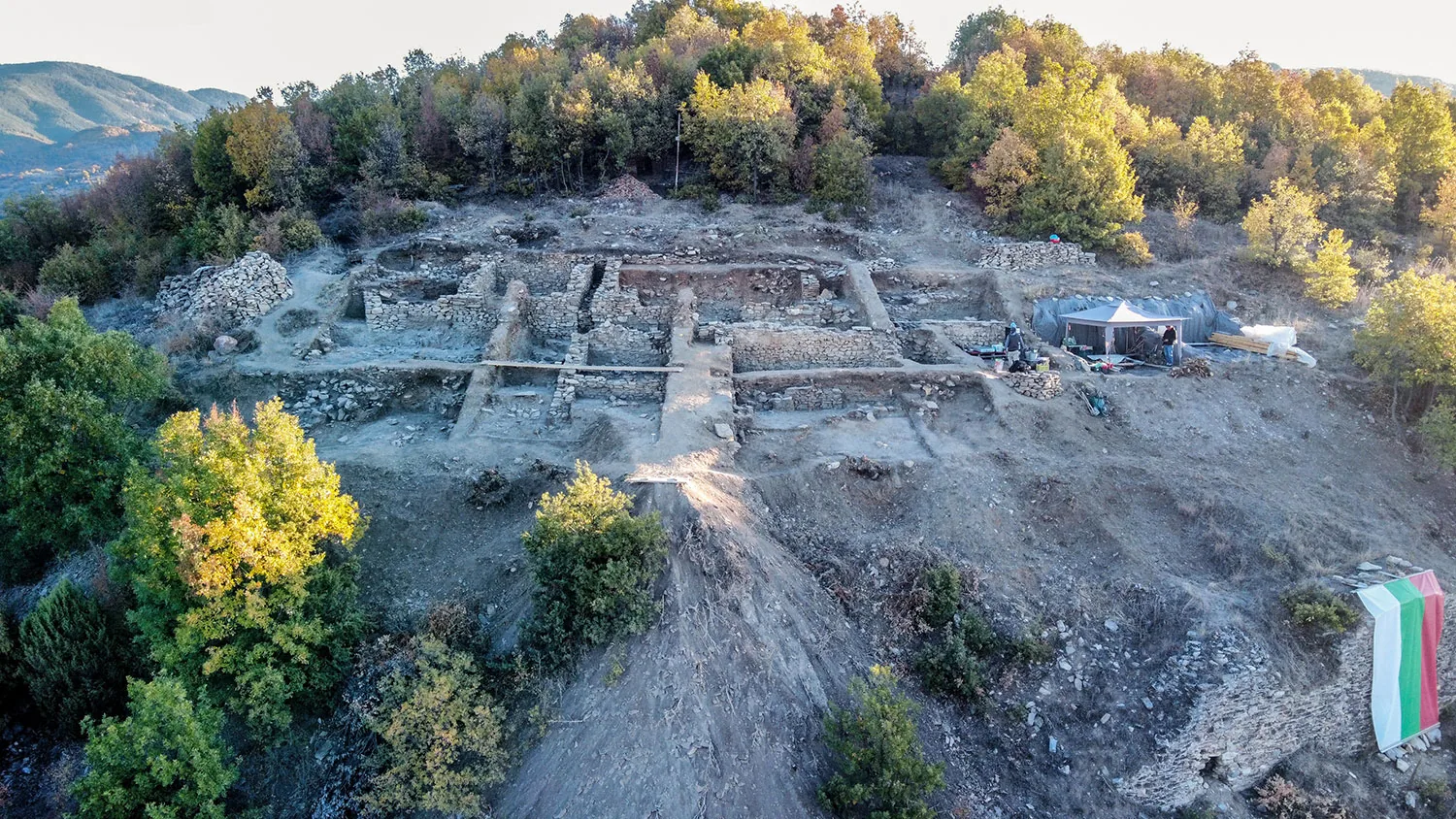
The temple is about 15 metres long, with a trapezoidal footprint aligned from southeast to northwest. Doorways connect its three rooms. The largest contains the altar, the middle room holds a sacrificial altar, and the third was used to keep the gifts brought to the gods.
For the excavators, the value of the find lies in that sequence. Placing the three functions one after another along one axis makes it possible to read how a pagan cult building was organised in practice. The museum goes further, saying that this is the first time all the main elements of pagan temple architecture have been recorded together in a single space within an urban setting of the period.
Cybele, three nymphs and a water channel
A marble relief found at the site gives the clearest hint about whom the temple served. It shows three nymphs alongside Cybele, the mother goddess, and the researchers say they have not met this combination of figures in one composition before.
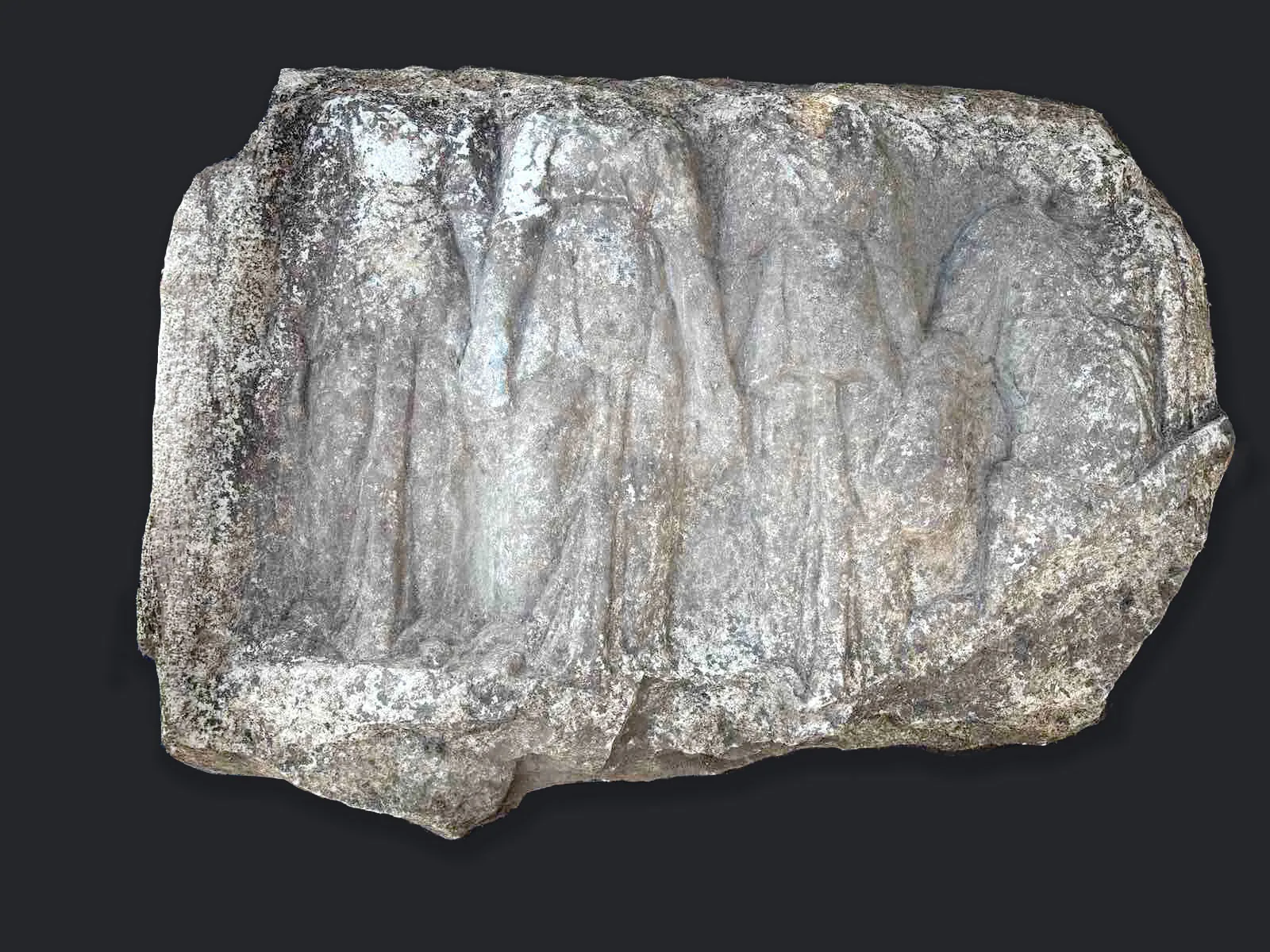
The architecture points in the same direction. A water channel runs around the whole building, and the Arda River flows close by. On that basis the team is working with the hypothesis that the complex functioned as a nymphaeum, a sanctuary dedicated to the nymphs.
Why the Thracian temple matters for late antiquity
The temple is thought to have come into use in the third century AD, and earlier seasons led the team to see the complex on the Arda as an important religious centre for the region. The 2026 results, the museum says, show that life at the site was organised around the activity of the temple complex.
The layers studied so far indicate that pagan rites went on after Emperor Theodosius I banned them by edict in 392, when Christianity was becoming the official religion of the Roman Empire. The complex was burned in the middle of the fifth century. The museum links the fire to that religious shift, although the evidence published so far does not show who set it.
Earlier seasons at the Balak Dere fortress
The temple lies within the remains of the Balak Dere fortress near the village of Huhla in the Eastern Rhodopes. In 2024 the same team reported a nearly square building on the fortress’s main street, 6.5 metres per side, with a cylindrical stone pedestal 0.9 metres across at its centre, and identified it as a pagan temple.
Taken together, the plan, the dating, the relief and the link with water lead the researchers to propose that Balak Dere held one of the last Thracian pagan temples in Western Thrace. They present this as a scientific hypothesis that further excavation will need to test.

Brooklyn Museum’s $48 Million Energy Retrofit Aims to Cut Emissions by 57 Percent
New York City is replacing the Brooklyn Museum's ageing steam plant, adding...
illustrarch Editorial Team2 Mins read
Studio KO Rebuilds Paris’s Bus Palladium Nightclub as a Five Star Hotel
The 1965 Pigalle club is back as a hotel by Studio KO:...
illustrarch Editorial Team2 Mins read
WORKac Hangs a Lecture Hall Inside Cornell’s Restored Sibley Dome
At Cornell, WORKac has restored the 1902 Sibley Dome and suspended a...
illustrarch Editorial Team2 Mins read
Edinburgh Approves Hotel Plan for Basil Spence’s Scottish Widows Headquarters
Seven of the twelve hexagonal modules of the 1970s Scottish Widows offices...
illustrarch Editorial Team1 Mins read



Leave a comment