

Architectural Styles and History Hub
Architectural styles and history, from Greek temples to today's towers
Every history guide, style comparison, architect profile and building study we publish, in one place and in order: follow the timeline, compare the architectural styles of each period, meet the architects behind them, then study the buildings that made them famous.
Start with the timeline →Jump to the classical era →Updated November 2026
Most read architecture history guides
The guides readers open most often from Google search, based on the last 90 days.
- 1
 The 20 Best Architecture Firms in the World Right Now6 min read
- 2Postmodernism vs Modernism Architecture: Key Differences and Their Lasting Impact8 min read
- 3Art Deco vs Bauhaus: Luxury Aesthetics vs Functional Purity in Architecture8 min read
- 450 Most Important Dates in Architecture History Every Architect Should Know18 min read
- 5Brutalism vs Modernism: Concrete Ideals or Sleek Simplicity in Architectural Design?16 min read
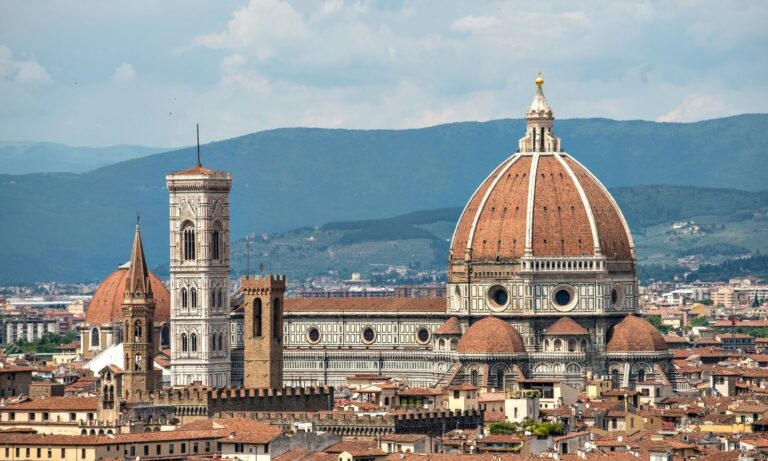
A learning route through architectural history
New to architectural history? Read these nine guides in order. You start with the big timeline, then compare the styles side by side, then study the architects who shaped them.
The key dates, the full timeline and the styles that shaped architecture, from ancient to modern.
Learn to tell styles apart by placing them next to each other, from medieval churches to postmodern towers.
See how famous architects think and use proportion, then meet the firms leading the field today.
Architecture History Timeline
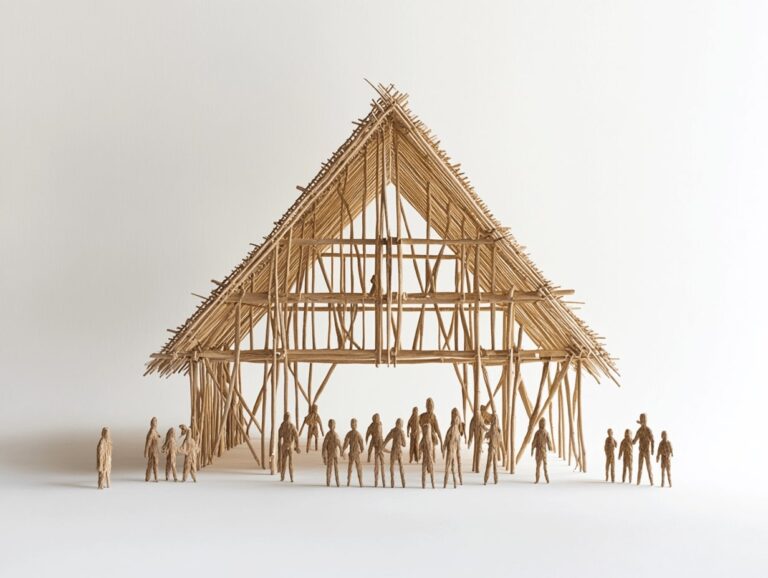
The big picture first. Key dates, a timeline from ancient to modern, the styles that shaped each era and the long story of shelter.
History and heritage articles →Guides and examples

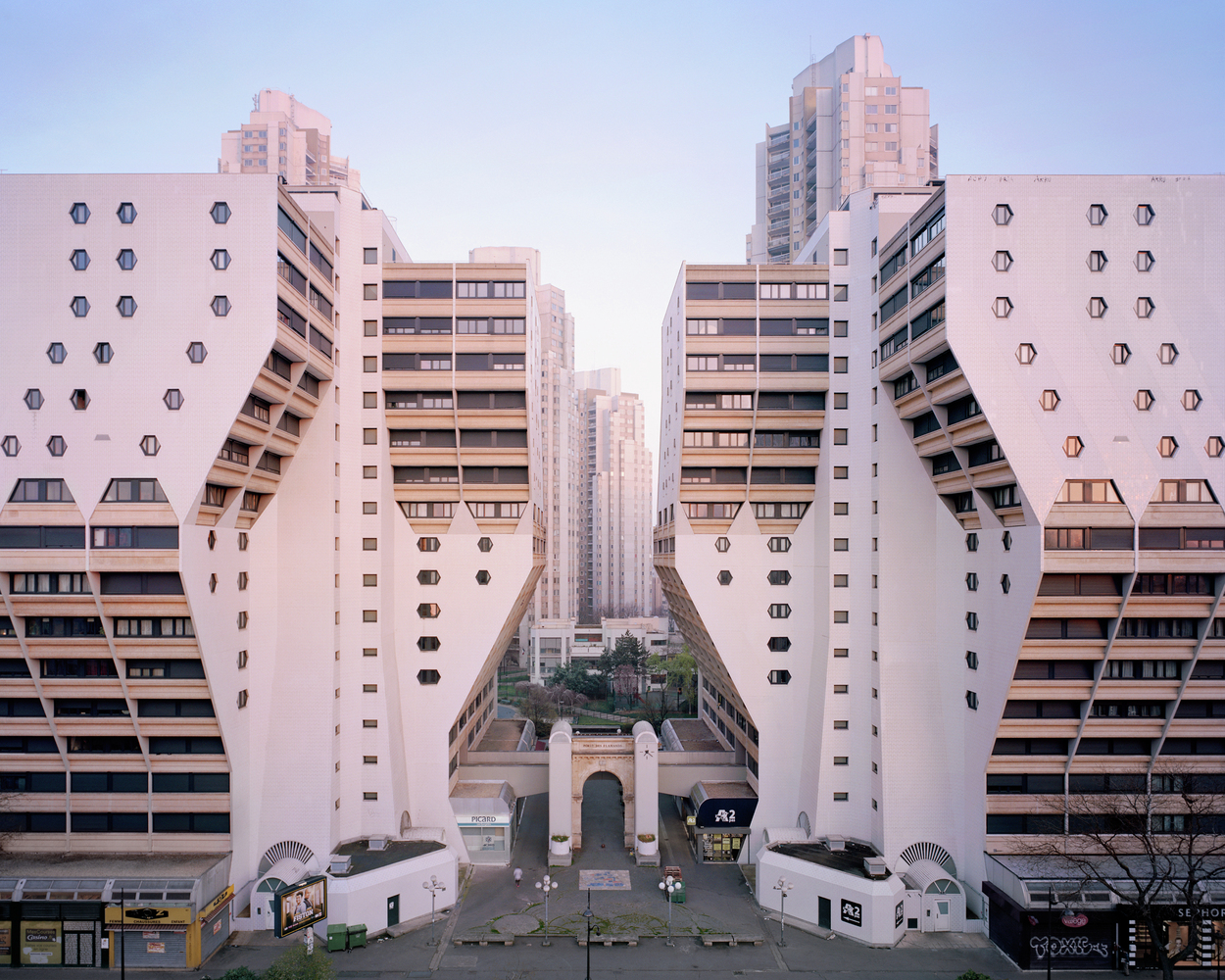
From Classical to Baroque
Greek and Roman order, Byzantine domes, Romanesque and Gothic churches, then Baroque, Rococo and the eighteenth century return to classical rules.
Guides and examples
 Greek and Roman Classical Architecture
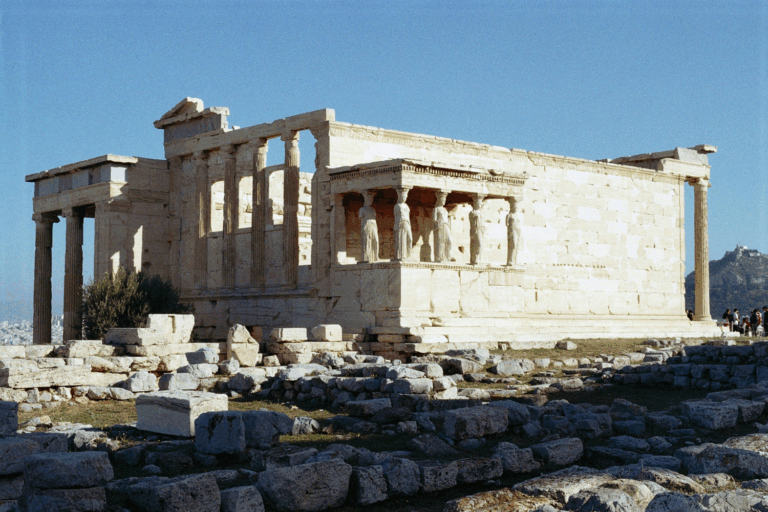 Top 10 Greek and Roman Architectural Innovations
 Petra Architecture: Style, Details and the Legacy of the Nabataean Builders
 Hagia Sophia: Byzantine Architecture That Shaped History
 Baroque vs. Romanesque Architecture: Key Differences Guide
 Gothic vs Neoclassical Arches: Exploring Grandeur and Legacy Across the Centuries
 7 Well-Known Rococo Structures in Europe to Admire for Their Elegance and Intricate Design
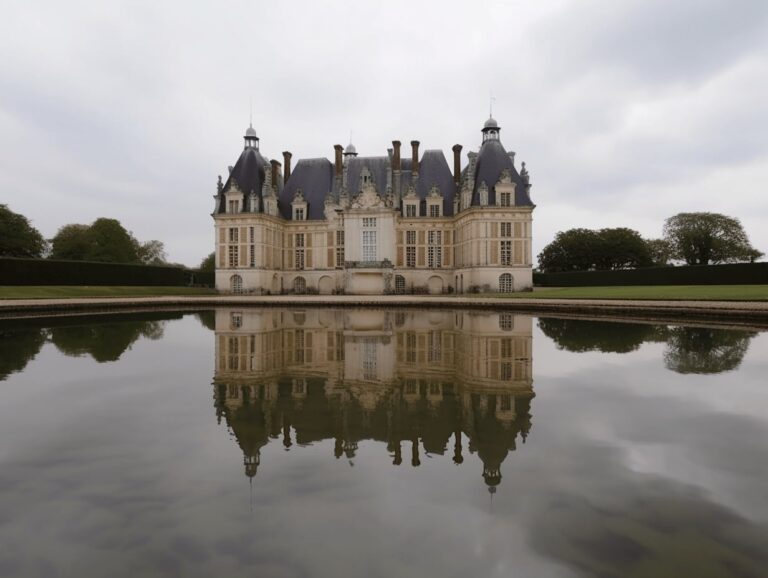 18th Century Architecture: Styles, Buildings, and Legacy
Modern Movements
How architecture broke with ornament: Art Deco and Bauhaus, steel and glass modernism and the raw concrete of Brutalism, each compared with what came before.
All architectural styles →Guides and examples
 The Evolution of Modern Architecture: From Bauhaus to Brutalism
 Art Deco vs Bauhaus: Luxury Aesthetics vs Functional Purity in Architecture
 Neoclassical Architecture vs Modern Architecture: Timeless Order or Radical Innovation
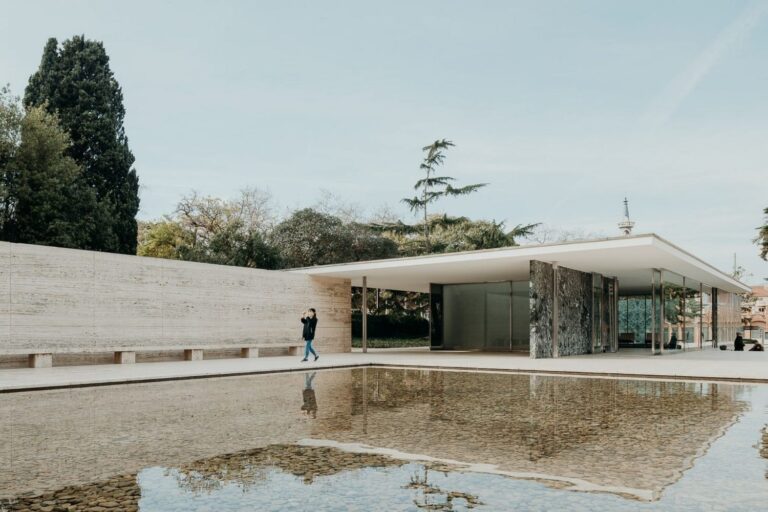 Best Examples of Modern Architecture: Steel and Glass Buildings That Shaped a Movement
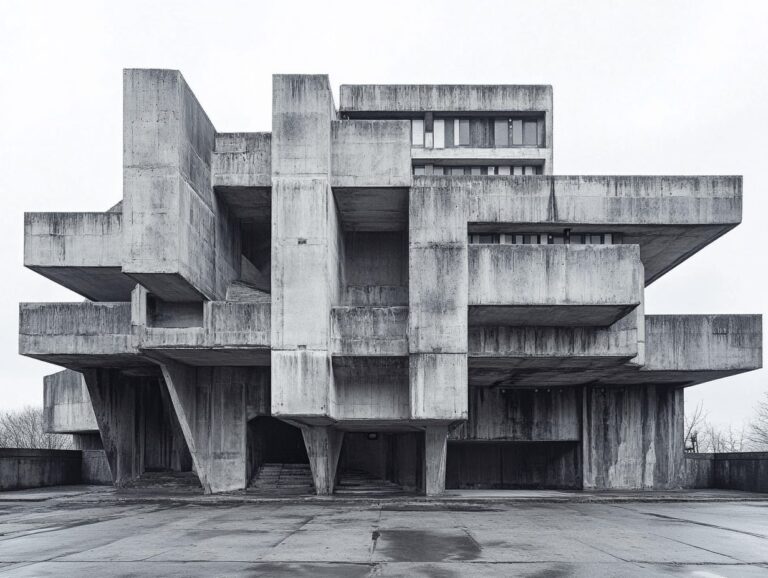 Brutalism vs Modernism: Concrete Ideals or Sleek Simplicity in Architectural Design?
 Brutalist Architecture: The Complete Guide to Concrete Modernism
Postmodernism, Deconstructivism and High Tech
The reactions to modernism: postmodern colour and irony, deconstructivist fragments, high tech buildings that show their structure and the curves of neo futurism.
Guides and examples
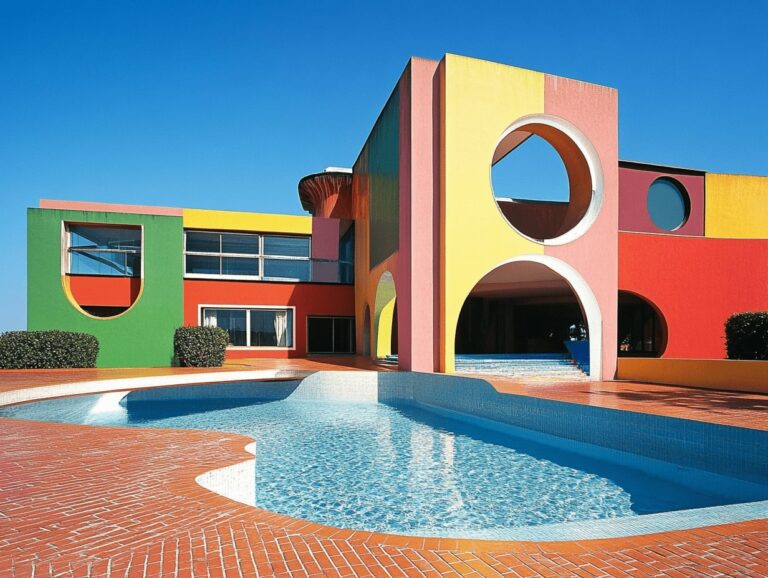 Postmodernism vs Modernism Architecture: Key Differences and Their Lasting Impact
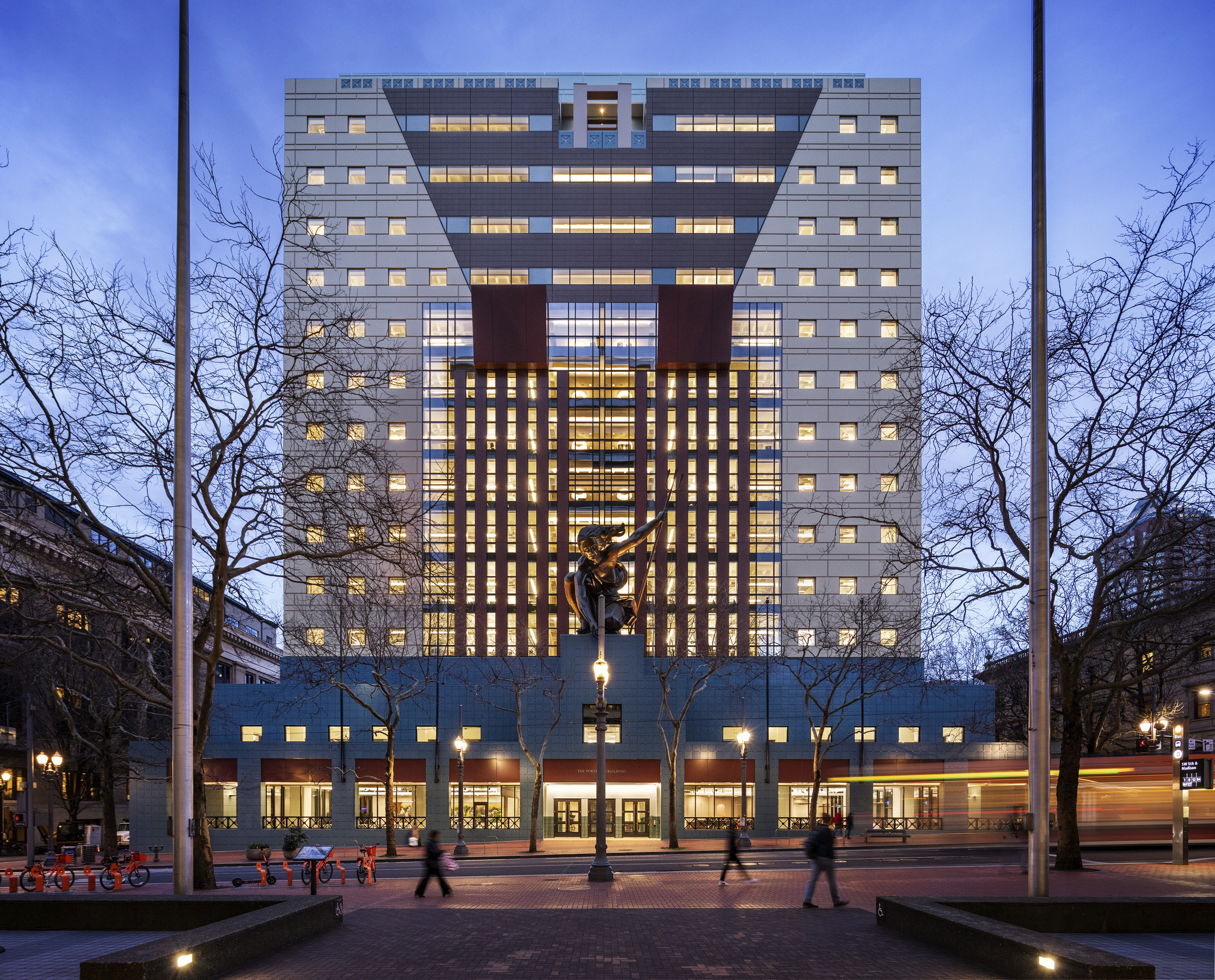 Famous Examples of Postmodern Architecture
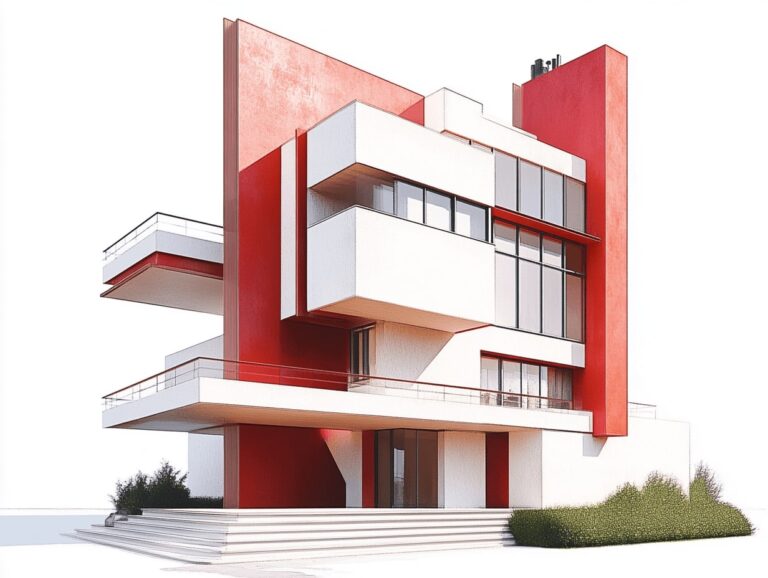 Constructivism vs Deconstructivism Architecture: Key Differences and Influences Explained
 What Is Deconstructivism in Architecture? Principles, Timeline and Iconic Buildings
 Architecture Inside Out: How High-Tech Buildings Turned Structure Into Spectacle
 Neo Futurism vs Brutalism: 12 Key Differences Compared
Regional and Vernacular Traditions
Styles shaped by climate, craft and culture, from Nubian villages and Ottoman houses to Japanese, Indonesian, Scandinavian and American traditions.
Guides and examples
 Nubian Architecture: Color, Climate, and Community Along the Nile
 Vernacular Architecture #2: Ottoman Architecture
 Traditional Japanese Architecture: Features, Evolution, and Key Examples
 Vernacular Architecture #3: Indonesia Architecture
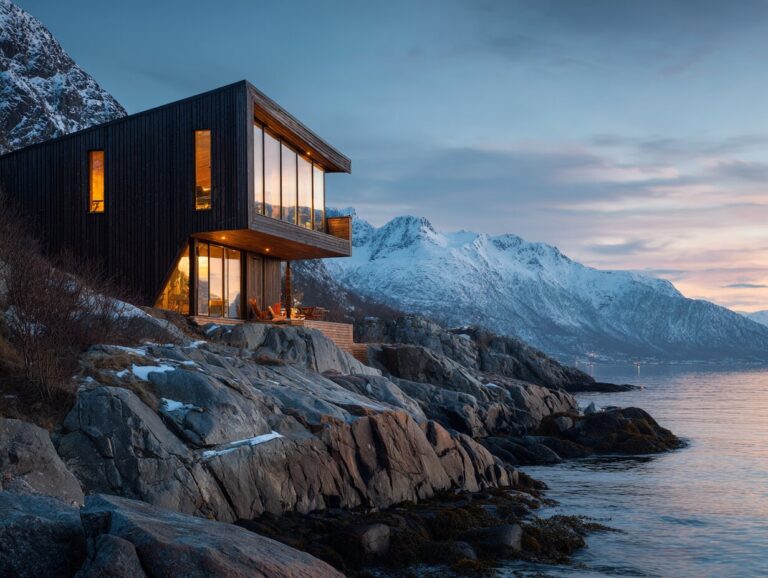 Scandinavian Modern House: 12 Nordic Homes That Define the Style
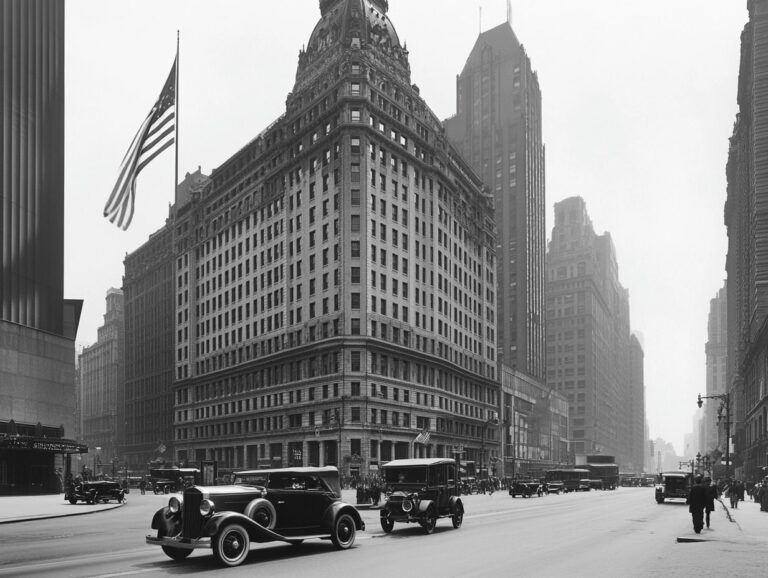 American Architecture: Styles, History, and Examples
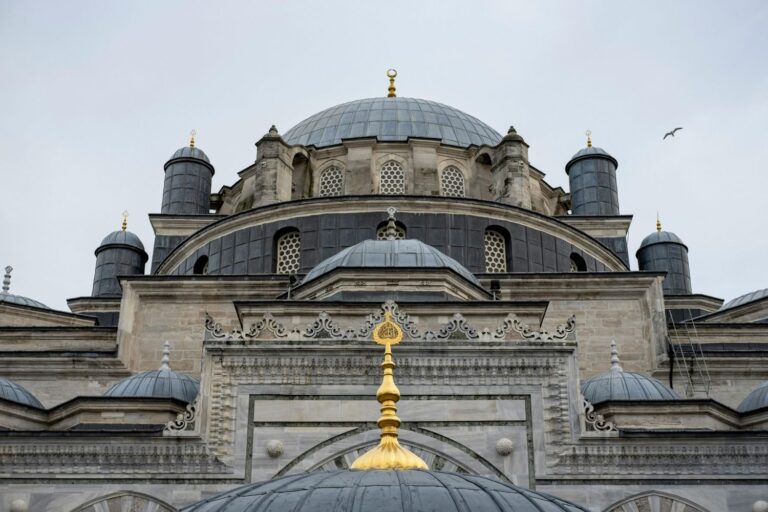 Islamic Architecture vs Gothic Architecture: Sacred Geometry East and West
 Great Mosque of Djenné: Earth Architecture and Collective Craft
Famous Architects and Their Ideas
The people behind the styles. Design philosophies of the masters, from Gaudí, Wright, Le Corbusier and Aalto to Zumthor and Zaha Hadid.
All famous architects →Guides and examples
 Most Famous Architects and Their Design Philosophies
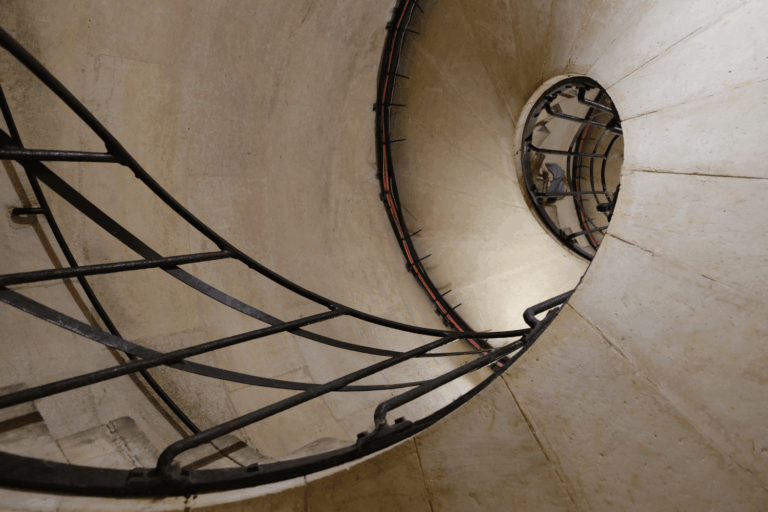 8 Famous Architects Who Used the Golden Ratio
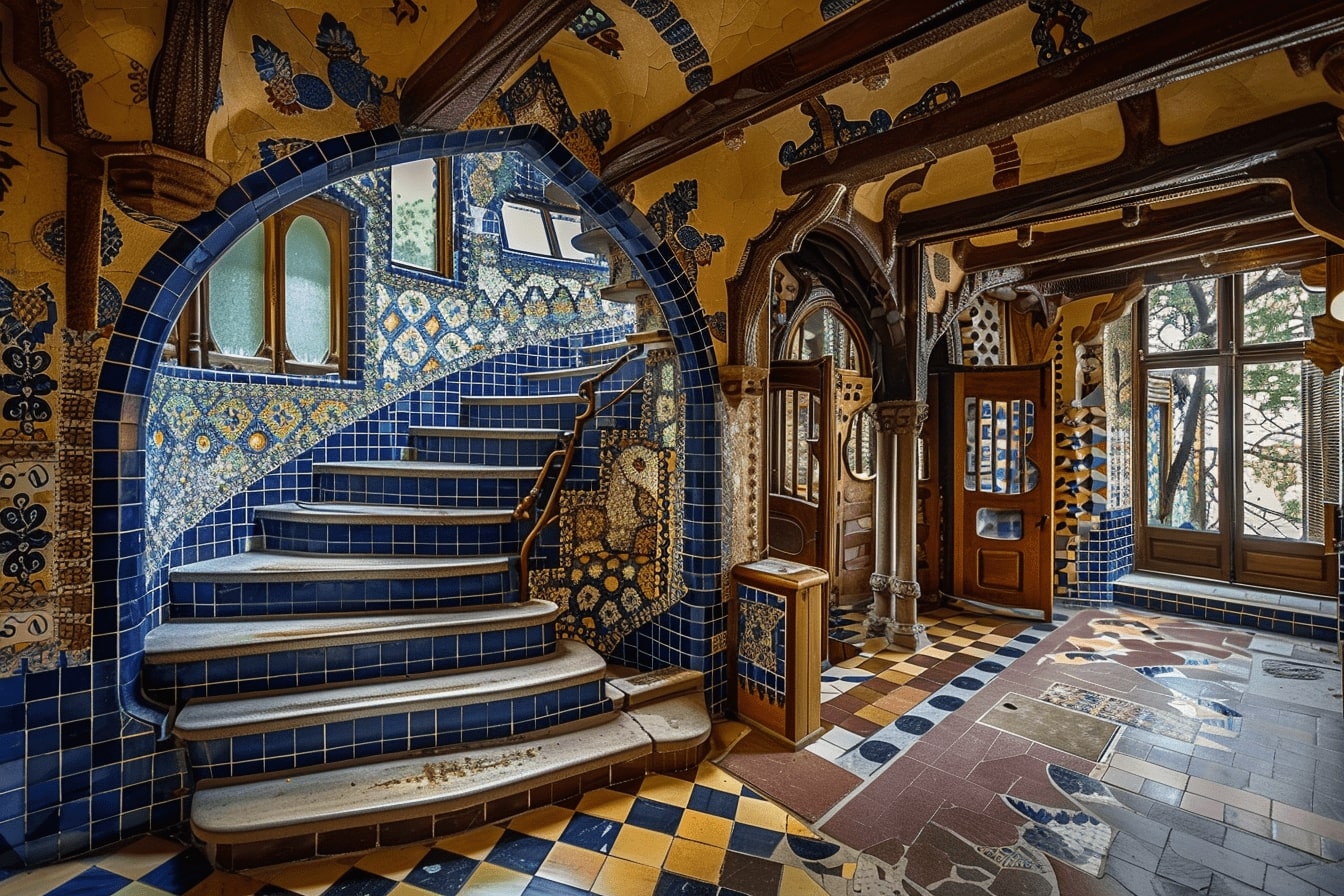 Antoni Gaudi Architecture: Style, Works and Legacy
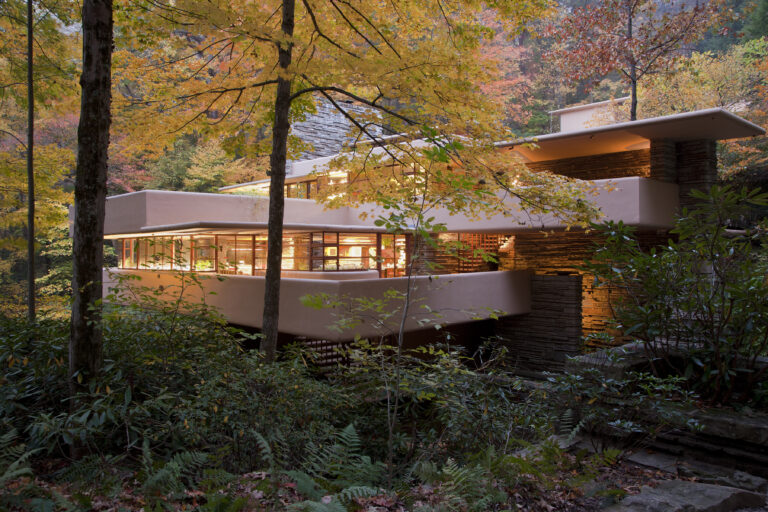 Frank Lloyd Wright Organic Architecture: Philosophy and the Revolution It Started
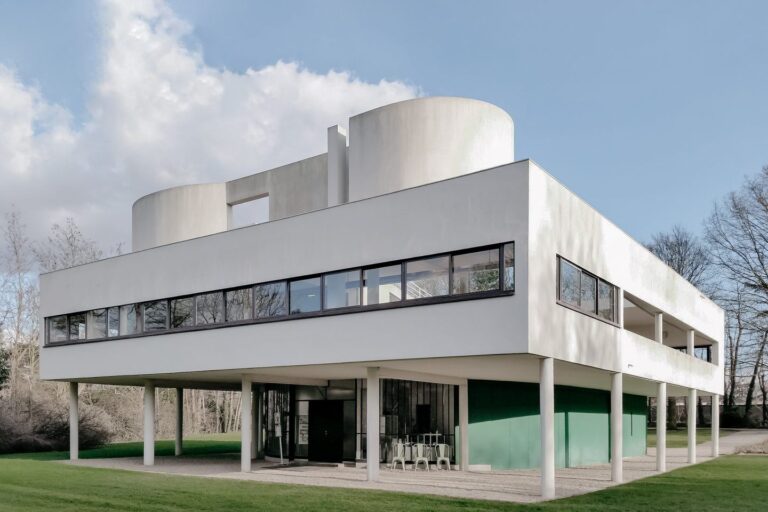 Le Corbusier: Design Philosophy of His Famous Buildings
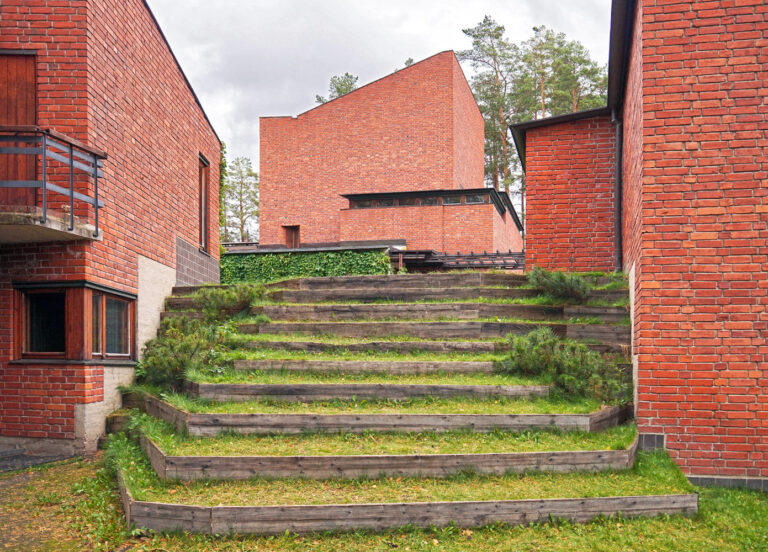 Alvar Aalto: Design Philosophy Behind His Most Famous Works
 Peter Zumthor: Philosophy of Space, Silence, and the Senses
 Zaha Hadid Design Secrets: Style, Projects & Interior Vision
Architects and Firms Today
The practices and architects shaping current work, with guides to leading firms, women led studios and the built work of Koolhaas, Kuma, Piano, Gehry and Bofill.
Guides and examples
 The 20 Best Architecture Firms in the World Right Now
 Largest Architecture Firms in the World: Who Leads the Global Rankings?
 Best Women-Led Architecture Firms: 20 Practices to Know and Follow
 Top 10 Iconic Buildings by Rem Koolhaas
 Kengo Kuma Architecture: Nature-Inspired Works and Design
 Unveiling the Design Secrets of Renzo Piano
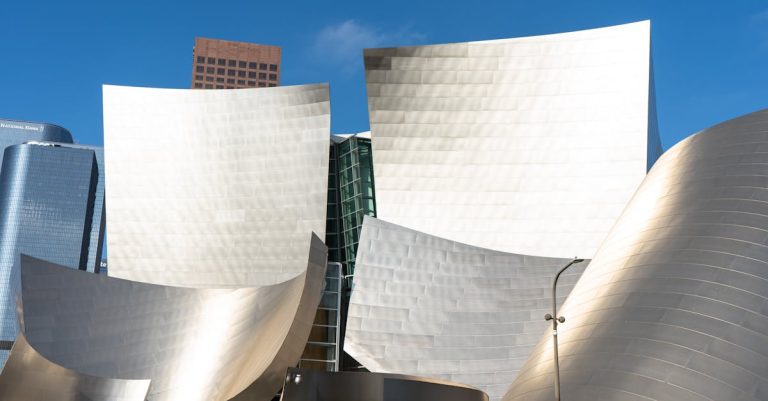 Frank Gehry Architecture: Style & Famous Buildings Guide
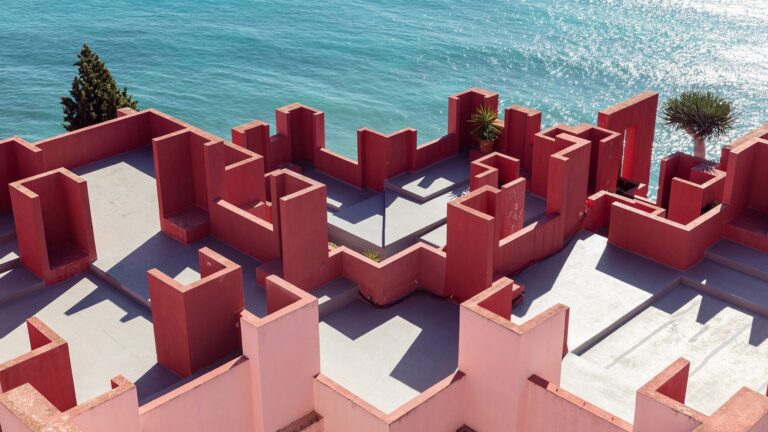 Understanding Ricardo Bofill Architecture
Famous Buildings and Skyscrapers
Close looks at landmarks you will meet in every history lecture, from the Sydney Opera House and the Sagrada Família to the skyscrapers that changed the city.
All famous buildings →Guides and examples
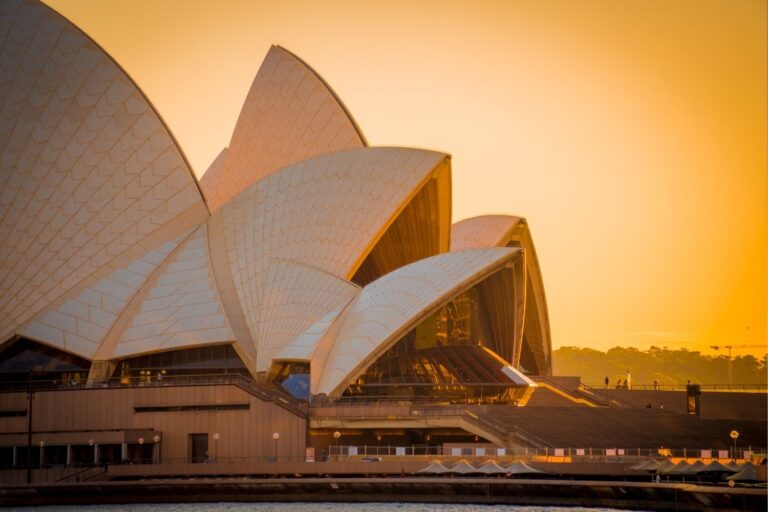 Sydney Opera House Architecture: Utzon’s Iconic Design Guide
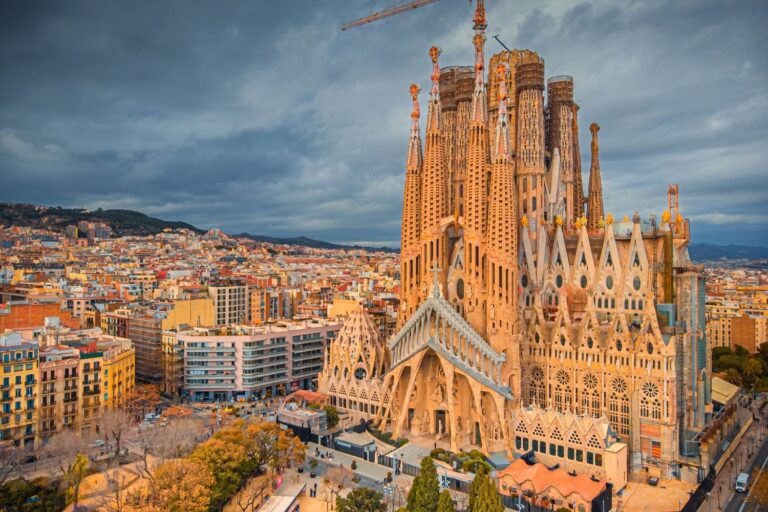 Sagrada Familia Architecture: Gaudí’s Sacred Geometry Inspired by Nature
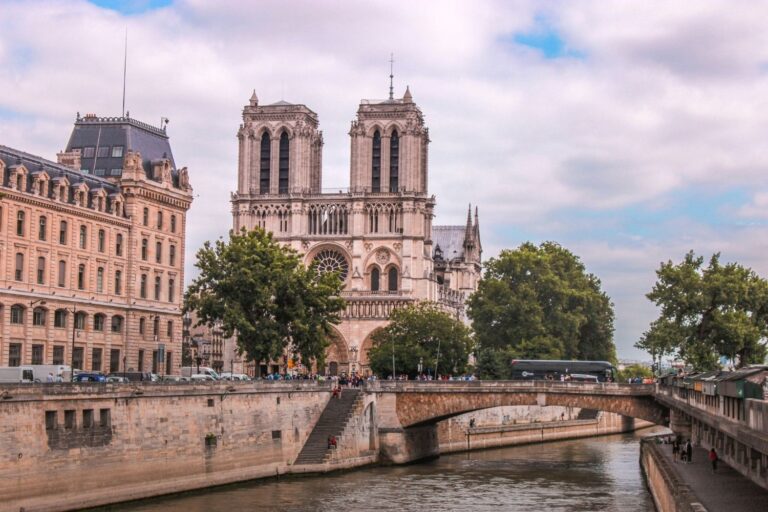 Notre Dame Cathedral: Architecture, Memory, and Collective Identity
 Marina Bay Sands: Singapore’s Gravity-Defying Architectural Landmark
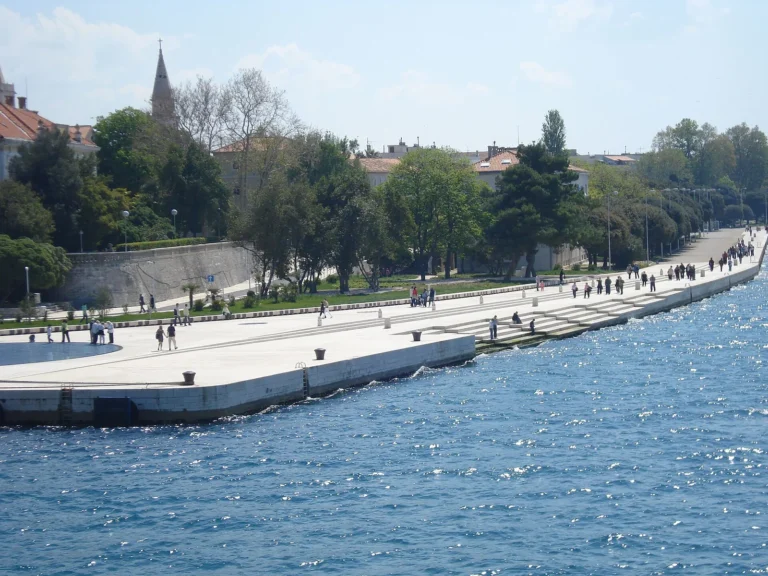 Listening the Sound of Architecture; Zadar Sea Organ
 Skyscraper Architecture: History, Design & Construction Guide
 Burj Khalifa: How Many Floors, Height, Cost & Views Guide
 Petronas Towers: Islamic Geometry Meets Modern Skyscraper Design
How to tell the main styles apart
Each style answered the needs and tools of its time. Use this table to place a building in its period, then open the guide for examples and more detail.
| Style | Period | Look for | Guide |
|---|---|---|---|
| Romanesque | c. 1000 to 1150 | Round arches, thick walls and dim interiors | Read → |
| Gothic | c. 1150 to 1500 | Pointed arches, flying buttresses and stained glass | Read → |
| Baroque | c. 1580 to 1750 | Curved plans, theatrical light and gilded ornament | Read → |
| Art Deco | 1925 to the late 1930s | Stepped silhouettes, bold geometry and rich ornament | Read → |
| Bauhaus | 1919 to 1933, the school years | Flat roofs, white walls and ribbon windows | Read → |
| Brutalism | 1950s to 1970s | Exposed raw concrete and heavy, honest forms | Read → |
| Postmodernism | 1960s to 1990s | Colour, ornament and playful historic references | Read → |
| Deconstructivism | From the 1980s | Fragmented forms and broken, non-linear geometry | Read → |
Downloads for History and Precedent Study
Free precedent sheets on landmark buildings and an illustrated glossary of architecture terms, plus a guide to reading buildings from the illustrarch library.
Browse the library →Free downloads
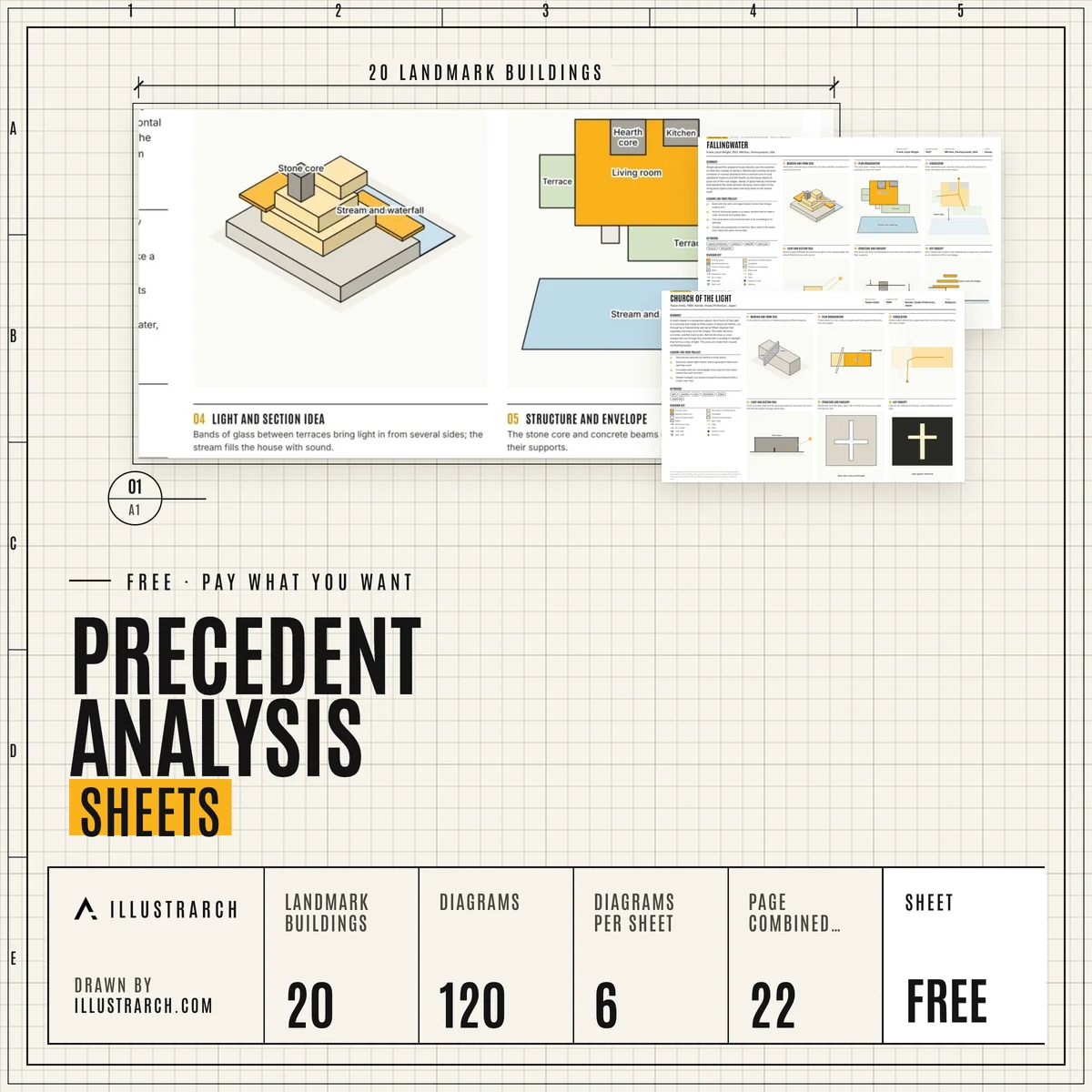 Precedent Analysis Sheets20 landmark buildings, 120 diagrams, A3 sheetsFREE DOWNLOAD
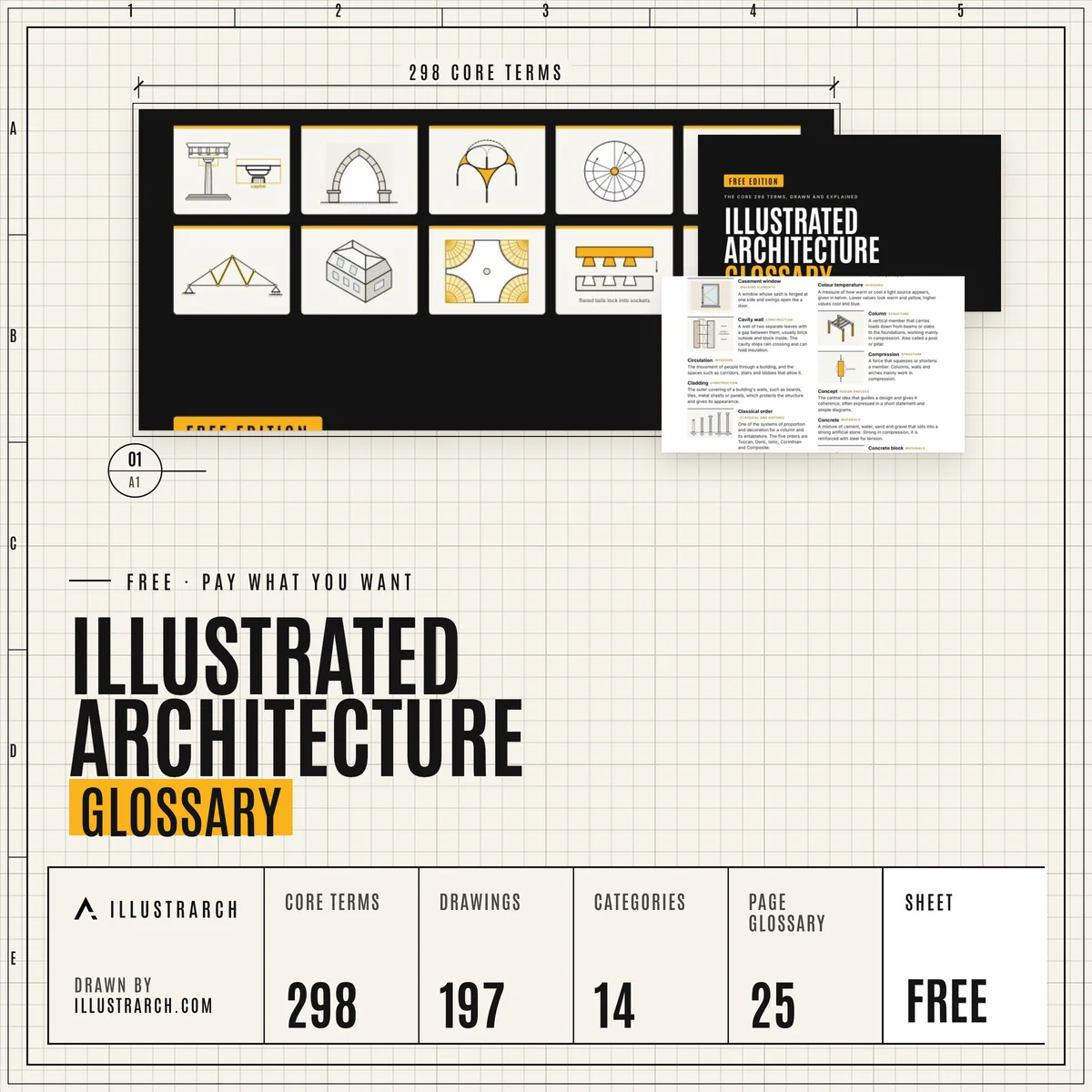 Illustrated Architecture Glossary298 core terms and 197 drawingsFREE DOWNLOAD
From the illustrarch library
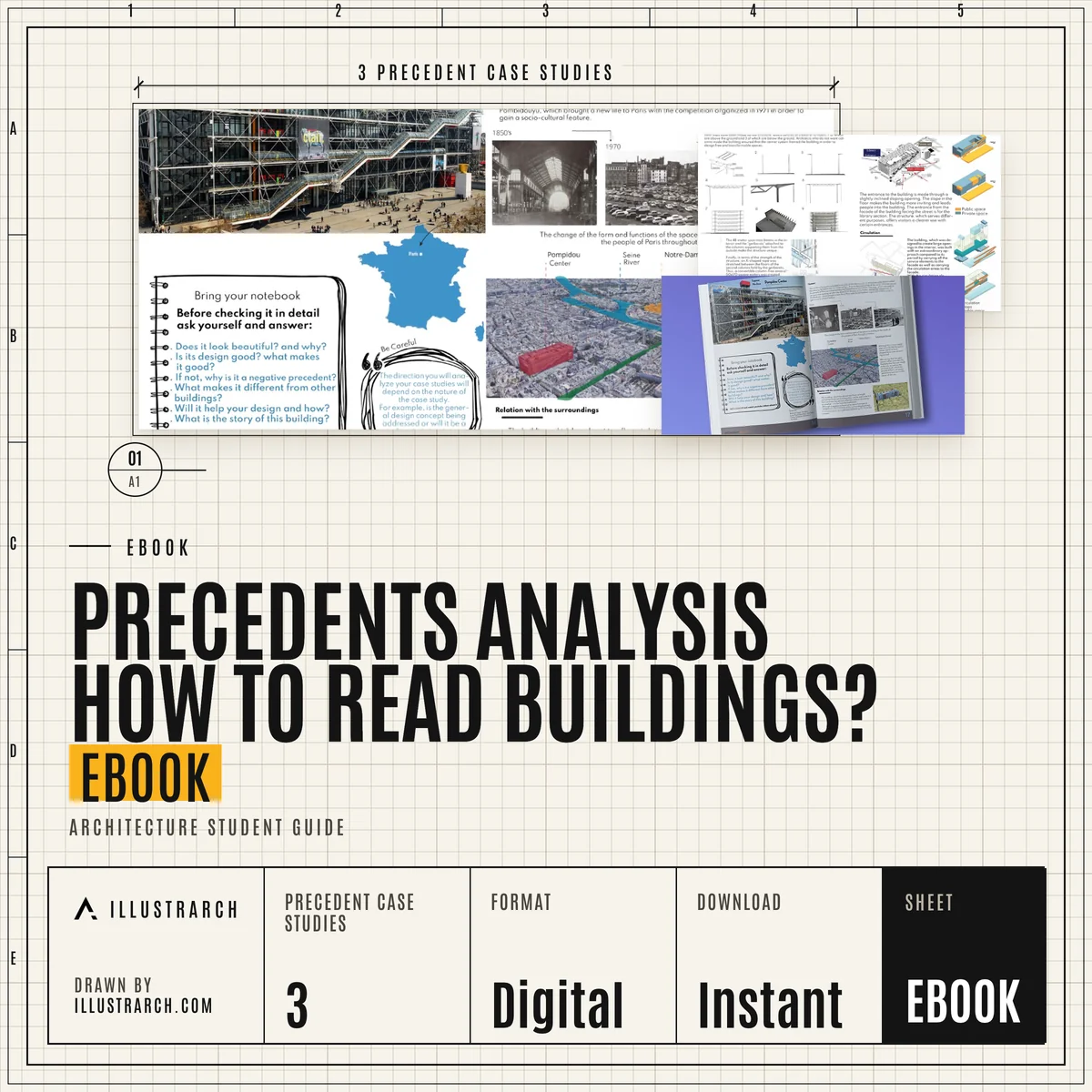
Frequently Asked Questions
What are the main architectural styles in history?
A common sequence runs from Greek and Roman classical architecture through Byzantine, Romanesque, Gothic, Renaissance, Baroque and Neoclassical, to Modernism, Brutalism, Postmodernism and Deconstructivism. Regional and vernacular traditions run alongside all of them.
What is the difference between Modernism and Postmodernism?
Modernism favours function, simple forms and little or no ornament. Postmodernism reacted against it with colour, historical references, ornament and a sense of humour.
What is vernacular architecture?
Vernacular architecture is building shaped by local climate, materials and craft traditions rather than by a named architect or an international style. Our regional section covers examples from Nubia, Turkey, Japan, Indonesia and more.
Who are the most famous architects?
Lists usually include Antoni Gaudí, Frank Lloyd Wright, Le Corbusier, Alvar Aalto, Zaha Hadid, Frank Gehry, Renzo Piano and Peter Zumthor. Our architect profiles explain the ideas behind their best known work.
How should I study a famous building?
Look at its context, plan, section, structure and materials, then ask what idea ties them together. Our free precedent analysis sheets give you a template to follow.
Explore more hubs
Every illustrarch hub collects the guides, tools and downloads for one subject. Pick the next one for your project.
Visit the Students Hub →All free tools →
