

Krystal Design Award 2026: Graduation Competition
Krystal Design Award invites 2024, 2025 and 2026 graduates to enter their graduation projects for a USD 10,000 prize pool and 10 paid internships. Deadline 15 November 2026.
 illustrarch Editoral Team20 October 20261 Mins read37
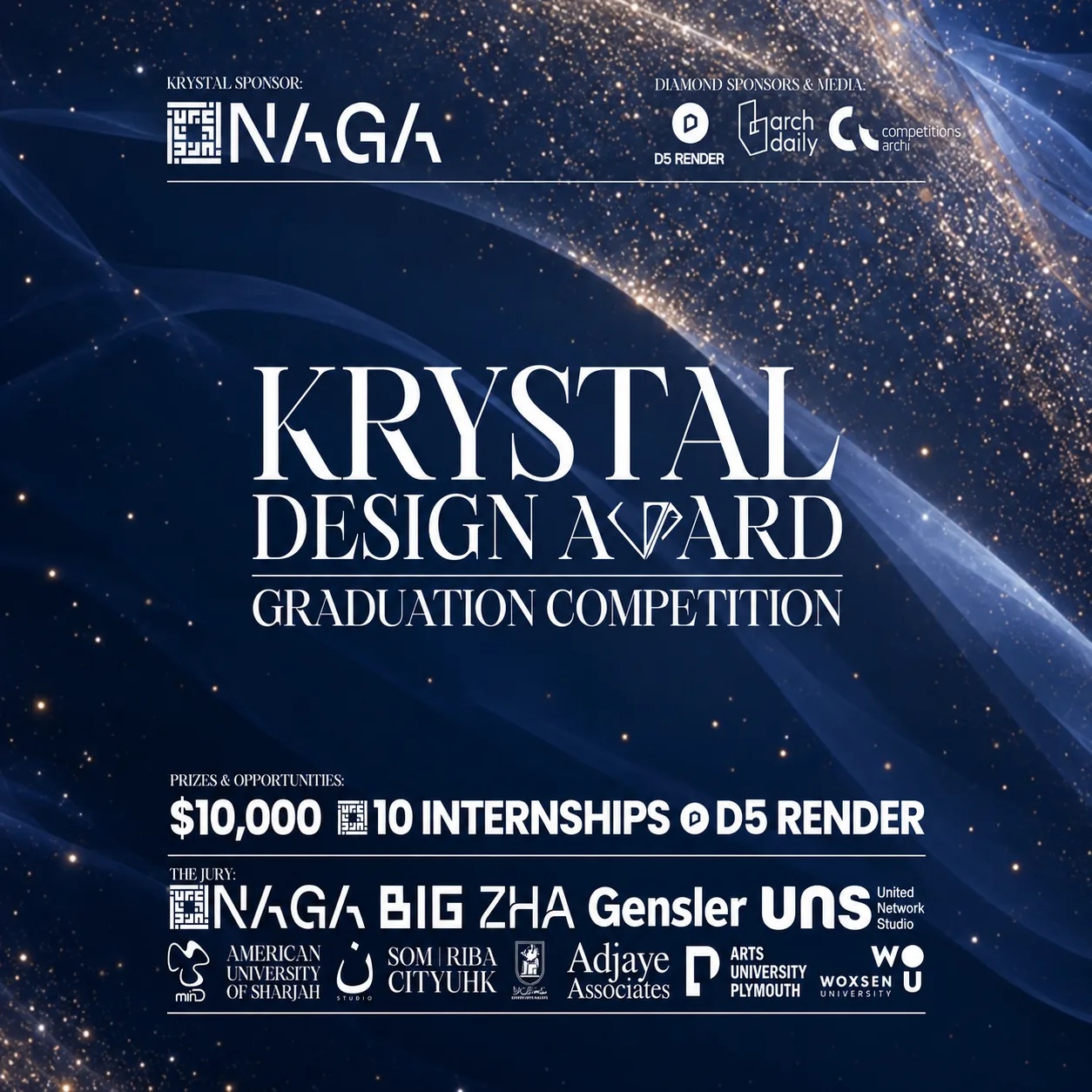
The Krystal Design Award has opened its graduation competition for recent graduates in architecture, urban design and interior design. Anyone who completed a bachelor graduation project or a master design thesis in 2024, 2025 or 2026 can enter that project, alone or as a team. Submissions close on 15 November 2026 and winners are expected in January 2027.
The organisers frame the award around what they call deep-rooted thinking: projects tied to their climate, materials and social context, buildings that carry cultural meaning and speak the language of their country, and design that aims to last a century rather than follow a trend. Their shorthand for it is a timeless design with a time-full experience, one that reads the past, answers the present and shapes memory for the future.
The USD 10,000 prize pool, paid by Krystal sponsor NAGA Architects, is split into USD 3,000 for first place, USD 1,500 for second and USD 1,000 for third, six category awards of USD 500 each (urban and landscape, interior design, residential and housing, commercial and hospitality, public and institutional, BIM and technical) and ten honourable mentions of USD 150. NAGA Architects also offers 10 paid internships across its offices, and D5 Render provides Pro licences for the top five winners. A shortlist of 50 and a longlist of 100 receive certificates, alongside School of the Year and Supervisor of the Year awards.
The jury includes Shams Eldien Naga (NAGA), Robert Grimm (BIG), Lenka Petrakova (Zaha Hadid Architects), Cristiano Luchetti (Gensler), Dennis Ho (SOM), Lucy Tilley (Adjaye Associates) and Hannes Pfau (UNS), together with academics from the American University of Sharjah, Arts University Plymouth, Woxsen University and Cairo University. Jurors may also offer internships to any participant.
Registration costs USD 35 until 31 October and USD 45 from 1 November until the deadline. Entry is free for students from countries facing instability or limited access to online payments, including Lebanon, Palestine, Sudan, Syria, Ukraine and Yemen, and for students with refugee status. Universities can register groups through institutional packages. Each entry is a single PDF of up to 10MB containing six 1080 x 1350 pixel posters, in English and fully anonymous, sent by email with the project code.




Interior Design for Commercial Spaces: Enhancing Functionality and Brand Identity
Commercial interior design has to serve brand, function and regulation at once....
 Begum Gumusel4 Mins read
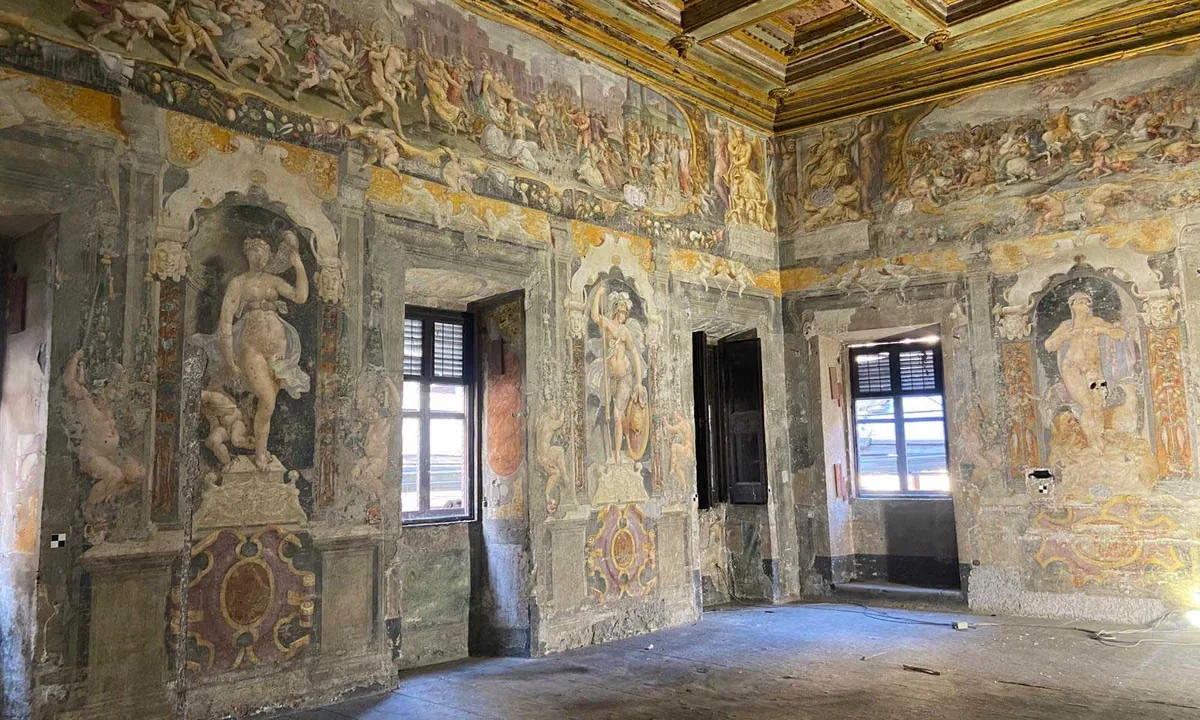
Restorers Uncover 16th-Century Murals Hidden by Nuns in Villa Silvestri Rivaldi
Conservators in Rome are uncovering 16th-century murals hidden for 300 years inside...
illustrarch Editoral Team3 Mins read

A New Book Records the 1970s Interiors of Ebony and Jet’s Chicago Headquarters
820 Ebony/Jet collects Barbara Karant's photographs of the empty Johnson Publishing Company...
illustrarch Editoral Team2 Mins read
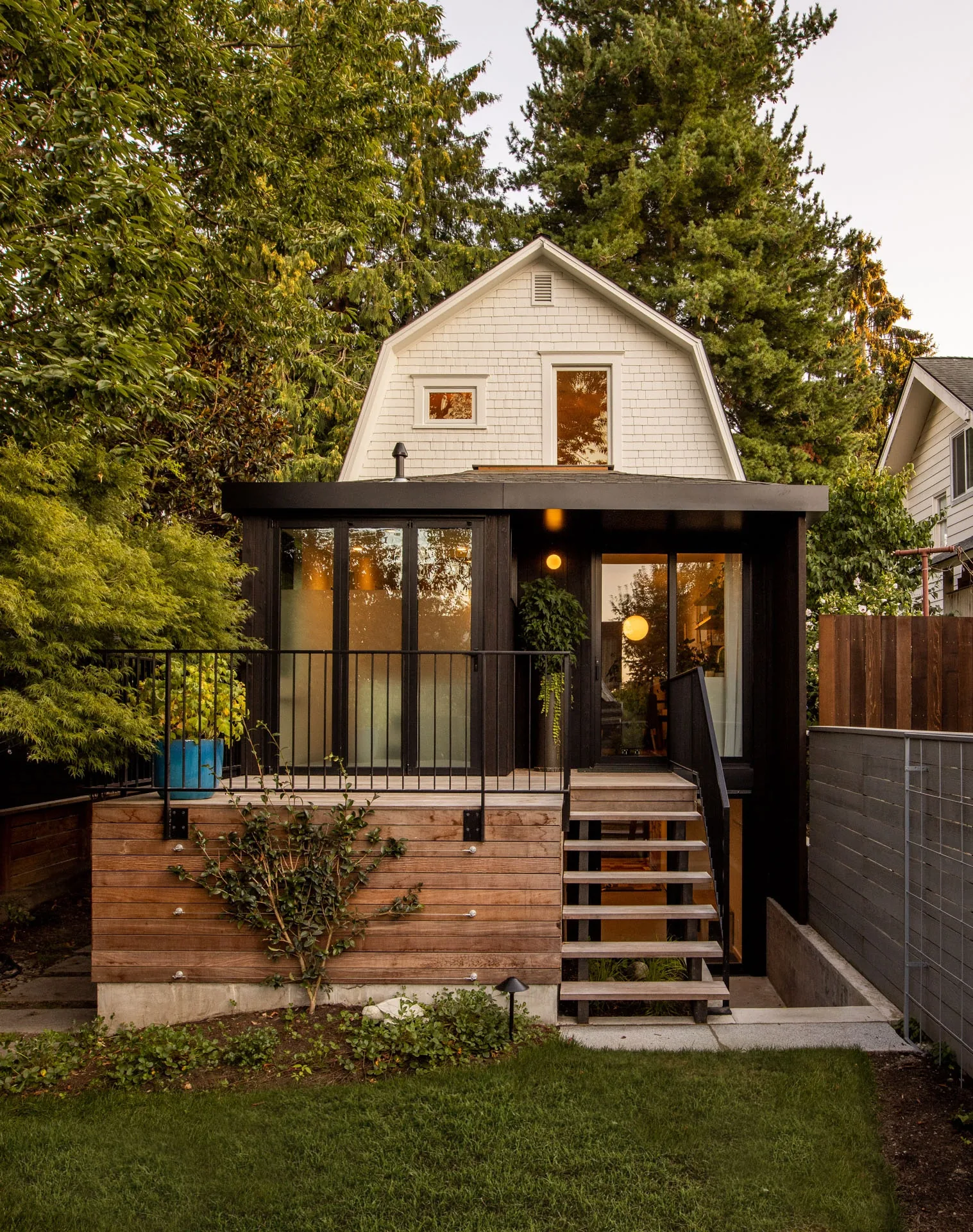
Phinney Mini by Best Practice Architecture
Phinney Mini by Best Practice Architecture reworks a 16.5 foot wide 1907...
illustrarch Editoral Team2 Mins read


