

Inspire Future Generations Awards 2026
The Thornton Education Trust has opened entries for the sixth Inspire Future Generations Awards, which recognise built environment projects shaped with children and young people. Deadline 16 October 2026.
 illustrarch Editoral Team18 September 20262 Mins read30
The Inspire Future Generations Awards, run by the Thornton Education Trust, have opened entries for their sixth edition. The scheme recognises built environment work that involves children and young people in the design of places, and the submission deadline is 16 October 2026.
The awards were set up in 2021 to separate genuine participation from token consultation. Past winners include local authorities such as the London Borough of Waltham Forest, Enfield Council, the City of Bradford Metropolitan District Council and Greater Cambridge, alongside practices, developers and universities. Entries are open to planners, developers, local authorities, architects, educational institutions and community organisations, and the trust describes the scheme as open to practitioners worldwide.
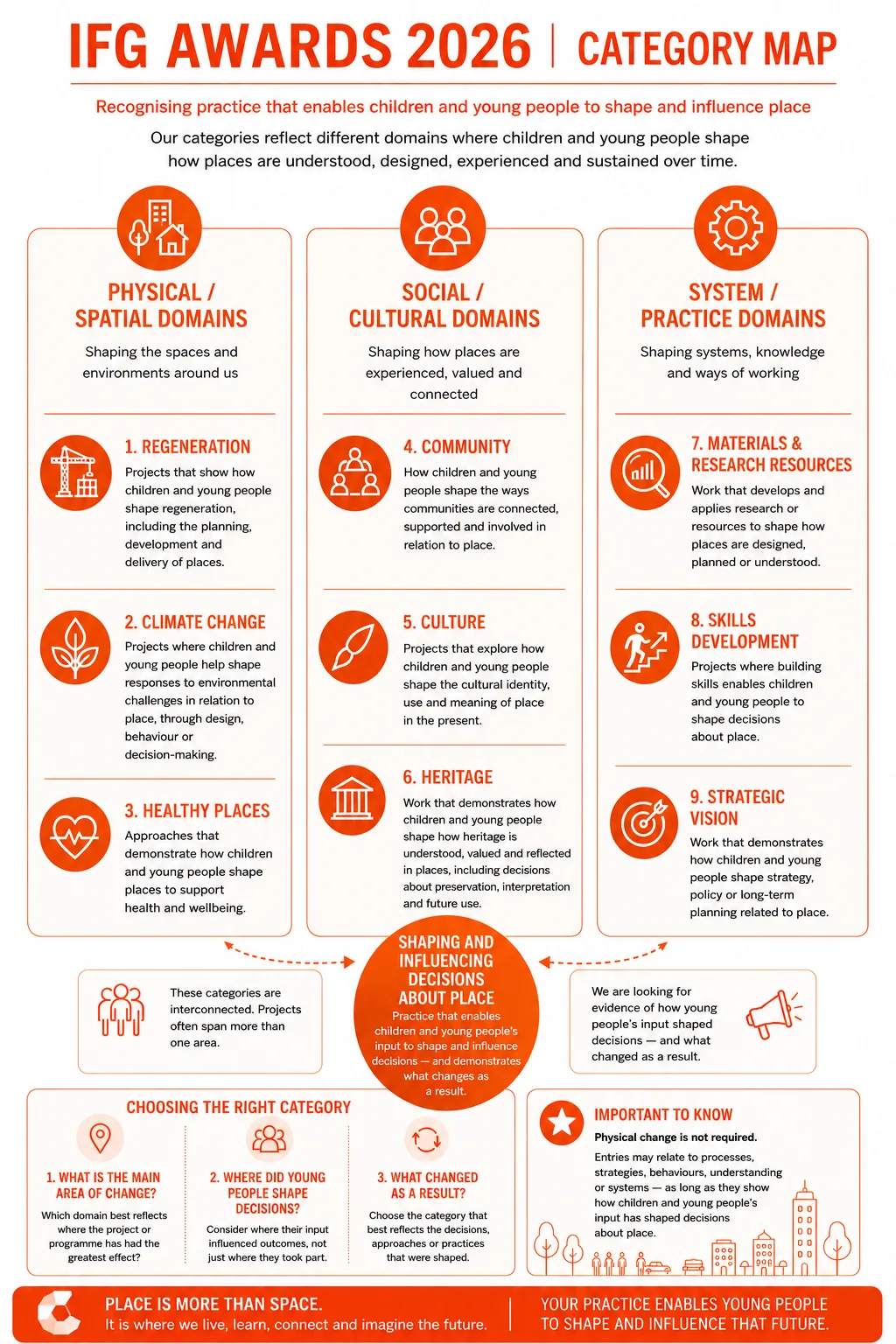
Sixteen categories, one of them new
The 2026 edition runs across sixteen categories: Climate Change, Culture, Healthy Spaces, Regeneration, Heritage, Community, Strategic Vision, Research and Materials, Skills Development, Best of Built Environment Practice, Best of Local Authority or Public Agency, Best of Development Company or Estate, Best of Not for Profit Organisations, Best of University School or Department of Built Environment, Design or Planning, and two special recognition awards for Young Talent and Individual of the Year. Heritage is the new addition this year.
Judges and what the scheme looks for
The 2026 panel includes Magali Thomson, architect and project lead for placemaking at Great Ormond Street Hospital; Chloe McFarlane, community engagement manager at Grosvenor Property UK; Eleanor Fawcett, former head of design at the Old Oak and Park Royal Development Corporation; Kathryn Firth, former director of masterplanning and urban design at Arup; Claire Miller of Askew Cavanna; Melissa Lacide of Quality of Life Futures; Gemma Hyde of the Town and Country Planning Association; and the trust associates Julia Nicholls and Dhruv Guulabchande.
The trust asks entrants to show measurable outcomes rather than intentions: what changed for the young people involved, how their input shaped the project, and what other teams can take from the method. Winning and shortlisted work is published through the trust’s resource bank and its annual Empowering Environment report.
Fees and how to enter
Entries are made online through the trust’s website. The awards charge an entry fee: in the project section it is 69 pounds per entry for small not for profit organisations and 149 pounds per entry for built environment companies, development companies, local authorities and institutions, while Best of Category entries start at 60 pounds. A discounted rate applies when the same project is entered in a second category. The deadline for all categories is 16 October 2026.



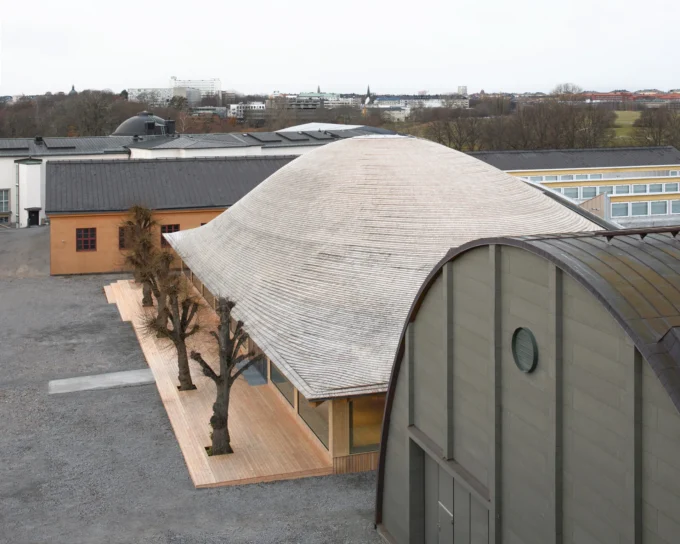




Interior Design for Commercial Spaces: Enhancing Functionality and Brand Identity
Commercial interior design has to serve brand, function and regulation at once....
 Begum Gumusel4 Mins read
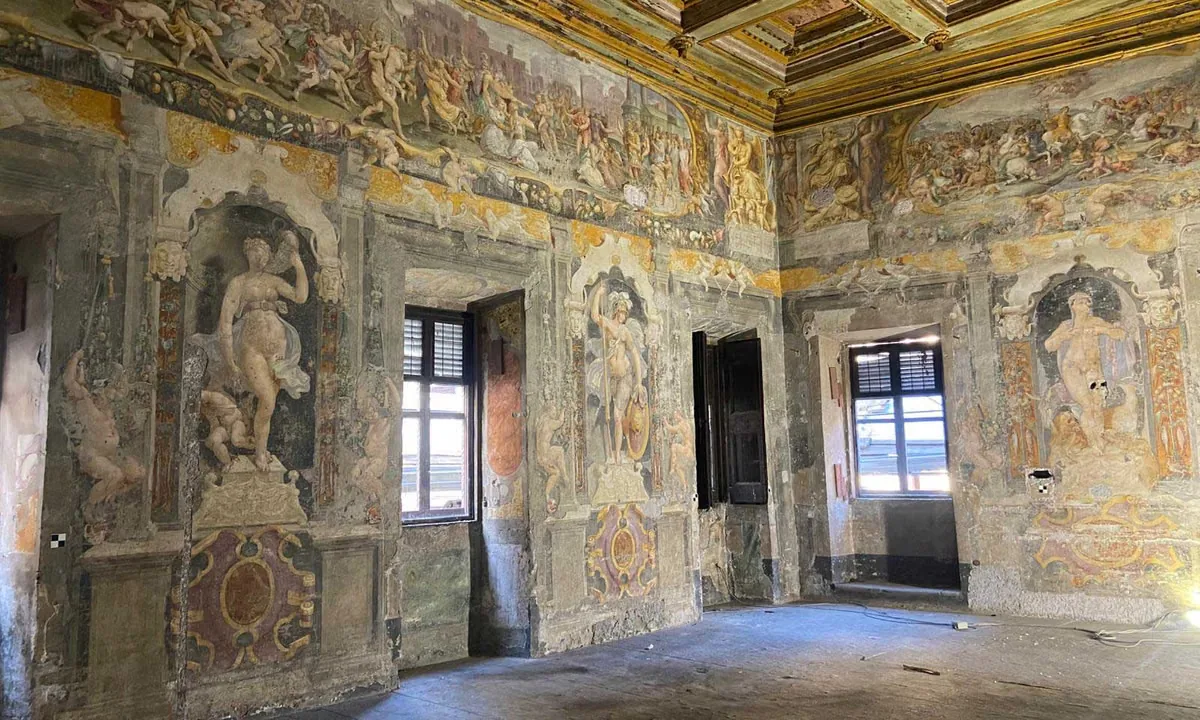
Restorers Uncover 16th-Century Murals Hidden by Nuns in Villa Silvestri Rivaldi
Conservators in Rome are uncovering 16th-century murals hidden for 300 years inside...
illustrarch Editoral Team3 Mins read

A New Book Records the 1970s Interiors of Ebony and Jet’s Chicago Headquarters
820 Ebony/Jet collects Barbara Karant's photographs of the empty Johnson Publishing Company...
illustrarch Editoral Team2 Mins read
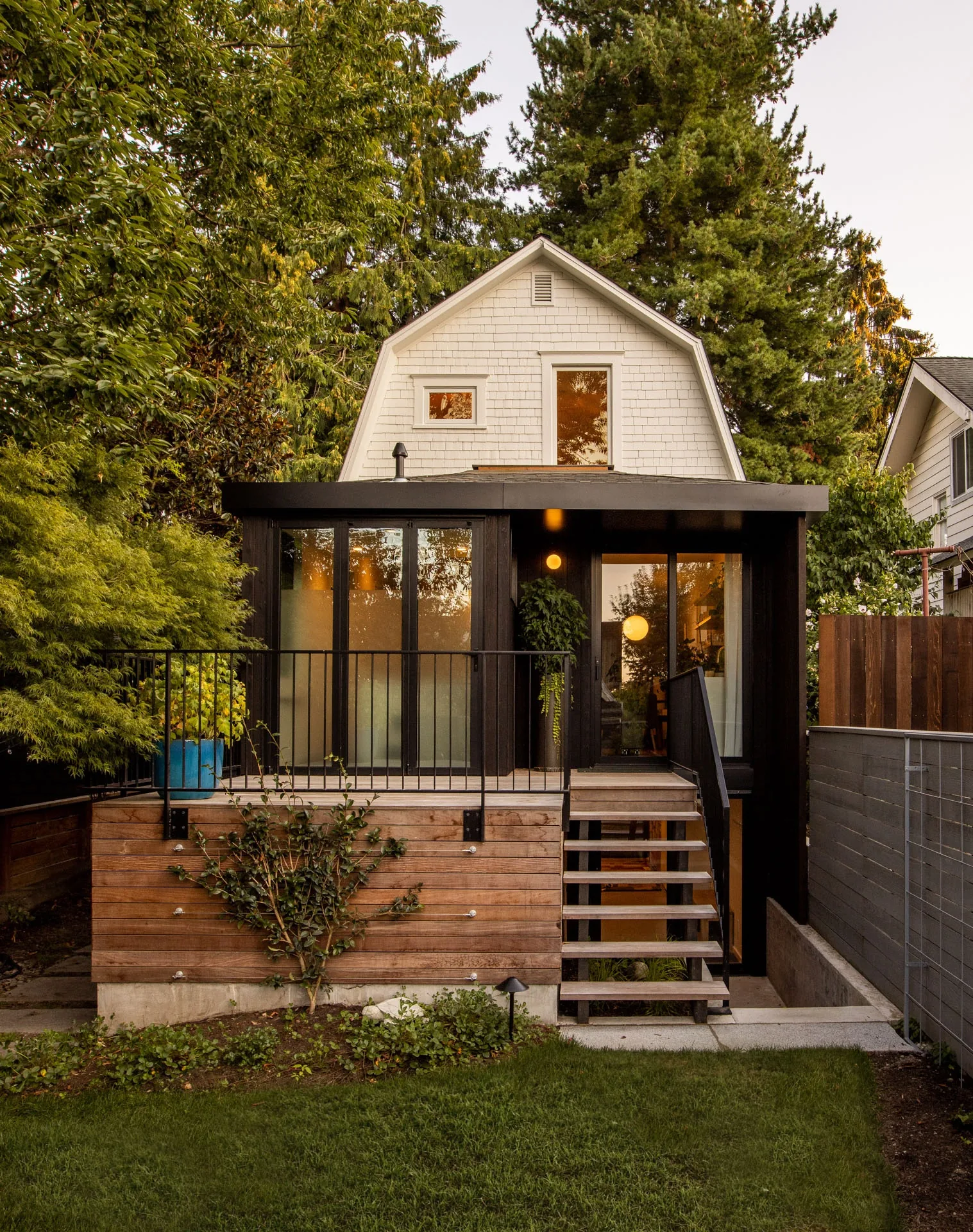
Phinney Mini by Best Practice Architecture
Phinney Mini by Best Practice Architecture reworks a 16.5 foot wide 1907...
illustrarch Editoral Team2 Mins read


