

The Benefits of Installing a Water Softener in Your Home
Hard water leaves scale in pipes, appliances and fixtures. Here is how a water softener protects plumbing, saves cleaning time and helps water heaters run efficiently.
 illustrarch Editorial Team25 November 20263 Mins read2
Table of Contents Show
Hard water is a common problem for homeowners throughout Indiana, including Greenwood and surrounding communities. Although hard water is generally safe to drink, it contains elevated levels of dissolved minerals, primarily calcium and magnesium, that can create numerous household inconveniences. From stubborn soap scum to mineral buildup inside plumbing fixtures, hard water can affect everyday activities and increase maintenance requirements.
Installing a water softener is an effective way to address these problems while improving water quality throughout your home. Understanding the benefits of softened water can help homeowners make informed decisions about protecting their plumbing, appliances, and household comfort.
Protect Your Plumbing System From Mineral Buildup
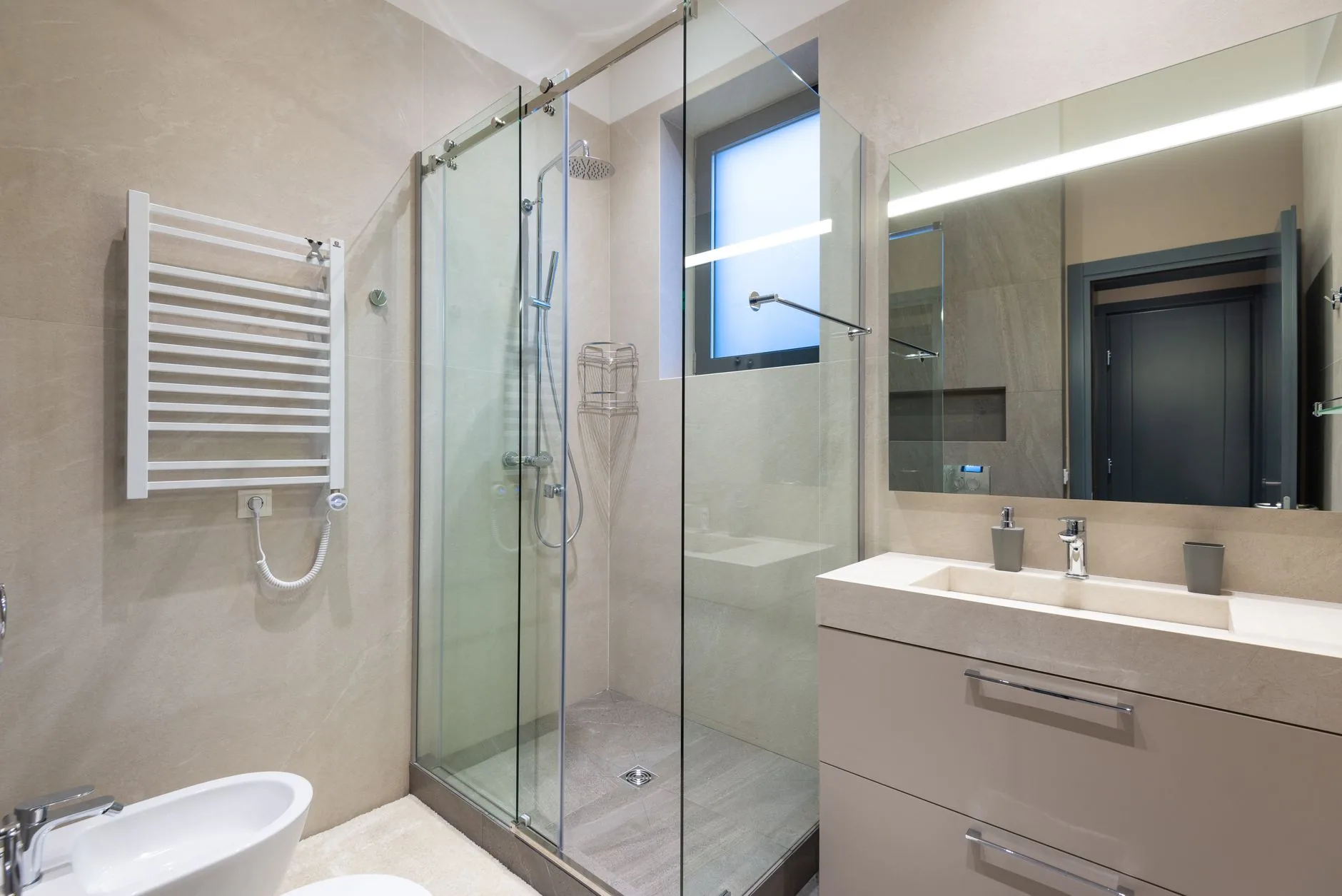
One of the biggest advantages of a water softener is its ability to reduce mineral deposits inside plumbing systems. Hard water can leave calcium and magnesium deposits on faucets, showerheads, and other surfaces that regularly contact water.
Over time, mineral buildup can restrict water flow and contribute to maintenance problems, particularly in water heaters and fixtures.
Homeowners considering water softener installation Greenwood, IN can benefit from working with experienced water treatment professionals who understand local water conditions and can recommend an appropriately sized system.
Reducing hardness minerals helps limit new scale formation and makes maintaining household plumbing fixtures easier.
Extend the Life of Household Appliances
Water-using appliances can experience performance problems when exposed to hard water over extended periods.
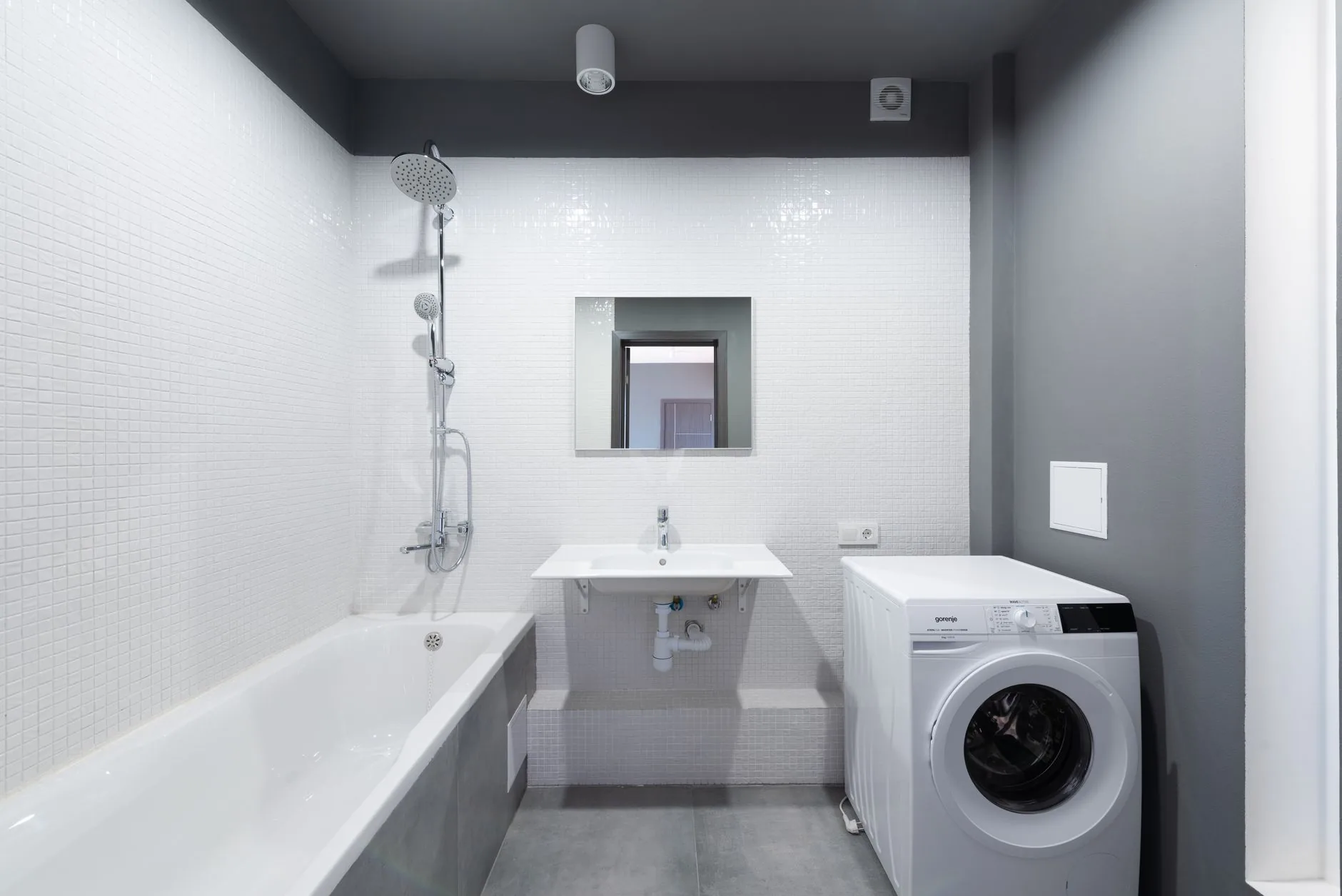
Dishwashers, washing machines, and water heaters are particularly vulnerable to mineral deposits. Scale buildup can interfere with heating surfaces, reduce efficiency, and increase the need for cleaning and maintenance.
A properly installed water softener reduces the minerals responsible for these deposits, helping appliances operate more effectively.
For homeowners who want to protect their investments, softened water can be a valuable addition to their household water treatment system.
Improve Soap and Detergent Performance
Hard water minerals react with soap, making it more difficult to create a rich lather and leaving behind residue.
This can lead homeowners to use larger quantities of soap, shampoo, laundry detergent, and cleaning products to achieve satisfactory results.
Softened water allows many soaps and detergents to work more efficiently, often reducing the amount needed for everyday cleaning.
Whether washing dishes, doing laundry, or cleaning bathrooms, homeowners may notice that softened water makes household chores easier and more effective.
Enjoy Softer Skin and More Manageable Hair
Hard water can leave mineral residue on the skin and hair after bathing.
Some people notice that their skin feels dry or their hair becomes difficult to manage when washing with hard water.
Softened water reduces mineral-related residue, allowing soaps and shampoos to rinse away more easily.
Although water softeners are not medical treatments for skin conditions, many homeowners appreciate the improved bathing experience and reduced soap buildup associated with softened water.
Keep Laundry Looking and Feeling Better
Laundry is another area where water hardness can make a noticeable difference.
Minerals in hard water can interfere with detergent performance and contribute to residue on clothing, towels, and bedding.
Over time, fabrics may feel stiff or appear dull, particularly when detergent is not rinsed away effectively.
Using softened water can improve detergent effectiveness, helping clothes feel cleaner and reducing unwanted mineral deposits.
For busy households, this benefit can make regular laundry care more convenient.
Reduce Cleaning Time Around Your Home
Hard water frequently leaves white spots on faucets, shower doors, sinks, and bathroom tiles.
These mineral deposits can become difficult to remove, especially when they accumulate over time.
A water softener helps prevent new hardness-related deposits, making routine cleaning less demanding.
Homeowners may spend less time scrubbing shower enclosures, polishing fixtures, and removing stubborn mineral stains.
This convenience is especially valuable in homes with multiple bathrooms or frequent water usage.
Improve Water Heater Efficiency
Water heaters are among the household appliances most affected by mineral scale.
When hard water is heated, calcium carbonate deposits can accumulate on heating surfaces and inside storage tanks.
These deposits can reduce heat transfer efficiency and contribute to higher energy consumption.
Softened water limits the formation of new hardness scale, helping water heaters maintain more efficient operation.
The potential savings depend on water hardness, equipment type, and household usage, but preventing scale buildup can provide meaningful long-term benefits.
Invest in Long-Term Household Comfort
A water softener offers more than a solution to visible mineral stains. It can improve cleaning performance, reduce appliance maintenance, protect plumbing fixtures, and make everyday water use more enjoyable.
Before selecting a system, homeowners should have their water hardness evaluated and consider household size, water consumption, and specific treatment needs.
Professional installation also helps ensure the equipment is properly sized, configured, and maintained.
For Greenwood homeowners dealing with hard water, investing in a quality water softener can provide lasting convenience, improved household efficiency, and greater confidence in their home’s water treatment system.







Capping a Chimney: When It Makes Sense and What It Involves
An unused chimney lets rain in and heat out. Here is when...
illustrarch Editorial Team5 Mins read

Standby or Portable Generator? A Practical Framework Based on Loads, Outages, and Logistics
Choosing between a standby and a portable generator gets easier once you...
illustrarch Editorial Team5 Mins read

Top Questions to Ask an Electrician in Fort Mill Before Starting a Project
The right questions to ask an electrician in Fort Mill before a...
illustrarch Editorial Team2 Mins read
How to Keep Your Home Cool During Indiana Summers
Practical steps for homeowners to keep their homes cool during Indiana summers...
 Begum Gumusel2 Mins read






Leave a comment