

Mantua’s Palazzo Ducale Nears the End of a 14-Year Earthquake Restoration
Damaged by the 2012 earthquakes, the 35,000 square metre Gonzaga palace in Mantua is 99% restored after €15 million of works, with towers, apartments and halls reopening.
 illustrarch Editorial Team17 November 20262 Mins read1
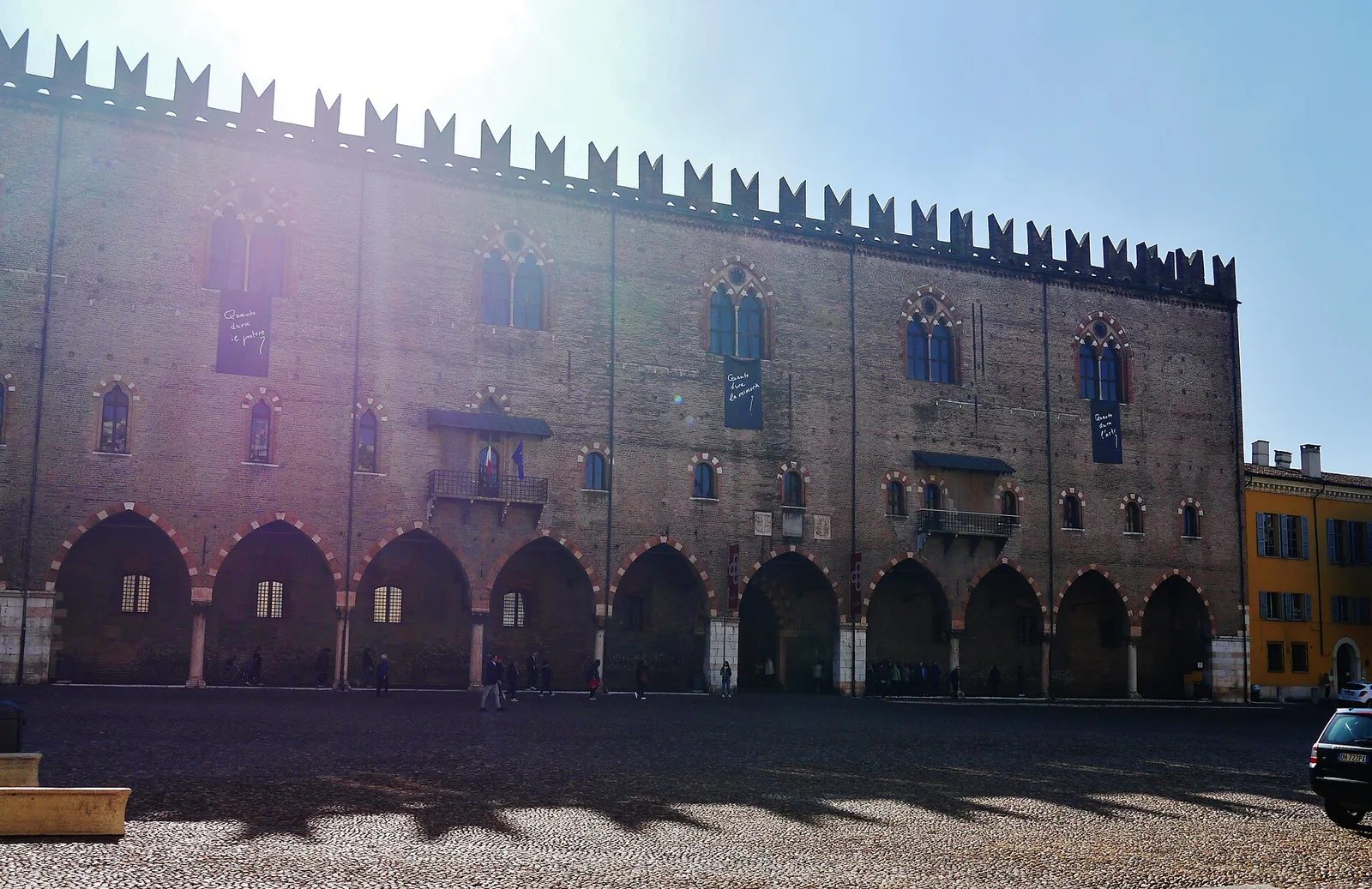
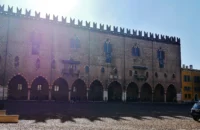
Fourteen years after two earthquakes struck northern Italy in the spring of 2012, the Palazzo Ducale Mantua restoration is close to the finish line. Director Stefano L’Occaso says “about 99% of the work has been done” on the Gonzaga palace, a 35,000 square metre complex of roughly 1,000 rooms that began in the 13th century and grew over the following centuries into one of the great Renaissance courts.
 Michelangelus Turns Michelangelo’s Handwriting Into a Free Font for Microsoft 365
 Office for Future’s Dvir Turns a Former School in Stavyshche Into 42 Homes for Displaced Ukrainian Families
 2026 Architecture MasterPrize Winners: Snøhetta Takes Design of the Year
 Marlon Blackwell Architects’ Porch From the 2025 US Pavilion in Venice Will Be Rebuilt at Crystal Bridges
According to The Art Newspaper, around €15 million has gone into repairing earthquake damage and adding anti-seismic measures. The programme ranges from structural reinforcement of walls and floors to the cleaning and repair of painted ceilings and decorative finishes.
What the 2012 earthquakes did to the palace
The quakes, centred in Emilia-Romagna, nearly toppled the campanile of Santa Barbara, the palatine basilica that served as the court chapel. They also opened a crack through one of the main scenes of Andrea Mantegna’s Camera Picta, the frescoed chamber painted between 1465 and 1474 that remains Mantua’s best known artwork. Both the tower and the Camera Picta had been repaired by the end of 2016, while other parts of the palace reopened piece by piece.
Art historian Stephen J. Campbell of Johns Hopkins University argues that the building is unusual among Italian princely residences: comparable palaces in Milan, Ferrara, Bologna and Naples “are lost altogether or survive in reduced and mutilated form,” while Mantua keeps several building phases and “can best be compared to the Vatican Palace.”
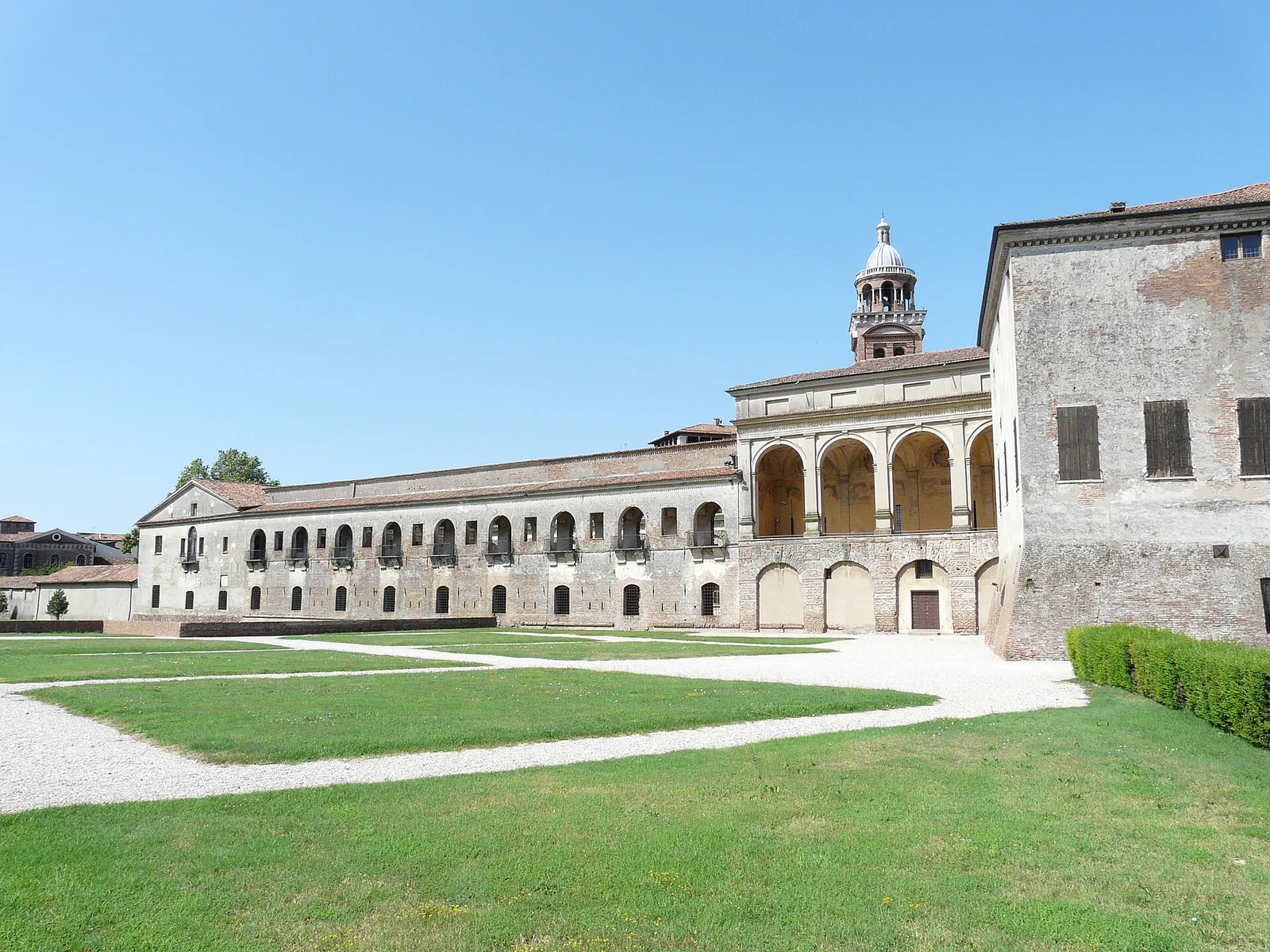
Spaces reopening in the Palazzo Ducale Mantua restoration
- Southwest tower: the medieval tower, exposed to the weather long before 2012, was emptied of some 200 bags of bird droppings, given a new earthquake-resistant floor and opened to visitors on a regular basis for the first time.
- Appartamento Grande di Castello: the suite commissioned by Duke Guglielmo Gonzaga (1538 to 1587) to celebrate the family’s military history reopened in July with restored ceilings and strengthened walls and floors. It had rarely been shown to the public before the earthquakes.
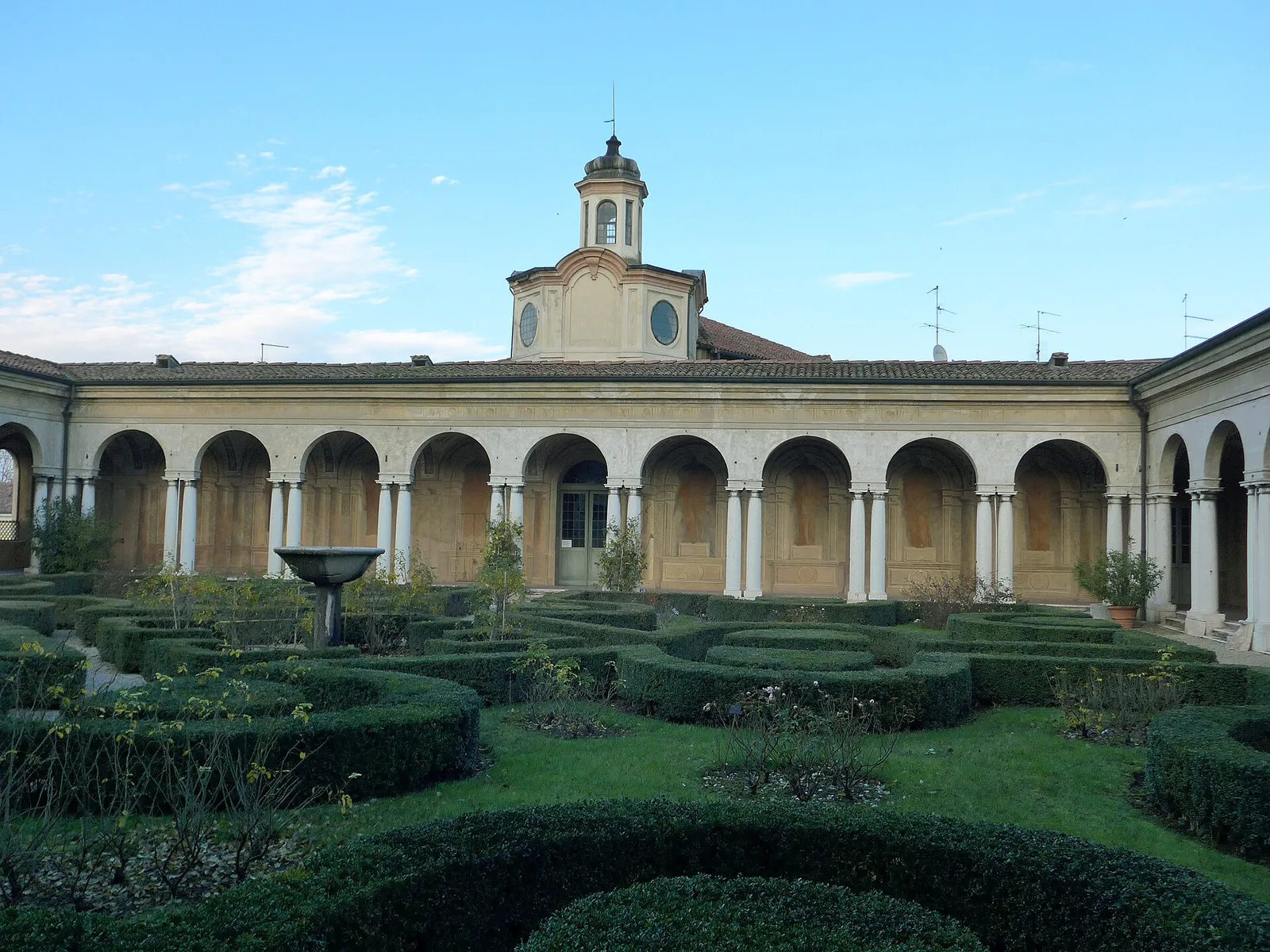
- Portico of the Giardino dei Semplici: stabilised and reopened in September, with an upper corridor that now gives visitors a view over the 17th century garden.
- Sala delle Sigle: the hall decorated with the interlaced initials of Francesco II Gonzaga and Isabella d’Este is due back before the end of the year, with a new floor of vintage majolica tiles and a display of ceramics and Renaissance glass.
From princely court to UNESCO site
The Gonzaga collection was dispersed from the late 1620s, and much of the furniture was looted or removed over time, but the fabric of the palace and many original finishes survived. When the Gonzaga line lost power at the start of the 1700s, the palace passed through Habsburg use and even a spell as a political prison; it became a museum only towards the end of the 1800s. Mantua and its palace were inscribed on the UNESCO World Heritage list in 2008.
To mark the near completion, the palace is staging “A Sun that Shines with its Own Light: Ferdinando Gonzaga, Patron and Duke (1587-1626)” from 10 October 2026 to 10 January 2027, with loans from the Louvre and Vienna’s Kunsthistorisches Museum. L’Occaso hopes higher visitor numbers will help cover the cost of the works, though he admits the newly reopened network of rooms could leave visitors with “too many doors to open.”


Michelangelus Turns Michelangelo’s Handwriting Into a Free Font for Microsoft 365
Commissioned by the Fabbrica di San Pietro and designed by studiogusto®, Michelangelus...
illustrarch Editorial Team2 Mins read
Office for Future’s Dvir Turns a Former School in Stavyshche Into 42 Homes for Displaced Ukrainian Families
The 1,900 square metre school keeps its place in town life with...
illustrarch Editorial Team1 Mins read
Marlon Blackwell Architects’ Porch From the 2025 US Pavilion in Venice Will Be Rebuilt at Crystal Bridges
Dismantled after the Biennale and stored in Arkansas, the timber canopy designed...
illustrarch Editorial Team2 Mins read
John McAslan + Partners Turns Oxford’s 1892 Osney Power Station Into a Global Leadership Centre
Oxford's first power plant, in use from 1892 to 1968, now houses...
illustrarch Editorial Team2 Mins read





Leave a comment