

National Trust Launches $10M Historic Preservation Defense Fund
National Trust CEO Brent Leggs launched a $10M, three year fund to fight rollbacks of historic preservation protections.
 illustrarch Editoral Team4 November 20262 Mins read1
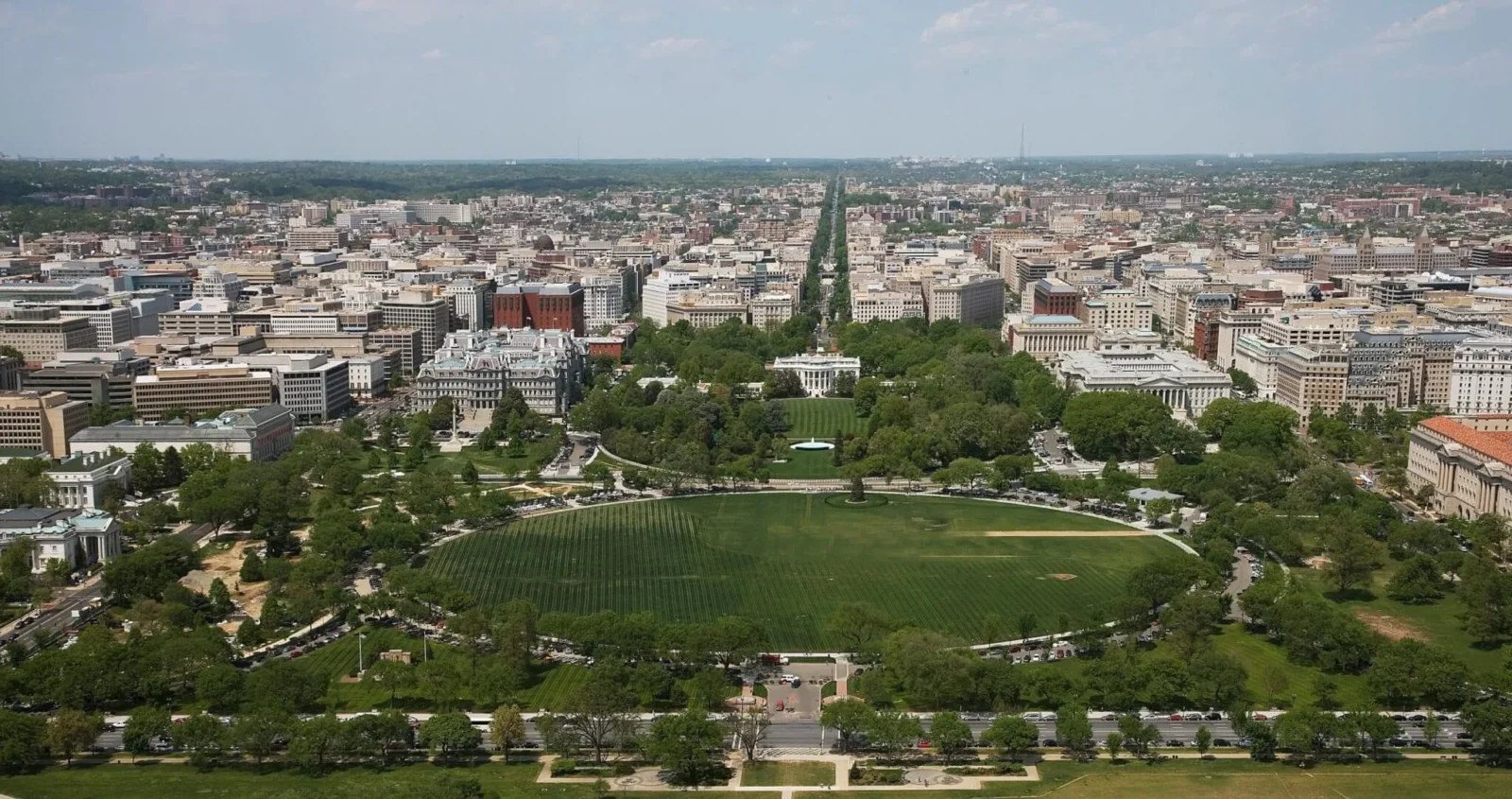
The National Trust for Historic Preservation is starting a three year campaign to raise $10 million for a historic preservation defense fund, financing legal battles and advocacy work to defend historic buildings and landmarks, its president and CEO Brent Leggs announced on September 22, 2026, in Washington, D.C.
Leggs unveiled the Historic Preservation Defense Fund during his opening remarks at the organization’s first Preservation Summit, held at Washington National Cathedral under the banner \”All People Are Created Equal.\” More than 500 people working in preservation, policy and business gathered for the three day event, which runs through September 24.
Historic Preservation Defense Fund targets legal and advocacy needs
The new fund is meant to bankroll legal defense, public campaigns and grassroots organizing whenever historic properties or the statutes protecting them come under pressure. Leggs framed the launch in stark terms, telling the summit crowd that preservation faces an unprecedented reckoning.
\”This is an urgent, pivotal moment for historic preservation. Our nation’s iconic, historic buildings and places, and with them the foundational stories of our country, are now under a generational threat,\” Leggs said.
He added that the field’s mission has never been to freeze buildings in place but to give communities a way to evolve without severing ties to their past. \”The purpose of preservation practice is not to stop change, but to offer tools that help society manage change in ways that don’t disconnect it from the legacy of its past,\” Leggs said.
Section 106 rewrite adds urgency to National Trust campaign
Much of the alarm driving the fund traces back to a regulatory fight in Washington. The Advisory Council on Historic Preservation is pushing to rewrite the rules underpinning Section 106 of the National Historic Preservation Act, the 1966 law that requires federal agencies to weigh how their projects affect historic properties. The National Trust argues the proposed rewrite would gut protections that have guided federal decision making for six decades and has already drawn opposition from preservation advocates.
According to the National Trust, gutting the consultation process built into Section 106 would strip away a mechanism that has often let agencies and communities negotiate outcomes that work for both sides, and instead invite more lawsuits and delay as agencies try to comply without it.
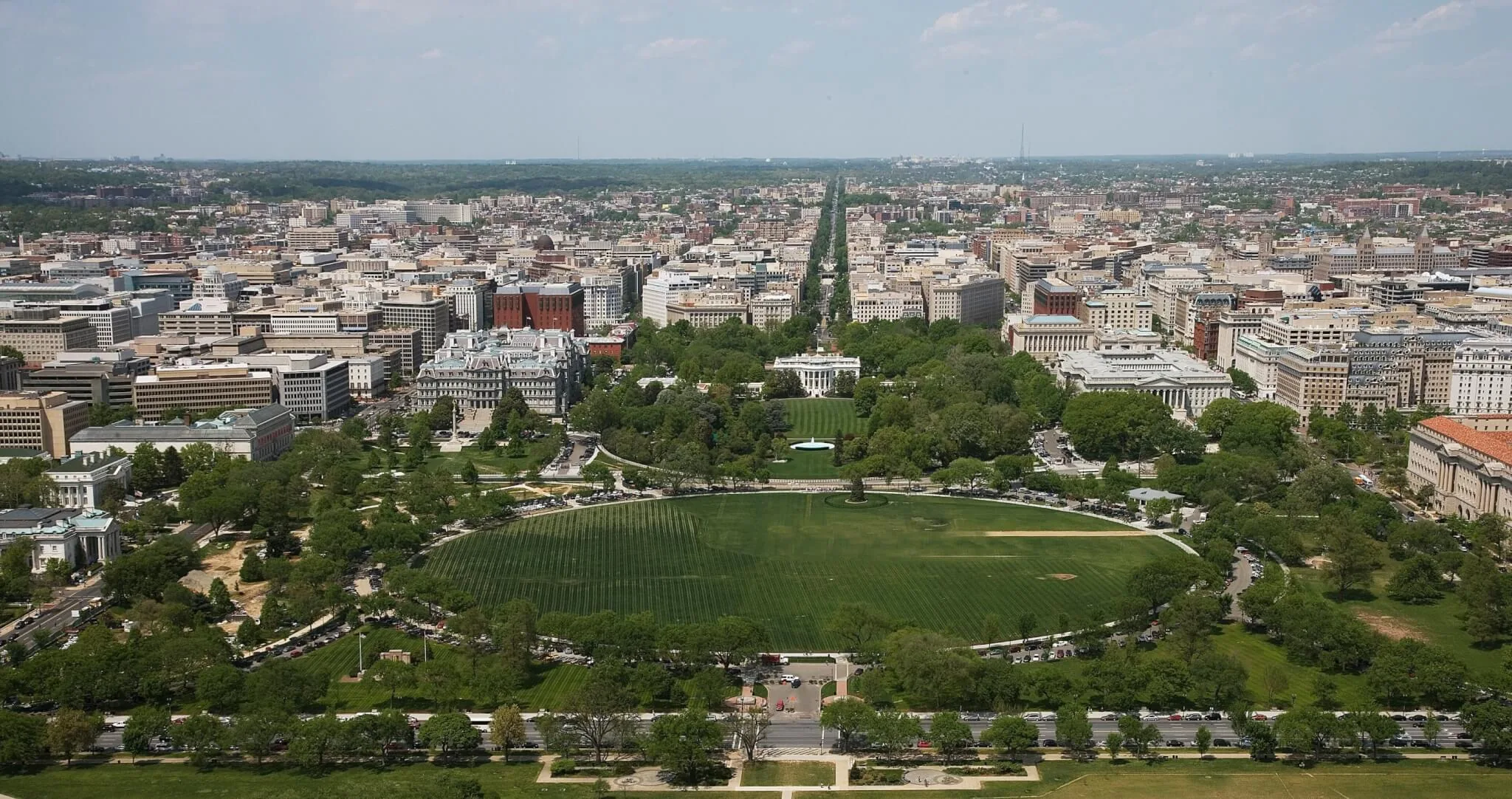
The organization, which received its congressional charter in 1949 to give the public a voice in decisions affecting shared historic sites, points to a string of recent flashpoints in the capital that it says illustrate the stakes: demolition of the White House East Wing, disputed handling of the Reflecting Pool restoration, plans for a Triumphal Arch and a Garden of Heroes, repainting of the Eisenhower Executive Office Building’s exterior, criticism directed at the Smithsonian, and talk of demolishing the Kennedy Center.
Leggs cast the new fund as the organization’s central weapon against this pattern of change. \”Ensuring America’s tangible heritage survives these ongoing assaults will require bold, coordinated action across the field and the Historic Preservation Defense Fund will be the bedrock of our efforts,\” he said.
The National Trust is now taking donations and pledges toward the fund’s goal. The 1772 Foundation and the African American Cultural Heritage Action Fund are among the sponsors backing the Preservation Summit where the campaign was introduced.








French Culture Ministry Says Lutetia Wall May Mark Paris’s Birthplace
A charred wall found beneath Paris's Île de la Cité may confirm...
illustrarch Editoral Team2 Mins read
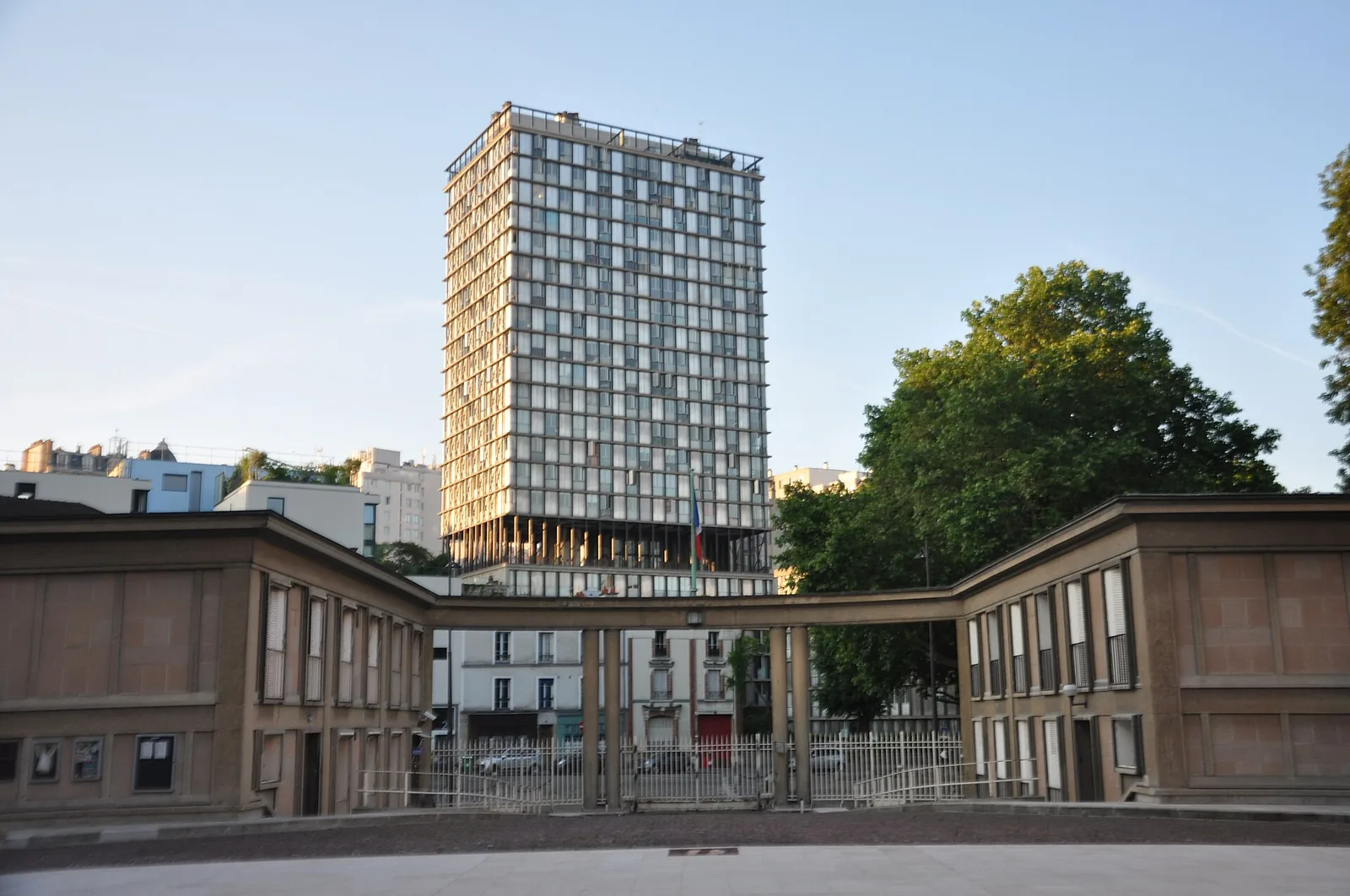
Charlotte Perriand’s Built-In Interiors Survive in Édouard Albert’s 1960 Paris Tower
A high-floor apartment in Édouard Albert's listed 1960 tower in Paris's 13th...
illustrarch Editoral Team1 Mins read

Johnston Marklee Lifts the Bass Museum Expansion Above a Shaded Courtyard in Miami Beach
Johnston Marklee has released designs for The Bass in Miami Beach: two...
illustrarch Editoral Team2 Mins read
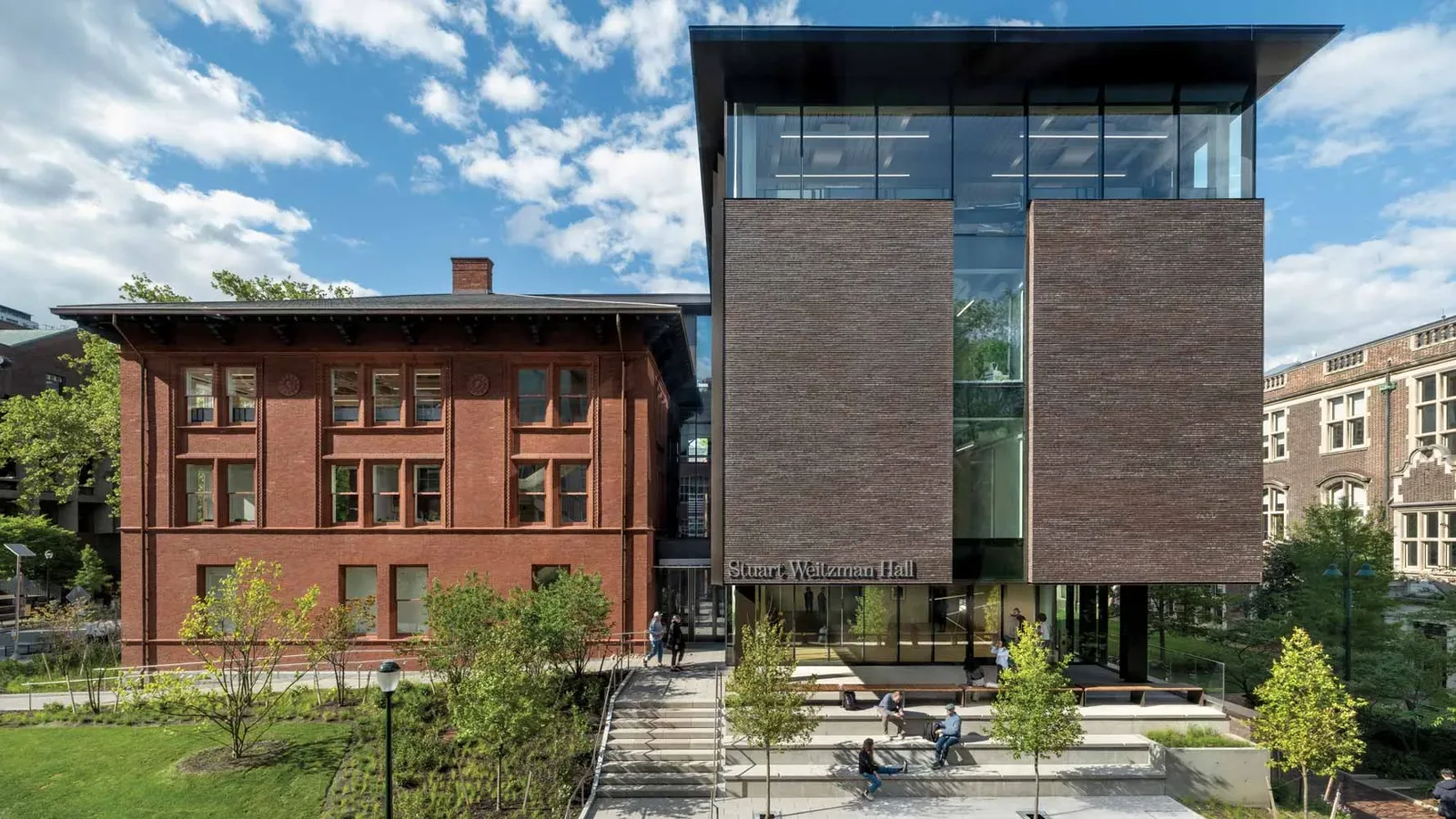
KieranTimberlake Completes Stuart Weitzman Hall for Penn’s School of Design
Stuart Weitzman Hall joins an 1892 brick building to a four-storey steel-framed...
illustrarch Editoral Team2 Mins read


Leave a comment