

Vertical Farm Tower Competition
The Vertical Farm Tower competition invites designs for a high-rise agricultural structure integrating food production and sustainable urban living.
 illustrarch Editoral Team26 September 20261 Mins read21
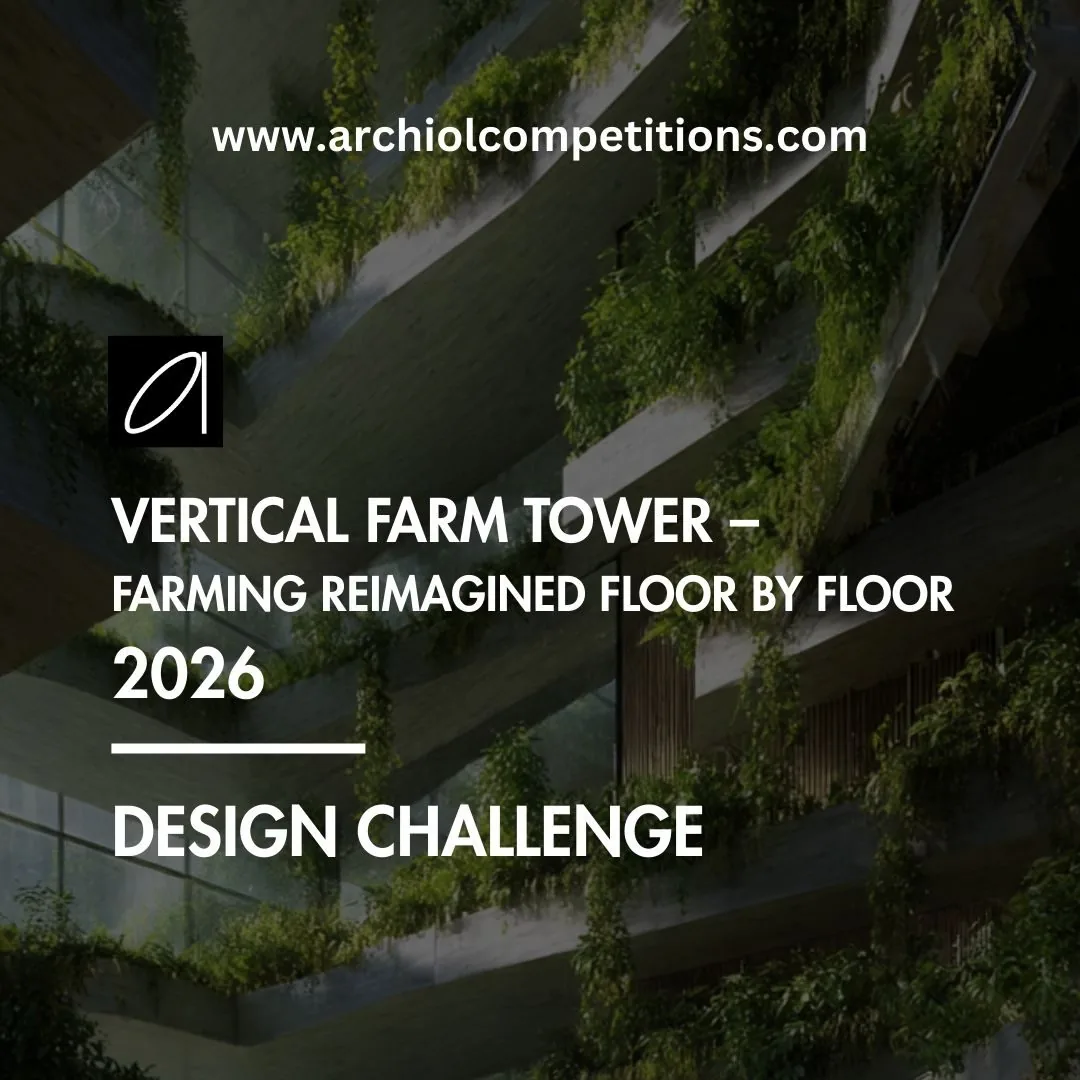
As urban areas expand, climate change intensifies, and food supply chains face interruptions, innovative methods for local food production are increasingly essential. Vertical farming is emerging as a viable solution, allowing agriculture to be integrated into densely populated cities while reducing land use, conserving water, and lowering transportation emissions.
The Vertical Farm Tower competition invites contestants to create a design for a tall agricultural building in which food is cultivated on multiple floors, effectively turning the structure into a vibrant ecosystem. Proposals should illustrate how architecture, technology, and nature can work together to establish resilient and self-sufficient urban food systems.
Design Requirements
Participants are encouraged to envision a vertical farming tower that:
- Incorporates food production within a multi-storey framework
- Utilizes space, energy, water, and resources efficiently
- Investigates advanced farming technologies such as hydroponics, aeroponics, and aquaponics
- Serves as a symbol of sustainable urban living
- Fosters connections between agriculture, community, education, and urban life
The submission should transcend mere functionality, aspiring to be an iconic and flexible model for future urban environments.
The Building Program
The proposal must include:
- Vertical farming levels for leafy greens, fruits, vegetables, grains, or specialty crops
- Seed germination and nursery areas
- Climate-controlled growing spaces
- Systems for water recycling and nutrient management
- Integration of renewable energy sources (solar, wind, biogas, etc.)
- Research and innovation laboratories
- Food processing, packaging, and storage facilities
- Community areas such as learning centers, observation decks, and farm-to-table cafés
- Administrative and control spaces
- Vertical circulation systems (elevators, ramps, service cores)
- Waste management and composting systems
(This is indicative; participants may alter or expand upon these elements.)
Contestants can select any urban site globally, with climate, context, and surrounding density influencing their design. Justification for the site choice is necessary, and there are no predetermined plot size or height limitations unless specified by the participant.



Interior Design for Commercial Spaces: Enhancing Functionality and Brand Identity
Commercial interior design has to serve brand, function and regulation at once....
 Begum Gumusel4 Mins read
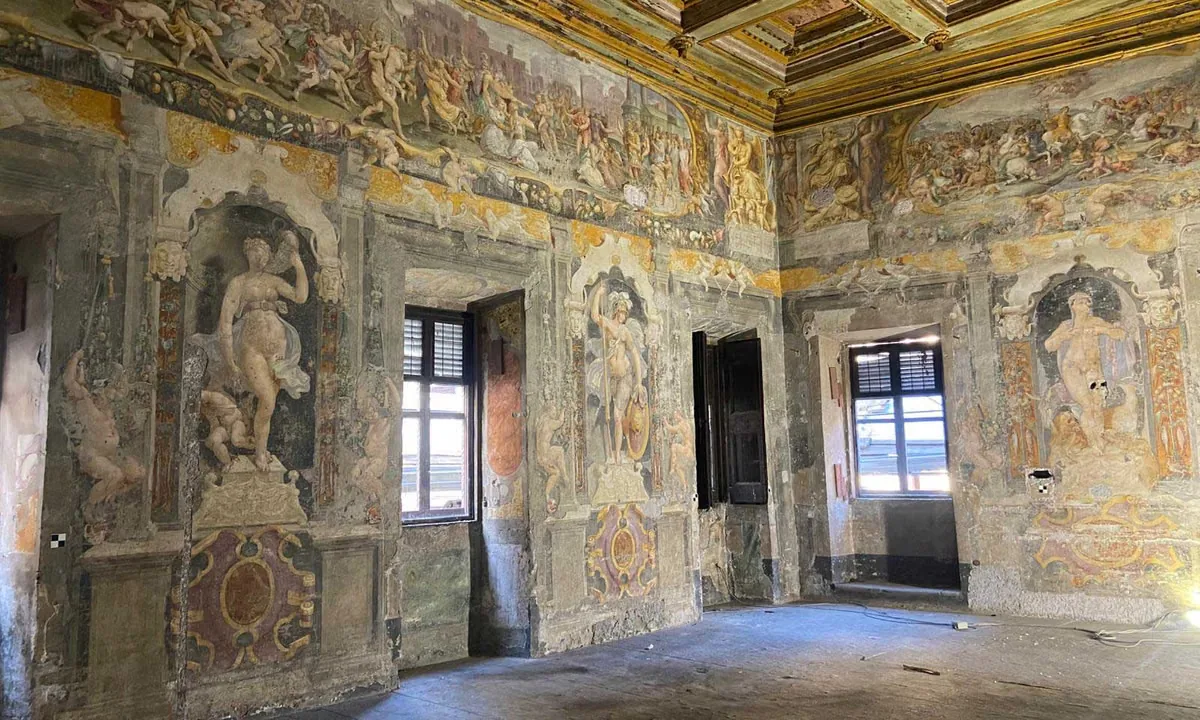
Restorers Uncover 16th-Century Murals Hidden by Nuns in Villa Silvestri Rivaldi
Conservators in Rome are uncovering 16th-century murals hidden for 300 years inside...
illustrarch Editoral Team3 Mins read

A New Book Records the 1970s Interiors of Ebony and Jet’s Chicago Headquarters
820 Ebony/Jet collects Barbara Karant's photographs of the empty Johnson Publishing Company...
illustrarch Editoral Team2 Mins read
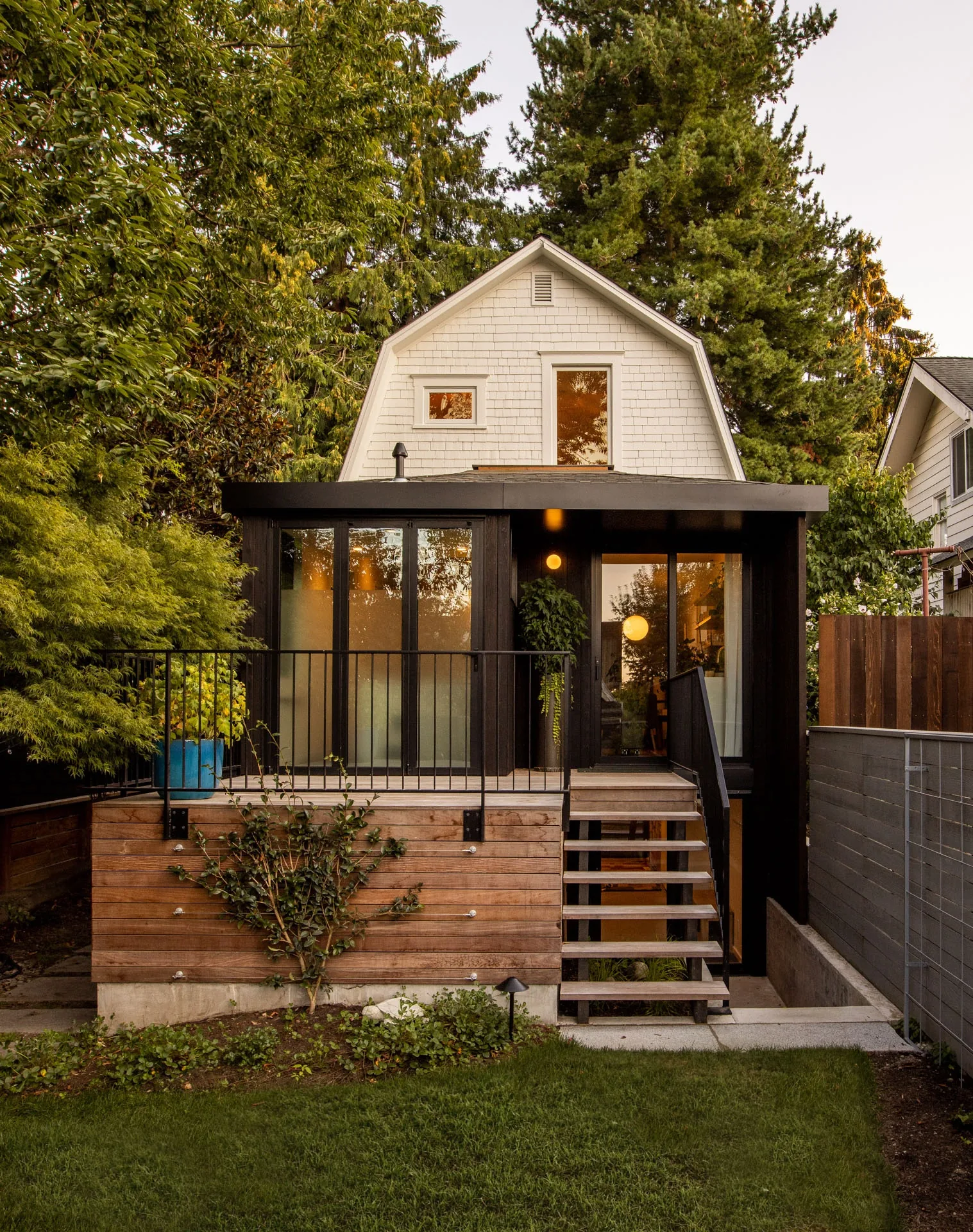
Phinney Mini by Best Practice Architecture
Phinney Mini by Best Practice Architecture reworks a 16.5 foot wide 1907...
illustrarch Editoral Team2 Mins read


