

Bronze Seal Ring From the Sunken Palace of Antirhodos Shows the Lighthouse of Alexandria
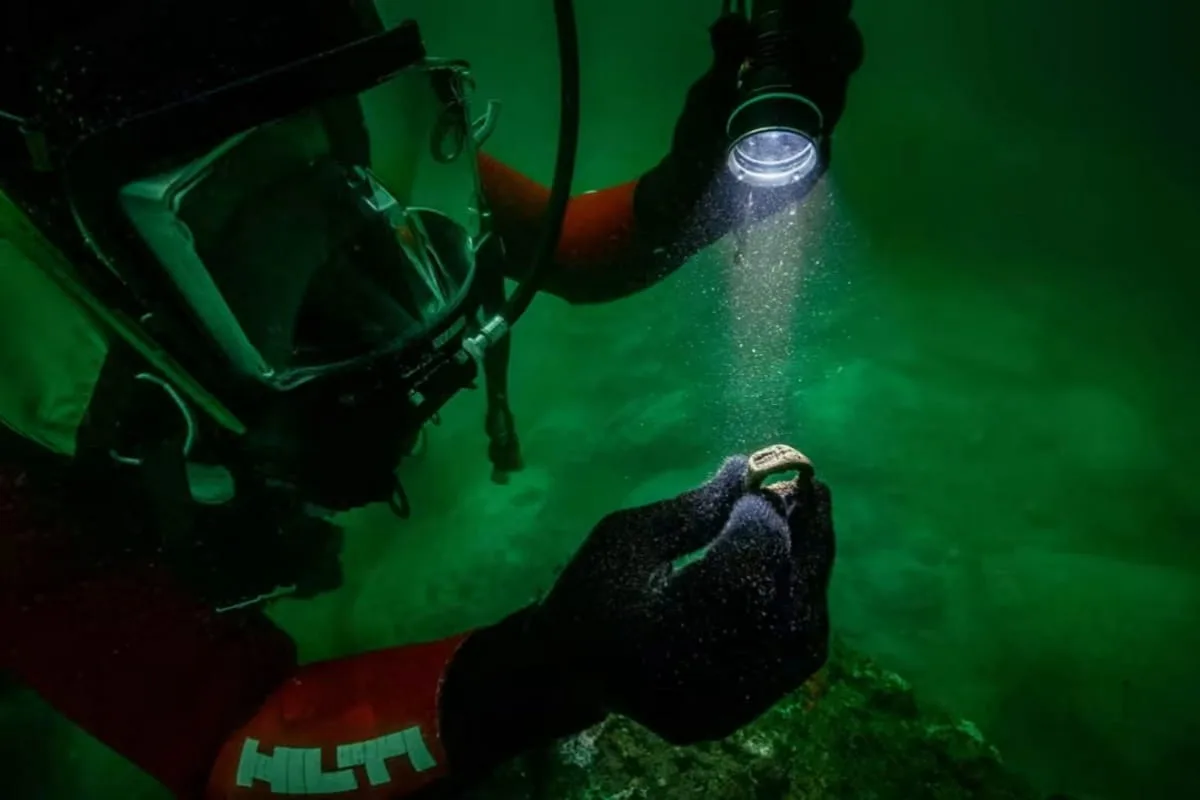
Divers working with Franck Goddio's IEASM found the ring on Antirhodos in Alexandria's Eastern Harbour. Egyptian officials call it the first lighthouse image known on a signet ring.
 illustrarch Editorial Team12 November 20262 Mins read1
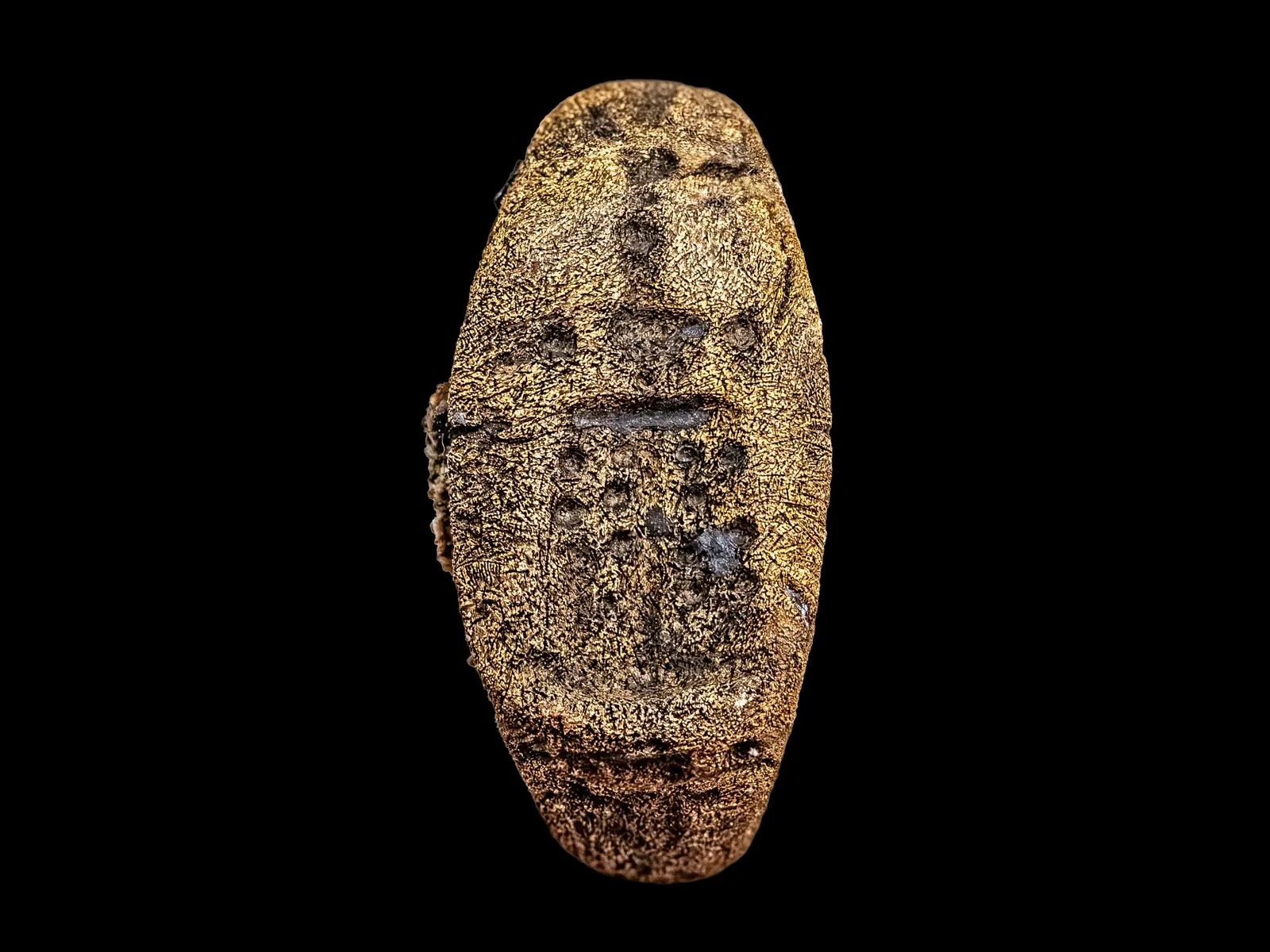
A worn bronze signet ring recovered from Alexandria’s Eastern Harbour carries a fresh image of the Lighthouse of Alexandria, the Pharos that counted among the Seven Wonders of the Ancient World. Egypt’s Ministry of Tourism and Antiquities describes it as the first known engraving of the lighthouse on a signet ring. Divers from IEASM, Franck Goddio’s European Institute for Underwater Archaeology, found it during a joint mission with Egypt’s Supreme Council of Antiquities, and was announced in early October 2026.
 Tishman Speyer Signs 150 Year Ground Lease on the Chrysler Building and Plans a $235 Million Restoration
 Clearing Beneath Hagia Sophia Reveals a Maze of Byzantine and Ottoman Tunnels
 Three-Room Thracian Temple at Balak Dere May Be One of the Last Pagan Sanctuaries in Western Thrace
 Brooklyn Museum’s $48 Million Energy Retrofit Aims to Cut Emissions by 57 Percent
The find spot is Antirhodos, an island in the royal quarter of the ancient Portus Magnus, the great harbour, which now lies a few metres under the sea. Strabo, the Greek geographer, travelled in Egypt from 29 to 25 BC and mentioned a royal palace and a small port there. The Supreme Council’s secretary-general, Hisham El-Leithy, presented the ring when Tourism and Antiquities Minister Sherif Fathy came out to the excavation and examined it on board the team’s research vessel.
What the ring adds to the image of the Lighthouse of Alexandria
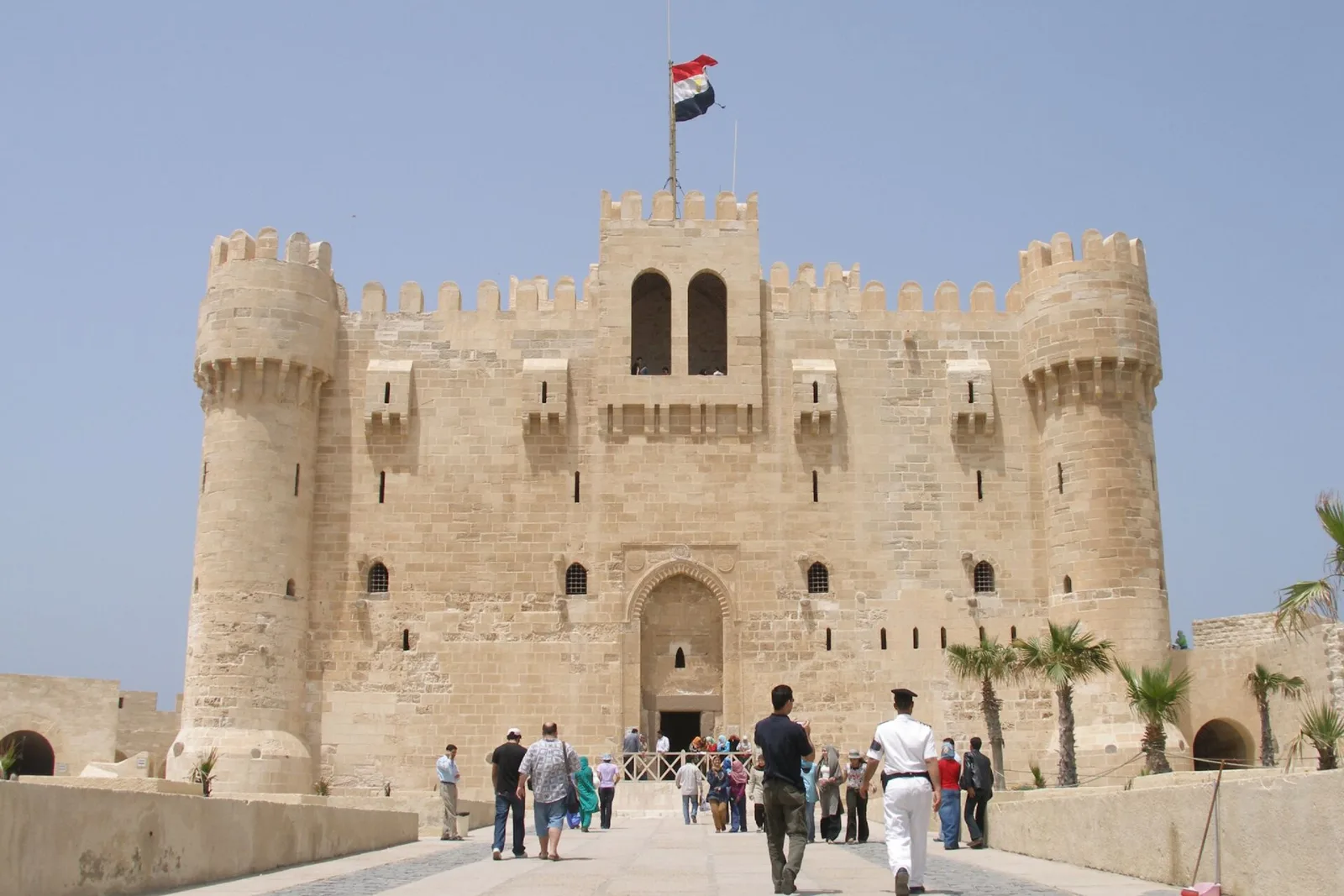
No one has seen the tower standing for more than seven centuries. Earthquakes, including those of 1303 and 1323, reduced it to ruins, and a fortress was raised on the spot by the Mamluk sultan Qaitbay in the late 15th century, partly from its fallen stone. Any reconstruction therefore depends on written accounts and on small pictures. Strabo described a tower of white marble rising through many storeys. Height estimates vary: The National gives more than 100 metres, while La Brújula Verde cites about 120 metres from the second century writer Achilles Tatius, via the researcher Andrew Michael Chugg.
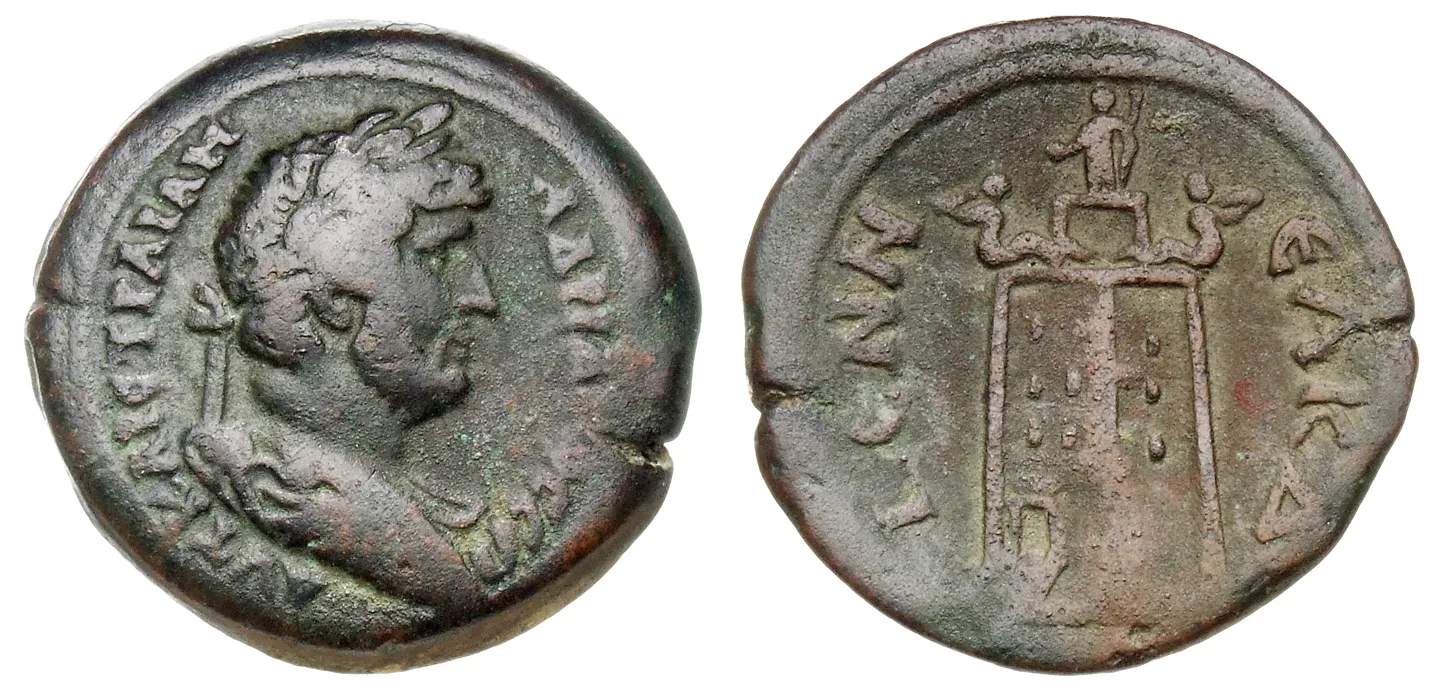
The clearest pictures are on coins minted in Roman Alexandria. Issues of Domitian and Antoninus Pius show a tall stepped tower crowned by a statue, with Triton figures at the corners of the lowest level. El-Leithy says the ring follows the same scheme and resembles second century AD coin types. In the photographs released by the mission, the oval face is corroded, but a tall tower in stacked tiers rising to a small crowning shape can still be made out.
The ring will not fix the proportions of the building on its own. Its date, size and owner have not been published, and the Pharos also appears on a blue glass seal in Vienna and on a Byzantine gem in the British Museum, neither of them described as a ring. Its value is as one more local image that agrees with the coin type, found in the same harbour that the tower once guarded.
A palace with an administrative afterlife?
The discovery may also say something about Antirhodos. El-Leithy suggested that the palace Strabo saw could have kept an administrative role until at least the second century AD, perhaps including work connected with the lighthouse, and the ministry presents this as a possibility rather than a finding. Goddio stressed where the object came from, noting that it was “excavated in the legendary palace of the Island of Antirhodos, that once was a centre of power.”
This season the team is working at four Eastern Harbour sites: the Timonium, a palace tied to Mark Antony; the remains of an obelisk; the Temple of Isis; and the palace and western mound of Antirhodos. Pottery recovered so far spans some 800 years, between the fourth century BC and the fourth century AD, including tableware, amphorae and oil lamps, as well as fragments of glass. The Hilti Foundation has funded Goddio’s work since 1996. When the harbour campaign ends, the mission moves on to Abu Qir Bay, where his team located the sunken city of Thonis-Heracleion in 2000.



Tishman Speyer Signs 150 Year Ground Lease on the Chrysler Building and Plans a $235 Million Restoration
Cooper Union keeps the land under William Van Alen's tower, while Tishman...
illustrarch Editorial Team2 Mins read
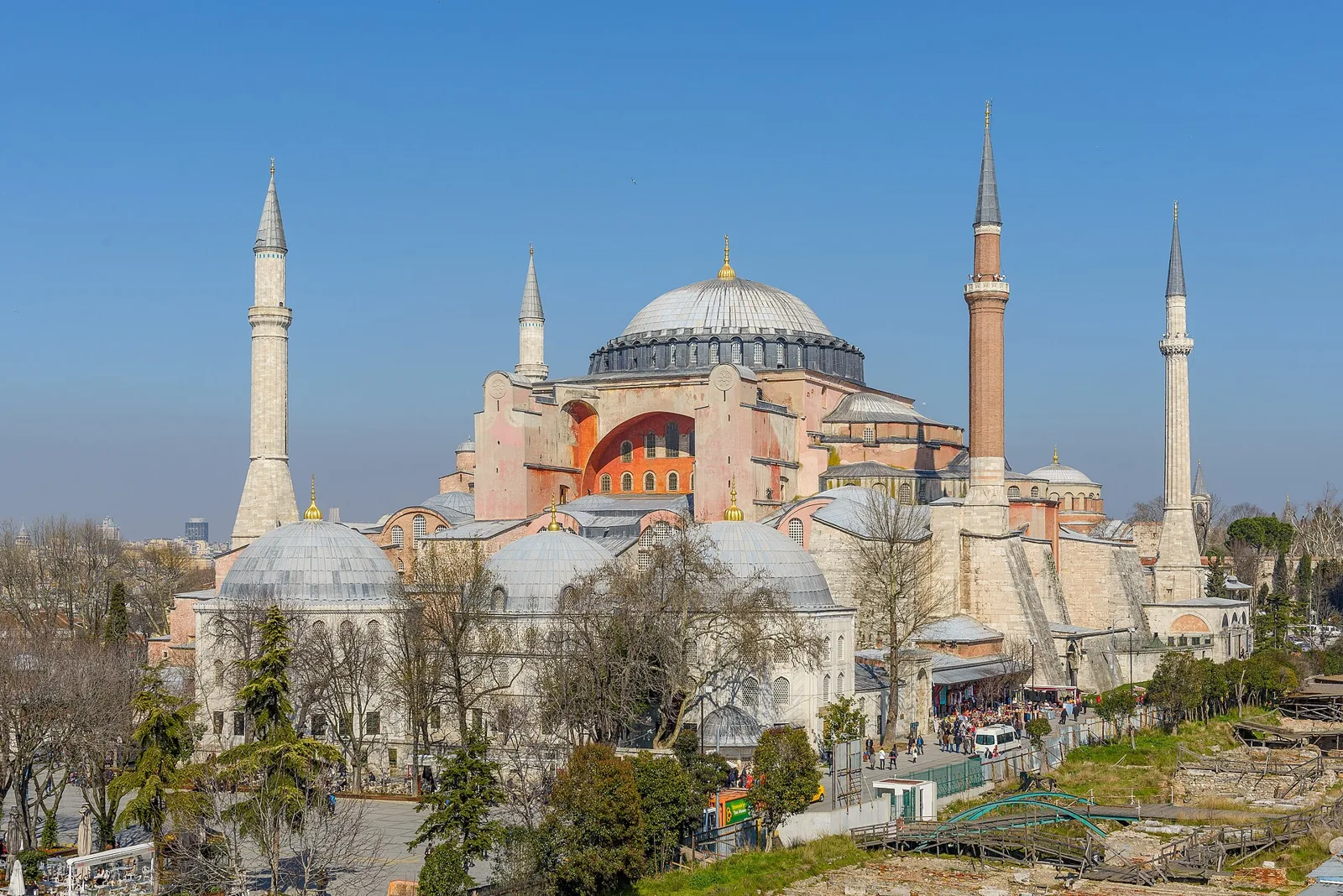
Clearing Beneath Hagia Sophia Reveals a Maze of Byzantine and Ottoman Tunnels
Cleaning under Hagia Sophia's vanished atrium removed about 300 tons of debris...
illustrarch Editorial Team2 Mins read
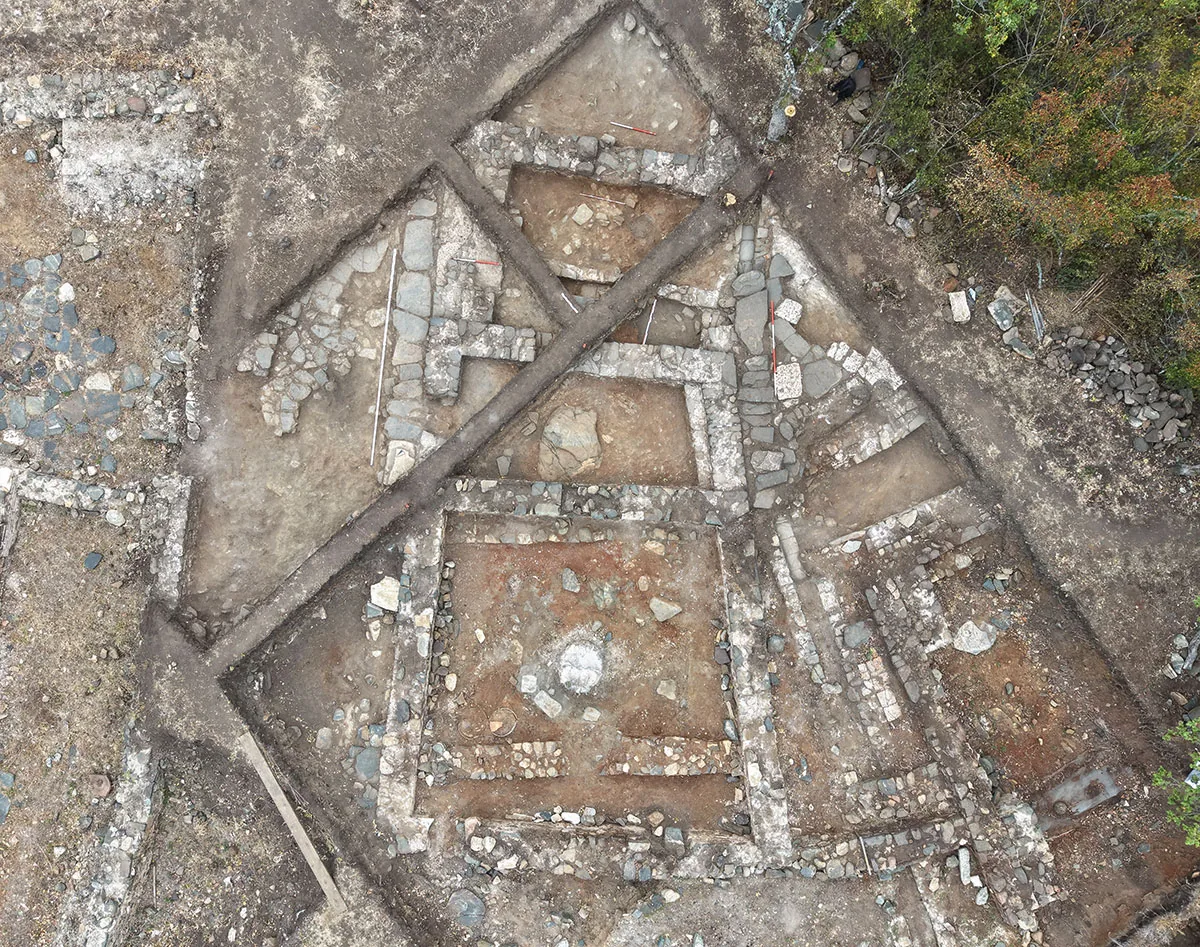
Three-Room Thracian Temple at Balak Dere May Be One of the Last Pagan Sanctuaries in Western Thrace
Excavations at Balak Dere near Ivaylovgrad have exposed a 15-metre trapezoidal temple...
illustrarch Editorial Team2 Mins read
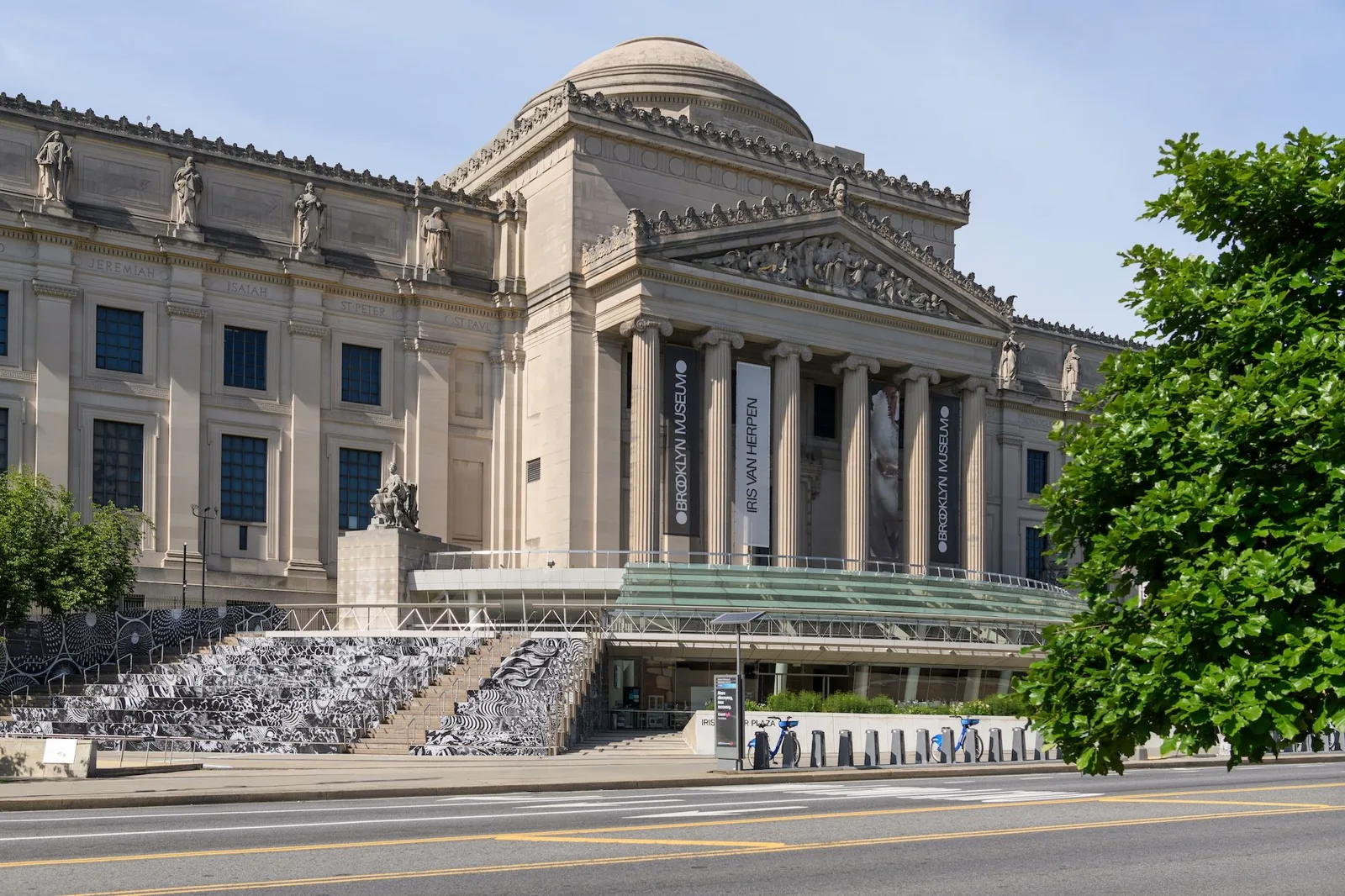
Brooklyn Museum’s $48 Million Energy Retrofit Aims to Cut Emissions by 57 Percent
New York City is replacing the Brooklyn Museum's ageing steam plant, adding...
illustrarch Editorial Team2 Mins read



Leave a comment