

From Ground Up: Essential Tips for Launching a Construction Business
Launching a construction business requires thorough market research, a solid legal and financial framework, and a reliable skilled crew to ensure long-term success.
 Muhammad Abdullatef - Tifa Studio30 November 20236 Mins read409

Table of Contents Show
Launching a construction business starts with three things: solid market research, a legal and financial framework that holds up under pressure, and a skilled crew you can trust on site. Get those right before you bid your first project, and you build a company that survives past the risky early years rather than one that stalls after a few jobs.
Whether you come from the trades or from a management background, the move from working in construction to running a construction business demands planning across several fronts at once. The tips below cover the foundations that matter most when you are building a construction company from the ground up. For one route into the sector, look at your future in building services: Hotondo Franchise Opportunities.
🔢 Quick Numbers
- The U.S. construction industry employed more than 8 million people in 2024, according to the U.S. Bureau of Labor Statistics.
- Around 20% of new businesses fail within their first two years and about 45% within five, based on the Bureau of Labor Statistics Business Employment Dynamics data.
- The Associated General Contractors of America represents more than 27,000 member firms across the country.
Market Research: Lay the Foundation
Before breaking ground, understand the construction market you plan to serve. Good research tells you which projects are worth chasing, who already competes for them, and where demand is going. This work shapes every decision that follows, from the services you sell to the rates you set.
- Identify your target market. Decide whether you serve residential remodels, commercial fit-outs, or civil and infrastructure work. The niche you pick determines your equipment, licensing, and the clients you pursue.
- Study your local area. Check permit volumes, housing starts, and the pipeline of commercial projects near you to confirm there is real demand before you commit capital.
- Analyze your competitors. List the firms already active in your niche, then note their pricing, reputation, and weak points so you can position against them.
- Define your unique selling proposition. Settle on one clear reason a client should hire you, whether that is faster turnaround, a safety record, or a specialty trade few others offer.
Legalities: Building a Solid Framework
The legal setup of a construction business is not paperwork to rush through. Register your entity, secure the contractor licenses your state or region requires, and pull the permits each job calls for. Carry liability insurance and workers compensation cover from day one, and build your operations around current safety law. The U.S. Occupational Safety and Health Administration publishes the construction safety standards that govern site work, and following them protects both your crew and your license.
⚠️ Common Mistake to Avoid
Many new contractors treat insurance and licensing as costs to delay until the first big job lands. Operating uninsured or unlicensed exposes you to lawsuits, fines, and contract disqualification, and a single claim can close a young company. Set up cover and credentials before you take on paid work, not after.
Financial Structure: The Blueprint for Success

Hotondo Franchise Opportunities
A written business plan is the backbone of your finances. Estimate startup costs, map out funding, and set a budget tied to real goals. The U.S. Small Business Administration offers a free framework for writing a business plan that works well for a first construction venture.
Startup Cost Estimation
Break startup costs into clear categories: equipment, tools, vehicles, permits, insurance, labor, and office overhead. Pricing each line item gives you a real number to fund rather than a guess, and it shows lenders you understand the capital your business needs.
Financial Planning
Your plan should include cash flow projections, a market analysis, and measurable targets for the first one to three years. For a deeper walkthrough, see our guide to building a construction business plan.
Cash Flow Management
Cash flow sinks more construction firms than a lack of work does. Long pay cycles and upfront material costs create gaps that quickly drain reserves. Tighten your invoicing, track expenses closely, and shorten payment terms where you can. Estimating and invoicing software, such as the Joist contractor trades platform, helps you bill faster and spot shortfalls early.
Tax and Risk Planning
Construction carries specific tax rules around equipment depreciation, subcontractor reporting, and job-costing. Work with an accountant who knows the industry, and pair that with a risk plan that names your likely exposures, from weather delays to client defaults, and sets aside contingency funds against them.
💡 Pro Tip
Keep a cash reserve that covers at least two to three months of fixed costs before you take on your first large contract. Material suppliers often want payment well before a client settles an invoice, and that timing gap is where many promising firms run out of money.
Build the Right Team
A construction company runs on the skill and reliability of its people. Hire tradespeople who match the work you sell, bring in a manager who can run schedules and budgets, and set clear communication channels between the office and the site. As you scale, you will rely on specialist subcontractors too, and managing those relationships well matters, as our look at common challenges in HVAC contracting projects shows. A strong crew is what turns a steady stream of bids into finished work.
Equipment and Technology: Tools of the Trade
Match your equipment to the jobs you actually win rather than buying for projects you hope to land. For occasional needs, renting often beats owning. On the software side, project management tools that handle scheduling, document control, and real-time progress tracking cut the admin load and reduce costly errors. The right toolset, digital and physical, keeps projects on time and protects your margins.
Marketing and Branding: Raising the Scaffold
A clear brand and a working website help clients find and trust you. Build a site that shows your completed projects, then support it with digital marketing strategies and a TikTok marketing agency to reach a wider audience. Local outreach still works in construction, so an Every Door Direct Mail approach can put your name in front of every household in the areas you serve.
Brand Identity
Your brand is more than a logo, though a clean logo helps. Define a consistent name, color scheme, and message that reflect the quality you deliver. If you are starting from scratch, an online logo creator gives you a workable mark quickly.
Digital Marketing Strategies
Content marketing, local search engine optimization, social media, and email all expand your reach when used together. Local SEO matters most for contractors, since clients search for trades near them. If you would rather hand this off, agencies such as Dagmar Marketing run these campaigns for service businesses.
Cost figures and startup estimates are approximate and vary by region, project scope, and supplier. Licensing and safety rules differ by jurisdiction, so confirm requirements with your local authorities before you begin.
Putting It All Together
Bottom Line: A construction business succeeds when the groundwork comes first, namely research, legal cover, disciplined finances, and a crew that delivers. Build those foundations before you chase volume, and treat reputation as the asset that wins repeat work long after the first project closes.
Frequently Asked Questions (FAQs)
How much capital is typically required to start a construction business?
Startup capital varies widely by trade and scale. A small residential contractor working from a truck needs far less than a firm buying heavy equipment for commercial work. Build your own figure by pricing equipment, vehicles, licenses, insurance, and a cash reserve for the first few months, rather than relying on a single industry average.
What safety measures should be prioritized in a construction business?
Start with personal protective equipment, clear site signage, correct tool and equipment use, and a tidy work area. Keep emergency and site management plans in place, assess risks before each task, and follow current OSHA construction standards. A documented safety program protects your crew and your license.
How do I get clients for a new construction business?
Early work usually comes through referrals, local relationships, and a visible online presence. Set up a website with photos of completed jobs, claim local listings, ask satisfied clients for reviews, and use targeted local marketing. Strong word of mouth tends to outperform paid ads once your first projects are done well.
Is sustainability important in the construction industry?
Yes. Sustainable practices include using renewable materials, reducing embodied energy, cutting on-site waste, and improving energy efficiency. Beyond lowering environmental impact, green credentials increasingly win work, since many clients and public contracts now ask for them.
How can a construction business market itself online?
Focus on local SEO so nearby clients find you, keep an active profile on the social platforms your customers use, and publish project content that shows your work. Email follow-up with past clients and a steady stream of reviews round out a practical digital strategy for contractors.








Architecture Beneath the Surface: The Crucial Role of Structural Mechanics and Geotechnical Analysis in Groundwork Design
Bold architecture depends on the ground beneath it. How numerical geotechnical analysis...
 illustrarch Editoral Team1 Mins read
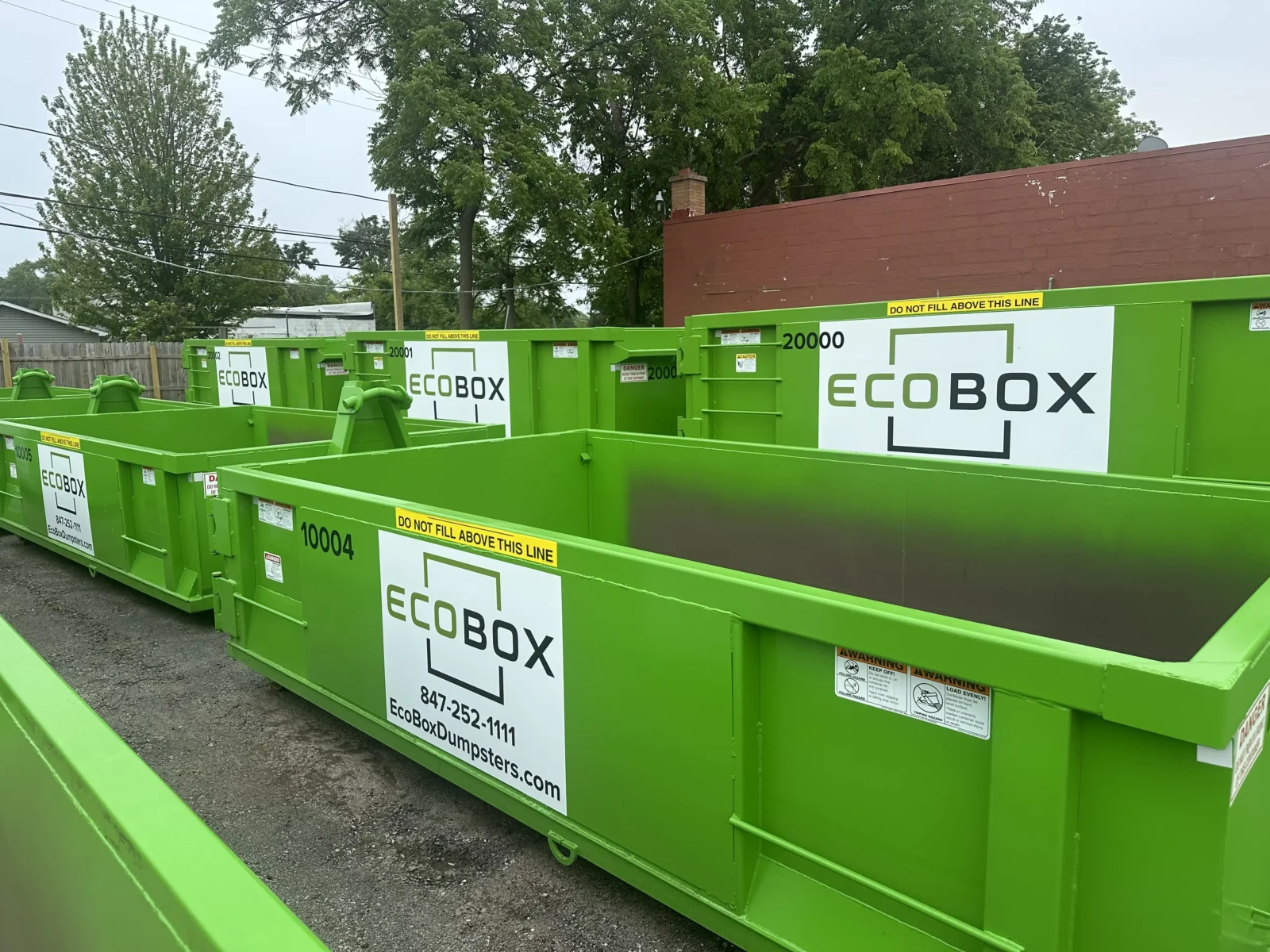
Designing Renovation Projects Around Debris Flow and Site Logistics
Effective renovation planning must prioritize debris flow management. Learn how to integrate...
illustrarch Editoral Team4 Mins read

How Long Does a Building Warranty Typically Last? Coverage Periods Explained
Building warranty cover is layered, not uniform: one year for finishes, two...
 Sinan Ozen5 Mins read

What Is an Architect’s Certificate of Practical Completion?
A practical breakdown of the architect's certificate of practical completion: who issues...
Sinan Ozen6 Mins read


Leave a comment