
Building a City: Ankara 1923 to 1933
An exhibition on the first decade of Ankara as a capital runs at the Dogan Tasdelen Contemporary Arts Center in Cankaya from 18 September to 31 December 2026, curated by Ali and Muge Cengizkan.
 illustrarch Editorial Team23 September 20261 Mins read40
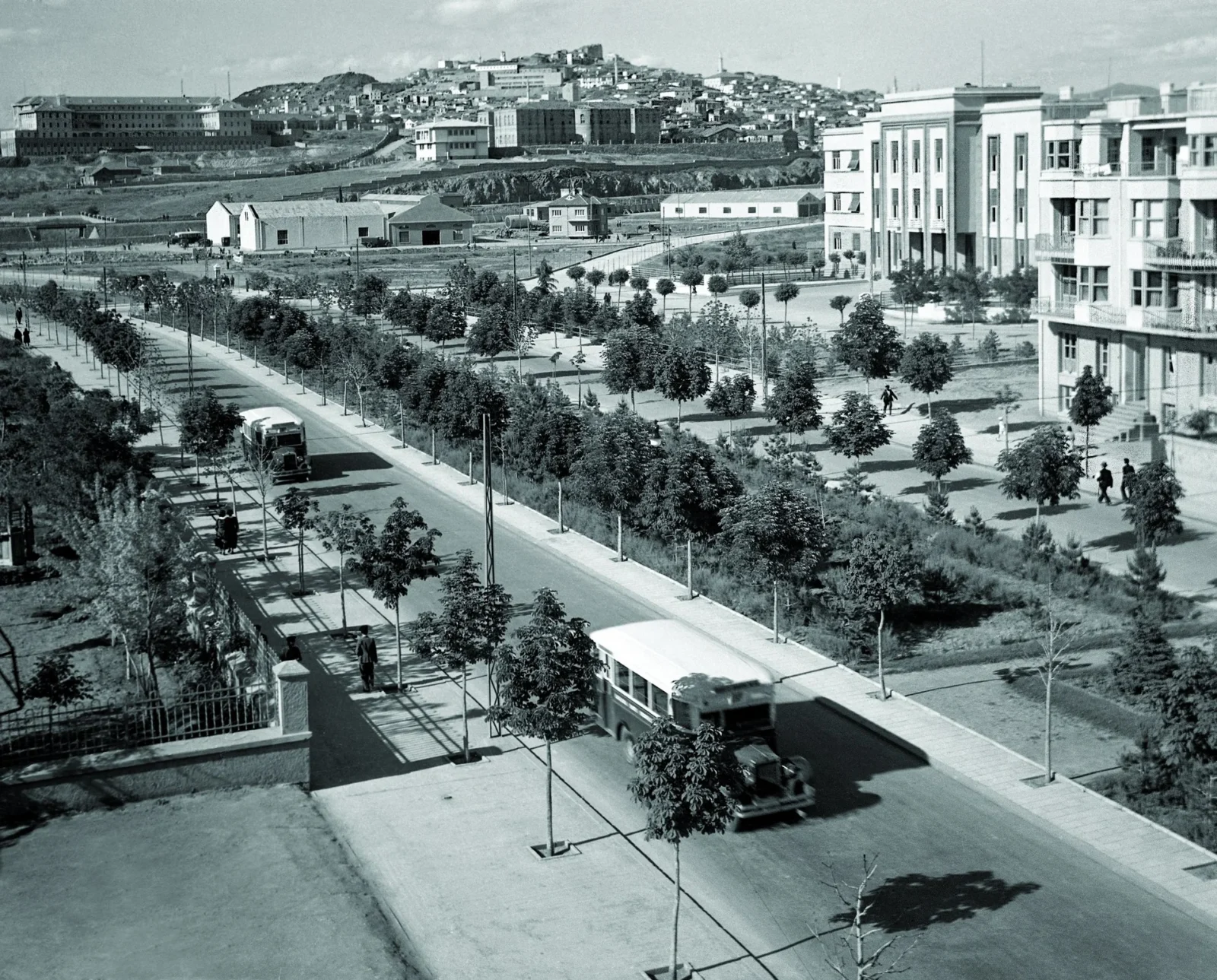
Building a City: Ankara 1923 to 1933, shown in Turkish as Bir Sehir Kurmak, runs at the Cankaya Municipality Dogan Tasdelen Contemporary Arts Center from 18 September to 31 December 2026. It is curated by Ali Cengizkan and Muge Cengizkan and organised with VEKAM, the Vehbi Koc Ankara Studies Research Center of Koc University, with sponsorship from the Vehbi Koc Foundation.
The exhibition was first shown at CerModern in Ankara from 13 November 2019 to 12 January 2020, as part of the Vehbi Koc Foundation’s 50th anniversary. According to the announcement of the 2026 showing, it was prepared to contribute to the New City section of a planned Ankara City Museum, and many of its documents could form the core of that museum.
A new capital in ten years
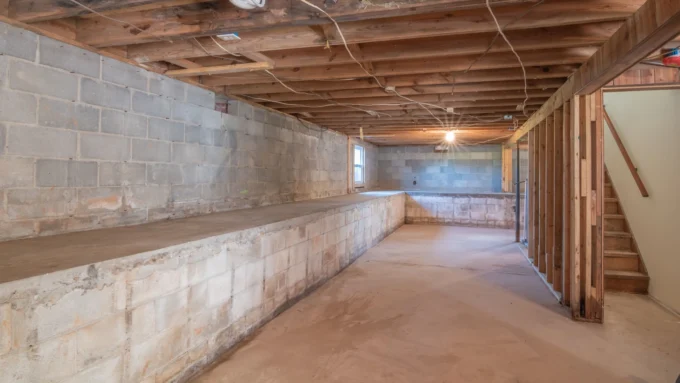
The exhibition covers the first decade of Ankara as the capital, the years when the ministries, housing districts and public buildings of the new republic were laid out. Its focus is Yenisehir, the New City around today’s Kizilay, which in 1923 was an empty plot crossed by footpaths. The show traces how this land was expropriated in 1925, developed by the municipality and the Foundations Administration, and turned into the Kizilay of 1933.
Nearly 350 public buildings and houses built in the district by 1933 are reconstructed in three-dimensional city models based on archival documents and photographs, and films of the modelled city of 1933 sit at the centre of the show. VEKAM describes about 350 photographs grouped under eight themes, scale models of the house types, and film rooms with documentaries and period films. For readers working on modern heritage it is a chance to see the early republican building stock gathered in one place; VEKAM noted in 2019 that 10 of the 320 houses and 18 of the 28 public buildings of 1933 Yenisehir were still standing.
Dates and venue
The show is open from 18 September to 31 December 2026 at the Dogan Tasdelen Contemporary Arts Center in Cankaya, Ankara. A companion book of the same title is published by Koc University VEKAM, and VEKAM reports that it received one of the 2026 awards of the International Committee of Architectural Critics.



Healing Tower by Tanbir Mahmud Chowdhury
A Pabna University of Science and Technology thesis by Tanbir Mahmud Chowdhury...
illustrarch Editorial Team2 Mins read
Bronze Seal Ring From the Sunken Palace of Antirhodos Shows the Lighthouse of Alexandria
Divers working with Franck Goddio's IEASM found the ring on Antirhodos in...
illustrarch Editorial Team2 Mins read
Qasr Al Hokm Metro Station by Snøhetta
Qasr Al Hokm Metro Station puts a mirrored stainless steel canopy over...
illustrarch Editorial Team3 Mins read
Mediterranean Penthouse in Marbella by Tania Tsygel
A three-bedroom penthouse on the Costa del Sol, designed by Tania Tsygel,...
illustrarch Editorial Team2 Mins read