

The Role of Color in Children’s Interior Design Photo by Tatiana Syrikova
Color in children's interior design plays a crucial role in stimulating young minds, influencing emotional responses, and reflecting societal trends in aesthetics and parenting.
 Sinan Ozen23 September 20252 Mins read266

Table of Contents Show
The idea that children’s spaces should be stimulating and educational emerged following the Industrial Revolution. Families who could afford to were able to give children their own rooms – and by the late 19th Century many children of middle and upper-class households had their own nurseries, complete with decorative friezes with entertaining or educational themes.
While historically the design of children’s spaces (both in the home and classroom) had a tendency to be influenced by current decor trends of the time (for example the earthy tones popularized in the 1970s, versus the bold Memphis-inspired brights of the 1980s), this idea of “stimulating young minds” with color has remained at the forefront.
Color Theory
Wolfgang Von Goethe is credited with conceptualizing the color wheel used by artists and designers today, yet he also expanded on another color theory originating in Ancient Egypt; one that noted the effects of color on mood.

This idea (later explored by Carl Jung) is often attributed to colors found in nature: blues and greens were associated with tranquility, while red is frequently interpreted as action-oriented or even dangerous.
In 1994 (when the trend for polychromatic children’s rooms was at its peak), a study showed that children expressed similar emotional responses to color, with darker hues having more of a negative effect than bright colors.
Free Online Color Palette Creator
Drag & drop an image or click to upload
Supports JPG, PNG, WebP. You can also paste an image (Ctrl+V).
No palettes match. Try another word, hue or style.
Keyboard shortcuts
- Space
- Generate new colors (locked colors stay)
- Ctrl / Cmd + Z
- Undo
- Ctrl / Cmd + Shift + Z, Ctrl + Y
- Redo
- C
- Copy all colors
- D
- Open export options
- ?
- Show or hide this list
Shortcuts work while the tool has focus and you are not typing in a field.
The Return of Neutral Decor
The phrase “sad beige” originally began as a satirical take on social media of the trend for parents decorating their children’s spaces in neutral tones, yet there are a number of reasons behind the pushback against technicolor toys and stimulating spaces.
Besides the shift from rigid gender-based pink-and-blue color schemes, there was also a shift towards a more eco-friendly, minimalist aesthetic that appeared austere, yet primarily centered on wealth and luxury.
The resurgence of beige minimalism (previously seen during the mid-2010s) was also viewed as a response to a collective sense of exhaustion in the wake of the pandemic, with parents (many of whom were spending more time at home with their children) opting for calmer, more serene color schemes in their home.
Colorful Spaces: Too Much of a Good Thing?
In many ways, this pushback against brightly-colored children’s spaces with plainer, neutral colored rooms was typical of instances on social media where opinions are frequently divisive and the logical response is to act in direct opposition, even when the situation calls for a more balanced, nuanced response.

The same can be said for the effects of color on children; while very young babies and children can be overstimulated by bright colors, for older children they can be useful for sparking creativity, imagination and for nurturing overall development. Rather than removing color altogether, it’s worth considering its use depending on the situation, the age of the child and their individual needs.
A Rainbow of Possibilities
For an individual child’s room, this may have to do with their personal preference (for example, neurodivergent children can be more sensitive to colors). In the classroom, a happy medium may be reached with softer, less-saturated colors and consideration of the room’s purpose using color psychology.
As we gain greater awareness of how environment affects children’s emotional and mental wellbeing, this suggests an expansion of the color palette beyond beige towards hues that expand the mind and boost creativity – minus the overwhelm.
Free Online Paint Calculator
Calculate the amount of paint needed for your project.
Enter each wall: width and height. Good for L-shaped rooms, accent walls and stairwells.
Trim and woodwork
Trim enamel, semi-gloss or satin: 400-450 sq ft/gal (middle used).
Colors and preview
Your prices and labor (optional)
Calculation Results
Fix the highlighted fields to see the results.
Area Summary
- Gross Area
- - sq ft
- Openings
- - sq ft
- Net Area
- - sq ft
Paint Needed
10% waste included
Primer Needed
Can Recommendation
Cost Estimate
Show calculation
Project
Tips
- Color Change
- Drying Time
- 2-4 hours (touch dry), 24 hours (recoat)
- Application Tip
- Ensure surfaces are clean, dry, and dust-free before painting.
Assumptions: coverage, texture, siding, stain and sprayer figures are the middle of the ranges in our paint guide below; they are typical values for one coat. The label on your paint can is the best guide, since brands differ.
Next steps





Interior Design for Commercial Spaces: Enhancing Functionality and Brand Identity
Commercial interior design has to serve brand, function and regulation at once....
 Begum Gumusel4 Mins read
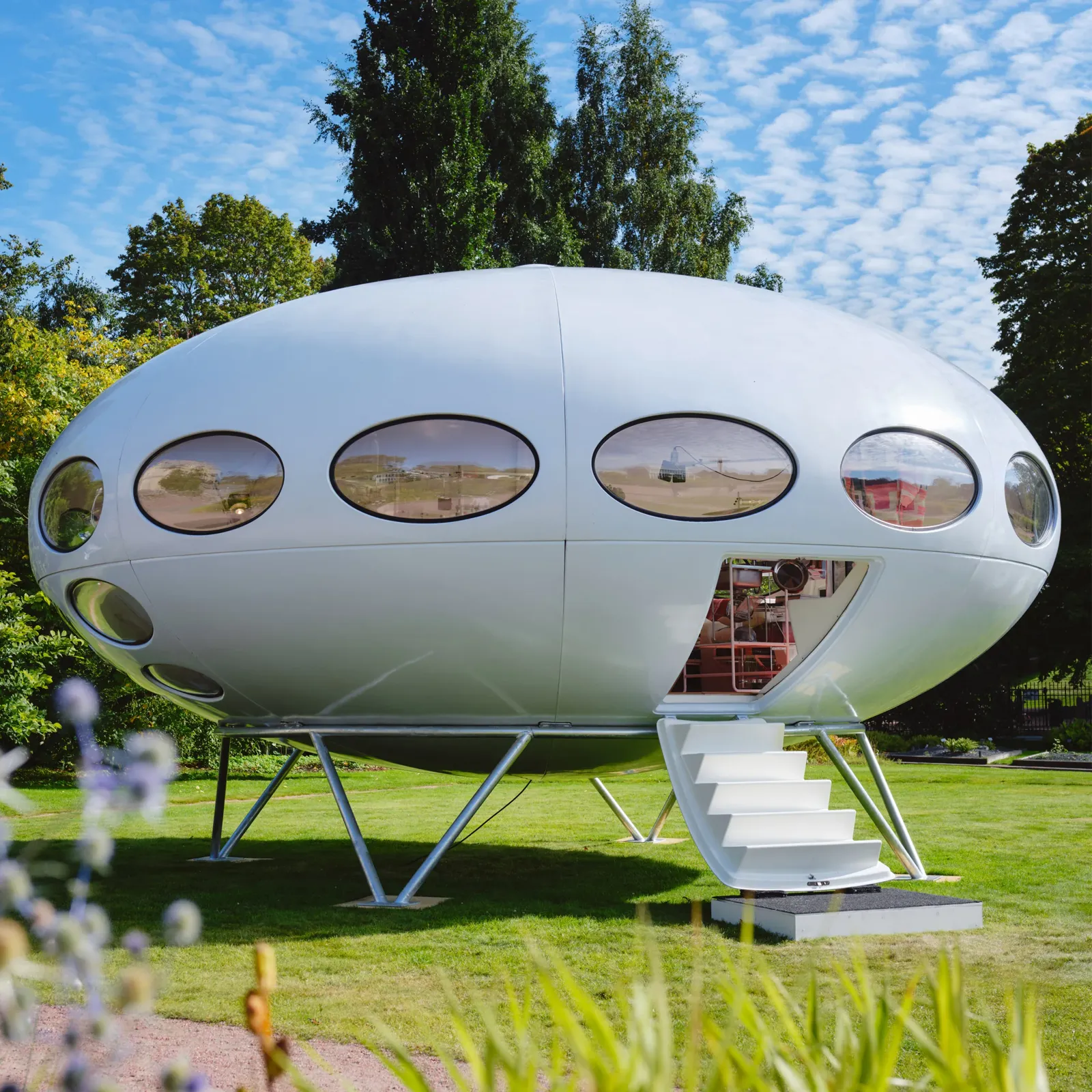
Futuro House Production Revived in Finland After Decades-Long Hiatus
A Facebook listing for abandoned moulds led to the first new Futuro...
 illustrarch Editorial Team3 Mins read
Building Your Dream Home in NSW: What You Should Know About Montgomery Homes
Montgomery Homes has been building across Sydney, Newcastle, the Hunter, Wollongong and...
illustrarch Editorial Team4 Mins read
Designing a Home Theater: Where Drapery Fits Into the Plan
In a media room the curtains are a performance layer, not decoration....
illustrarch Editorial Team3 Mins read



Leave a comment