

Smart Lawn Care Practices for a Healthier Yard
 illustrarch Editoral Team22 April 20263 Mins read105
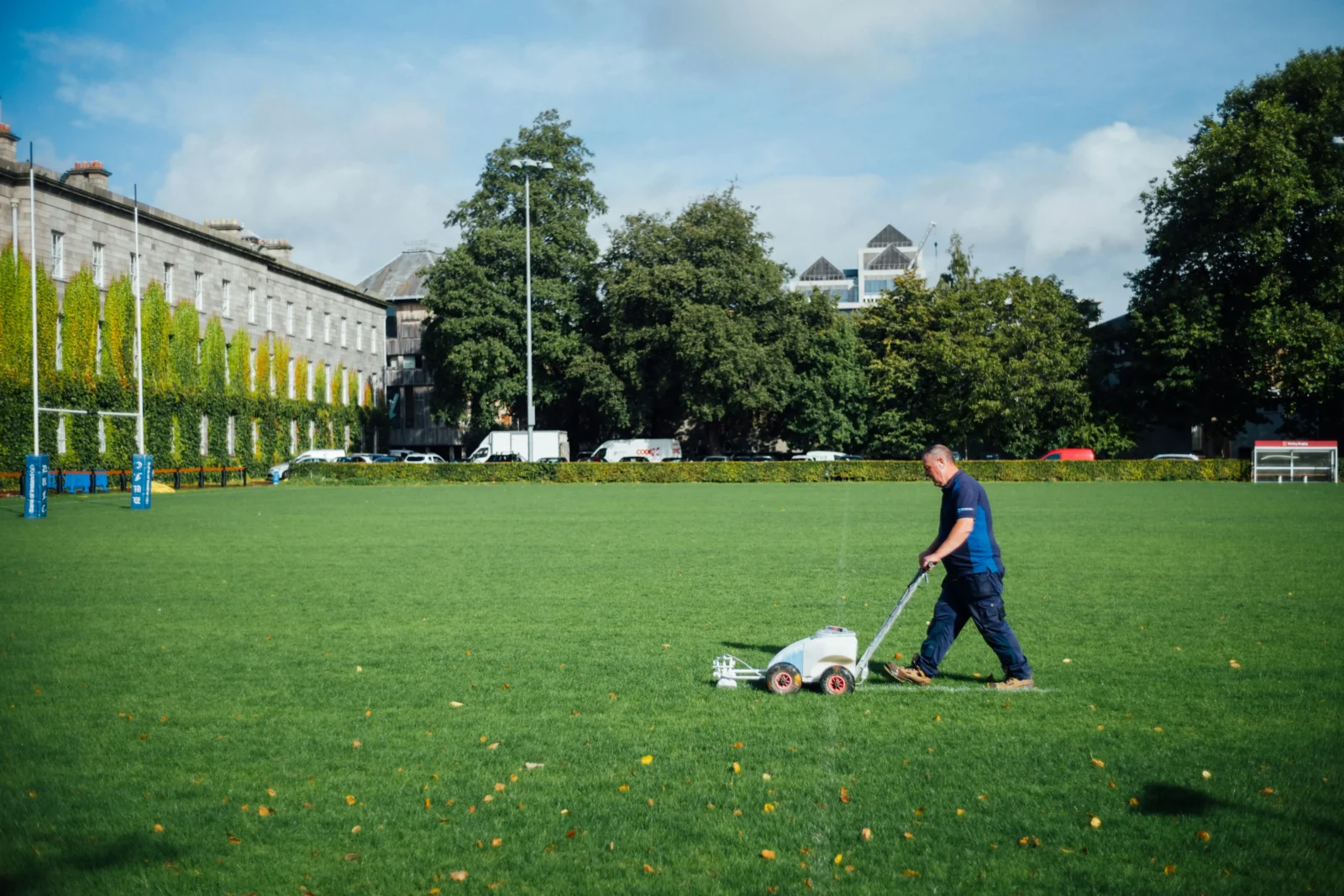
Table of Contents Show
Whether in a hot or cold climate, having a beautiful yard adds an element of appeal to any home. Good, simple, and effective lawn care routines go a long way to helping you maintain a healthy lawn. With regular care and simple techniques, grass is able to flourish, thereby providing a lively environment to enjoy outside.
Proper Mowing Techniques
Grass requires a specific mowing strategy to thrive. Raising the mower blade to an appropriate height allows your lawn to grow thicker and healthier. Short grass weakens the roots of turfgrass, making them more susceptible to heat and drought. Thoughtful lawn care makes its recovery easier, and if you sharpen your blades before every mowing session, you can achieve that. To allow incorporated soil to breathe every week, change up your mowing routine.
Thoughtful Watering Habits
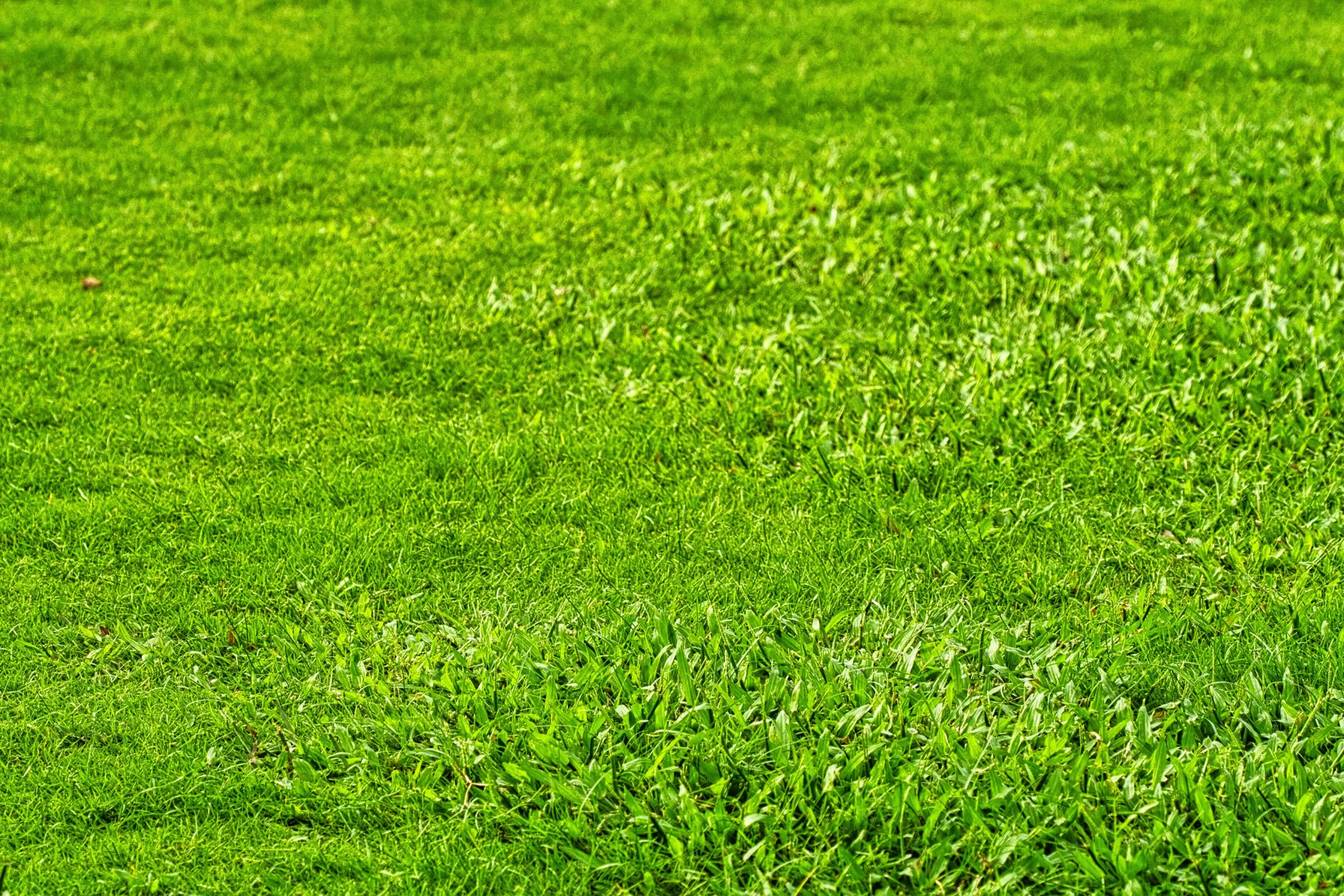
Deep but infrequent watering fosters strong roots. Those early hours of the morning are also the best time to irrigate your yard, which helps reduce evaporation and fungal risk. Most lawns need approximately an inch of water per week, including precipitation. Excess moisture and shallow roots result in a higher risk of disease. Using a rain gauge is always a simple way to keep track of moisture levels. Check it at regular intervals and ensure that you do not water it excessively.
Seasonal Fertilization
Grass needs fertilizer to maintain its health and color, but only at certain times. Most types of grass grow during both spring and fall; therefore, applying fertilizer during these times of the year helps. Slow-release formulations offer steady nutrient levels, while quicker-release materials can spur fast but weak growth. Always read and follow label directions to avoid damaging the lawn.
Weed Management
Weeds compete for nutrients and sunlight with grass. Regular mowing and adequate fertilization can effectively deter weeds. The best way to keep weed populations down is to pull species before they seed. You can avoid unnecessary chemical use by spot treating trouble areas with a targeted herbicide. This practice stops weeds from growing and helps to keep the soil moist. You should consider mulching around trees and beds as well.
Aeration for Improved Soil Health
With compressed soil, air and water cannot penetrate down to the roots. Annual lawn aeration reduces compaction, which allows for better growth. This process uses a core aerator to pull small plugs of dirt from the ground, letting air and nutrients reach further in. Autumn or spring are by far the best seasons for this practice. Frequent aeration is especially helpful for lawns with excessive foot traffic.
Grass Clipping Recycling
When you mow your grass, leave the clippings right on the yard; that provides extra nutrients to the soil. They break down faster and return all their nutrients, so they do not contribute to thatch. This organic method minimizes synthetic fertilizer use. If the clippings are too long or if the grass is too wet, pick them up and compost them for later use. A mulching mower spreads clippings across your lawn for effective recycling.
Pest and Disease Monitoring
A cared-for lawn will ultimately be able to withstand pests and disease much more readily than a lawn that you allow to go to ruin. Regular checks on grass reveal the first signs of trouble, like discoloration or thinning patches. Getting rid of rubbish/fallen leaves will often dissuade insects from entering and minimize fungal growth. Natural or targeted solutions when you first notice trouble will control damage to your lawn.
Sustainable Lawn Practices
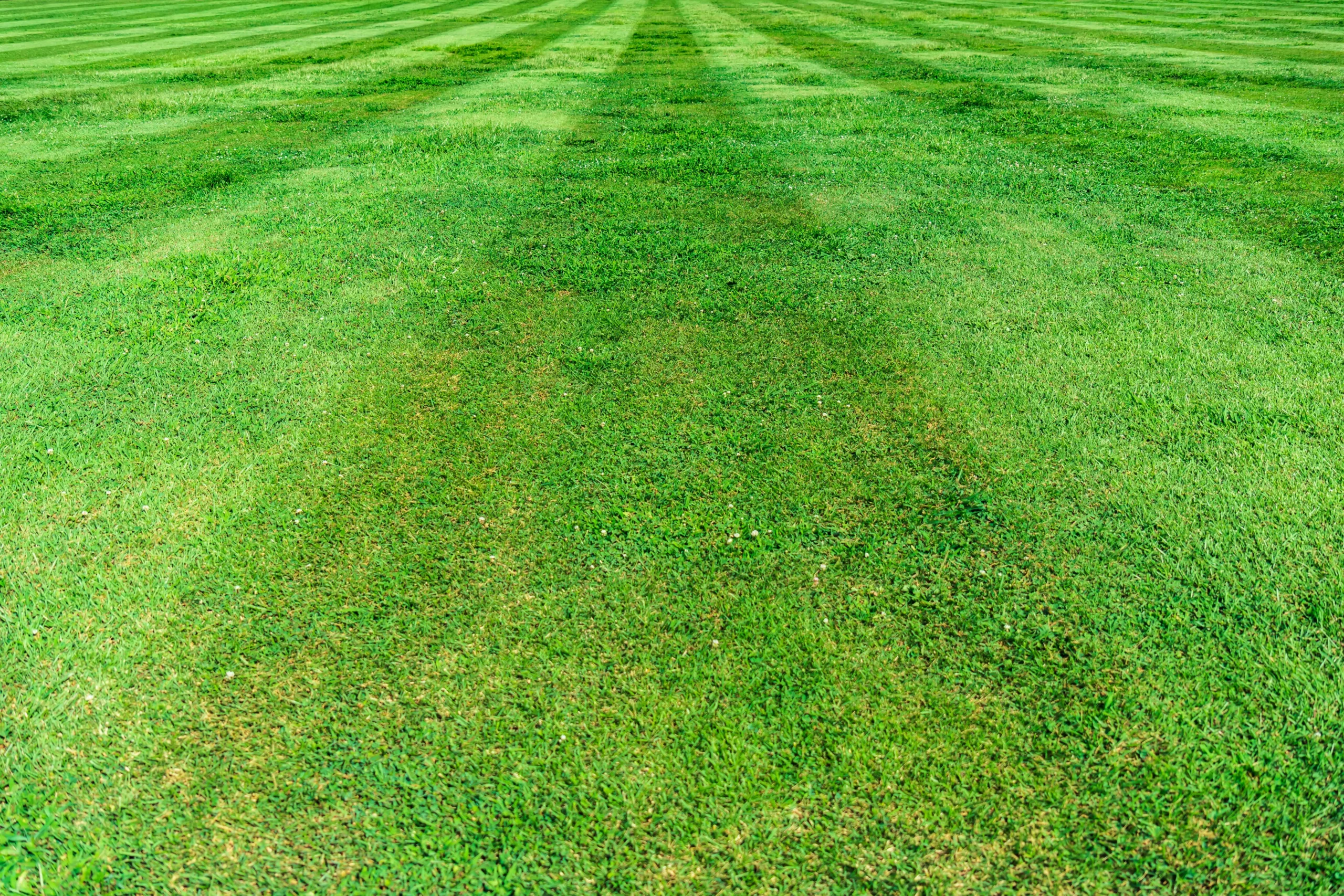
Eco-friendly options can lead to long-term carpet health and environmental protection. Using grass that requires less water will require less maintenance. Permeable pathways, rain barrels, and other methods can reduce runoff and conserve water. You can support soil life by choosing organic fertilizers and natural pest control options. This practice protects children, pets, and local wildlife from getting exposed to chemicals.
Consistent Yard Maintenance
Routine care is the first step in ensuring a minor problem doesn’t become an expensive, inconvenient issue. Whether it is raking leaves, clearing debris, or checking irrigation systems, it all helps keep everything in order. Dividing tasks seasonally allows every step to get its due attention. Regularly investing time will ensure a thick, green lawn with no extra effort.
Conclusion
Good lawn maintenance is more than just getting out and doing the regular activities; it also means you are making responsible decisions. The basics of a healthier yard are regular mowing, watering, fertilizing, and pest management. Continue using sustainable practices, and a little ongoing attention can help the grass thrive while benefiting the surrounding environment. With these practices, you can be proud of your yard and make it an enjoyable space for everyone.









Oscar Niemeyer’s Cathedral of Brasília: The Hyperboloid Concrete Hymn
The Cathedral of Brasília reads as a single gesture, yet it stood...
 Furkan Sen7 Mins read

What Technology Does a Modern Workplace Need?
A modern workplace needs more than fast computers. A framework covering network,...
illustrarch Editoral Team8 Mins read

How Do You Choose Durable Shutters That Suit Your Budget?
Shutters can look identical in a showroom and perform very differently after...
illustrarch Editoral Team8 Mins read

How Can Window Coverings Improve Indoor and Outdoor Comfort?
Window coverings work as a home’s adjustable climate layer. A practical guide...
illustrarch Editoral Team9 Mins read




Leave a comment