

Sustainable Architecture: How to Design Respecting the Environment
It is a concept that has become the fundamental pillar of the sustainable future to which we must aspire in all areas of life. In general, its principles consist of optimizing resources, facilitating disassembly and reuse, and minimizing waste.
 Bahattin Duran5 February 20234 Mins read428

Table of Contents Show
You may have already heard of the ‘circular economy’. It is a concept that has become the fundamental pillar of the sustainable future to which we must aspire in all areas of life. In general, its principles consist of optimizing resources, facilitating disassembly and reuse, and minimizing waste.
This environmentally friendly model is gaining prominence in the economic and social sphere, but how to apply the idea of a circular economy to the construction and design of our homes? Can ecological houses be created? We talked to three experts about this and other issues around construction and sustainability.


1. A Sustainable Architecture Transfers the Functioning of Nature to Construction Processes
A sustainable architecture based on the circular economy must take into account the functioning of nature in order to respond more in accordance with its mechanisms. That is why has catered to all the nature-friendly features. The reference to circular economy refers to integrating human activity into the natural cycle, which is a circular cycle where all matter returns to have a second life, a new purpose once the function for which it was intended has been completed.

2. The Life Cycle of the Building must be Analyzed
In architecture, the concepts of the circular economy must be applied from the first phases of a project, starting by designing with the entire life cycle of the building in mind, including, in addition to construction, future reuse or demolition of it.
For this, the ecological footprint of the building must be considered, that is, the amount of energy needed to build a building, to live in it in good conditions, maintain it, reuse it and, finally, if necessary, demolish it and reuse its parts.


3. Create Adaptable and Flexible Housing
The circular design looks for buildings capable of easily adapting to the needs of its users. For this, it is necessary to think of functional systems that take into account the modularity and adaptability of their different components and consider the possible change in needs throughout their life cycle.


In this sense, new possibilities of use and reuse must be created. Think, for example, of a wood frame building. This structure can be disassembled just like a piece of furniture is disassembled and reassembled in another place, or reuse that material for other construction or industrial products, or ultimately, take advantage of the embedded energy to produce heat. In general, all materials that are dry joints that can be easily dismantled are easier to reuse.
4. Minimize Emissions through Bioclimatic Strategies
We must achieve buildings that are adapted to the environment and have a positive impact, homes that consume less, produce less waste, and also contribute positive things to their occupants. To do this, the current approach must be changed. It is not about reducing the damage to the environment, but about avoiding it completely by creating ecological houses.
Currently, when a house spends a lot of energy on air conditioning or lighting, the solution is to try to optimize the performance of the refrigeration device or install low-consumption light bulbs, which only serve to reduce energy consumption that, although lower, is still important.

The real solution is to propose strategies that take advantage of natural resources, such as cross ventilation and natural lighting, during the design stage of the house. Architecture must incorporate bioclimatic strategies that allow good habitability conditions (lighting, ventilation, air conditioning) to be enjoyed without consuming excessive energy.

5. Use Local and Recyclable Materials
As architects, we must use materials that can be reused or recycled, products that, at the end of their useful life, do not become garbage.
Recycling is still in a very primitive phase. The simplest thing is to let nature do the work that it knows how to do better than us and in a more efficient way. We must make use of natural materials or materials of little elaboration (wood, stone, thermal insulation of natural origin), thus guaranteeing that at the end of their useful life, they can be incorporated into the natural cycle.

The key is, therefore, to change the way we design and build. Applying the principles of the circular economy in the design phase of a house implies that while you think about geometry, spaces, and orientation. You also look at the local materials available, which can even come from warehouses or nearby buildings that are being dismantled. It is true that initially, it can be a limitation, but in my experience, it ends up giving rise to innovative and, of course, sustainable solutions.

6. Minimize Waste
Currently, the amount of waste generated by the construction sector is a problem. Today, each habitable square meter that we build involves mobilizing an average of 7.5 tons of material, taking into account those that are effectively left in work and the set of materials that have been used to build that square meter. The difference between the mobilized materials and those that actually remain, which are less than half, is what we call “residue”.

What is the solution to minimize this waste in construction? There is a need to lighten the way of building, substituting materials with a high environmental impact for others with a low impact, whose use means, among other things, lower energy and water consumption.

Combined Pavers
One of the starting points for a truly circular economy should be ‘zero waste’: a term already defined in the 1970s. The circular economy is based on working in such a way that waste is never generated. We have all heard that ‘one person’s garbage is another person’s resource.
Applied to architecture and construction, it means that we must work on taking advantage of everything, avoiding leftovers, and in case they are produced, looking for a place where they are useful.

7. Waste can also Become Resources
Therefore, to close the circle, it is essential to dispose of this waste from industry or construction and think about materials manufactured from it. We need to reduce the number of residual materials generated by construction, creating nodes that connect waste producers with companies that know how to value them.

For a true architecture based on the circular economy, a possible phase of reuse or recycling of its components should also be considered when the building ceases to have the use for which it was intended.
Potentially, 100% of the materials of a work can be reused or recycled. Another thing is that there is currently an industry, technical regulations, project strategies, and construction technologies that are responding to this process.



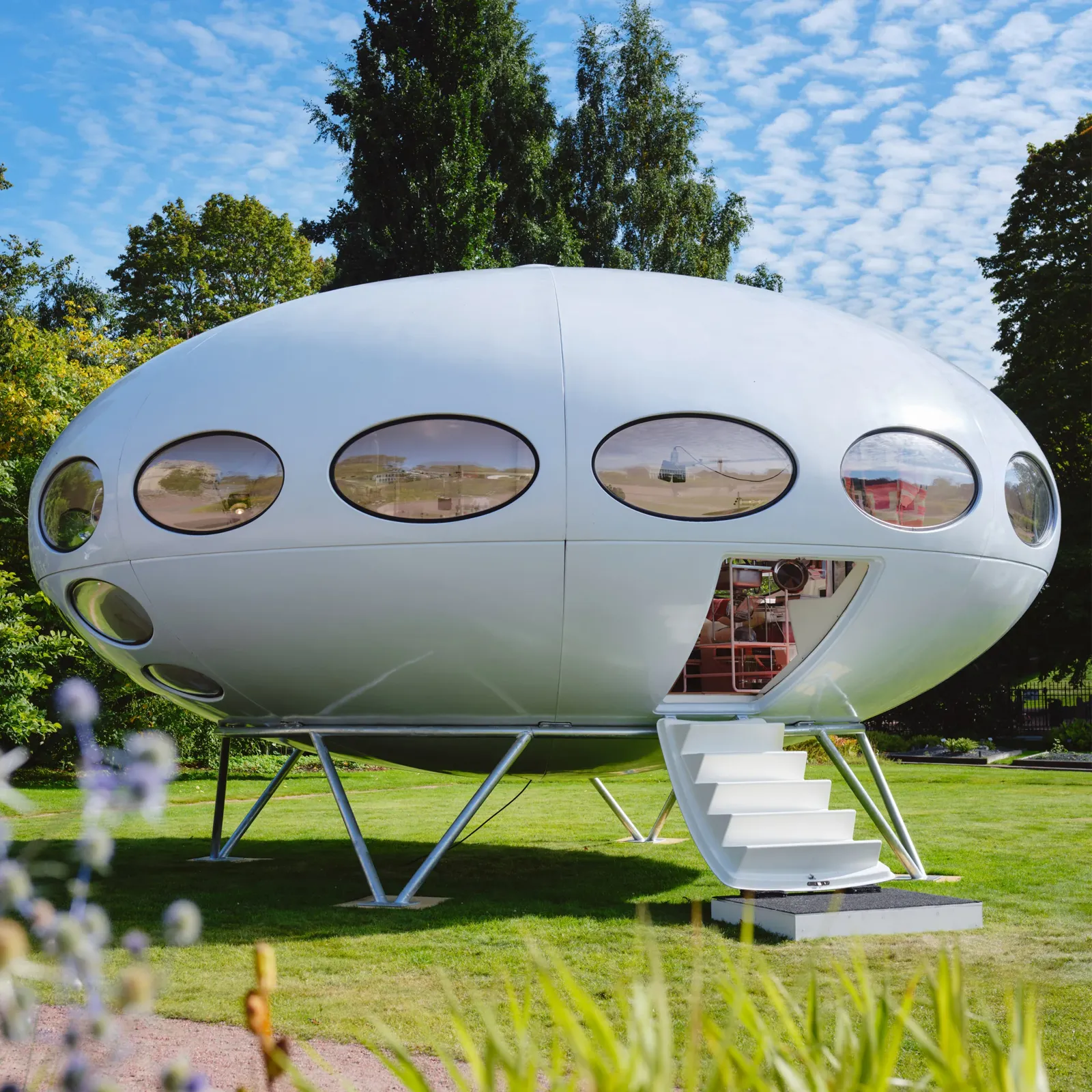
Futuro House Production Revived in Finland After Decades-Long Hiatus
A Facebook listing for abandoned moulds led to the first new Futuro...
 illustrarch Editoral Team3 Mins read
Building Your Dream Home in NSW: What You Should Know About Montgomery Homes
Montgomery Homes has been building across Sydney, Newcastle, the Hunter, Wollongong and...
illustrarch Editoral Team4 Mins read
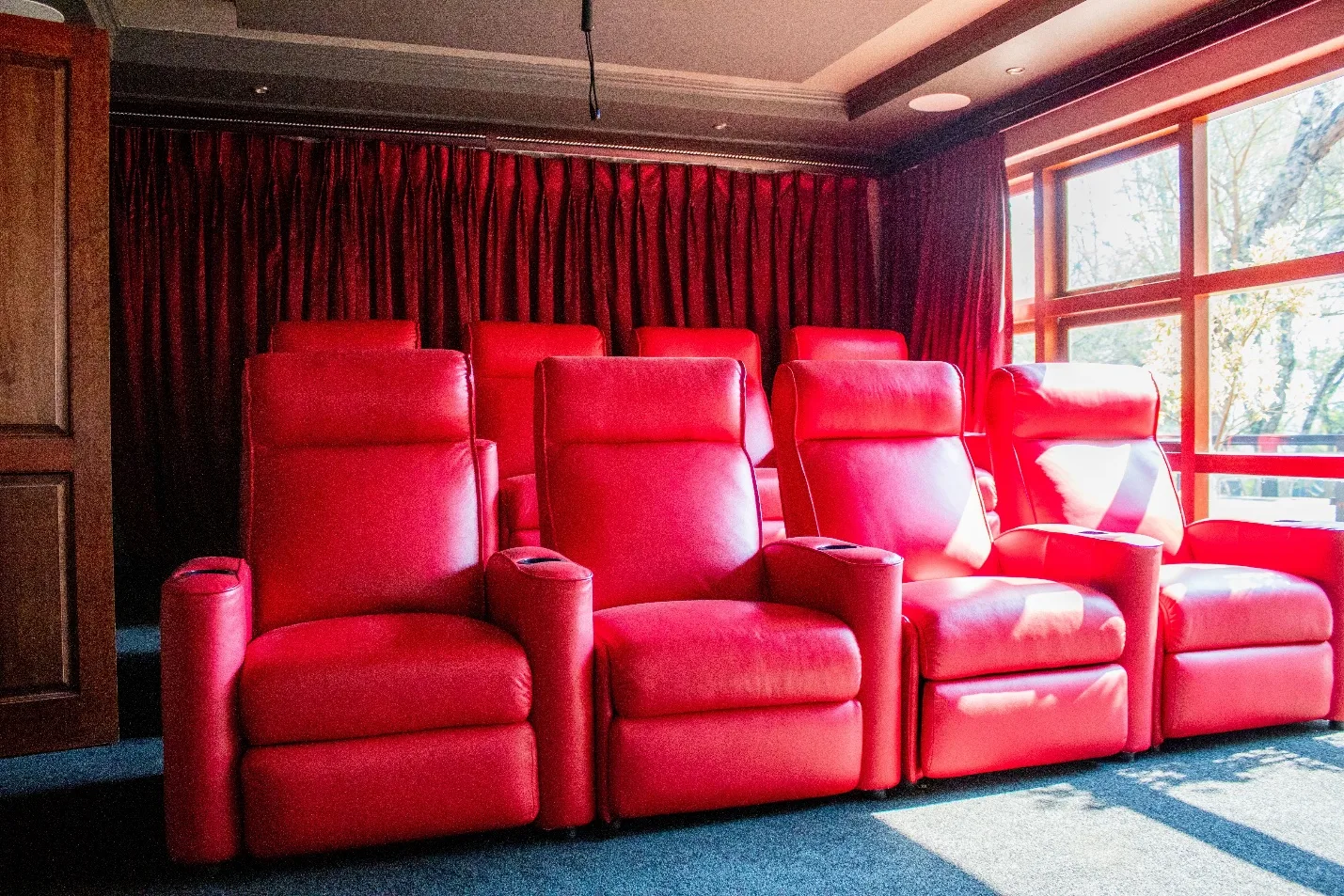
Designing a Home Theater: Where Drapery Fits Into the Plan
In a media room the curtains are a performance layer, not decoration....
illustrarch Editoral Team3 Mins read
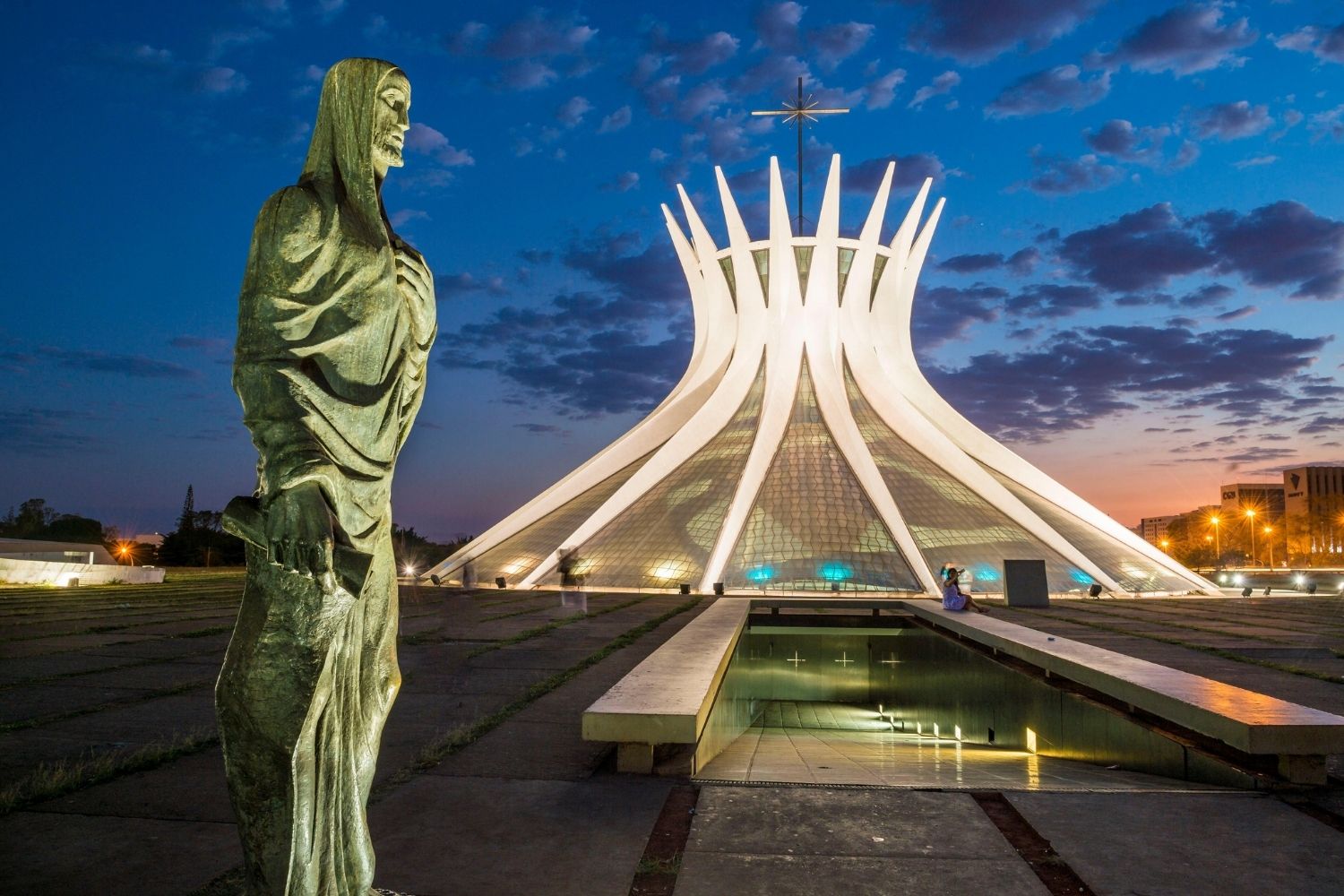
Oscar Niemeyer’s Cathedral of Brasília: The Hyperboloid Concrete Hymn
The Cathedral of Brasília reads as a single gesture, yet it stood...
 Furkan Sen7 Mins read


Leave a comment