

Designed for long stays: what makes serviced accommodation work for project teams
Over a longer stay, the design of the place project teams come back to each evening starts to matter. Layout, kitchen, workspace, storage, rest and location decide whether serviced accommodation works.
 illustrarch Editoral Team1 November 20264 Mins read1
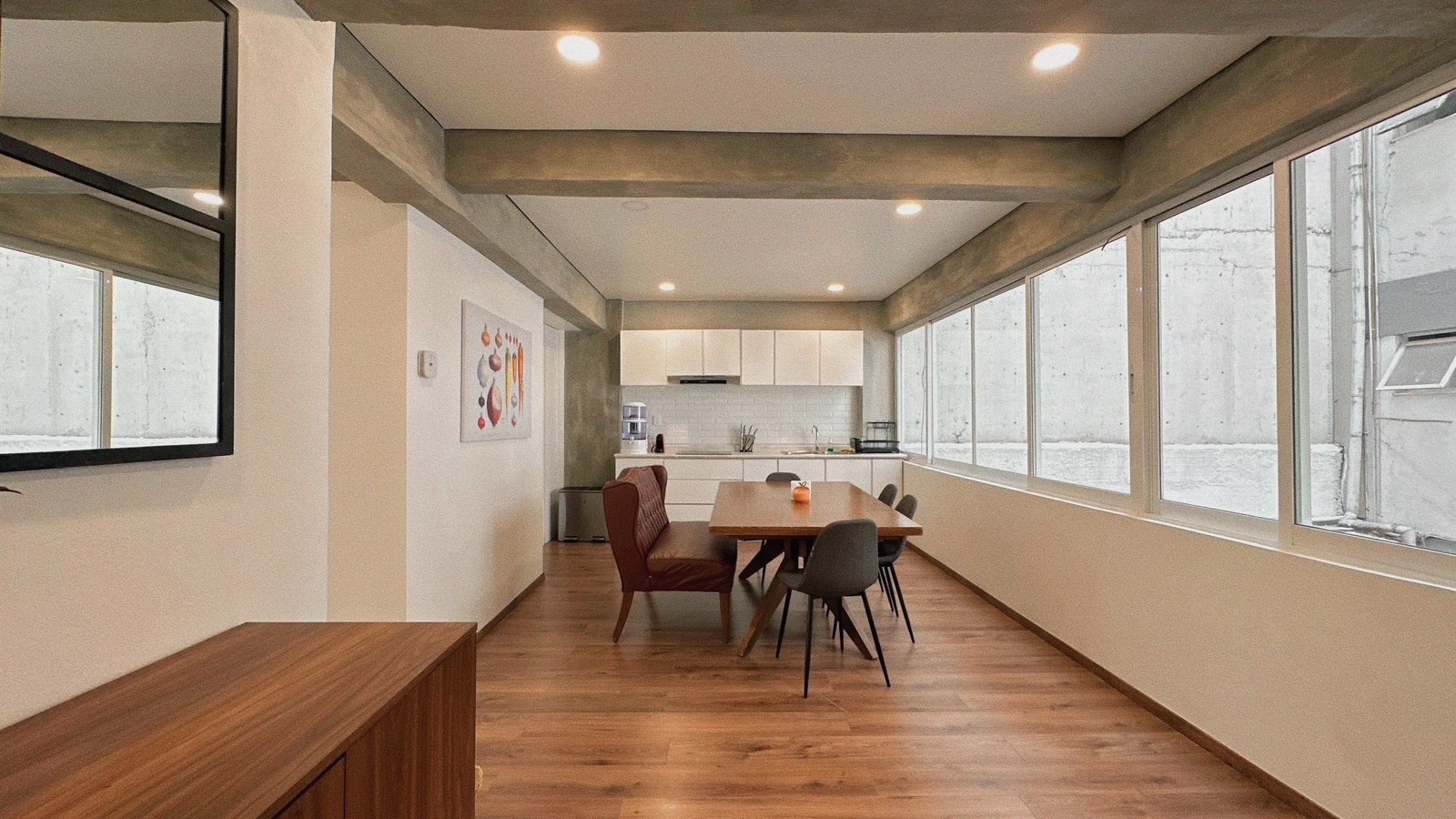
Table of Contents Show
Architects spend a great deal of time thinking about how people live in the buildings they design. Much less thought tends to go into how project teams live while those buildings are being delivered. Yet on many projects, engineers, site managers, consultants and specialist contractors spend weeks or months working away from home.
For a few nights, almost anywhere with a bed will do. Over a longer stay, the design of the place people come back to each evening starts to matter a great deal. It shapes how well they rest, how they eat, how they work and how they feel by the end of the job. Looking at temporary accommodation through a design lens shows why some places work for project teams and others quietly wear them down.
Hotels are designed for short stays
The typical hotel room is a well-resolved piece of design, but it is designed for a particular brief: a night or two, perhaps a business trip or a weekend away. Almost everything happens in a single room, with the bed at the centre. Meals happen elsewhere. Storage is minimal because guests are not expected to unpack properly.
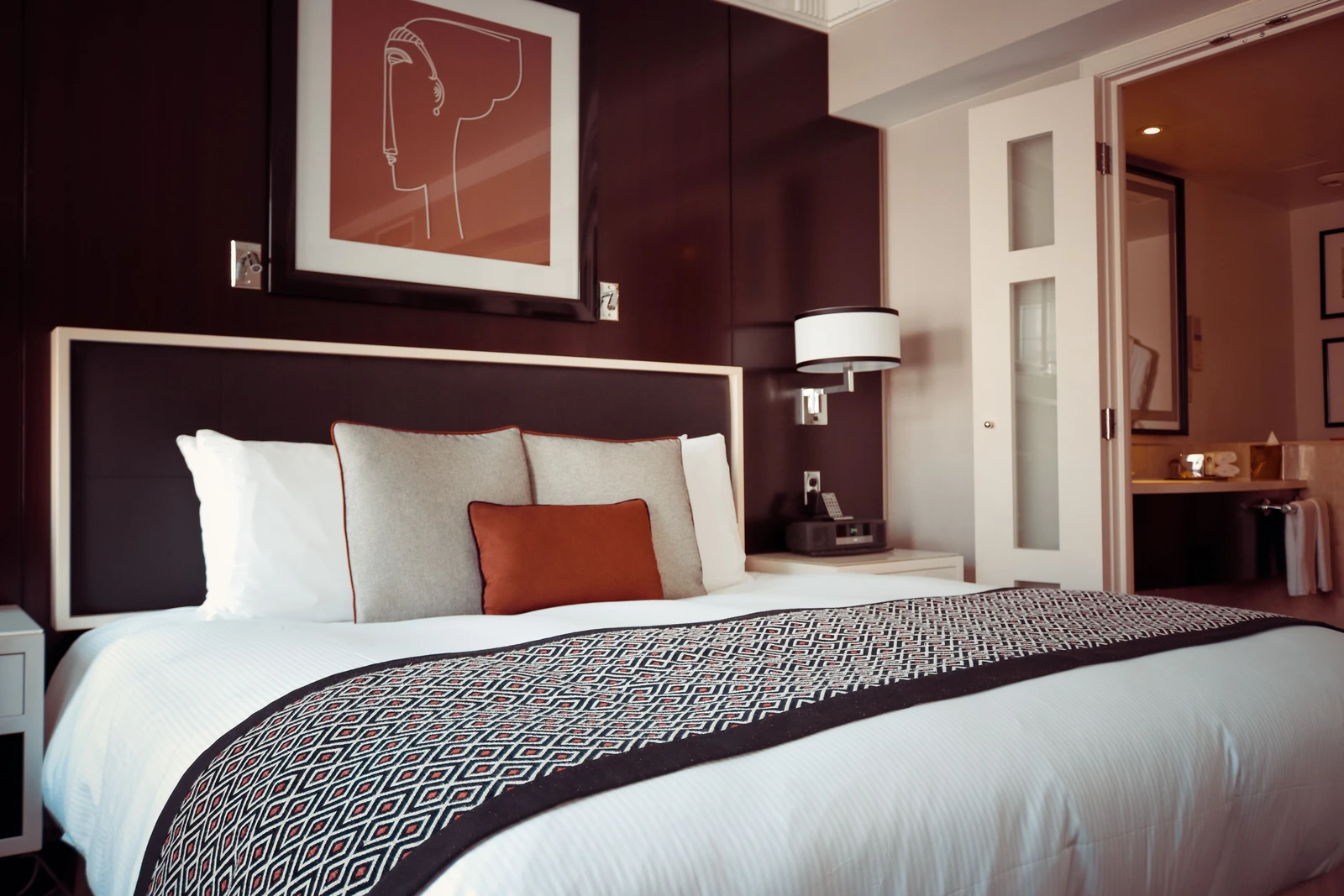
That brief starts to break down when the stay runs to several weeks. People end up working on the bed, eating takeaways from the desk and living out of a suitcase. There is nowhere to separate the working day from the evening, and nowhere for a team to come together.
Why long stays need a different brief
Serviced apartments and houses respond to a different brief: living, not just sleeping. For organisations planning longer projects, serviced accommodation for project teams is closer to a home than a hotel room, and that changes how the space works day to day.
The useful question for anyone choosing or designing this kind of accommodation is simple: what does a person working on a project for several weeks actually need from the place they stay? The answer covers the same ground any good residential brief would: layout, kitchen, workspace, storage, rest and location.
Layout: separating rest from everything else
The single most important design move in long-stay accommodation is separation. A bedroom that is only for sleeping, with a separate living space for eating, working and relaxing, makes a remarkable difference to how rested people feel.
For teams sharing a property, the layout needs to balance togetherness with privacy. Shared living and kitchen areas give people somewhere to talk through the day, plan the next morning and eat together. Individual bedrooms, ideally with en suite or well-distributed bathrooms, give everyone a place to retreat to. A plan that forces people through someone else’s room, or relies on one bathroom for several early risers, will cause friction within days.
Kitchens: the heart of a long stay
On a short trip, eating out is part of the experience. Over a month, it becomes tiring, expensive and rarely healthy. A proper kitchen gives people control over what and when they eat, which is especially important for those starting early or working shifts.
The details matter. A full-size fridge with freezer space allows a weekly shop rather than daily trips. Enough worktop for more than one person to prepare food at the same time suits shared properties. A dining table large enough for the whole team turns the kitchen into a social space rather than a corridor with appliances.
Workspace: somewhere to think
Project teams rarely leave the work on site. Drawings need reviewing, reports need writing and calls with the client or design team often happen in the evening. A good long-stay property provides at least one place to work properly: a table or desk at the right height, a supportive chair, good task lighting and reliable Wi-Fi.
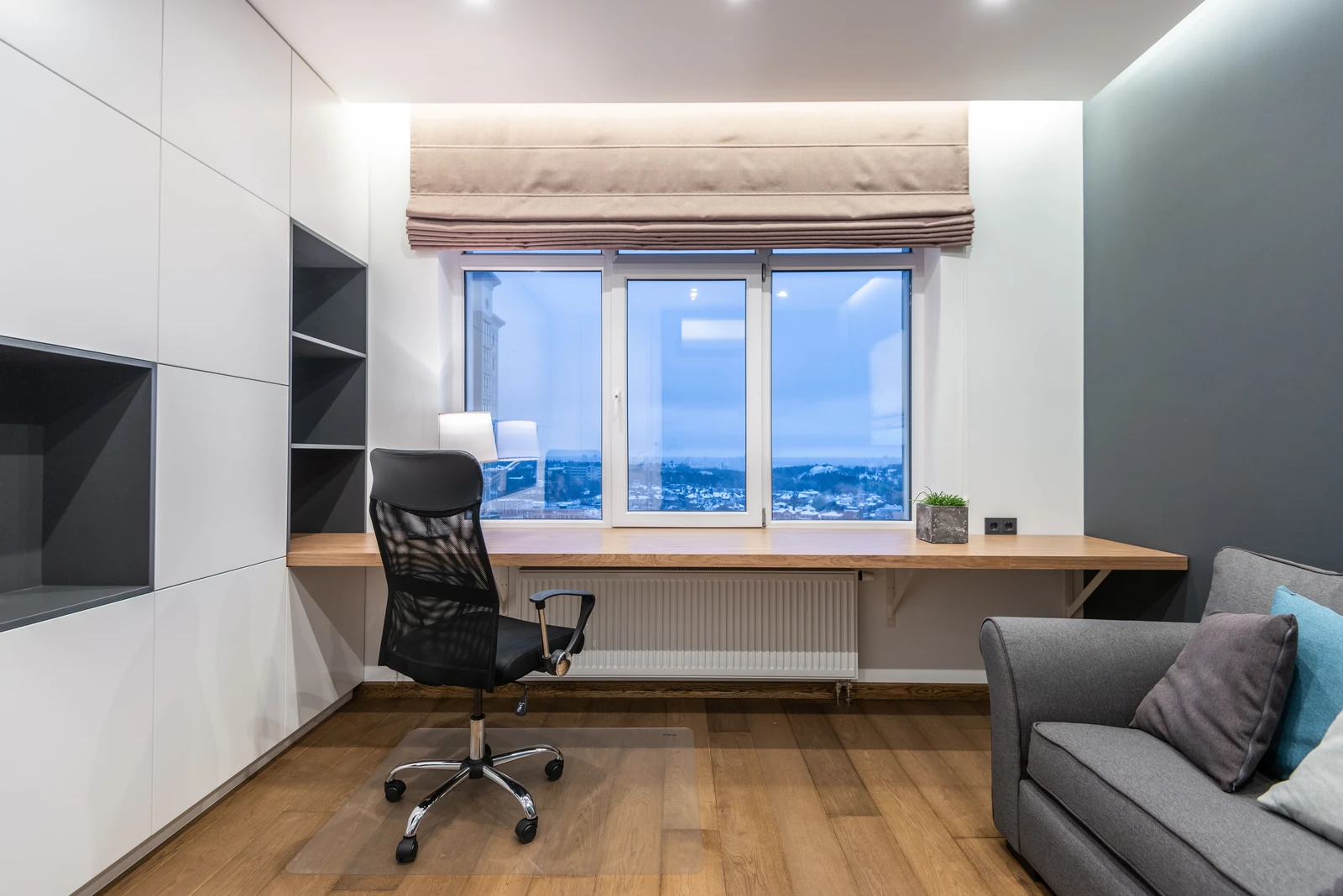
Ideally, that workspace sits away from the bedroom, so the bed does not become an office by default.
Storage: living, not just visiting
Storage is easy to overlook and quick to become a problem. Someone staying for several weeks needs to unpack. That means a wardrobe with hanging space, drawers, and somewhere to put a suitcase out of the way.
Site-based teams have extra needs. PPE, boots and wet weather gear need a place near the entrance where they can dry without taking over the living space. A utility area with a washing machine, and ideally a dryer, lets people keep work clothes clean without relying on a laundrette. Secure storage or off-street parking for vans and tools is often a deciding factor for contractor teams.
Rest: designing for recovery
Good sleep is the foundation of safe, productive work, and design has a lot to contribute. Blackout curtains or blinds help people who sleep during the day after night shifts. Acoustic separation between bedrooms, and from the street, protects rest in shared houses. Controllable heating and ventilation let people set the temperature that suits them.
Beyond the bedroom, rest is also about having somewhere to switch off. A comfortable sofa, natural light, and perhaps a small garden or outdoor space give people a chance to recover from a demanding day rather than simply waiting for the next one.
Location: the site is part of the plan
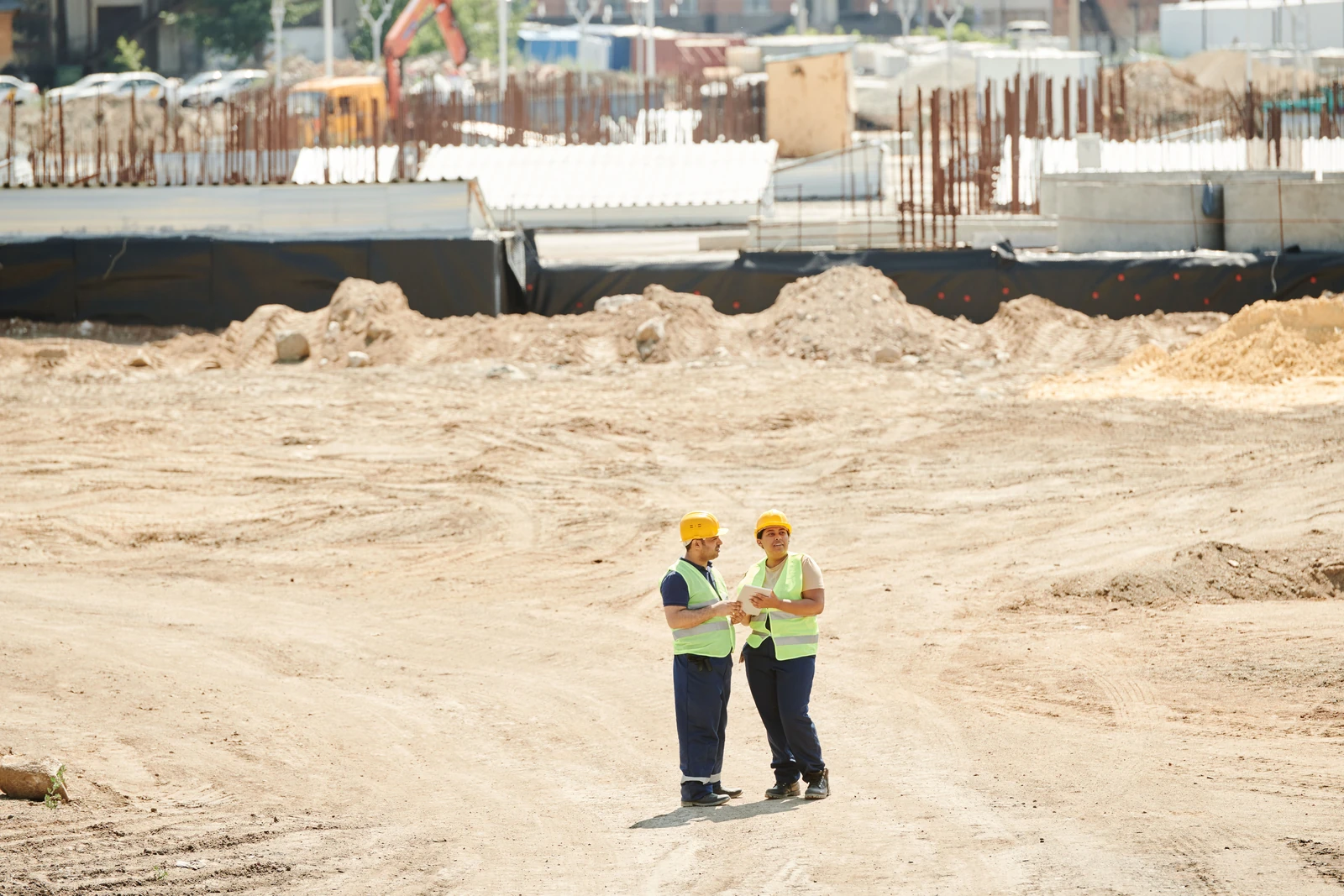
Even the best-designed apartment struggles if it sits an hour’s drive from the project. Location relative to site is a design decision in its own right. A short, predictable commute gives people more time to sleep and less time in traffic, and it can make walking, cycling or sharing a single vehicle realistic.
It is also worth considering what surrounds the property. Access to a supermarket, a pharmacy and somewhere to eat out occasionally all contribute to a sustainable routine over a long stay.
Briefing your accommodation like a project
The simplest way to get accommodation right is to treat it like a brief. When making a request to a provider, set out the dates, the number of people, the bedroom and bathroom arrangement, workspace needs, parking and the site postcode. Be clear about which features are essential and which would be nice to have.
Good design does not stop at the site boundary
Architects and designers know that the spaces people inhabit shape how they feel and how they perform. That principle applies just as much to the temporary homes of the teams delivering a project as it does to the finished building. Get the layout, kitchen, workspace, storage, rest and location right, and a long stay away becomes something people can sustain, and even enjoy, rather than simply endure.


From Architectural Design to Everyday Use: Why Post-Construction Inspection Matters
A building can look finished long before it works as intended. This...
illustrarch Editoral Team6 Mins read
Material Management Tips for Concrete Contractors
Eight practical concrete material management habits for contractors, from ordering ready-mix against...
illustrarch Editoral Team4 Mins read

Preventing Corrosion-Driven Accidents
Learn how to prevent corrosion-driven accidents in buildings and infrastructure, from early...
illustrarch Editoral Team2 Mins read
How One Delay Can Disrupt An Entire Jobsite
Discover how a single delay can impact your construction jobsite, causing cascading...
illustrarch Editoral Team2 Mins read


Leave a comment