

How to Design and Maintain a Safe Outdoor Pool Space
Designing a safe outdoor pool space involves strategic location, effective barriers, non-slip surfaces, and proper lighting to ensure health and safety for all users.
 Begum Gumusel20 February 20262 Mins read144

Table of Contents Show
An inviting pool area creates a space for relaxation and fun. However, keeping it safe for everyone who uses it—at any time—is essential. Establishing trust and comfort comes from thoughtful design, regular maintenance, and clear safety rules. Below is a practical guide to creating and maintaining a safe outdoor pool area that prioritizes health and safety while still offering an enjoyable atmosphere.
Planning for Security and Comfort
One of the first considerations is choosing the best location for Tampa Bay pools on the Gulf. A sunny, open space helps keep the water clean and clear. Avoid placing the pool near trees, as falling debris can contaminate the water and create slippery surfaces. The pool area should also be visible from the house so adults can easily supervise children. Pathways leading to the pool should be level, well-marked, and free of trip hazards.
Establishing Boundaries and Barriers
Fencing is one of the most basic and effective pool safety measures. Install a fence around the pool that is at least four feet high, with a self-latching and self-closing gate. This prevents unauthorized access, especially by curious children or pets. Choose weather-resistant materials such as metal or treated wood, and ensure the latch is positioned out of a child’s reach. Remove objects like furniture or potted plants that could be used to climb over the fence.

Choosing Non-Slip Surfaces
Slip-resistant surfaces are essential around the pool. Materials such as textured concrete, treated wood, or pavers provide better traction. Avoid smooth tiles, as they become slippery when wet. Clean surfaces regularly to prevent algae or moss buildup, and place outdoor mats at entry points to help dry wet feet. Maintaining proper surface grip reduces slip-and-fall risks and helps prevent injuries.
Safe Water Features and Accessories
Every pool feature should be designed with safety in mind. Install sturdy steps, handrails, and ladders to allow easy entry and exit. When the pool is not in use, use a weight-supporting pool cover to prevent accidental falls. Store pool toys away from the pool’s edge to avoid tempting children to lean over the water. Additionally, use approved drain covers to reduce entrapment hazards. Safe accessories play a critical role in protecting everyone around the pool.
Effective Lighting for Evening Use
Proper lighting improves visibility and makes the pool area safer for evening use. Install lights along walkways, pool edges, and steps. Solar or LED lighting options are energy-efficient, long-lasting, and environmentally friendly. Underwater pool lights enhance swimmer visibility while allowing supervisors to clearly monitor activity after dark. Regularly inspect lighting fixtures and replace faulty bulbs to maintain both safety and visual appeal.

Ongoing Maintenance and Cleanliness
Routine maintenance ensures the pool and surrounding area remain safe and sanitary. Test water regularly and maintain proper chemical balance. Clean skimmers, filters, and pumps to remove leaves and debris, and inspect equipment such as drains, ladders, and rails for signs of wear or damage. Clear the surrounding area of fallen branches, clutter, and other hazards daily. Clean water and a tidy environment help prevent accidents and health issues.
Conclusion
Creating a safe outdoor pool space does not require drastic lifestyle changes or complex solutions. Thoughtful design, physical barriers, safe materials, and routine maintenance work together to protect everyone who uses the pool. Staying prepared, maintaining equipment, and prioritizing safety measures provide peace of mind for family and guests, allowing everyone to relax, play, and enjoy the space responsibly.



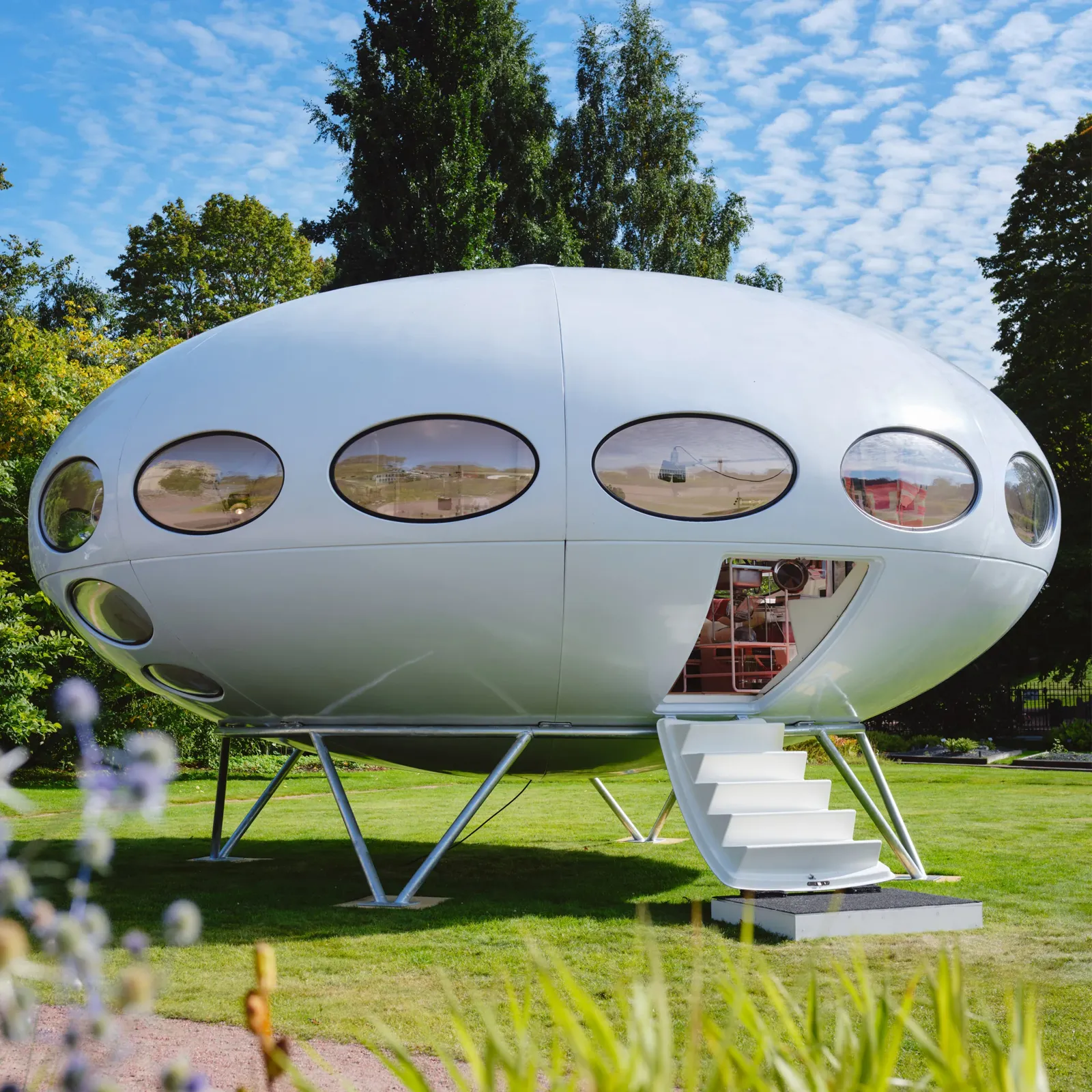
Futuro House Production Revived in Finland After Decades-Long Hiatus
A Facebook listing for abandoned moulds led to the first new Futuro...
 illustrarch Editoral Team3 Mins read
Building Your Dream Home in NSW: What You Should Know About Montgomery Homes
Montgomery Homes has been building across Sydney, Newcastle, the Hunter, Wollongong and...
illustrarch Editoral Team4 Mins read
Designing a Home Theater: Where Drapery Fits Into the Plan
In a media room the curtains are a performance layer, not decoration....
illustrarch Editoral Team3 Mins read

Oscar Niemeyer’s Cathedral of Brasília: The Hyperboloid Concrete Hymn
The Cathedral of Brasília reads as a single gesture, yet it stood...
 Furkan Sen7 Mins read


Leave a comment