

These Creative Ideas Will Turn Your Yard into a Functional Living Space
Transforming your yard into a functional living space involves zoning, selecting durable materials, and incorporating elements for cooking, relaxing, and entertaining.
 Begum Gumusel11 January 20245 Mins read511
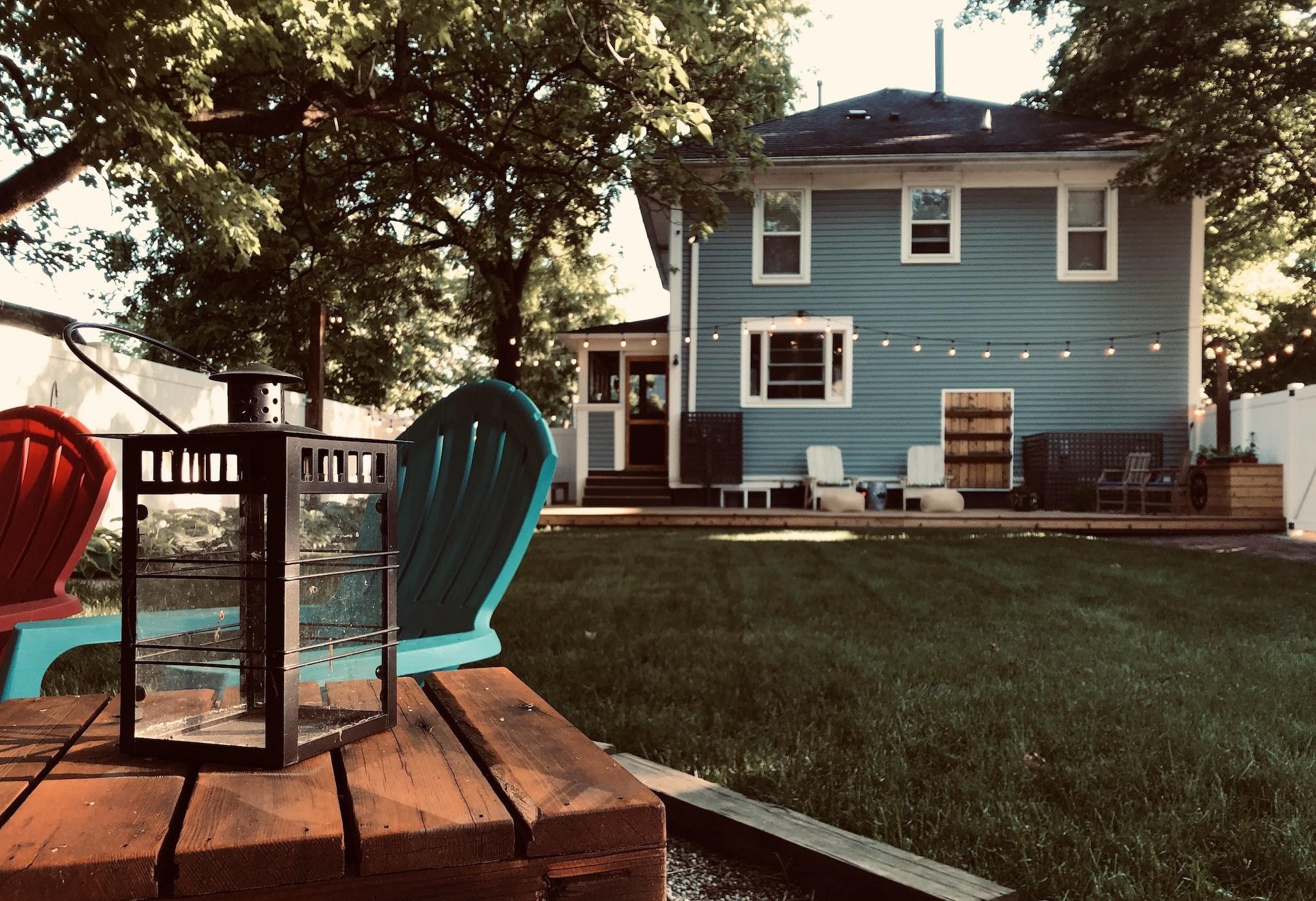
Table of Contents Show
Turning your yard into a functional living space means treating the outdoors as another set of rooms, each with a clear purpose. With smart zoning, weather-ready materials, and a few green elements, a plain lawn becomes a place to cook, relax, play, and entertain. The ideas below show how to plan that transformation step by step.
Your backyard does more than sit pretty behind the house. With some creativity and a clear plan, it becomes a true extension of your home, ready for relaxation, entertaining, and everyday routines. The trick is to think in zones and to choose finishes that hold up outdoors. Below are practical ways to shape your yard into a functional and inviting living area that earns its keep all year.
How Do You Plan a Functional Yard Layout?
Start by mapping how you already move through the space. Note where the sun lands in the morning and late afternoon, where wind cuts across the lot, and which corners stay private. Those observations decide where the dining zone, the quiet seating, and the play area belong. A dining table wants shade by midday, while a fire pit reads better in a sheltered, cooler pocket.
Once you know the conditions, sketch loose boundaries for each function. Paths, low planters, a change in paving, or a shift from gravel to grass can separate one zone from the next without walls. The Royal Horticultural Society’s garden design guidance is a good reference for grouping plants and structures so the layout feels deliberate rather than scattered.
🎓 Expert Insight
“The most usable yards are the ones designed around a daily rhythm, not a single party. If a space only works for one event a year, it sits empty the other 360 days.” Licensed landscape architect with 15+ years of residential practice
That observation is a useful filter for every idea here. Before you commit to a feature, picture using it on an ordinary Tuesday, not just on a holiday weekend.
Outdoor Living Room
An outdoor living room blends the comfort of your interior with the open air. Build it around durable, weather-resistant furniture such as deep-seat sofas, lounge chairs, and a low coffee table. A pergola or a retractable awning gives shade and frames the zone, so the seating feels held rather than dropped onto an open lawn.
Layer in lighting that you control by mood. String lights, lanterns, and a few low path fixtures let you stay out well past sunset. Soft touches like outdoor rugs, cushions, and a folded throw make the area feel lived in. Specialist resources can explain how an outdoor living space can be customized with natural materials, and how color and texture set the tone. A consistent palette across cushions, planters, and paving keeps the room from looking busy.
💡 Pro Tip
When buying outdoor seating, check the cushion fill and fabric rating before the frame finish. Quick-dry foam and solution-dyed acrylic fabric survive sun and surprise rain far better than standard upholstery, which sags and fades within a single season if it stays outside.
Edible Landscaping and Kitchen Gardens
Edible landscaping puts food production into the design itself. Place herbs, vegetables, and fruit-bearing trees where they get sun and stay within easy reach of the kitchen door. The result looks good and feeds you, which is the kind of double duty that makes a functional living space pay off. Raised beds and container gardening help when ground space or soil quality is limited.
An outdoor kitchen or a simple grill station pairs naturally with edible beds, giving you a cooking spot a few steps from the harvest. If you collect rainwater for irrigation, the same logic that drives off-grid water systems applies at a smaller scale here. For planning a starter herb plot, this guide to a kitchen herb garden covers spacing and care, and the American Society of Landscape Architects explains how trained designers approach residential landscape planning when food and ornamental plants share a bed.
Multiple Activity Zones
One yard can hold several uses at once when you give each its own corner. Set up a quiet reading nook with a hammock or a shaded bench. Reserve a flat, grassy patch for stretching, yoga, or a small workout. Families with young children often add a dedicated play zone, and durable playground equipment built for heavy use keeps that area safe and long-lasting.
Give the play area soft, fall-rated flooring and place it within sight of the seating zone so adults can keep an eye on things while they relax. By assigning clear purposes, you serve everyone in the household without the yard feeling cramped or chaotic. Movable elements, such as a rolling planter or a lightweight bench, let you adjust the boundaries as needs change through the seasons.

Vertical Gardening and Green Walls
When floor space runs short, build upward. Vertical gardening turns fences, blank walls, and narrow side returns into productive, leafy surfaces. Mix trailing plants, compact edibles, and flowering climbers for a wall that changes through the year. Wall-mounted planters, trellises, and modular panel systems all work, so match the system to how much weight and watering your wall can handle.
Green walls do more than look good. A dense planted surface helps screen views for privacy, softens noise from the street, and shades the wall behind it. That cooling effect is real at the building scale too. The US Environmental Protection Agency notes that vegetated roof and wall surfaces stay markedly cooler than bare ones, which trims heat buildup around the home in summer.
📌 Did You Know?
According to the US EPA, planted roof surfaces can run 30 to 40 degrees Fahrenheit cooler than conventional ones on a hot day. The same principle applies to a living wall, which is why a green facade can make a patio noticeably more comfortable in peak summer heat.
Outdoor Cinema Experience
An outdoor cinema gives the yard a clear evening purpose. Pair a quality projector with a fixed or roll-down screen and comfortable, low seating for a relaxed movie night under the sky. A set of weatherproof outdoor speakers fills in the audio that a small projector cannot. Position the screen away from streetlights and neighbors’ windows so the picture stays crisp.
Fairy lights or lanterns around the edges add atmosphere without washing out the screen. The setup suits family nights, gatherings with friends, or a quiet evening for two. For custom touches that match your style, a landscaping marketing agency can suggest concepts tailored to the space. For broader styling ideas, browse the project galleries at Garden Design to see how lighting and seating come together in real yards.
Where to Go From Here
These ideas push past plain landscaping and turn a yard into a practical, multifunctional living space that fits how you actually live. Whether you want a calm retreat, a place to host, or a closer link to the plants you grow, the same plan-by-zone approach gets you there. Small upgrades to the yard can also lift the property itself, much like clearing old stumps and dead wood often does.
Your Next Step: Walk the yard at two different times of day this week, note where the sun and shade fall, and mark one zone you can build first. Starting with a single well-placed area beats trying to redo the whole lot at once.







Creating a Beautiful Landscape That Adds Long-Term Value to Your Home
Transform your outdoor space with a beautiful landscape that enhances curb appeal...
 illustrarch Editoral Team3 Mins read

How Proper Aeration Improves Pond Health for Modern Home Landscapes
Proper aeration in ponds enhances water quality by increasing dissolved oxygen levels,...
 Bahattin Duran4 Mins read

The Green Oasis: How Architecture and Garden Design Create Living Urban Spaces
The green oasis concept represents a transformative approach to urban development, where...
 Elif Ayse Sen5 Mins read

HEALING GARDENS – Designing Spaces for Wellness and Reflection
This competition challenges architects and landscape designers to envision gardens as therapeutic...
Bahattin Duran4 Mins read


Leave a comment