

Office for Future’s Dvir Turns a Former School in Stavyshche Into 42 Homes for Displaced Ukrainian Families
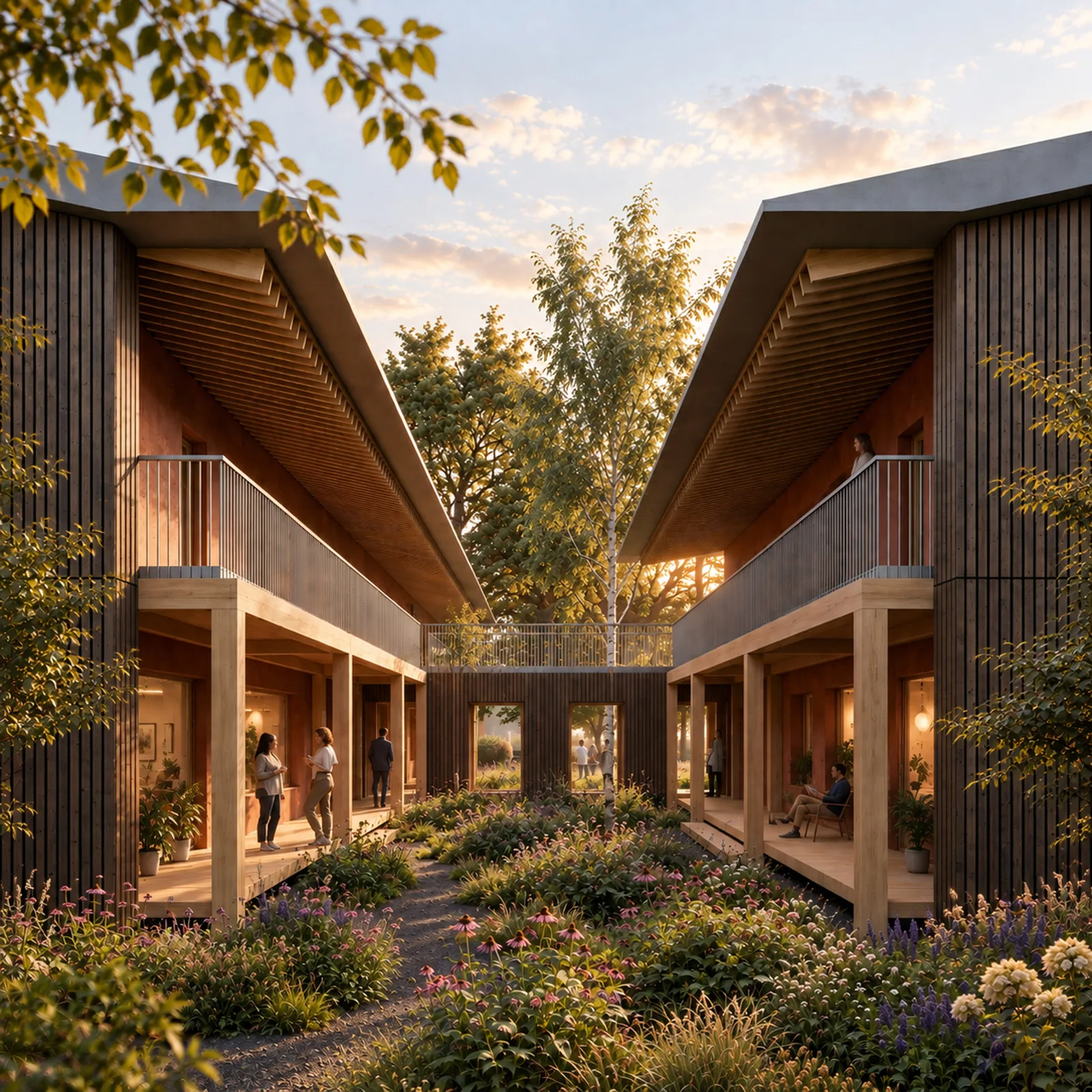
The 1,900 square metre school keeps its place in town life with shared rooms open to locals, a timber walkway and roof with solar panels, and a schoolyard stripped of asphalt.
 illustrarch Editorial Team15 November 20261 Mins read1
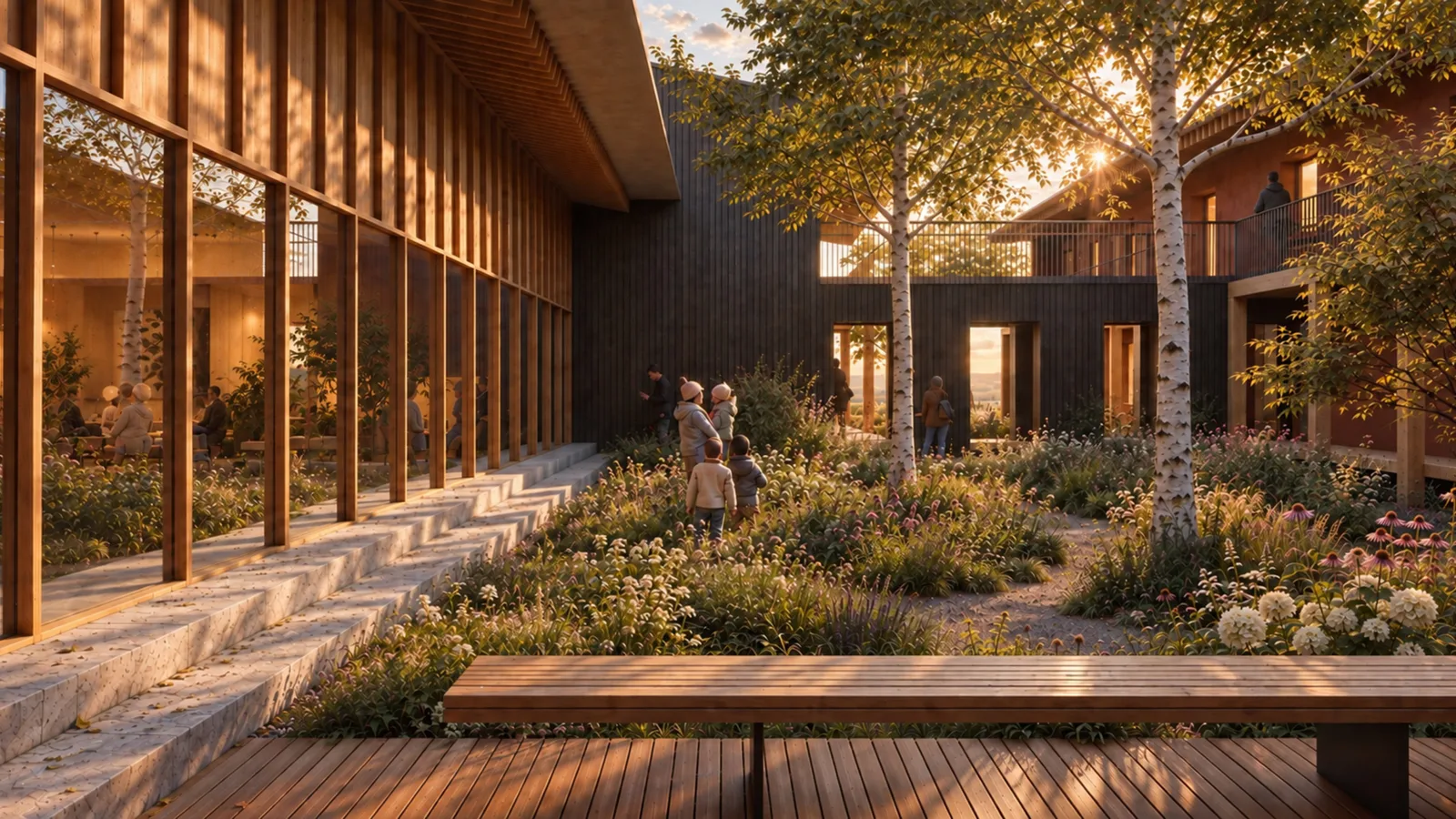
Florence and Lausanne studio Office for Future has unveiled Dvir, a plan to convert a former school in Stavyshche, a rural town about 140 kilometres south of Kyiv, into temporary homes for 42 families forced from their houses by the war that Russia’s invasion began in 2022. The full title of the project is Dvir, The Shared Courtyard.
 2026 Architecture MasterPrize Winners: Snøhetta Takes Design of the Year
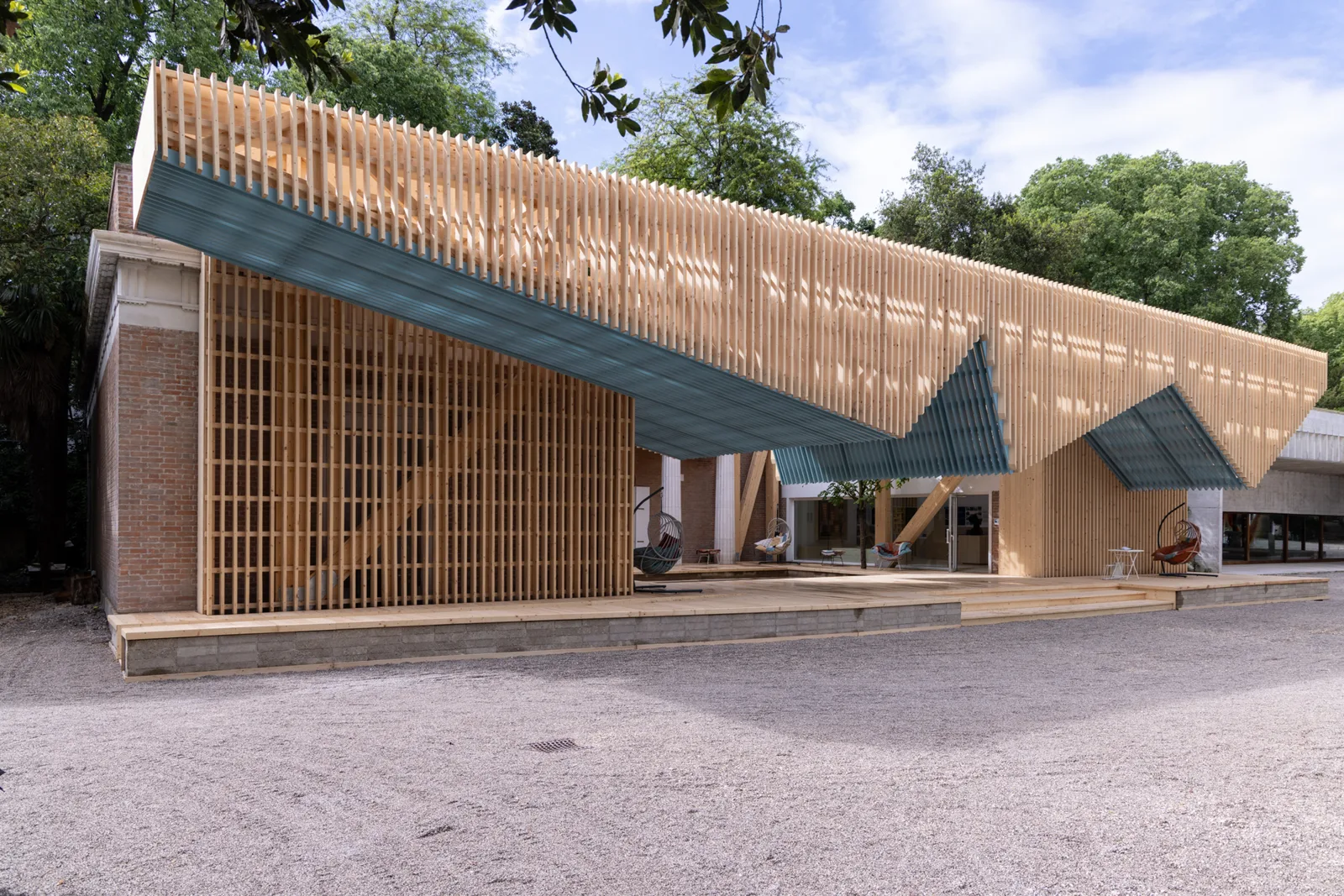
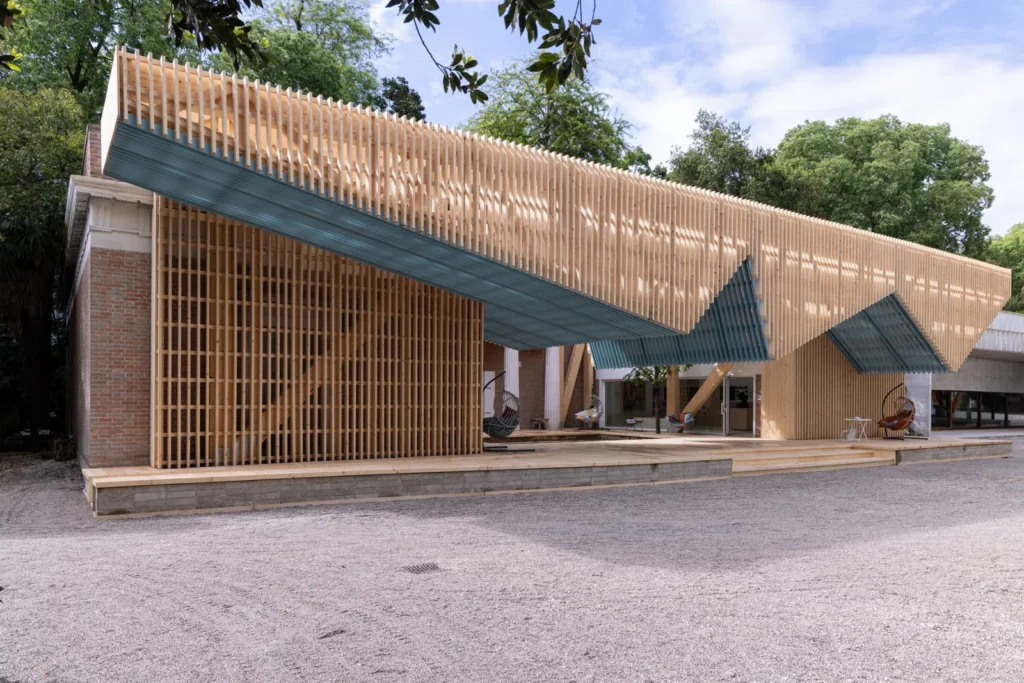 Marlon Blackwell Architects’ Porch From the 2025 US Pavilion in Venice Will Be Rebuilt at Crystal Bridges
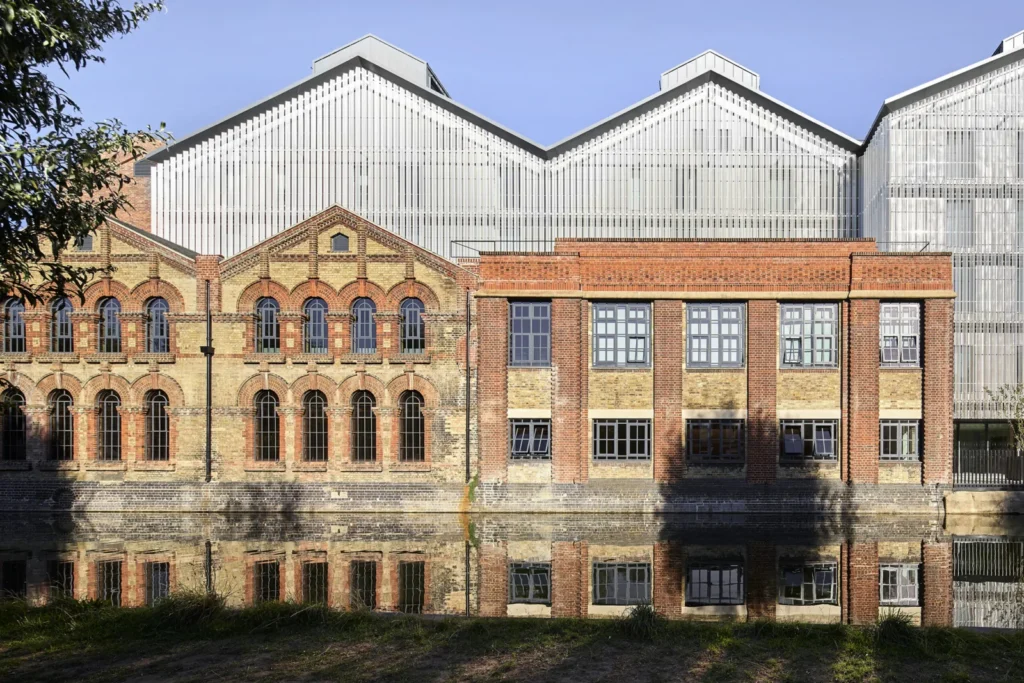 John McAslan + Partners Turns Oxford’s 1892 Osney Power Station Into a Global Leadership Centre
 Bronze Seal Ring From the Sunken Palace of Antirhodos Shows the Lighthouse of Alexandria
The client is the Charity Foundation Housing for IDP, and Dvir is the third project the foundation has promoted in Ukraine. Instead of building from scratch, the architects keep the roughly 1,900 square metre school, a landmark that generations of local pupils passed through, and fit a new residential programme into it.
Inside Dvir
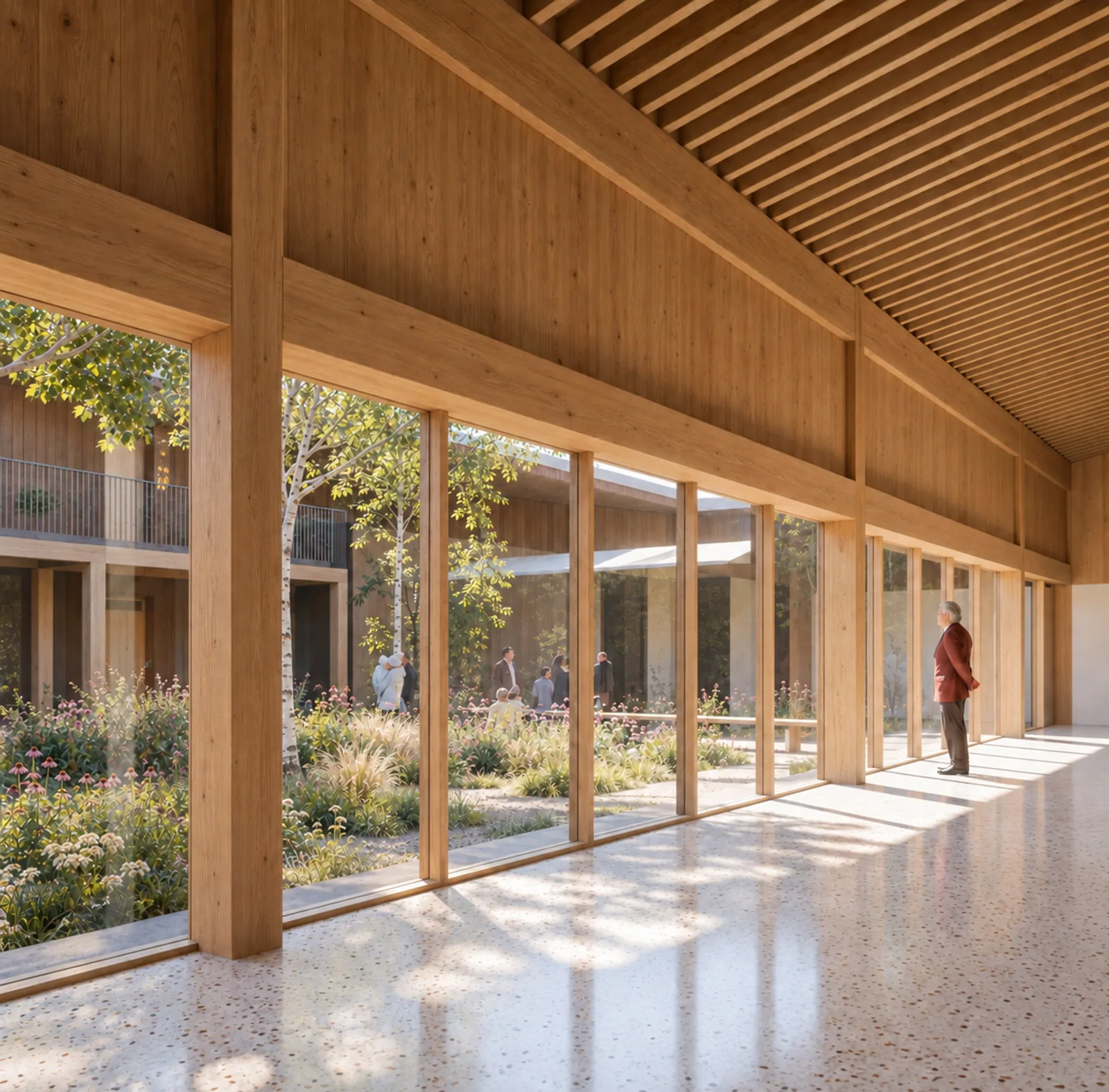
The 42 apartments come in four types, ranging from studios to three bedroom flats, along with fully accessible units for people with disabilities. Targeted demolition opens up the existing plan, and a freestanding timber walkway leads to the front doors. Around 200 square metres of shared indoor space, children’s play areas and meeting rooms sit next to the private homes, and some of these rooms are meant to host cultural events that bring in people from the town.
Above the old building goes a new timber roof carrying some 800 square metres of photovoltaic panels, while the envelope is upgraded as part of an energy retrofit.
Unsealing the schoolyard
The asphalt yard at the centre of the building is the main landscape move. About 850 square metres of paving will be lifted so that the ground can absorb rain and support planting, while a few strips of the original surface remain as paths through the new garden.
Founder Paolo Russo said the starting point was asking “how this place could best welcome people who have experienced the trauma of losing their homes.” The answer, he explained, was to work with “a former school that is part of their memory” and to let a new community grow that can fit into the wider life of Stavyshche. In his words, the project shows how “architecture becomes a tool for social reconstruction.”

Marlon Blackwell Architects’ Porch From the 2025 US Pavilion in Venice Will Be Rebuilt at Crystal Bridges
Dismantled after the Biennale and stored in Arkansas, the timber canopy designed...
illustrarch Editorial Team2 Mins read
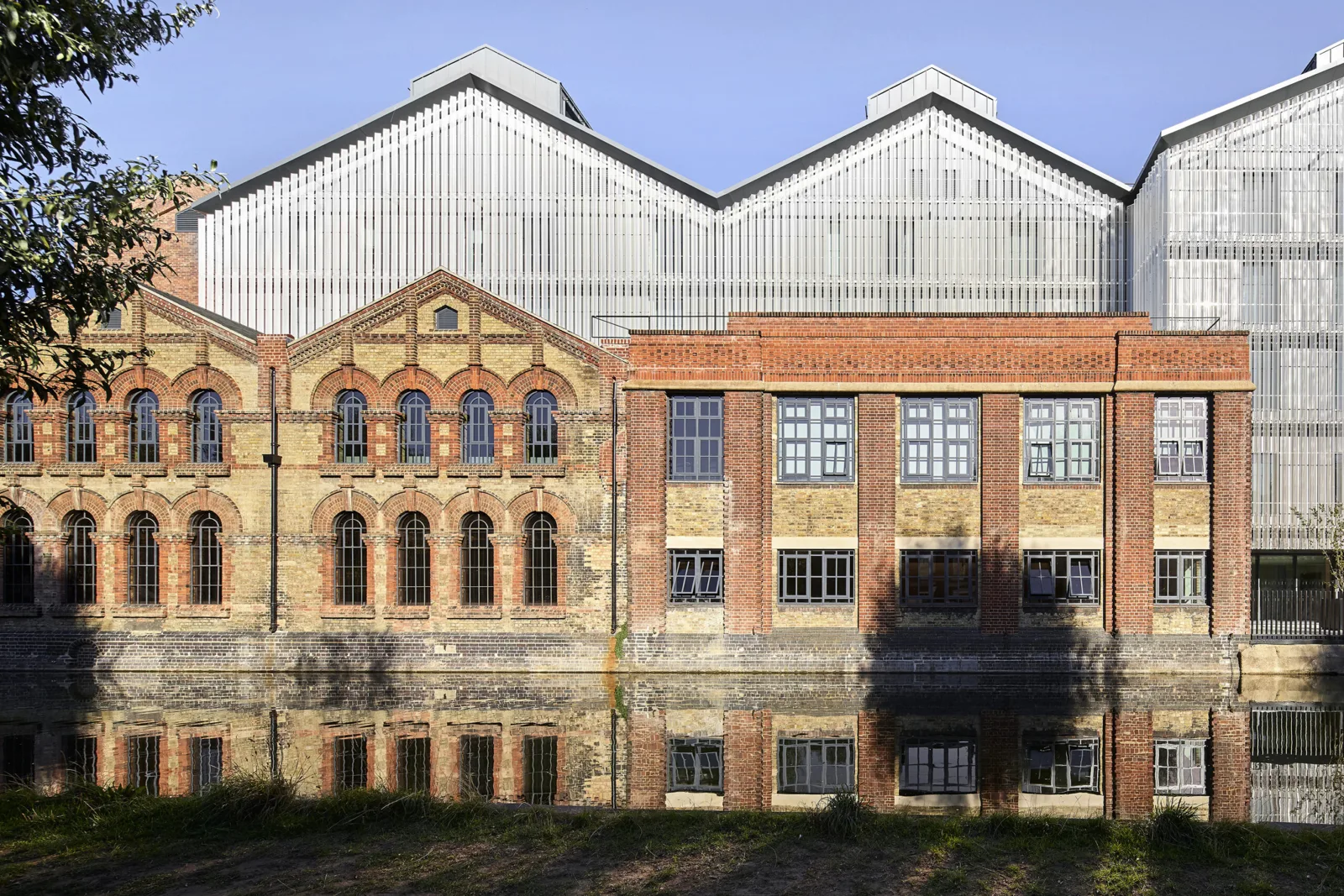
John McAslan + Partners Turns Oxford’s 1892 Osney Power Station Into a Global Leadership Centre
Oxford's first power plant, in use from 1892 to 1968, now houses...
illustrarch Editorial Team2 Mins read

Bronze Seal Ring From the Sunken Palace of Antirhodos Shows the Lighthouse of Alexandria
Divers working with Franck Goddio's IEASM found the ring on Antirhodos in...
illustrarch Editorial Team2 Mins read
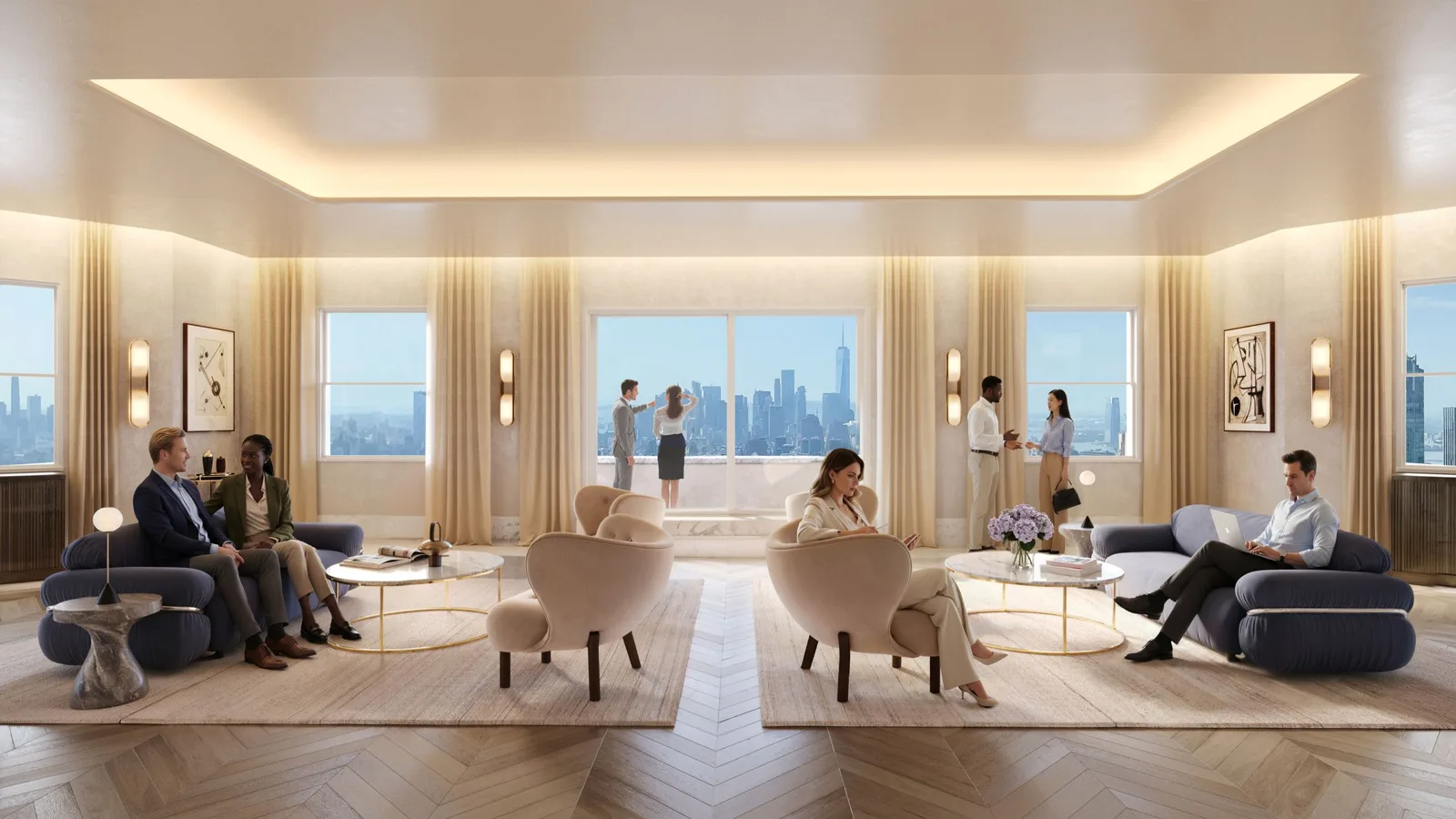
Tishman Speyer Signs 150 Year Ground Lease on the Chrysler Building and Plans a $235 Million Restoration
Cooper Union keeps the land under William Van Alen's tower, while Tishman...
illustrarch Editorial Team2 Mins read




Leave a comment