

Designing Adaptive Homes for People Living With Cerebral Palsy
Explore how adaptive home design transforms living spaces for individuals with cerebral palsy, enhancing independence and overall well-being.
 illustrarch Editoral Team28 July 20262 Mins read259

Table of Contents Show
Accessibility is not just about grab rails, ramps, and wider doorways. It’s also about designing environments that allow everyone to live with confidence, dignity, and independence. For people living with cerebral palsy, adaptive design can be the difference between dependence and independence, exclusion and inclusion.
The built-in environment usually determines how freely and safely a person living with cerebral palsy moves around, interacts with others, and carries out daily activities. It’s not just about moving around safely and freely; adaptive design has a direct impact on physical health and emotional well-being for people with cerebral palsy.
Understanding Cerebral Palsy
This is a neurological disorder that affects movement, muscle control, and coordination. It results from damage to the developing brain that occurs before, during, or shortly after birth.
There are different types of cerebral palsy, and the symptoms can vary significantly, ranging from uncontrollable movements to muscle stiffness. However, nearly all individuals with cerebral palsy experience similar daily challenges, including limited fine motor skills, difficulty walking, and problems with swallowing or speech.

From a lack of supportive features to narrow doorways, navigating traditional homes for people with cerebral palsy can be a minefield of obstacles. Apart from limiting physical movement, these challenges also affect their self-esteem and dignity.
Advantages of Adaptive Home Design for Individuals With Cerebral Palsy
Adaptive home design refers to customizing living spaces to better suit the needs of people with disabilities, including those with cerebral palsy. These changes can improve daily life in nearly every area. Here are the key benefits:
Improved Independence and Accessibility
Adaptive features make a real difference. Wider doorways allow smooth wheelchair access. Lower countertops make things easier to reach. Grab bars, placed in the right spots, add extra stability.
Together, these changes help people move through their space with ease and handle daily tasks with more freedom. The result is more than convenience; it builds real independence and a lasting sense of self-reliance.
Reducing the Risk of Secondary Health Issues
Accessible and thoughtfully designed spaces can reduce the risk of falls, joint strain, and fatigue. Features such as safe transfer areas, stable flooring, and supportive fixtures help protect physical health while minimizing the chances of preventable injuries.
Improved Well-Being and Quality of Life
A home designed around a person’s exact needs can have a real impact on overall well-being. Instead of creating obstacles, it becomes a source of support. This lowers stress, builds a sense of security, and gives confidence room to grow.
Crucial Elements of Adaptive Design
Wheelchair Accessibility
The home should be designed in such a way that allows these individuals to move around freely and safely in their wheelchairs. This may include installing gently sloped ramps for easier access, widening hallways to improve wheelchair mobility, and expanding doorways to allow smooth passage.

Integrating Assistive Technology
Smart technology can go a long way toward boosting independence. Voice-activated smart home systems, for example, make it easy to control different parts of the household with just a few words.
Ergonomic Considerations and Safety Features
Every corner of an adaptive home should prioritize ergonomic function and safety. This means non-slip flooring to avoid accidents, layouts that allow for easy movement, and tools or equipment adapted to fit individual needs.
Endnote
For the millions of people living with cerebral palsy, a well-designed home can make a meaningful difference in everyday life. Adaptive home design is more than a convenience. It creates a safer, more accessible living environment that promotes greater independence, comfort, and overall well-being.








Interior Design for Commercial Spaces: Enhancing Functionality and Brand Identity
Commercial interior design has to serve brand, function and regulation at once....
 Begum Gumusel4 Mins read
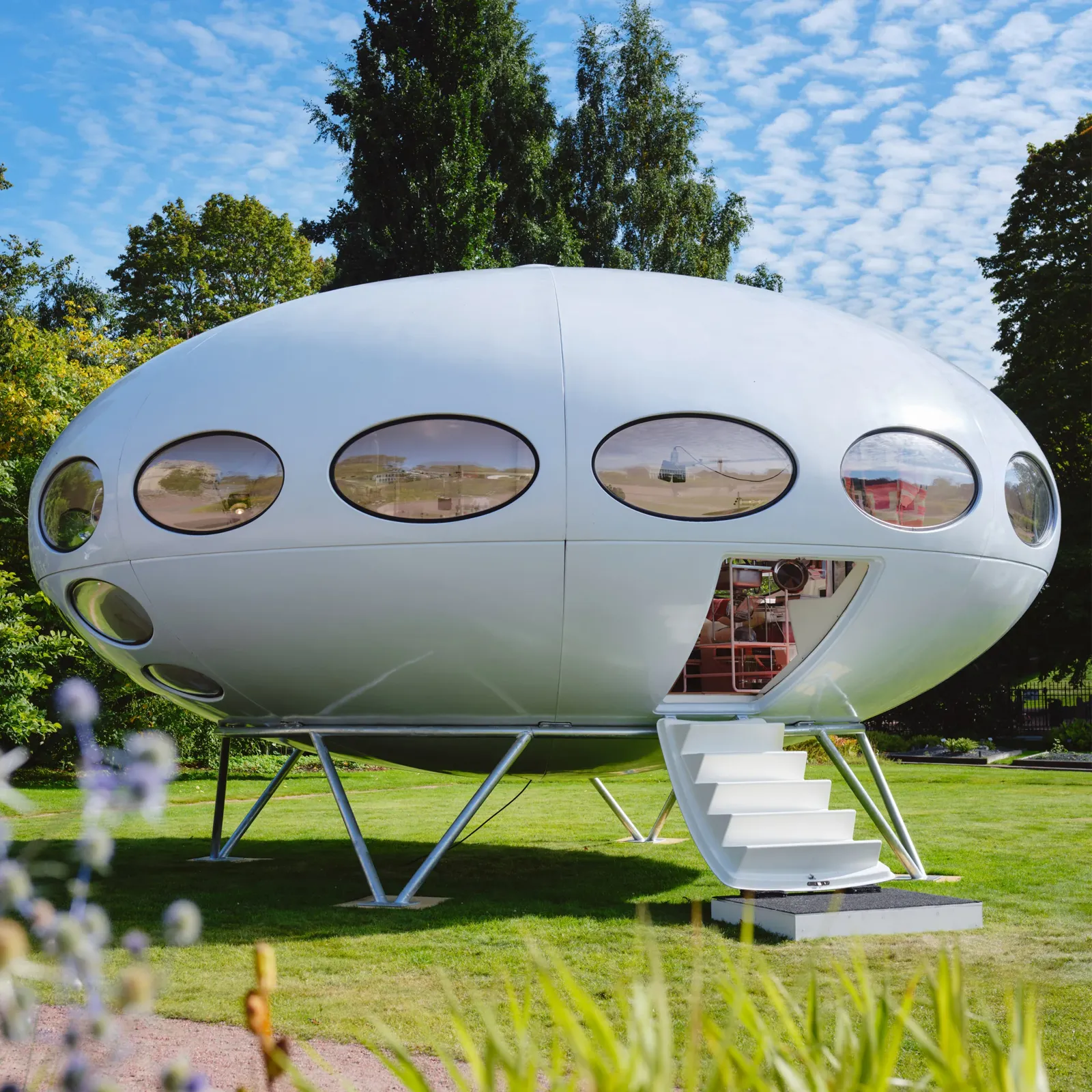
Futuro House Production Revived in Finland After Decades-Long Hiatus
A Facebook listing for abandoned moulds led to the first new Futuro...
illustrarch Editoral Team3 Mins read

Building Your Dream Home in NSW: What You Should Know About Montgomery Homes
Montgomery Homes has been building across Sydney, Newcastle, the Hunter, Wollongong and...
illustrarch Editoral Team4 Mins read

Designing a Home Theater: Where Drapery Fits Into the Plan
In a media room the curtains are a performance layer, not decoration....
illustrarch Editoral Team3 Mins read


Leave a comment