

Step-by-Step Smart Home Setup Checklist
A step-by-step checklist for setting up a smart home includes establishing goals, choosing an ecosystem, preparing infrastructure, and starting with essential devices.
 Furkan Sen18 December 20253 Mins read200
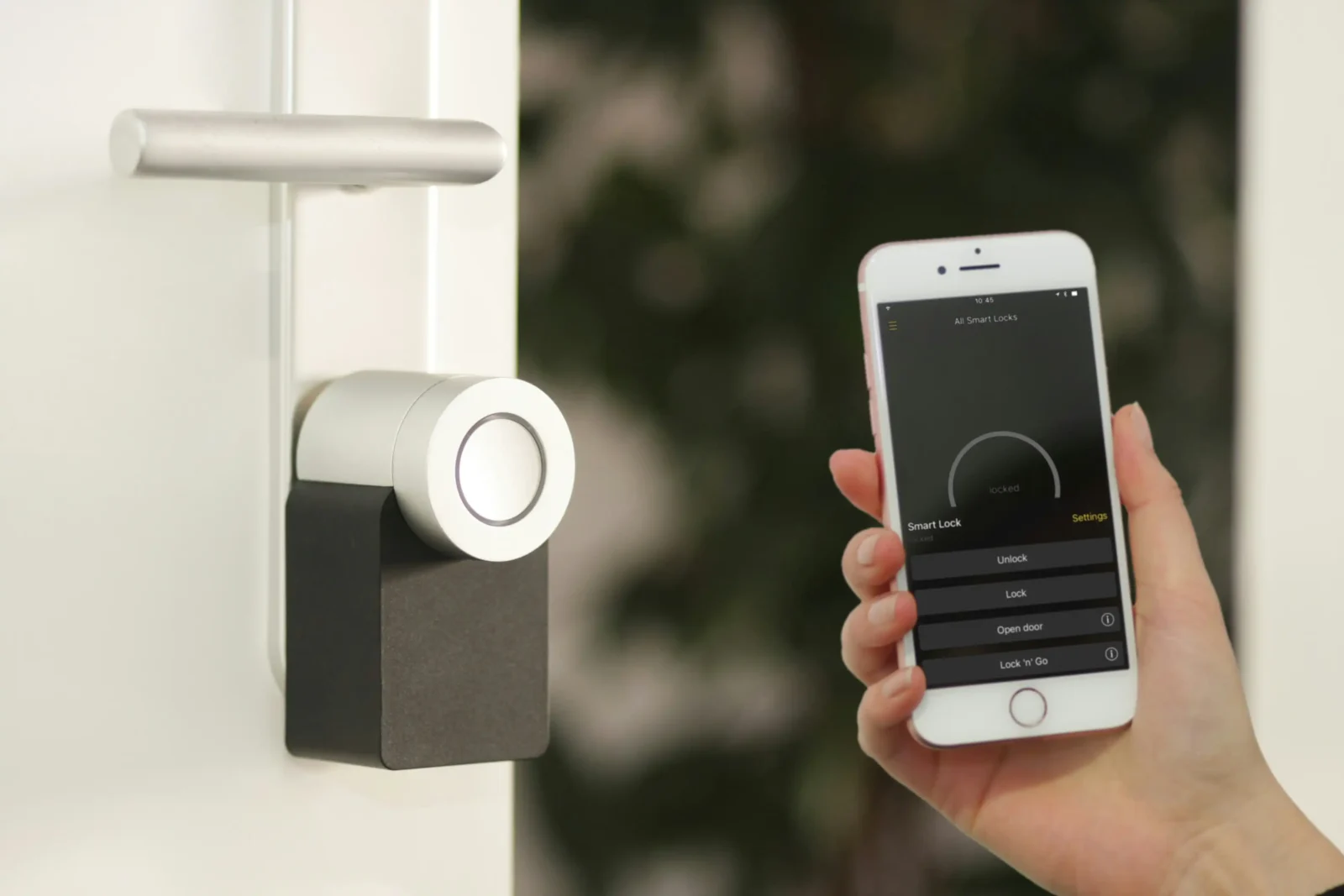
Table of Contents Show
The process of developing a smart home system is an exciting one that combines technology, comfort, and efficiency. Nevertheless, the process might get confounded and expensive in case there is no planning. A sequential guide will make your smart house work dependably, but at the same time, easy to upgrade in the future. To know more, click on This checklist will guide you through the process of establishing a smart home, starting with planning and continuing to maintenance in the long run. This article provides a general overview of by step-by-step guide on smart home setup.
Checklist for Step-by-Step Smart Home Setup
Establish Your Home Intelligence Goals
The initial stage of creating a smart home would be knowing the reasons why you would like to have one. Other homeowners are more concerned with convenience, whereas others are more concerned with security, energy efficiency, or improvement of lifestyle. The purpose should be very clear so that your smart home can help you in your daily life rather than making it more complicated.
Choose the appropriate Smart Home Ecosystem
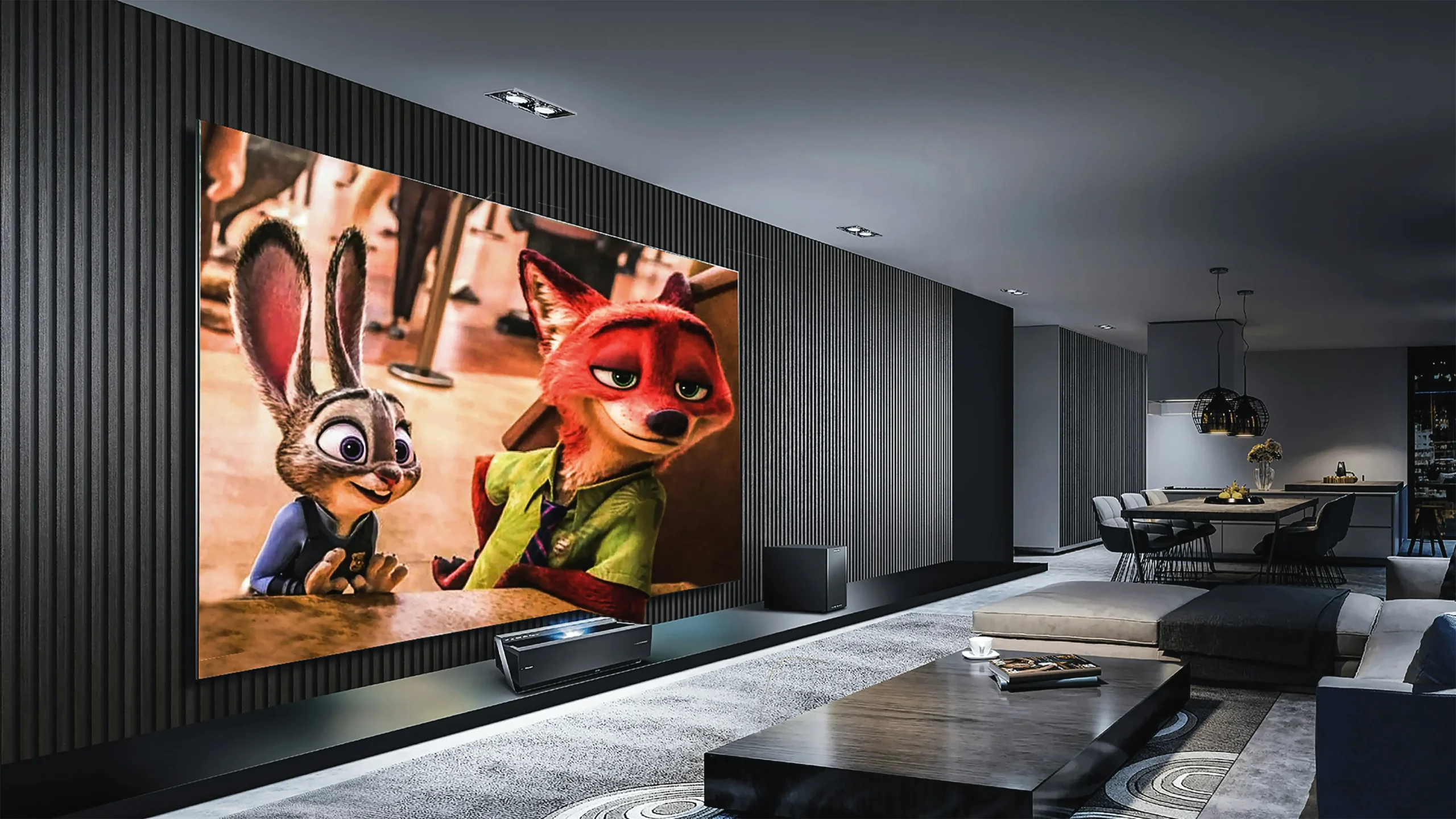
Selecting a smart home ecosystem is a very important base. The devices have central control points like Google Home, Apple HomeKit, and Amazon Alexa. Every ecosystem is compatible, has a different degree of privacy, and user experience. Early choice of a key platform will help avoid difficulties of integration and will enable your devices to cooperate effectively with each other using a single interface.
Get the Infrastructure of Your Home Ready
The infrastructure of the smart home can be as reliable as it is. Good Internet connectivity and ga ood Wi-Fi signal will be needed to facilitate the smooth communication of devices. Multi-room homes or brick-and-mortar homes might need a Wi-Fi system to eliminate dead zones. In a new home or renovation, smart wiring is more reliable and flexible in the long run, particularly switches and sensors.
Begin With Essential Smart Devices
A good base for your system is the core smart devices. The most usually practical initial installations are a central hub, lighting controls, switches, sensors, and sensors. These gadgets are fast to provide and assist in learning the functionality of your smart home. Such gadgets provide instant value and assist you in the knowledge of how your smart home works. Starting with the basics, you will be able to grow step-by-step without stretching your system and budget.
Develop Smart Scenes and Automations
Automations make single smart devices into a system. Through the use of scenes and routines, your home will react automatically to time, movement, or the environment. The simplest automations can be used to perform tasks every da,y like lighting changes or a climate controller, whereas more complex routines can be used to improve security and the use of energy. It is always best to begin with simple automations to get the performance fine-tuned before moving on to complex levels.
Voice and Mobile Control
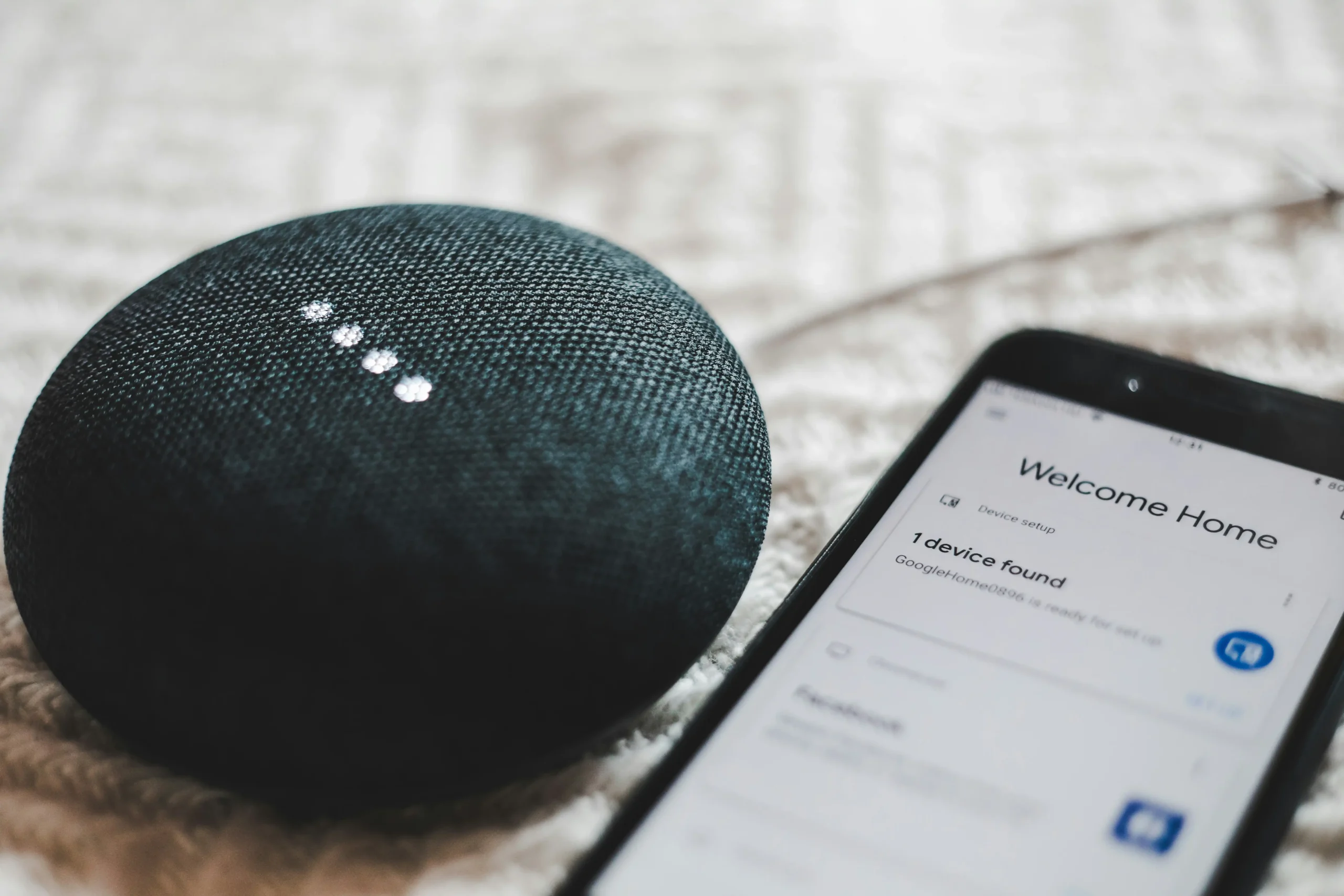
Your smart home has an easy method to communicate with voice assistants and mobile applications. After connecting the devices to your preferred platform, the voice commands are to be tested to make sure that the responses are correct. Naming should be clear and consistent to enhance recognition, and the layout of the apps well-structured in order to have manual control that would be quick. These interfaces allow your smart home to be available to all the members of your household.
Protect Your Smart Home System
Security is not something that should come afterwards. Smart homes deal with sensitive information and manage critical functions, and thus, protection is a priority. It is better to use very strong passwords, have two-factor authentication, and update their firmware to minimize vulnerability. A secure network will guarantee your privacy as well as the reliability of your smart home system.
Conclusion
A smart home is not a complex system to have in place, provided an approach is made systematically. With this step-by-step checklist, the homeowner would be able to develop a system that is reliable, scalable, and customized to their lifestyle. Careful scheduling, installation, and continual optimization of your smart home will keep it a worthwhile and pleasant addition to your everyday life.








Interior Design for Commercial Spaces: Enhancing Functionality and Brand Identity
Commercial interior design has to serve brand, function and regulation at once....
 Begum Gumusel4 Mins read

Futuro House Production Revived in Finland After Decades-Long Hiatus
A Facebook listing for abandoned moulds led to the first new Futuro...
 illustrarch Editoral Team3 Mins read

Building Your Dream Home in NSW: What You Should Know About Montgomery Homes
Montgomery Homes has been building across Sydney, Newcastle, the Hunter, Wollongong and...
illustrarch Editoral Team4 Mins read

Designing a Home Theater: Where Drapery Fits Into the Plan
In a media room the curtains are a performance layer, not decoration....
illustrarch Editoral Team3 Mins read


Leave a comment