

Shaping the Future: The Revolutionary Impact of Waterjet Cutting in Architecture
Waterjet cutting is a precise fabrication method used in architecture to create custom facades and components from various materials without heat distortion.
 Muhammad Abdullatef - Tifa Studio8 March 20245 Mins read432

Table of Contents Show
Waterjet cutting in architecture is a fabrication method that uses a high-pressure stream of water, often mixed with an abrasive, to cut stone, metal, glass, and composites with precise detail and no heat distortion. Architects use it to produce custom facades, ornamental panels, and structural components that older cutting methods struggle to deliver.
The push for precision, material efficiency, and design freedom has moved waterjet cutting from heavy industry into mainstream architectural fabrication. Because the process cuts cold, it preserves the properties of sensitive materials while opening room for detailed patterns that designers once treated as impractical. This guide looks at how the technology works, where it fits in real projects, and how it compares with laser and plasma alternatives.
What Is Waterjet Cutting in Architecture?
Waterjet cutting drives water through a small nozzle at pressures that can exceed 60,000 psi, producing a stream fast enough to erode almost any material. For harder surfaces, fine garnet abrasive is added to the water, which lets the jet slice through marble, thick steel, or laminated glass. The result is a clean edge that needs little secondary finishing.
The architectural appeal comes down to control. A single machine can move from a soft gasket material to a granite slab without changing the core setup, which suits the mixed material palettes common in contemporary buildings. For a wider view of how studios apply this in practice, see our look at why architects turn to waterjet technology for creative design freedom.
Types of Waterjet Cutting Machines
Machines are grouped by the materials and tolerances they handle:
- Pure waterjet cutters: Use water alone, suited to soft materials such as rubber, foam, gaskets, and some plastics.
- Abrasive waterjet cutters: Add garnet to the stream for stone, metal, glass, and composites.
- Micro waterjet cutters: Built for small parts and tight tolerances with minimal kerf width.
- Multi-axis (3D) cutters: Tilt the head to cut bevels, chamfers, and angled joints for three-dimensional assemblies.
Manufacturers such as Techni Waterjet build systems across these categories, and the choice usually follows the material thickness and edge quality a project demands.
How Does Waterjet Cutting Work?
Waterjet cutting works by pressurizing water with a pump, forcing it through a jeweled orifice to form a thin high-speed stream, then adding abrasive in a mixing chamber for harder materials. A CNC controller guides the head along a digital cut path, and the jet removes material through rapid erosion rather than heat.

A working cut runs through four stages:
- Material preparation: positioning and securing the sheet or slab on the cutting bed.
- Machine setup: matching pressure, abrasive flow, and feed rate to the material.
- The cut: the head follows the CAD path while a catch tank below absorbs the spent stream.
- Post-processing: rinsing, drying, and light edge finishing before installation.
📐 Technical Note
Kerf width on an abrasive waterjet typically falls between 0.5 mm and 1.5 mm depending on nozzle size, so nest your parts and account for that loss when laying out a slab. The jet also produces a slight taper on thick material, which multi-axis heads correct by tilting a few degrees against the cut direction.
Advantages of Waterjet Cutting in Architecture
Several practical gains explain why fabrication shops keep a waterjet on the floor:
- Precision and detail: tight tolerances make fine inlays and detailed patterns repeatable.
- Material preservation: a narrow stream and no heat-affected zone reduce waste and warping.
- Material range: one process covers stone, metal, glass, and composites.
- Design freedom: complex profiles and interlocking parts become feasible at production scale.
💡 Pro Tip
When you send a file to a waterjet shop, supply vector geometry as a DXF rather than a flattened image. Clean closed paths cut faster and avoid the rough edges that come from tracing a low-resolution raster, which saves both abrasive and machine time on large panel runs.
Materials Suited to Waterjet Cutting

The same machine handles a broad material set, which is rare among cutting methods:
- Stone and marble: flooring, cladding, and decorative inlay with crisp edges.
- Metals: steel, aluminum, and brass for structural plates and screens.
- Glass: partitions, panels, and facade elements that need careful handling.
- Composites: layered and engineered boards that resist heat-based cutting.
Stone and Marble Cutting
Because the jet applies no thermal load, it cuts detailed shapes in marble and granite without micro-cracking the edge. That opens room for patterned stone floors and mixed-stone medallions that would chip under a saw blade.
Metal Cutting with Waterjet Technology
Metal screens and balustrade panels keep their full strength after a waterjet cut, since the process avoids the hardened, heat-affected edge left by thermal methods. Architects use this for perforated facades where each opening must stay sharp and consistent.
Glass Cutting Applications
Cutting glass demands a careful pressure ramp, but the payoff is detailed glasswork for partitions and feature walls. Tuning the pierce settings keeps the start point from chipping, which matters on visible edges.
Applications in Architectural Design

Waterjet cutting shows up across both decorative and structural work:
- Facades: perforated and patterned panels that control light and views.
- Ornamental elements: detailed inlays, signage, and feature pieces.
- Custom furniture and fittings: one-off tables, screens, and reception desks.
- Structural components: gusset plates and brackets cut to exact profiles.
The technology sits alongside other digital fabrication tools that are changing how studios build, including 3D printing in architecture. Combining cut and printed parts lets teams move from concept to physical assembly with fewer manual steps.
Waterjet vs Laser and Plasma Cutting
Each cutting method has a place, and the right pick depends on material, thickness, and edge finish. The table below summarizes the main trade-offs for architectural work.
| Factor | Waterjet | Laser | Plasma |
|---|---|---|---|
| Heat effect | None, cold cut | Heat-affected edge | High heat |
| Material range | Stone, metal, glass, composites | Mostly metal, acrylic, wood | Conductive metals only |
| Thick material | Strong, up to 150 mm plus | Limited on thick stock | Good on thick metal |
| Edge finish | Clean, low burr | Very fine on thin metal | Rougher, needs cleanup |
| Best architectural use | Mixed materials, stone, glass | Thin metal screens | Heavy structural steel |
For a deeper read on the heat-based alternative, the laser cutting overview covers how vaporization differs from erosion. The reference page on the water jet cutter gives more background on pressures and abrasive flow, and the industry guide from IQS Directory details process variations.
⚠️ Common Mistake to Avoid
Treating waterjet and laser as interchangeable leads to wasted budget. Laser is faster and cheaper on thin sheet metal, but it cannot cut stone or thick glass and leaves a heat-affected edge. Match the method to the material first, then compare cost, rather than defaulting to one machine for every panel.
Waterjet Cutting and Sustainable Architecture

The narrow stream and tight nesting reduce offcuts, and the abrasive garnet can often be recycled, which supports the waste-reduction goals of sustainable architecture. Because the cut adds no heat or toxic fumes, it fits cleaner fabrication workflows. The broader principles behind this are covered well in the reference on sustainable architecture, and you can find project-level ideas in our roundup of sustainability ideas in architectural design.
Challenges and Where the Technology Is Heading

The main hurdles are operating cost and equipment footprint, since high-pressure pumps and large beds carry a real capital and maintenance load. Garnet supply and water handling also add to running costs. Faster pumps, smarter nesting software, and shared fabrication services are steadily lowering the barrier, which is bringing detailed cutting within reach of smaller studios.
Looking forward, tighter links between parametric design tools and machine control mean a model can move to a finished part with less manual translation. As that pipeline gets shorter, the gap between a drawn idea and a cut component keeps closing.
Technical specifications such as pressures, kerf width, and material thickness should be confirmed with your fabricator and a licensed professional for your specific project.
Looking Ahead
Waterjet cutting earns its place in architecture less through novelty and more through reliability across materials that resist other methods. For studios working on patterned facades, stone detail, or mixed-material assemblies, the real question is no longer whether the cut is possible, but how early in the design phase the fabrication logic should shape the drawing.



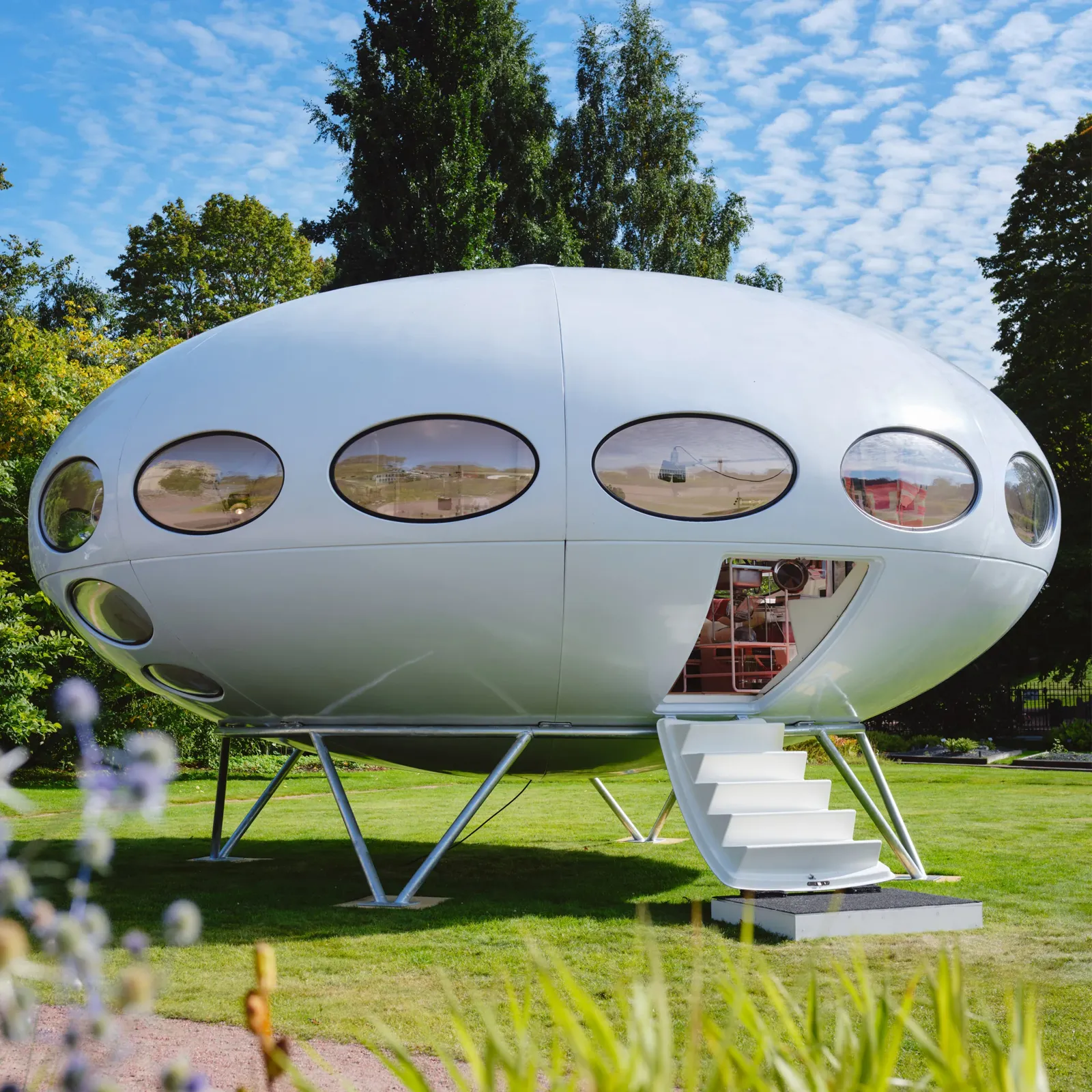
Futuro House Production Revived in Finland After Decades-Long Hiatus
A Facebook listing for abandoned moulds led to the first new Futuro...
 illustrarch Editoral Team3 Mins read
Building Your Dream Home in NSW: What You Should Know About Montgomery Homes
Montgomery Homes has been building across Sydney, Newcastle, the Hunter, Wollongong and...
illustrarch Editoral Team4 Mins read
Designing a Home Theater: Where Drapery Fits Into the Plan
In a media room the curtains are a performance layer, not decoration....
illustrarch Editoral Team3 Mins read
Foster + Partners to Test Robot Swarms Building Timber from the Top Down
Foster + Partners wins €4m EU grant to build robot and drone...
illustrarch Editoral Team2 Mins read


Leave a comment