

Why Architects Turn to Waterjet Technology for Creative Design Freedom
Waterjet technology offers architects precise cutting capabilities across various materials, enabling the realization of intricate designs while streamlining the construction.
 Bahattin Duran19 August 20253 Mins read226

Table of Contents Show
Design projects are becoming more ambitious, and professionals want solutions that keep up with changing demands. Many readers look for clear insights into tools that support both creativity and accuracy without making the process complex. This article shares how one advanced cutting method is giving architects the freedom to shape bold ideas with confidence.
Waterjet cutting technology is gaining attention because it delivers precision while working across many different materials. It allows companies to maintain detail and variety. At the same time, it reduces delays and wasted effort, which makes it practical for real projects.
Here, you will learn how this approach helps move designs smoothly from concept to completion while meeting the highest standards.
Expanding Material Possibilities
When architects work on new projects, they want to explore different textures and finishes. Standard tools limit those choices to basic options. With water cutting, materials such as glass, stone, composites, and metals can be shaped without damage. This flexibility helps designers bring variation into their projects without any hassle.

The ability to cut through almost anything also reduces the need to switch between multiple methods. Instead of using different machines for each task, a solution can handle most requirements. It saves time and creates a smoother workflow from planning to completion. Architects are given the freedom to combine unique elements, knowing that they can all be treated accurately and cleanly in one system.
Bridging Concept and Construction
Architects often face challenges when turning digital designs into real components. Small errors, distortions, or long production delays can slow down even the most ambitious project. This is why many manufacturers of waterjet cutting systems are developing advanced solutions that ensure design accuracy. These systems use high-precision control models and intuitive software so that every line and curve from the original plan is captured correctly in the final cut.
To support complex ideas, providers now include motion control and predictive tools that handle taper, jet lag, and variations in materials. This means architects can achieve clean results with fewer corrections and faster timelines. This link between the creative phase and real-world application is what truly bridges concept and construction.
Accuracy for complex forms
Creative projects usually require intricate shapes or fine details that are not easy to achieve with traditional tools. Waterjet technology makes this possible by following the exact precision design patterns.
Unlike methods that depend on heat, this technology does not affect the quality of the material. The edges remain smooth, and the strength of the material remains intact. This advantage helps to work on delicate surfaces or when the final piece needs to fit firmly with others. By removing the risk of distortion, architects can offer more detailed work and depend on results consistent for small and large elements.
Supporting Sustainable Practices
Sustainability is becoming an essential part of every construction project. Clients and professionals want processes that minimize waste and avoid harm to the environment. Waterjet systems address this by cutting materials with accuracy that reduces leftover scrap. This helps projects meet eco-friendly goals while keeping costs under control.

Another key factor is that the process does not create heat, fumes, or dust that could harm the workplace or weaken materials. This means fewer risks during production and stronger results afterward. For architects who want their projects to reflect responsible practices, these benefits make a big difference. It proves that high standards of design can be achieved without sacrificing care for the environment or long-term durability.
Boosting Creative Flexibility
The freedom to design without technical boundaries is important for modern architects. Waterjet systems provide flexibility by allowing you to experiment with shapes, layers, and textures that would be too complicated to achieve using other tools. This encourages designers to think beyond standard options and bring more originality into their projects.
With reliable cutting methods, teams no longer need to worry about whether their vision can be achieved in practice. Whether it is an artistic panel, a unique façade, or an experimental installation, the process supports creative thinking without adding unnecessary risk. By removing barriers and giving more control, this technology allows architects to focus on innovation and originality in every project.
Conclusion
This technology gives architects a way to achieve accuracy, flexibility, and sustainability in one process. It works across many materials, creates complex shapes, and helps turn digital designs into real components without delay. Supporting both creative and technical needs, it raises the overall quality of projects. For architects who want bold and practical results, it continues to be a trusted tool in modern design and construction.




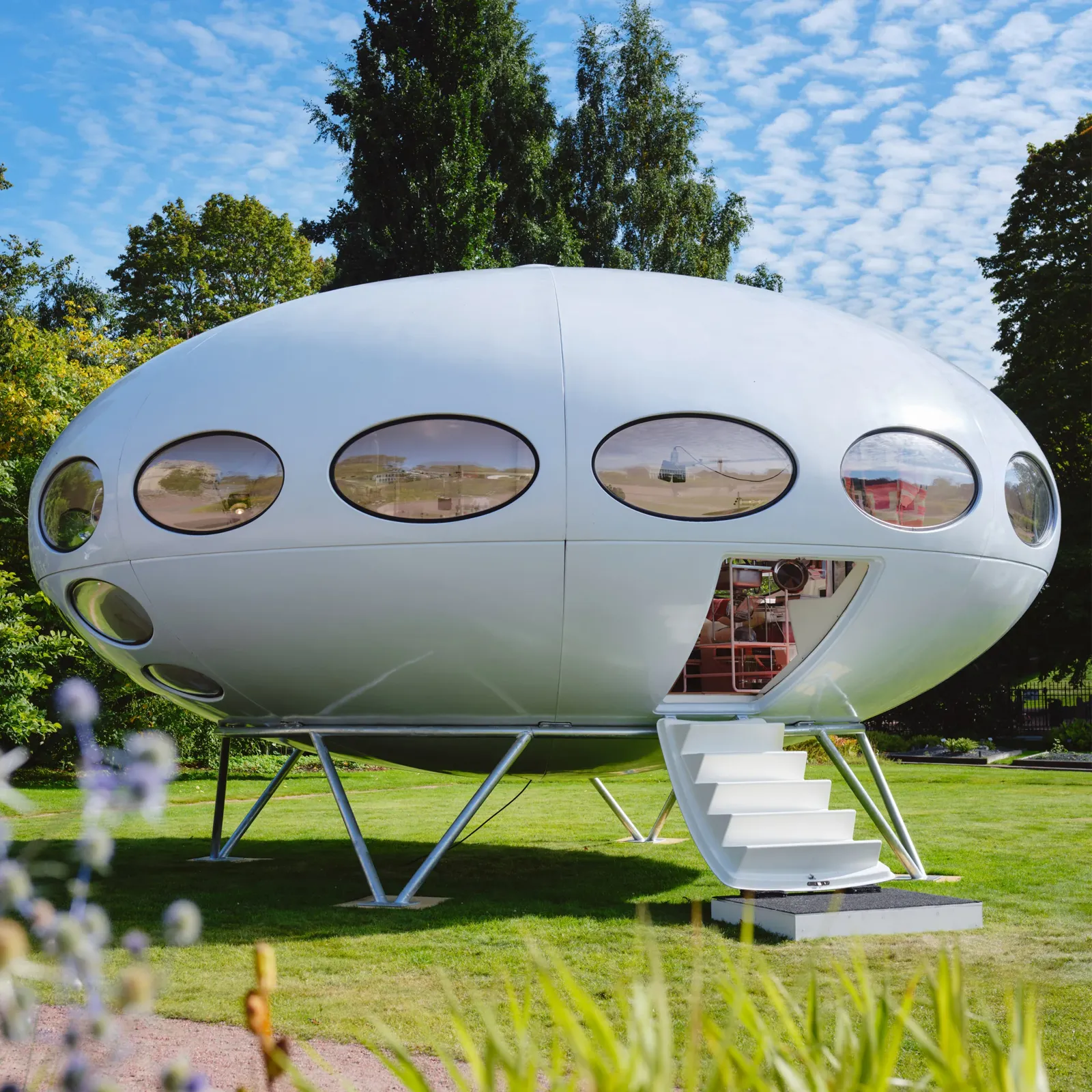
Futuro House Production Revived in Finland After Decades-Long Hiatus
A Facebook listing for abandoned moulds led to the first new Futuro...
 illustrarch Editoral Team3 Mins read
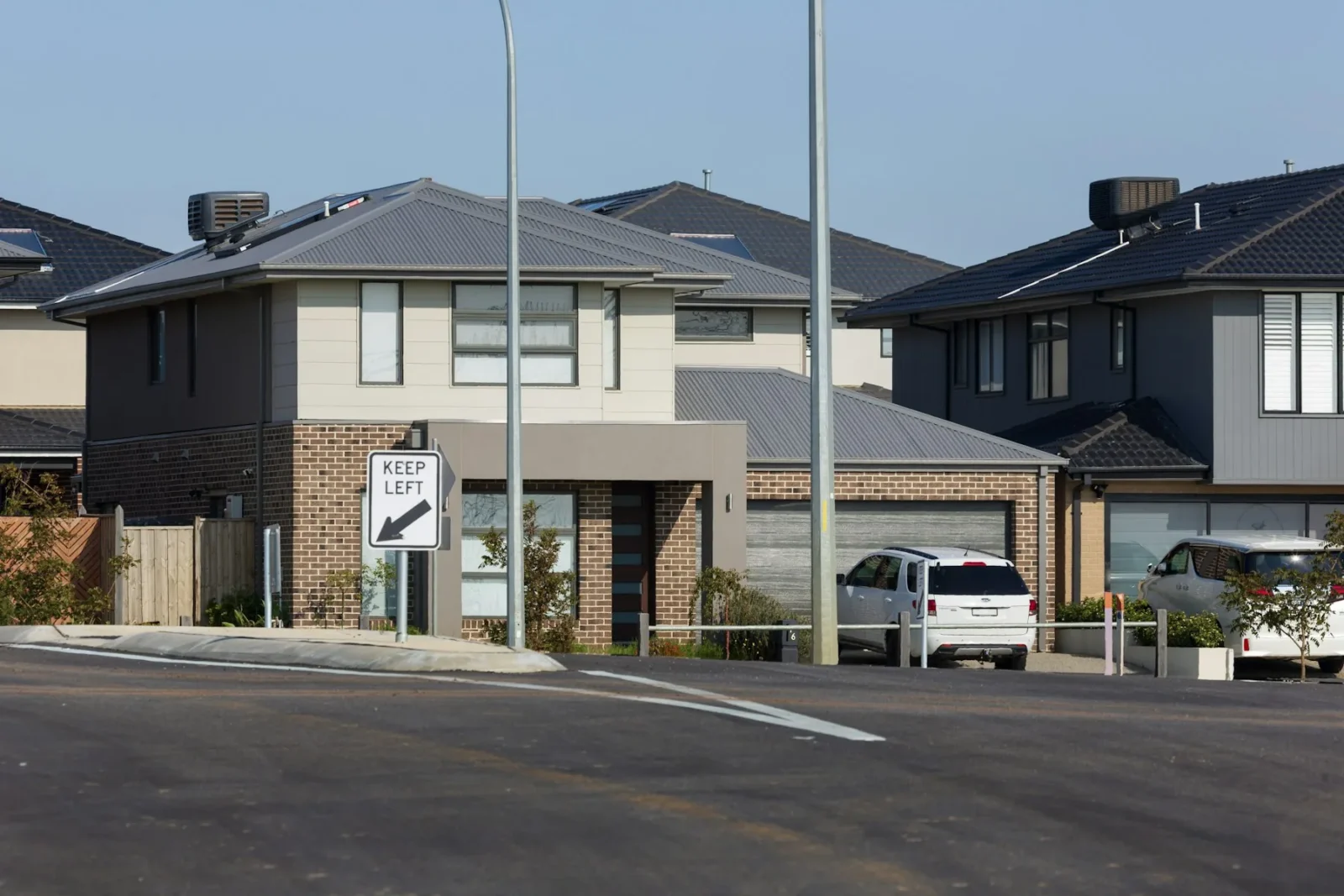
Building Your Dream Home in NSW: What You Should Know About Montgomery Homes
Montgomery Homes has been building across Sydney, Newcastle, the Hunter, Wollongong and...
illustrarch Editoral Team4 Mins read

Designing a Home Theater: Where Drapery Fits Into the Plan
In a media room the curtains are a performance layer, not decoration....
illustrarch Editoral Team3 Mins read
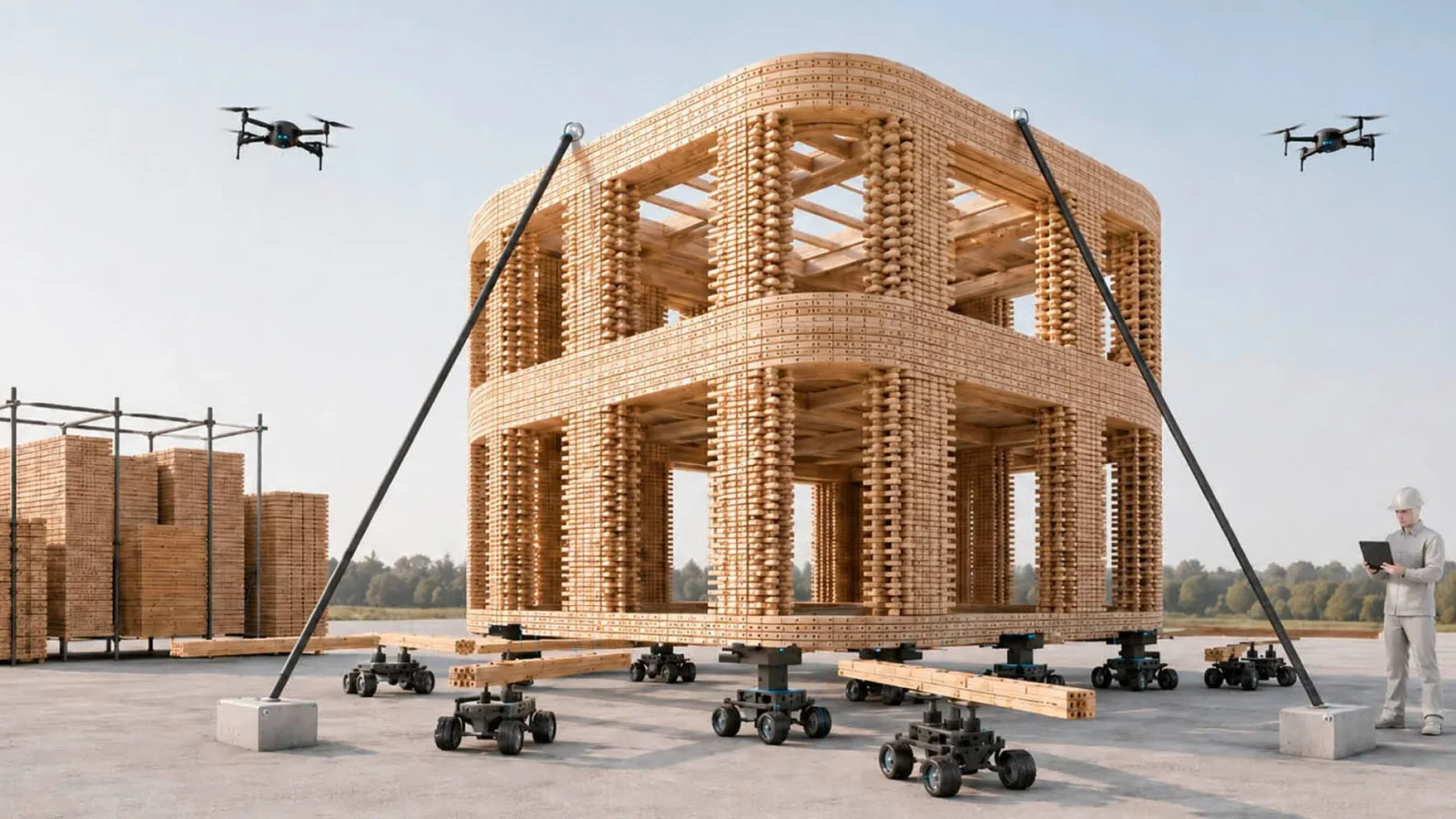
Foster + Partners to Test Robot Swarms Building Timber from the Top Down
Foster + Partners wins €4m EU grant to build robot and drone...
illustrarch Editoral Team2 Mins read


Leave a comment