

Top Architecture Magazines Every Architect Should Read Today
Architecture magazines remain vital platforms for critical thought, cultural reflection, and professional discourse. Beyond documenting projects, they interpret architecture within social, political, and environmental contexts, shaping how the discipline is understood today. This article explores the most influential architecture magazines currently defining contemporary architectural culture.
 Sinan Ozen11 January 20265 Mins read332
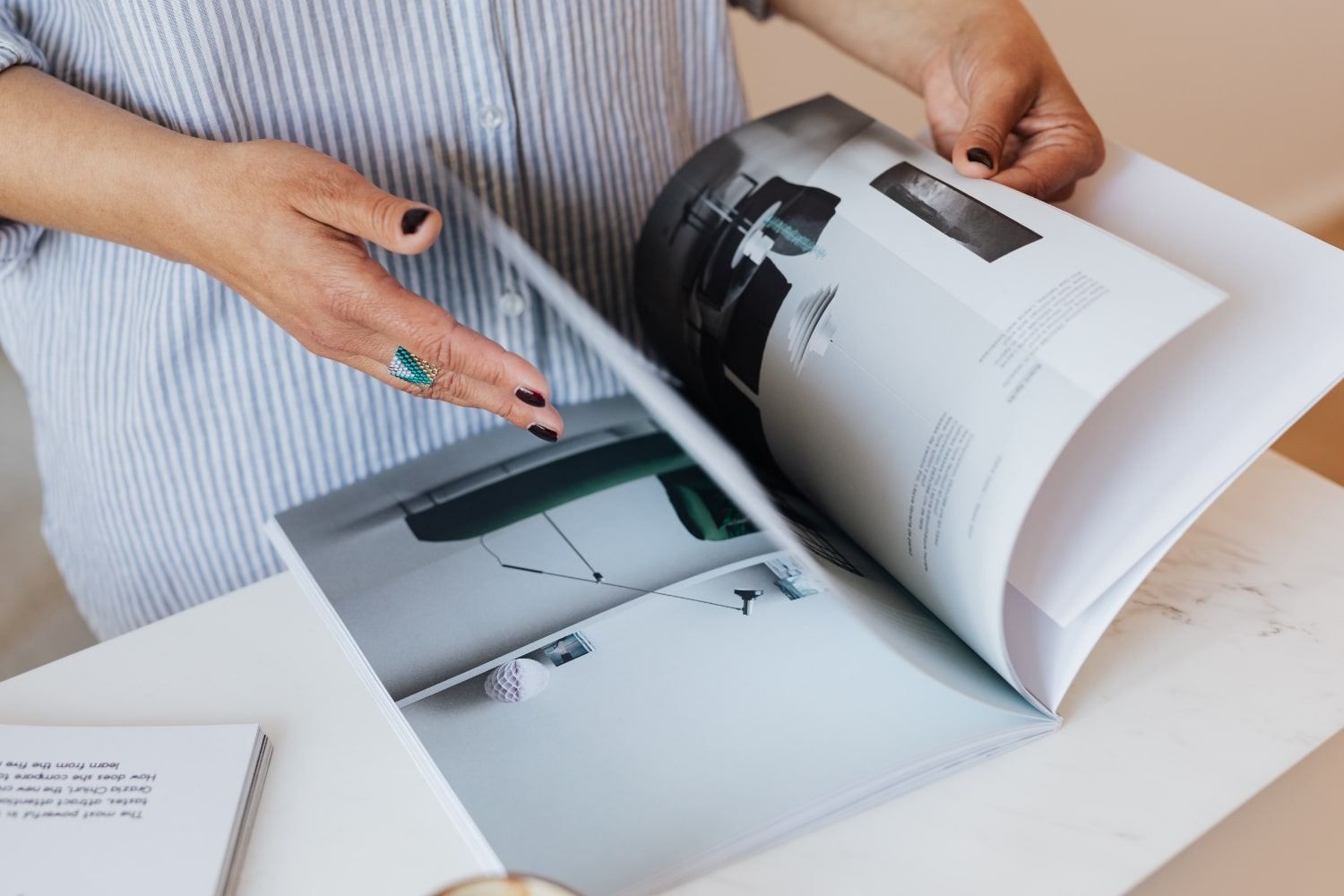
Table of Contents Show
Architecture magazines have always occupied a space between documentation and speculation. They are not neutral containers of projects, but cultural instruments that shape how architecture is discussed, valued, and remembered. In a time when architectural imagery circulates endlessly through social media feeds and algorithm-driven platforms, the role of the magazine has quietly but decisively shifted. Today’s most influential architecture magazines no longer compete on speed or visual spectacle alone; instead, they offer slowness, depth, and editorial intelligence. They contextualize buildings within political realities, environmental urgencies, material economies, and social narratives. For architects, students, and designers, these publications function as intellectual anchors, places where architecture is not only seen, but interpreted, questioned, and situated within a broader cultural discourse. The best architecture magazines today are those that resist simplification, cultivating critical thinking while remaining visually and editorially rigorous.

| Magazine | Founded | Country | Publisher | Frequency | Language | Website |
|---|---|---|---|---|---|---|
| Architectural Record | 1891 | United States | BNP Media | Monthly (12/year) | English | architecturalrecord.com |
| Domus | 1928 | Italy | Editoriale Domus | Monthly (11/year) | Italian / English | domusweb.it |
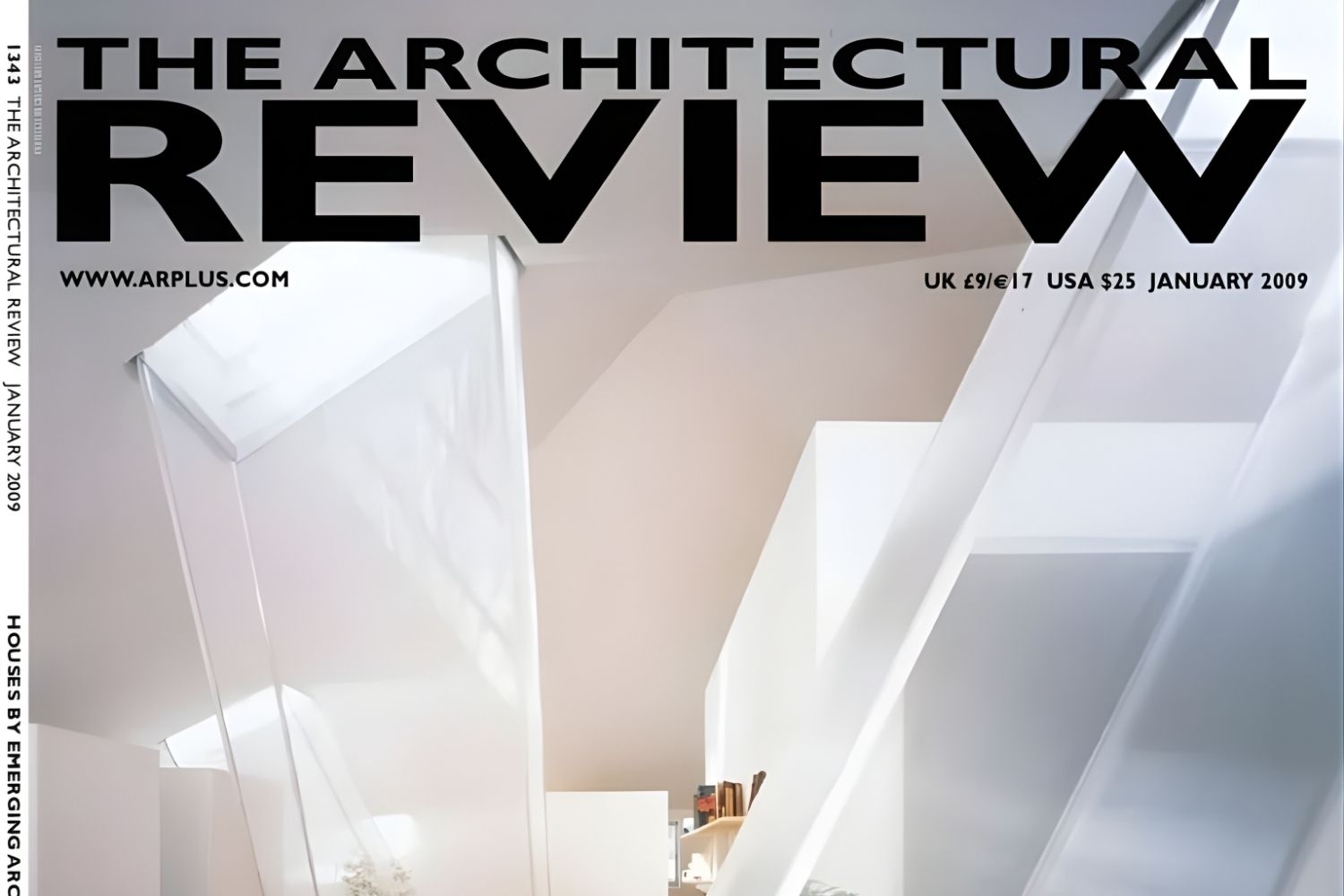
| The Architectural Review | 1896 | United Kingdom | Metropolis International | 10 issues/year | English | architectural-review.com |
| El Croquis | 1982 | Spain | El Croquis Editorial | Quarterly (5/year) | Spanish / English | elcroquis.es |
| Wallpaper* | 1996 | United Kingdom | Future plc | Monthly (12/year) | English | wallpaper.com |
Architectural Record: Professional Authority and Industry Insight
Architectural Record has long served as one of the most authoritative voices in professional architectural culture. What distinguishes it today is its ability to balance industry relevance with critical reflection. The magazine consistently engages with practice-oriented concerns, building technology, professional ethics, sustainability standards, and global construction trends, without reducing architecture to mere technical output. Its project coverage is carefully framed by essays that explain not just what was built, but why it matters within economic, environmental, and regulatory contexts. This makes the magazine particularly valuable for practicing architects who must navigate real-world constraints while maintaining design ambition. Architectural Record reinforces the idea that architecture is a discipline shaped as much by systems and policies as by form and aesthetics, offering readers a grounded yet intellectually expansive perspective on contemporary practice.

Domus: Architecture as Cultural and Political Expression
Founded in Italy but firmly global in scope, Domus approaches architecture as a cultural and political act rather than a purely professional one. Its editorial language is reflective, often philosophical, and deeply connected to broader debates in art, design, technology, and society. Domus excels at revealing the ideological frameworks behind architectural decisions, positioning buildings as responses to power, climate, urban inequality, and technological change. Rather than isolating architecture from other disciplines, the magazine deliberately blurs boundaries, connecting spatial practice to geopolitics, digital culture, and social transformation. For readers, Domus offers more than inspiration; it provides a critical lens through which architecture can be understood as a form of cultural production with real consequences. This makes it particularly relevant for architects who see their work as embedded within larger social systems.

The Architectural Review: Critical Thought and Global Perspective
The Architectural Review stands apart for its uncompromising critical stance. Rather than celebrating architecture unconditionally, the magazine interrogates it, questioning whose voices are amplified, which geographies are represented, and how power operates through space. Its essays often challenge dominant narratives of progress, modernity, and innovation, making room for overlooked histories and marginalized practices. The Architectural Review’s global outlook resists Eurocentric framing, actively engaging with architecture from the Global South and post-colonial contexts. This critical rigor is what gives the magazine its lasting relevance in architectural education and theory. It reminds readers that architecture is not neutral, and that design decisions carry ethical, political, and cultural weight. For students and academics, it remains an essential reference for developing analytical depth and intellectual responsibility.
El Croquis: Precision, Monograph, and Architectural Intimacy
Few publications approach architectural documentation with the intensity and precision of El Croquis. Known for its monographic issues dedicated to single practices, the magazine offers an almost forensic reading of architectural work. Drawings, photographs, texts, and interviews are curated to reveal the internal logic of projects over time, allowing readers to understand design as a process rather than a finished image. El Croquis values depth over breadth, making it indispensable for architects seeking to study methodology, material thinking, and spatial reasoning at an advanced level. Its restrained graphic language avoids visual distraction, reinforcing a culture of close reading and careful observation. In an era of rapid consumption, El Croquis affirms the importance of patience, continuity, and intellectual rigor in architectural culture.

Wallpaper*: Architecture Within Lifestyle and Contemporary Culture
While often associated with design and lifestyle, Wallpaper* plays a significant role in shaping how architecture enters popular cultural consciousness. Its strength lies in translating architectural ideas for a broader audience without stripping them of relevance. By situating buildings alongside fashion, interiors, travel, and product design, Wallpaper* reflects how architecture operates within everyday life and global visual culture. The magazine captures the atmospheric and experiential qualities of space, emphasizing how architecture is lived rather than solely analyzed. This perspective matters in a world where public perception increasingly shapes architectural value and influence. For architects, Wallpaper* offers insight into how spatial design communicates beyond professional circles, reminding the discipline of its cultural visibility and emotional impact.

| Magazine | Editorial Focus | Best For | Content Format | Founder(s) |
|---|---|---|---|---|
| Architectural Record | Building technology, sustainability, professional practice, industry trends | Practicing architects, engineers, building professionals | Project reviews, CEU courses, technical essays, product coverage | Clinton Sweet |
| Domus | Architecture as cultural production, art, design theory, urban politics | Architects, designers, cultural theorists, academics | Critical essays, philosophical texts, interdisciplinary features, rotating guest editors | Gio Ponti |
| The Architectural Review | Critical theory, post-colonial architecture, global perspectives, design ethics | Students, academics, educators, critical thinkers | Long-form essays, building analysis, thematic issues, AR Awards | Percy Hastings |
| El Croquis | Monographic documentation, design methodology, spatial reasoning | Advanced architects, researchers, design studios, architecture libraries | Single-practice monographs, detailed drawings, interviews, 300-400 pages per issue | Richard Levene & Fernando Márquez Cecilia |
| Wallpaper* | Design, lifestyle, travel, fashion intersecting with architecture | Design-conscious general audience, creative professionals, lifestyle enthusiasts | Visual features, design awards, city guides, guest-edited issues | Tyler Brûlé & Alexander Geringer |
| Magazine | Key Strength | Geographic Scope | Print & Digital | Notable Feature |
|---|---|---|---|---|
| Architectural Record | Industry authority; bridges practice with critical reflection | Primarily US, global coverage | Print + Digital + Website | Record Houses annual awards; free AIA Continuing Education Units (CEUs) |
| Domus | Interdisciplinary; connects architecture to art, politics, and philosophy | Global (circulated in 89+ countries with 5 local editions) | Print + Digital + Website | 10×10×10 rotating guest editor-in-chief program (leading up to 2028 centennial) |
| The Architectural Review | Uncompromising critical voice; resists Eurocentric framing | Global with strong Global South coverage | Print + Digital + Website | AR Emerging Architecture Awards (since 1999); AR House Awards |
| El Croquis | Forensic-level architectural documentation; monographic depth | International (published from Madrid) | Print + Digital Library | Issues serve as oeuvre complète for Pritzker laureates; RIBA International Fellowship (2014) |
| Wallpaper* | Makes architecture accessible through lifestyle and visual culture | Global (distributed in 93 countries) | Print + Digital + App + E-commerce | Annual Wallpaper* Design Awards; 50+ City Guides; guest-edited October issues |
Conclusion
The best architecture magazines today succeed not by competing with digital immediacy, but by offering something slower, deeper, and more deliberate. They cultivate editorial voices that frame architecture as a complex cultural practice, one shaped by ethics, economics, history, and imagination. For practitioners, these magazines provide critical distance from daily production pressures, reconnecting design work with larger questions of responsibility and meaning. For students and educators, they serve as intellectual laboratories where architectural ideas are tested, challenged, and refined. As architectural practice continues to evolve amid climate crises, technological shifts, and social transformation, the role of the magazine becomes even more vital. These publications do not simply document architecture; they actively participate in shaping how the discipline thinks about itself and its future.
- architecture and design magazines
- architecture industry magazines
- architecture style magazines
- architecture trends magazines
- contemporary architecture magazines
- green architecture magazines
- international architecture magazines
- modern architecture magazines
- popular architecture magazines
- sustainable architecture magazines






Interior Design for Commercial Spaces: Enhancing Functionality and Brand Identity
Commercial interior design has to serve brand, function and regulation at once....
 Begum Gumusel4 Mins read

Futuro House Production Revived in Finland After Decades-Long Hiatus
A Facebook listing for abandoned moulds led to the first new Futuro...
 illustrarch Editoral Team3 Mins read

Building Your Dream Home in NSW: What You Should Know About Montgomery Homes
Montgomery Homes has been building across Sydney, Newcastle, the Hunter, Wollongong and...
illustrarch Editoral Team4 Mins read

Designing a Home Theater: Where Drapery Fits Into the Plan
In a media room the curtains are a performance layer, not decoration....
illustrarch Editoral Team3 Mins read


Leave a comment