

Switchstation Beverwijk by Powerhouse Company and Studio RAP
Powerhouse Company gives TenneT's new 150 kV switchstation in Beverwijk deep brick piers and rippling metal lamellas, and sets into its facade Powerwall, Studio RAP's 3D-printed ceramic relief of 322 tiles.
 illustrarch Editorial Team14 November 20262 Mins read1
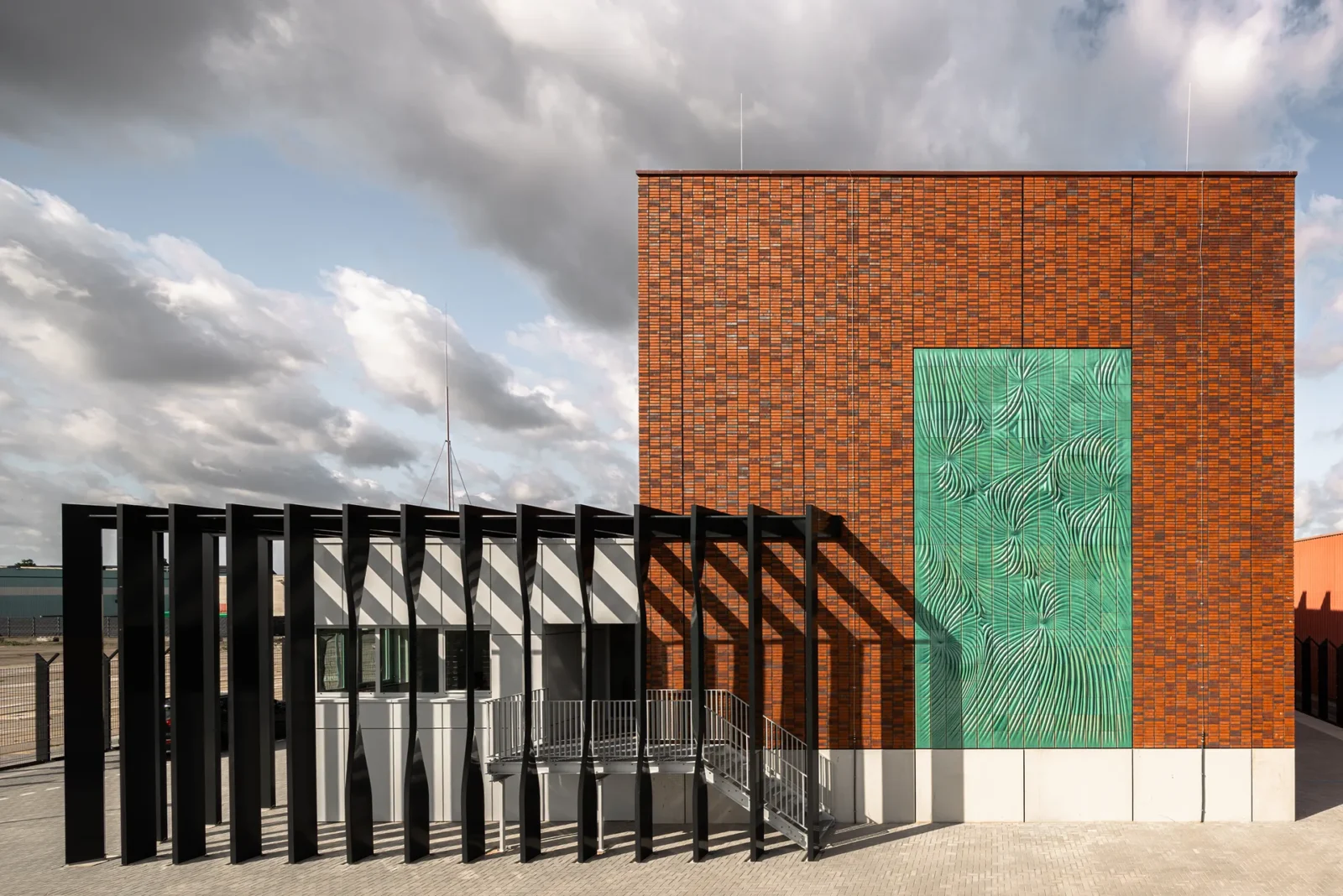
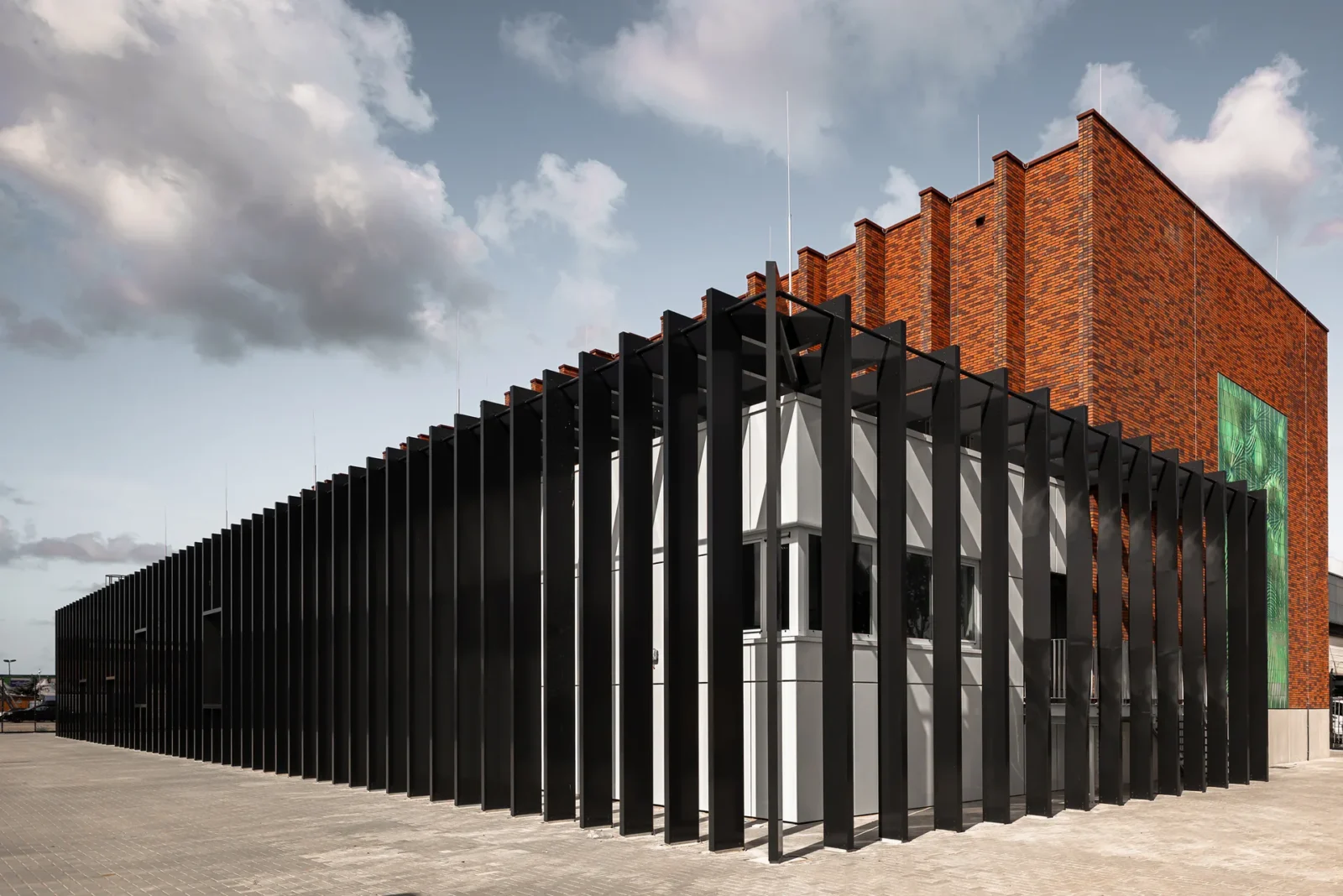
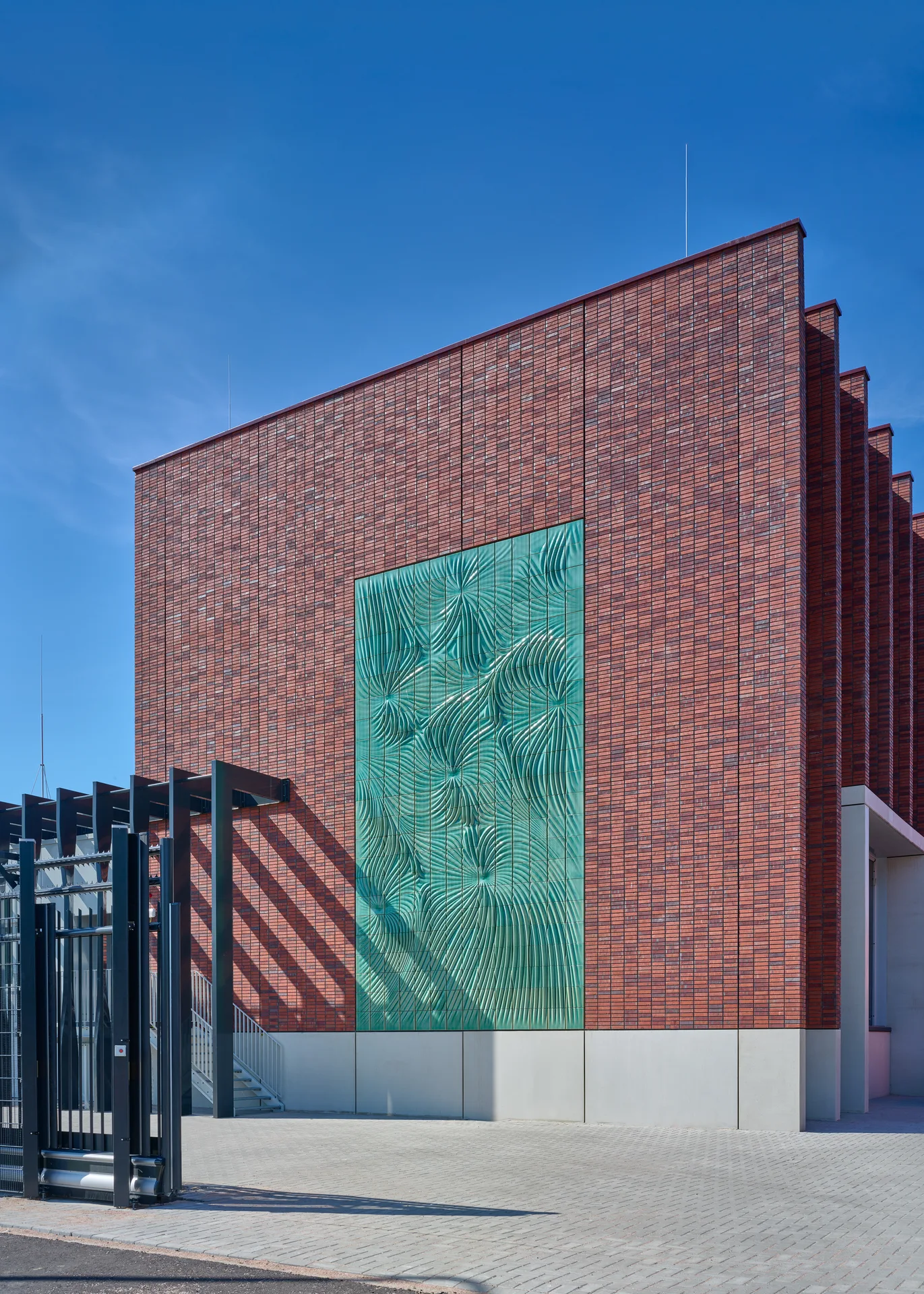
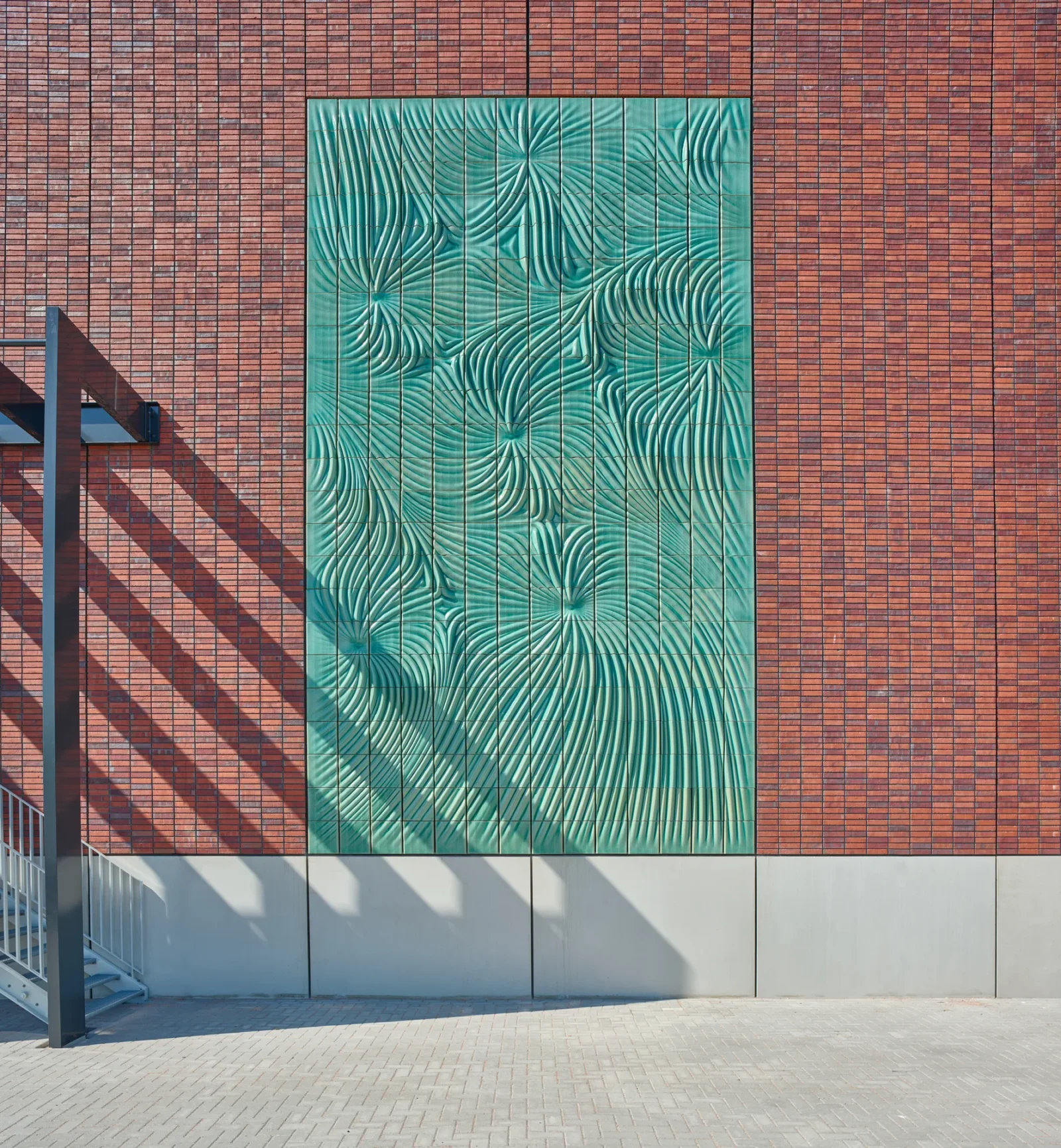
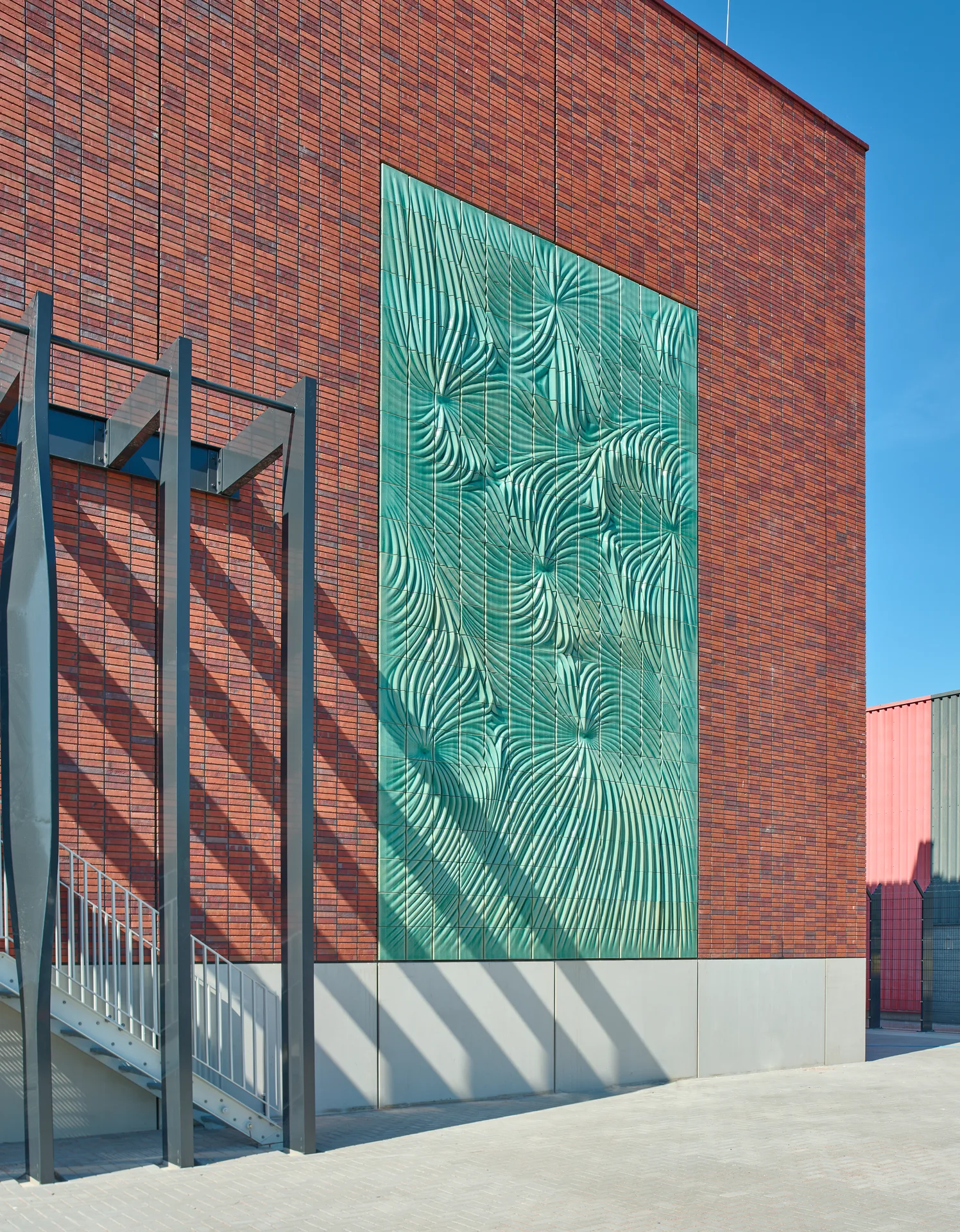
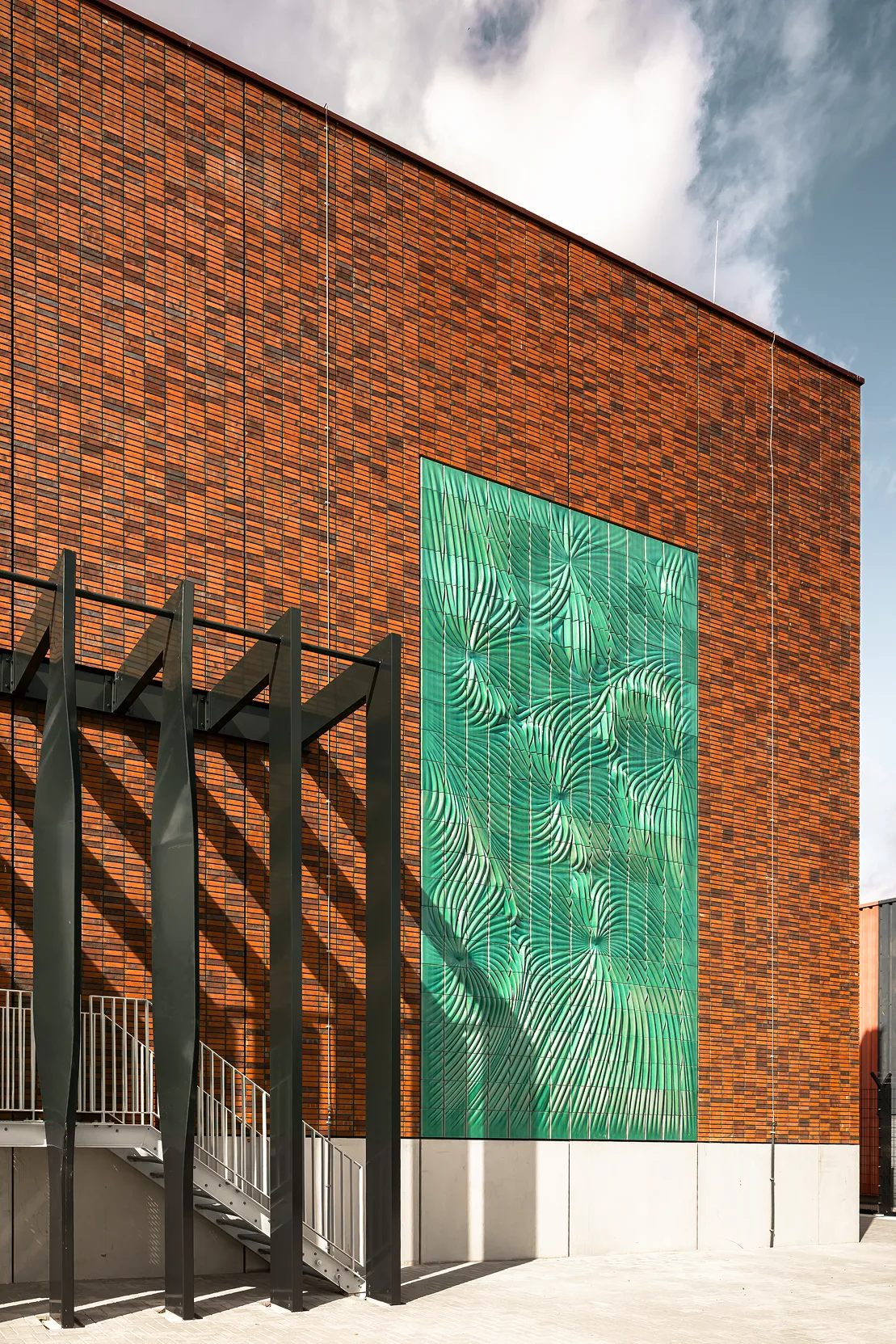
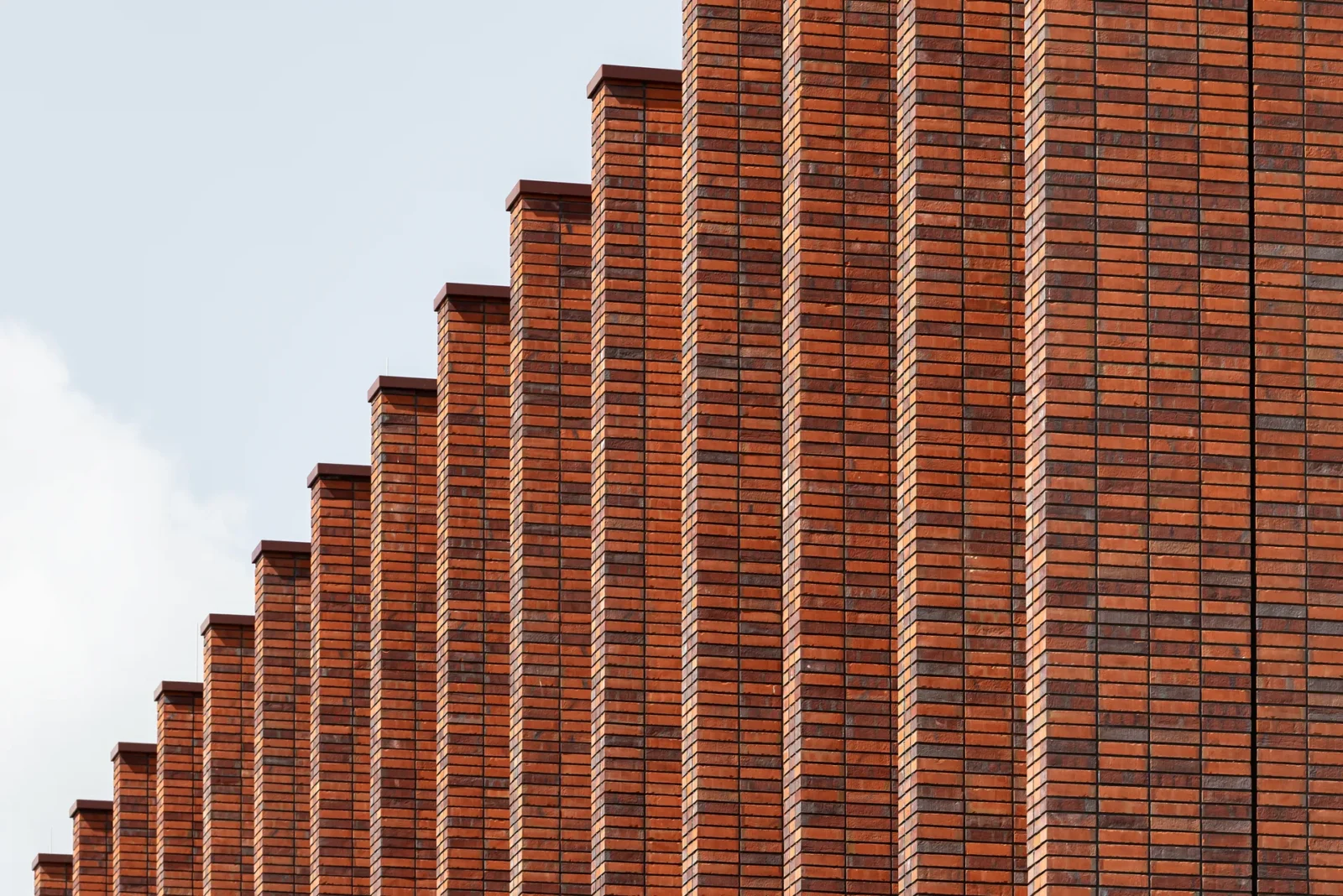
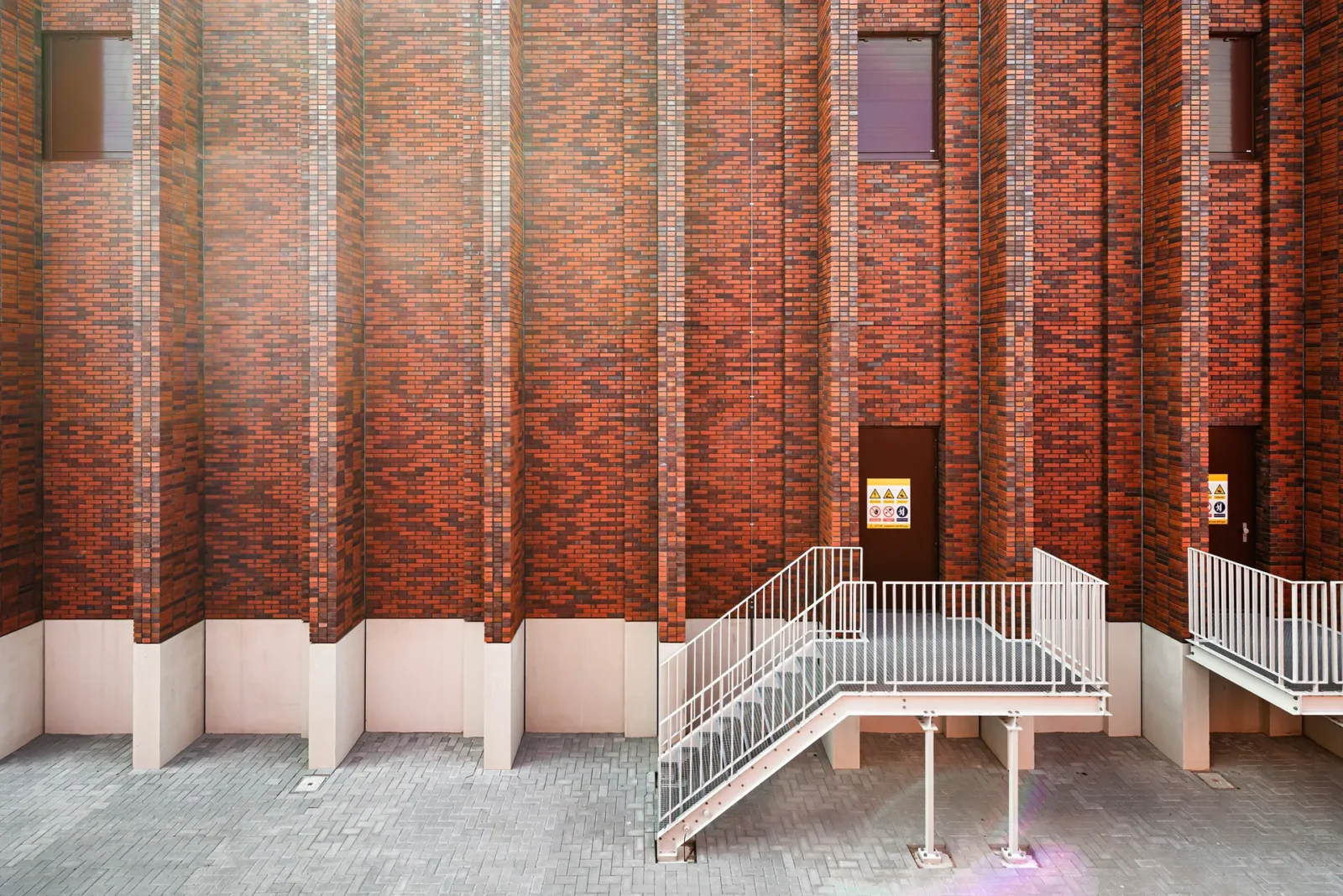
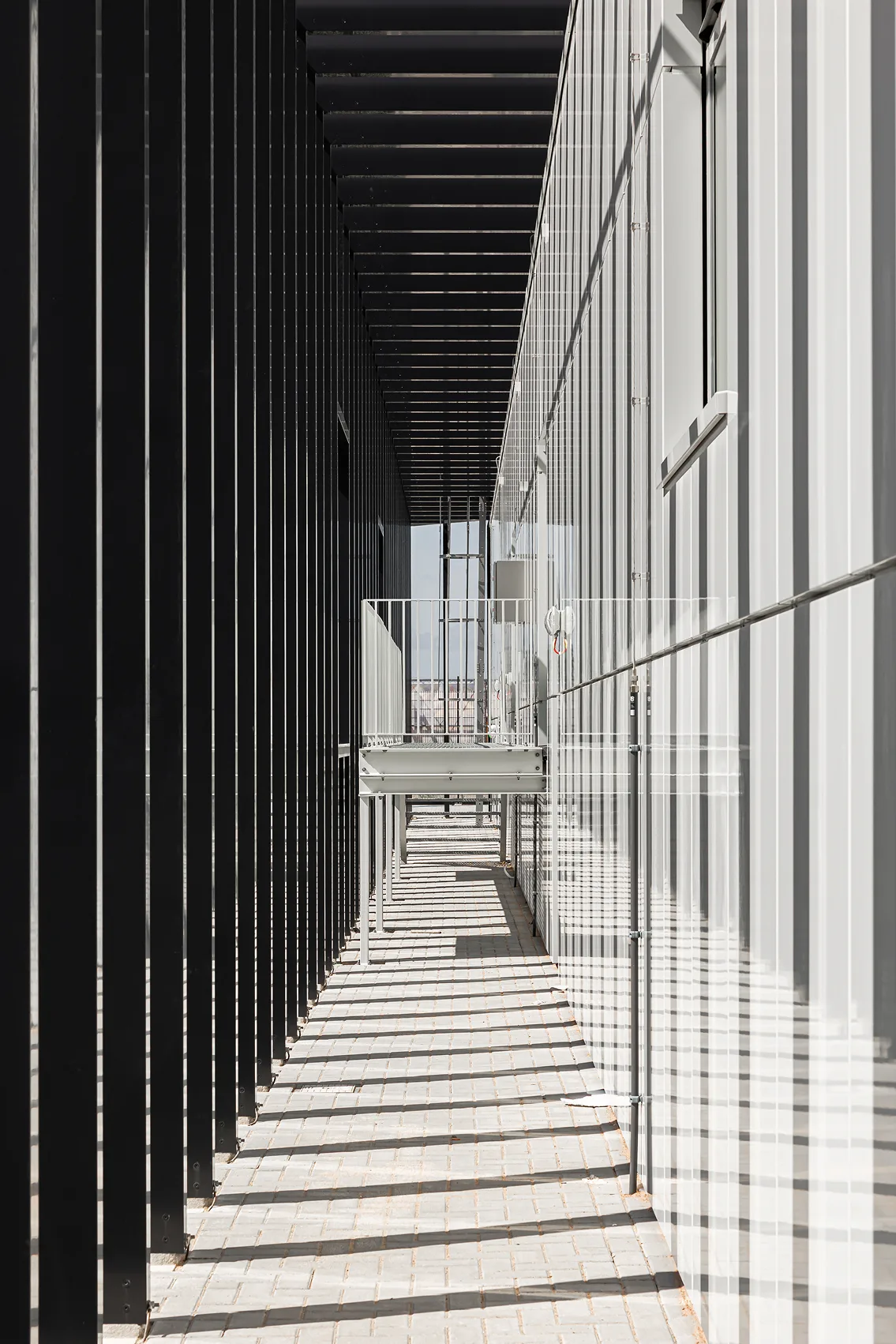
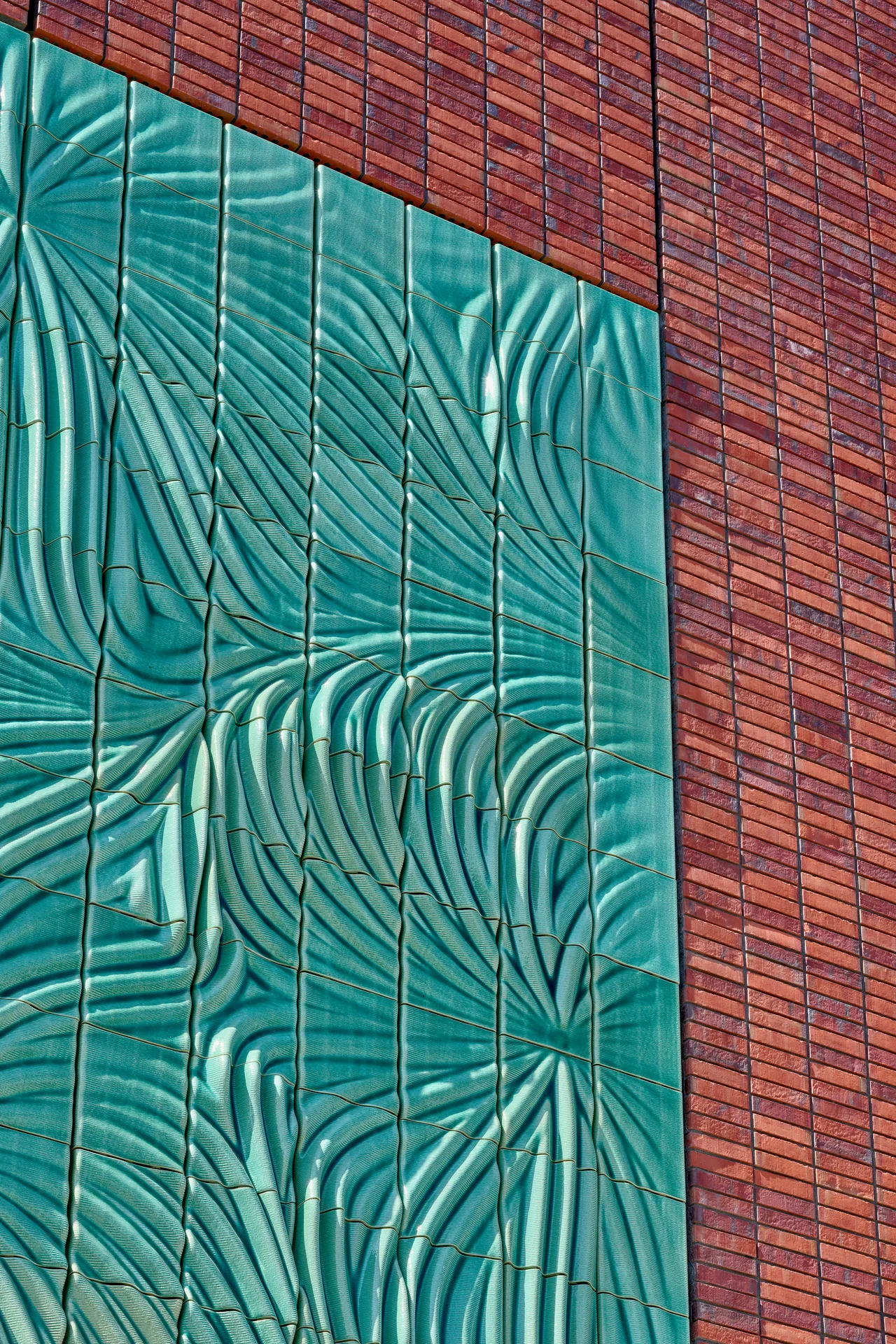
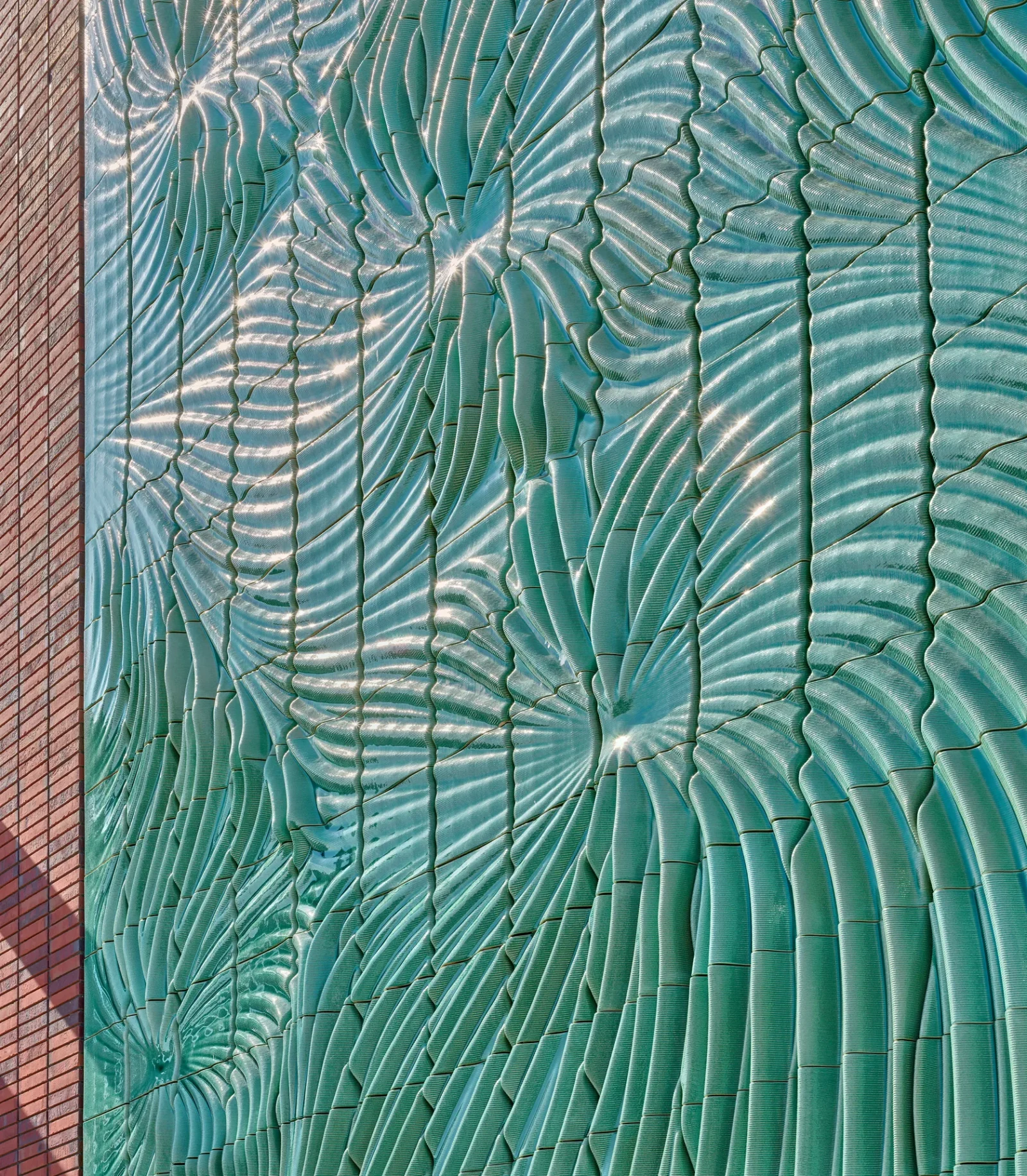
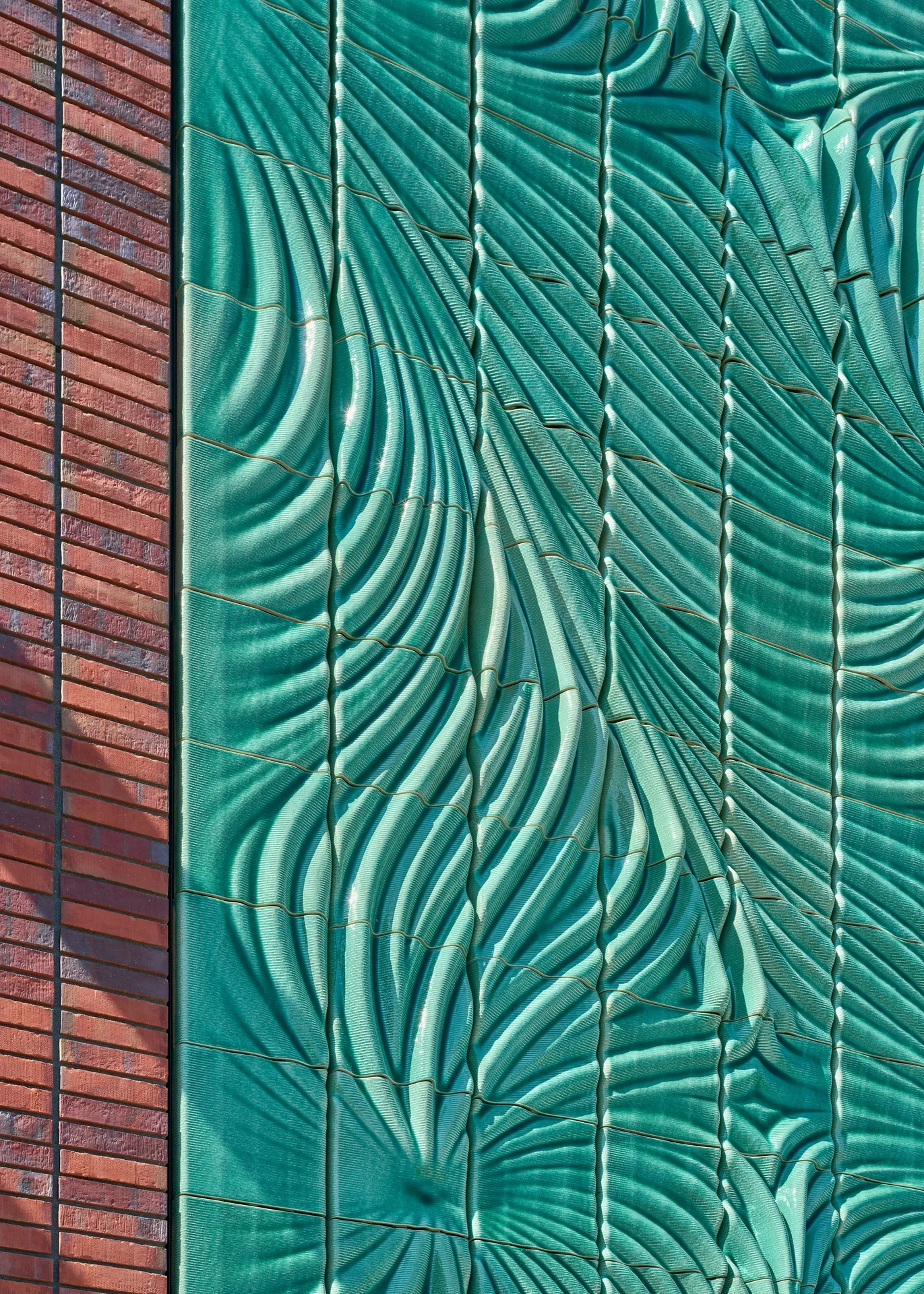
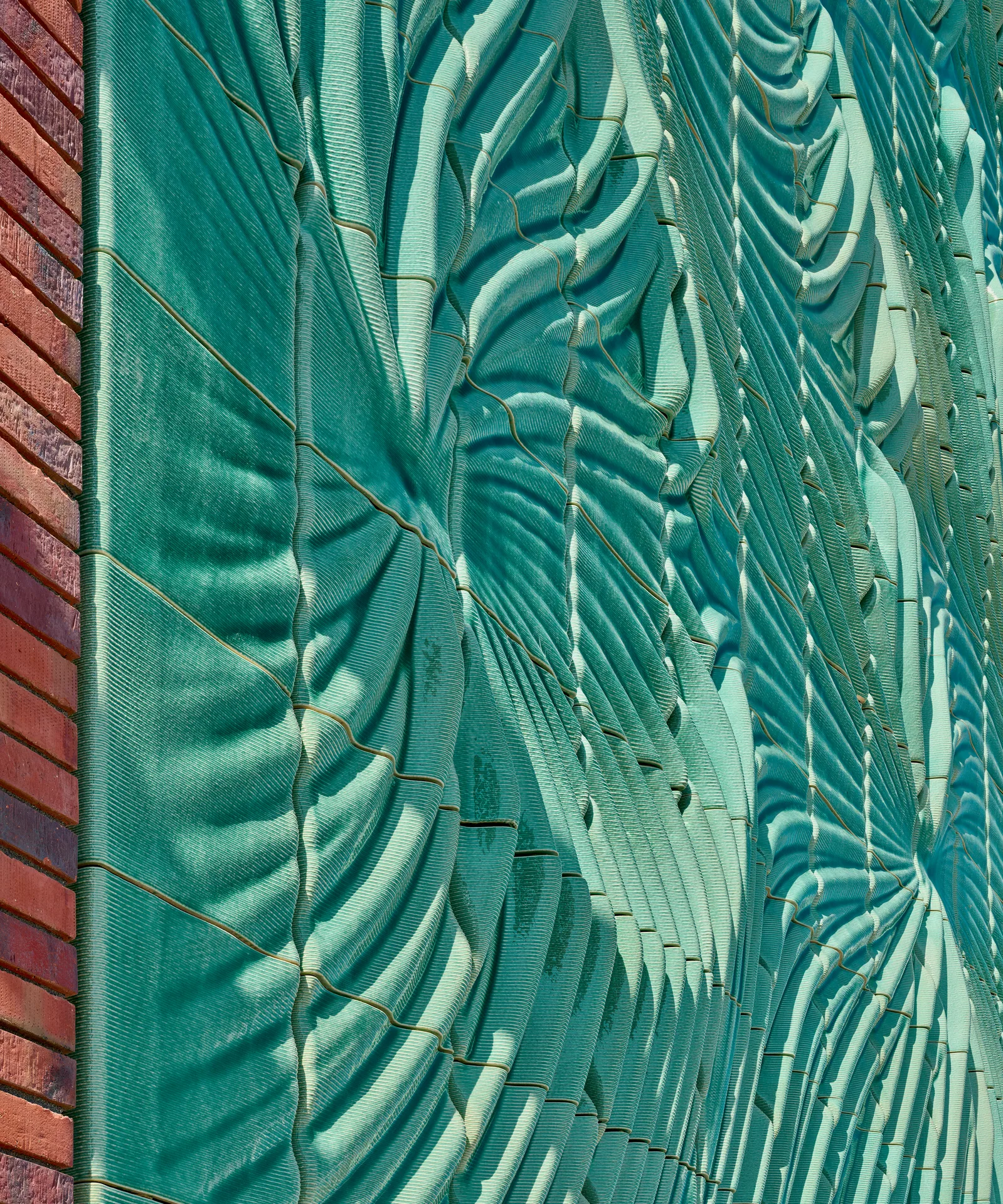
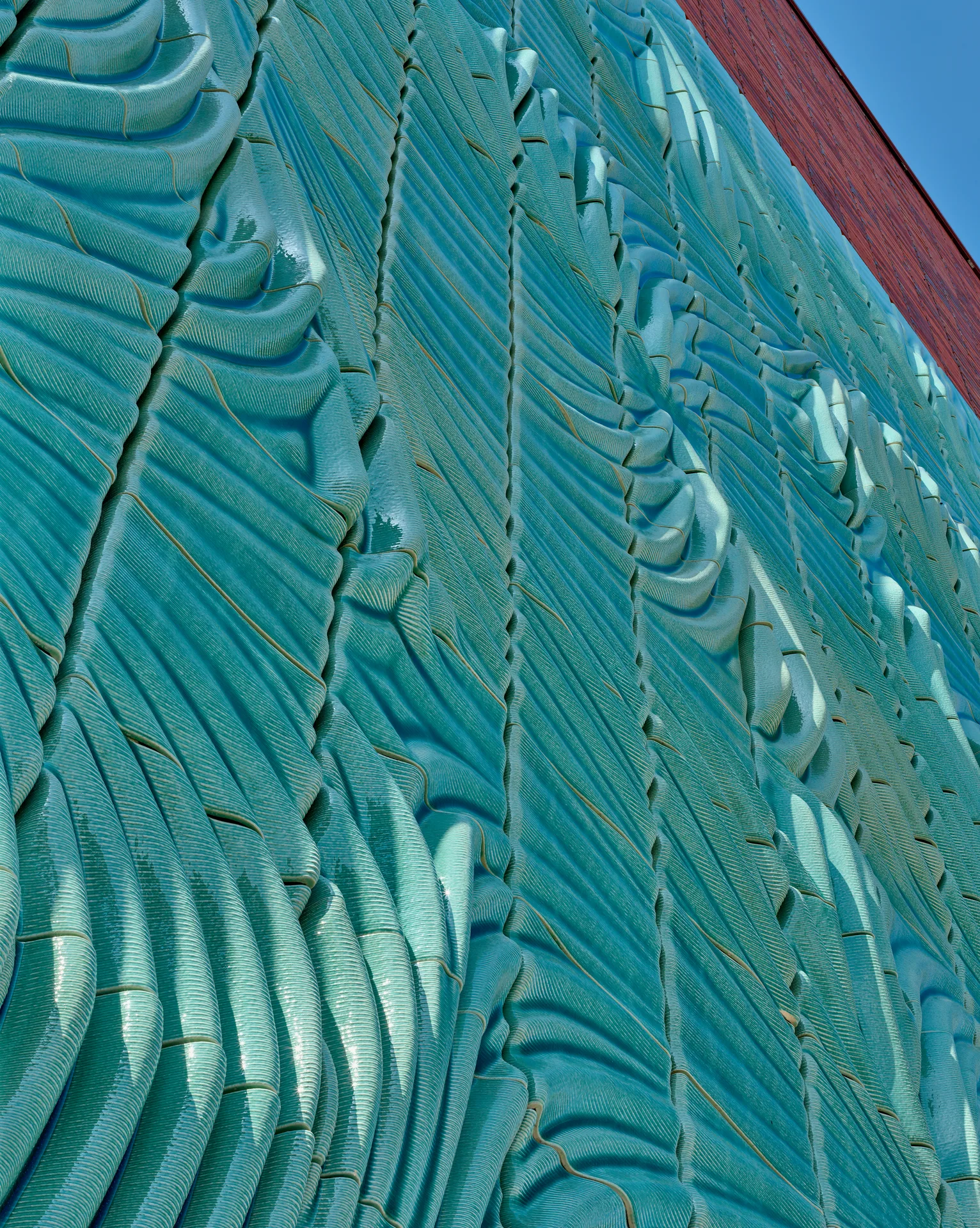
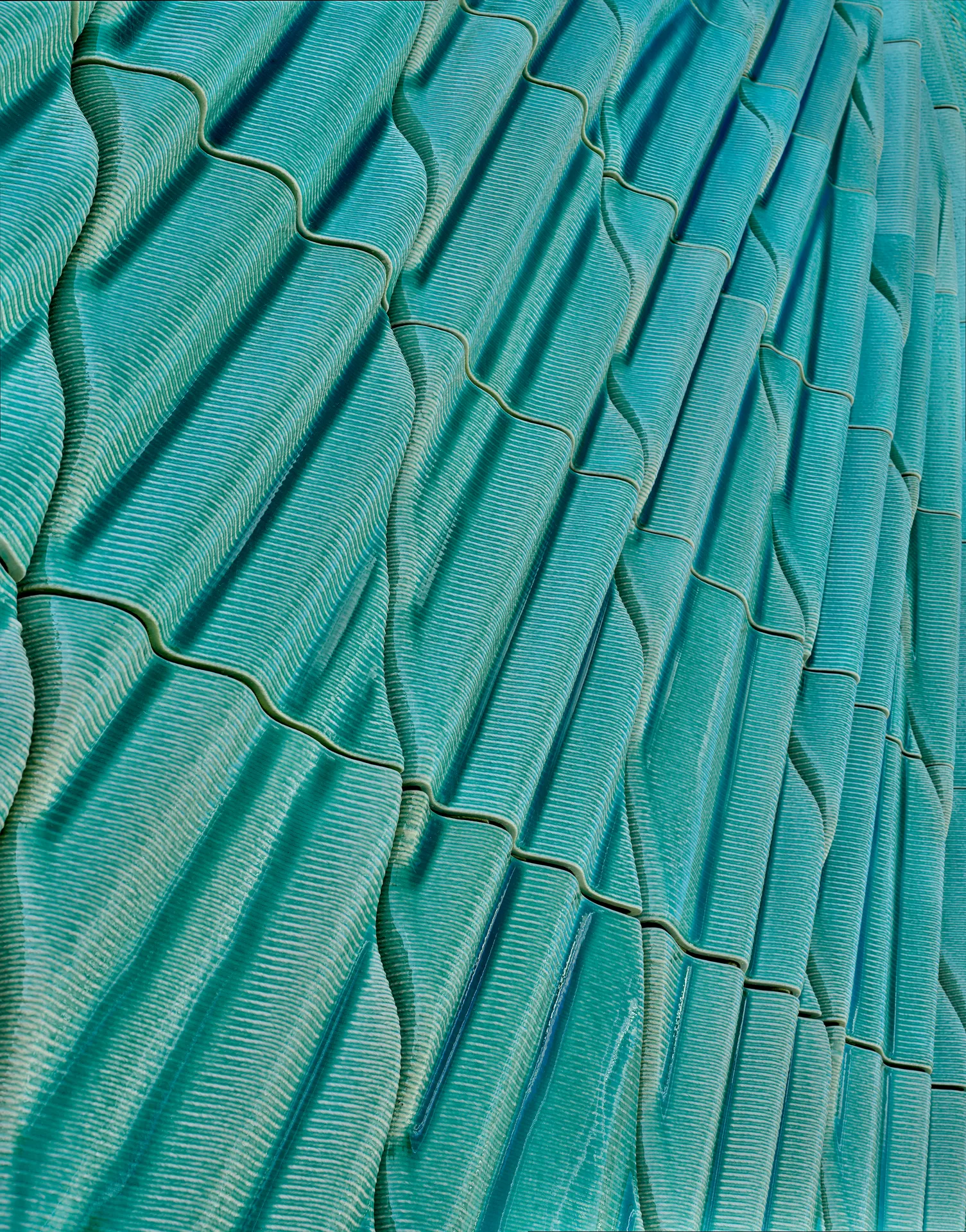
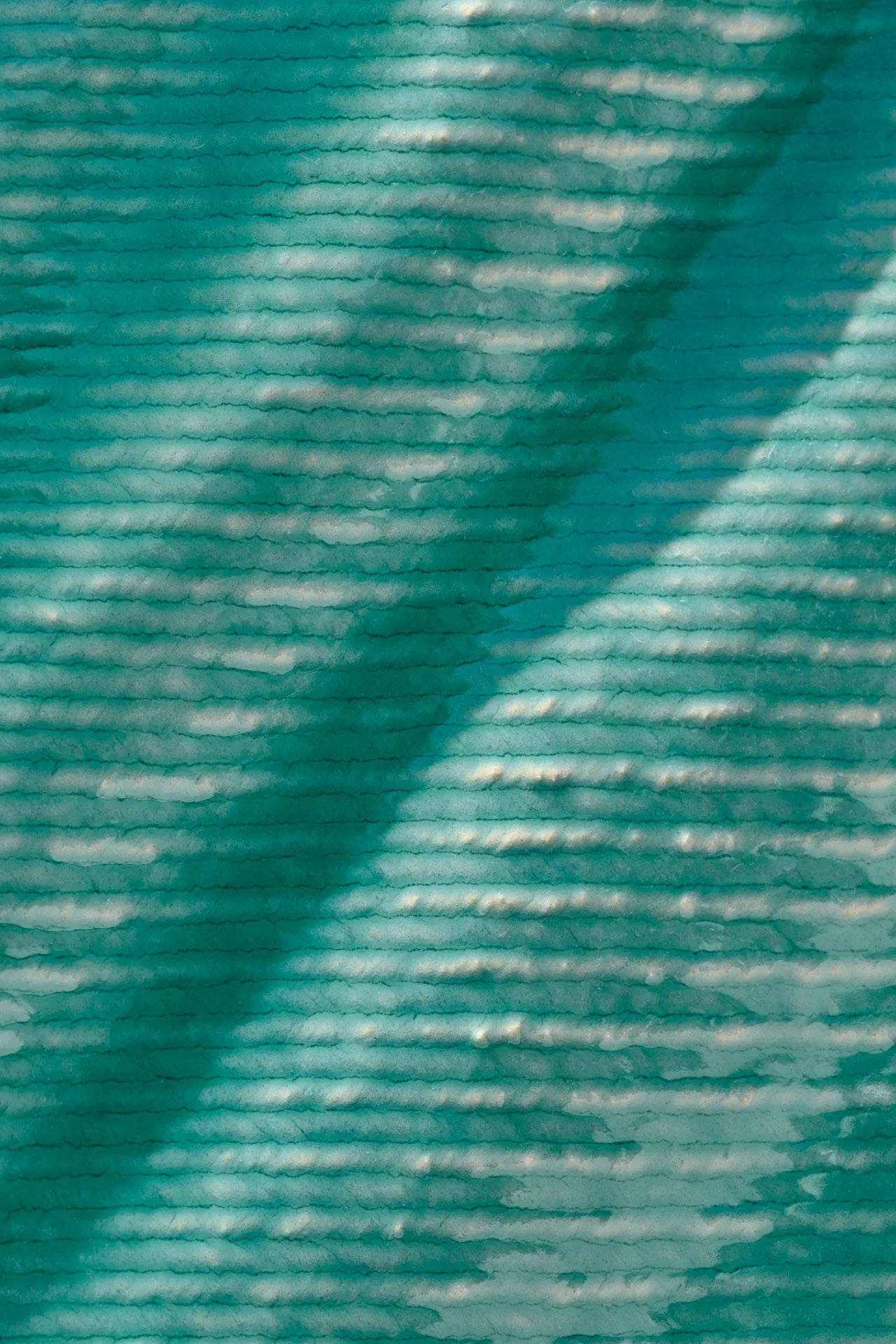
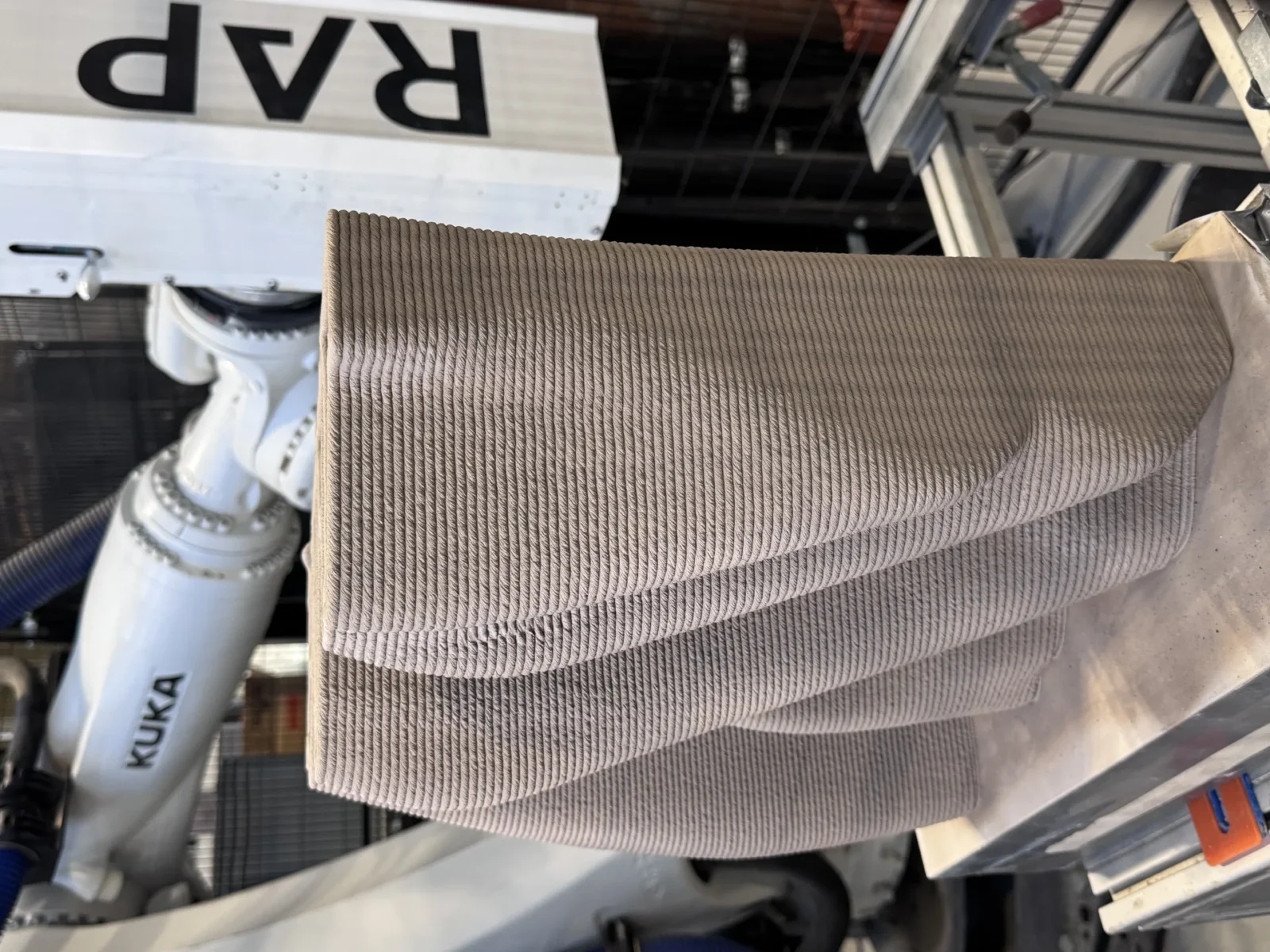
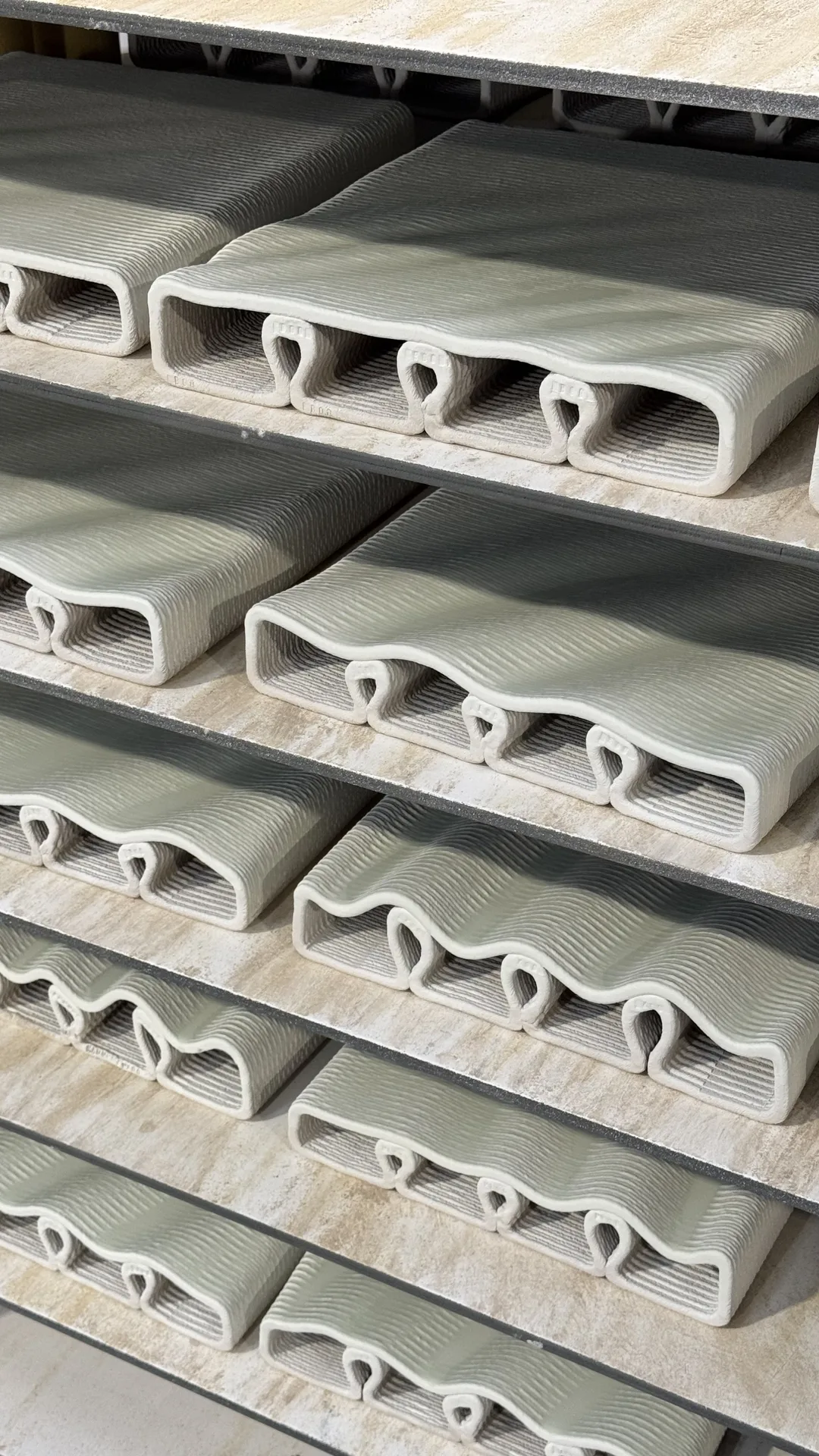
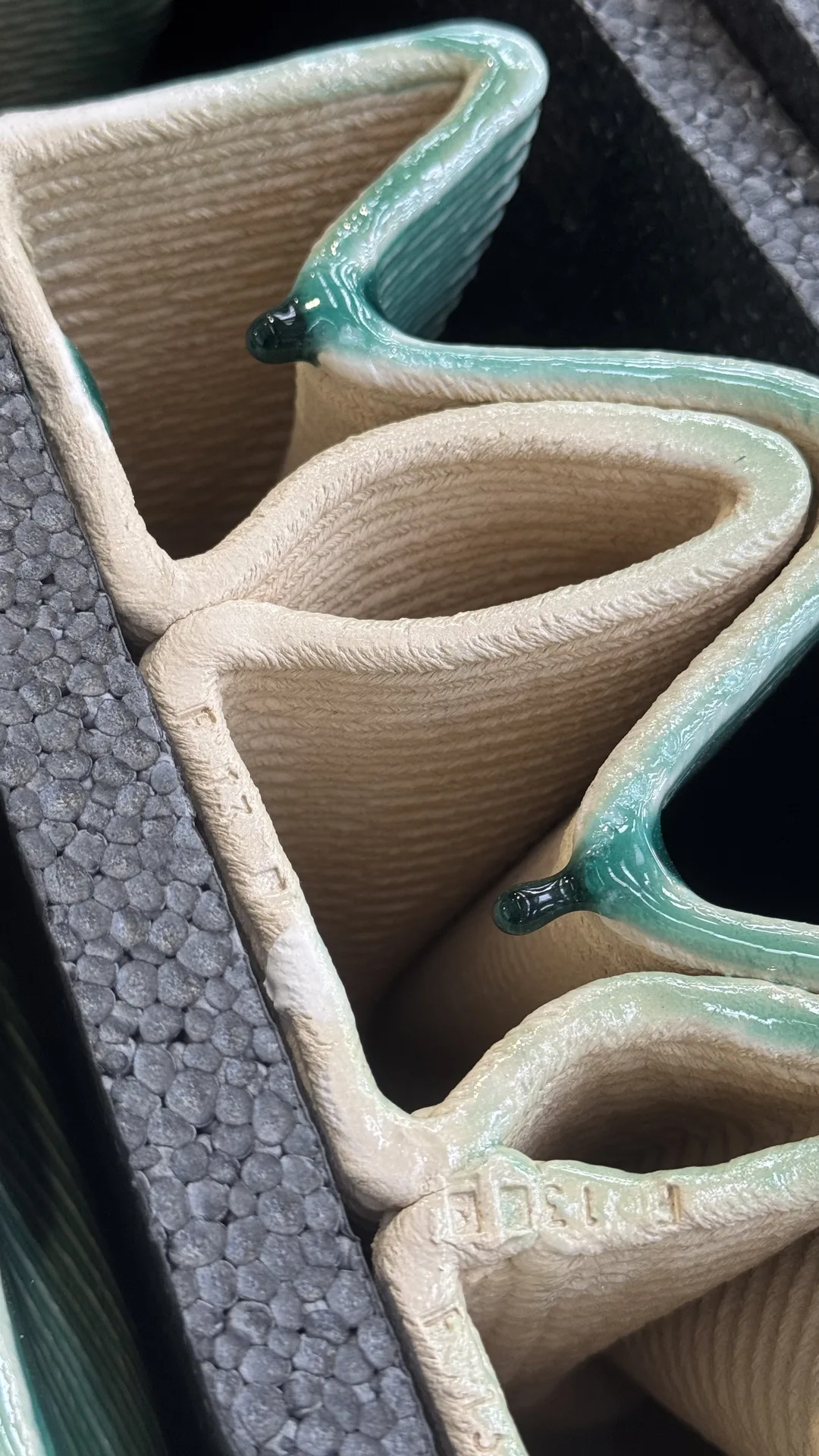
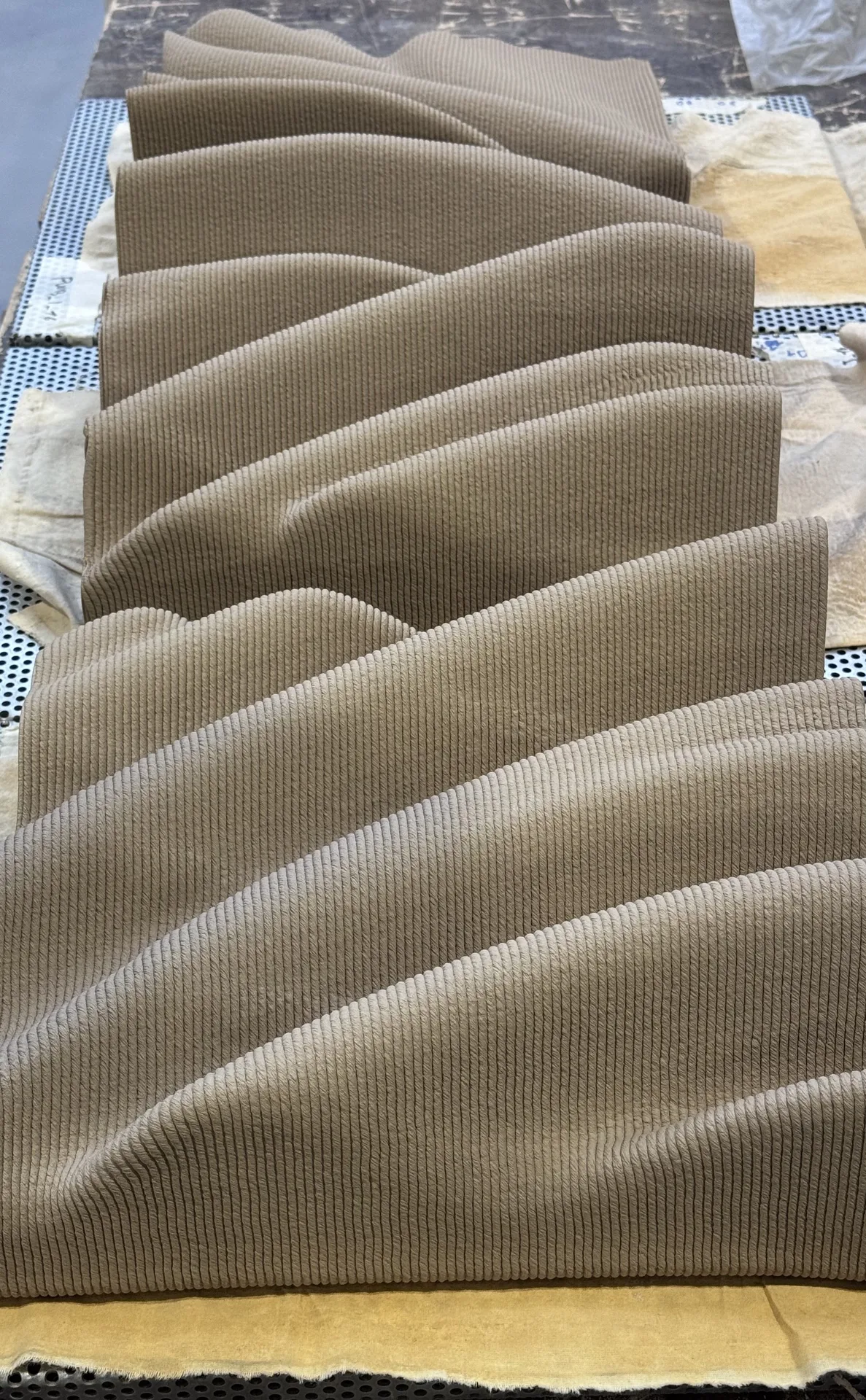
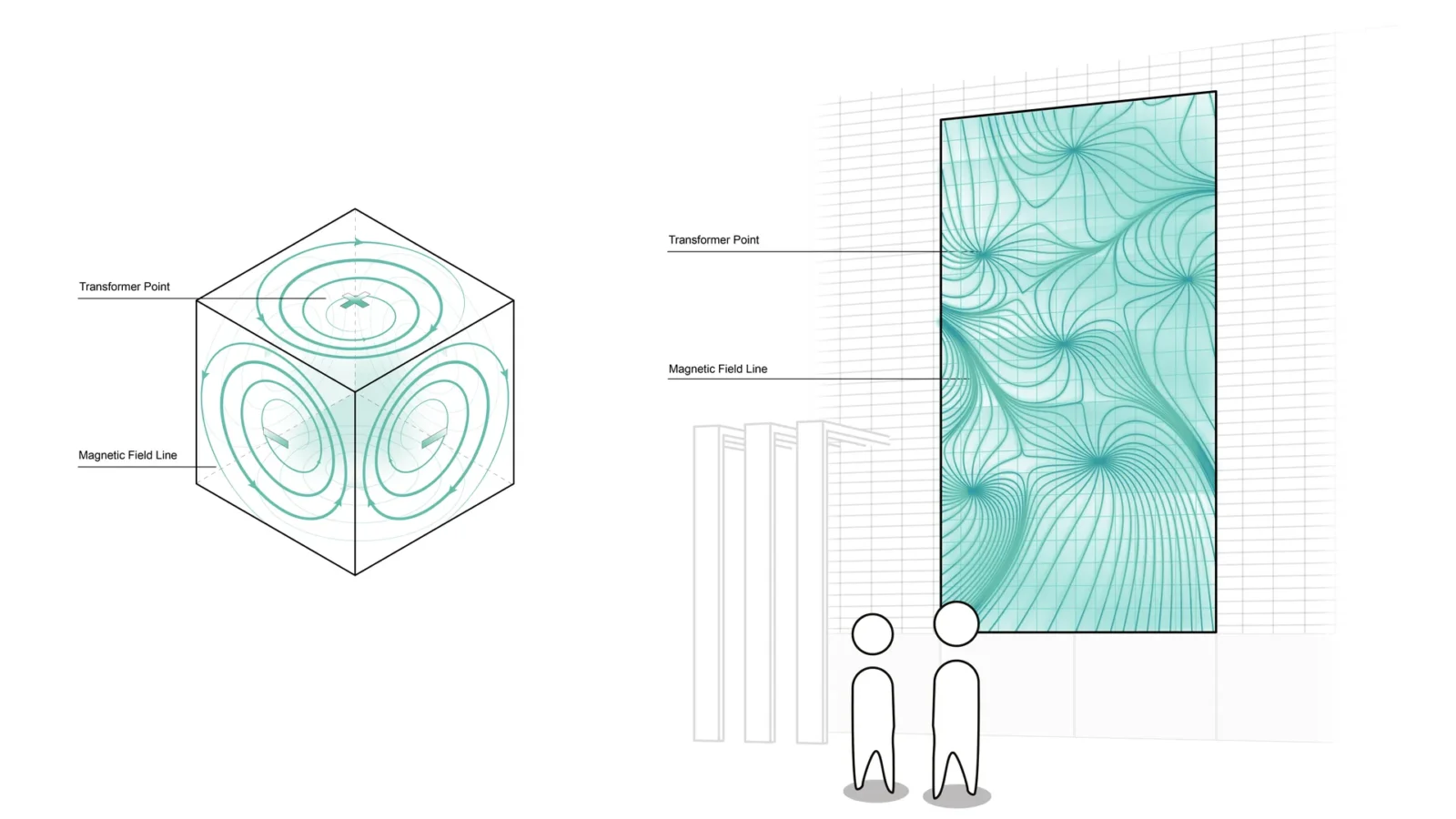
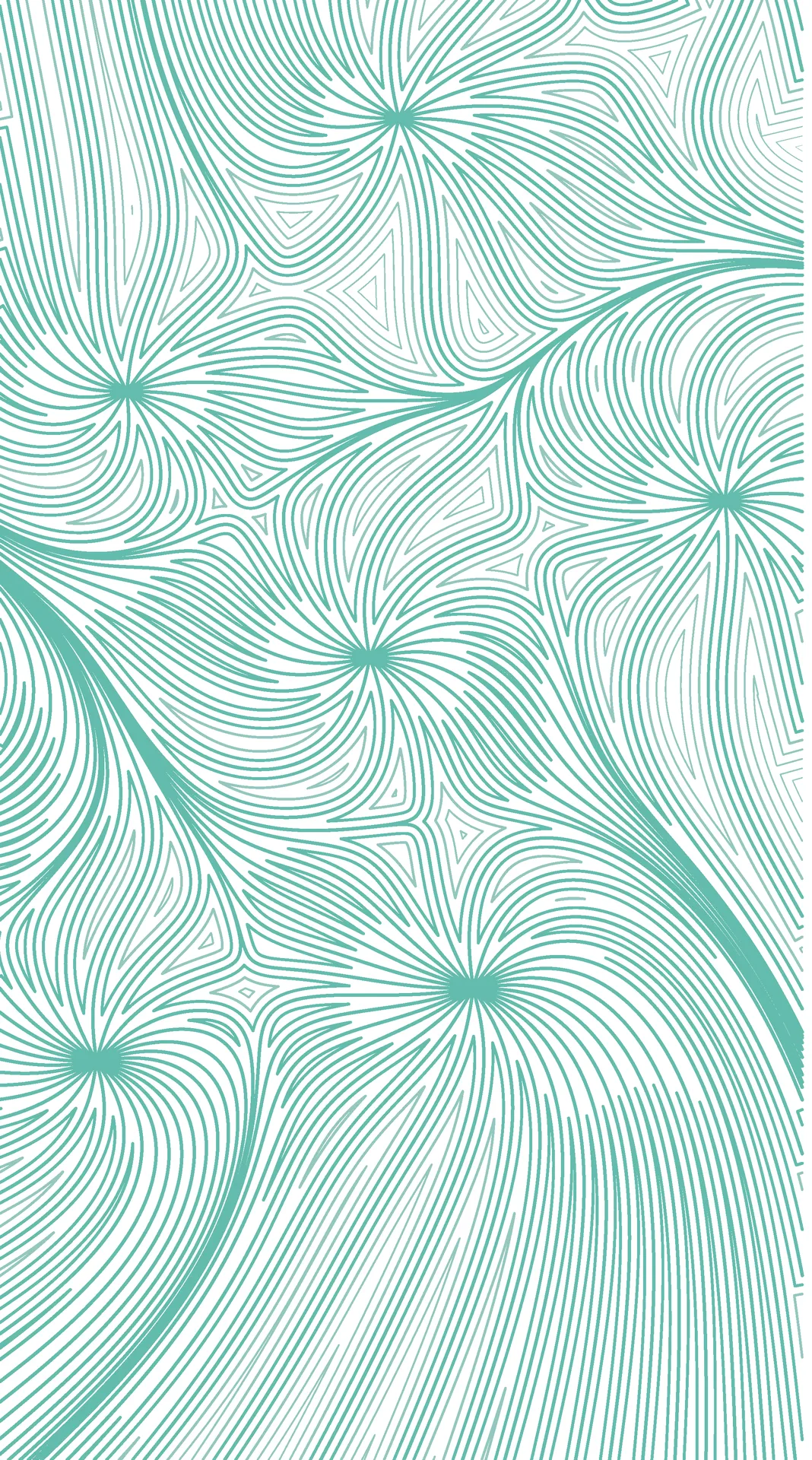
Table of Contents Show
Switchstation Beverwijk is a new 150 kV electrical switching station in Beverwijk, the Netherlands, designed by Powerhouse Company for the grid operator TenneT and completed in 2026. Its brick facade carries Powerwall, a large ceramic relief by the Rotterdam studio Studio RAP, which turns the hidden forces inside the building into something people can see from the street.


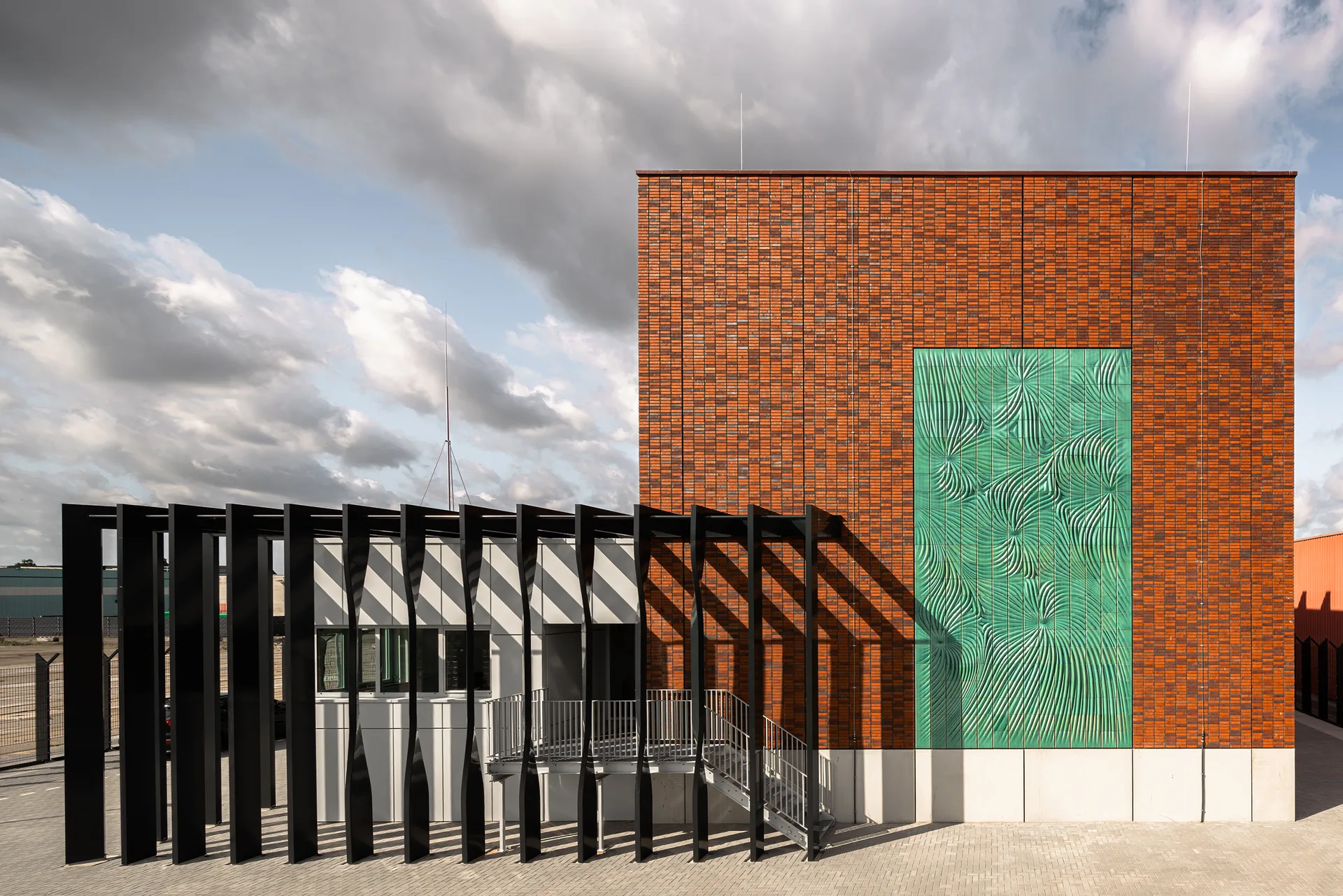
A utility building in a future neighbourhood
The station stands beside the Bazaar, a district long dominated by infrastructure and large-scale retail that is due to become a mixed neighbourhood with homes, workspaces, public space and a stronger link to the waterfront. Electricity demand in the area is rising fast, and the switchstation will sit at the centre of the new quarter. Powerhouse Company therefore treated it as future industrial heritage: a technical building that should still read as architecture.
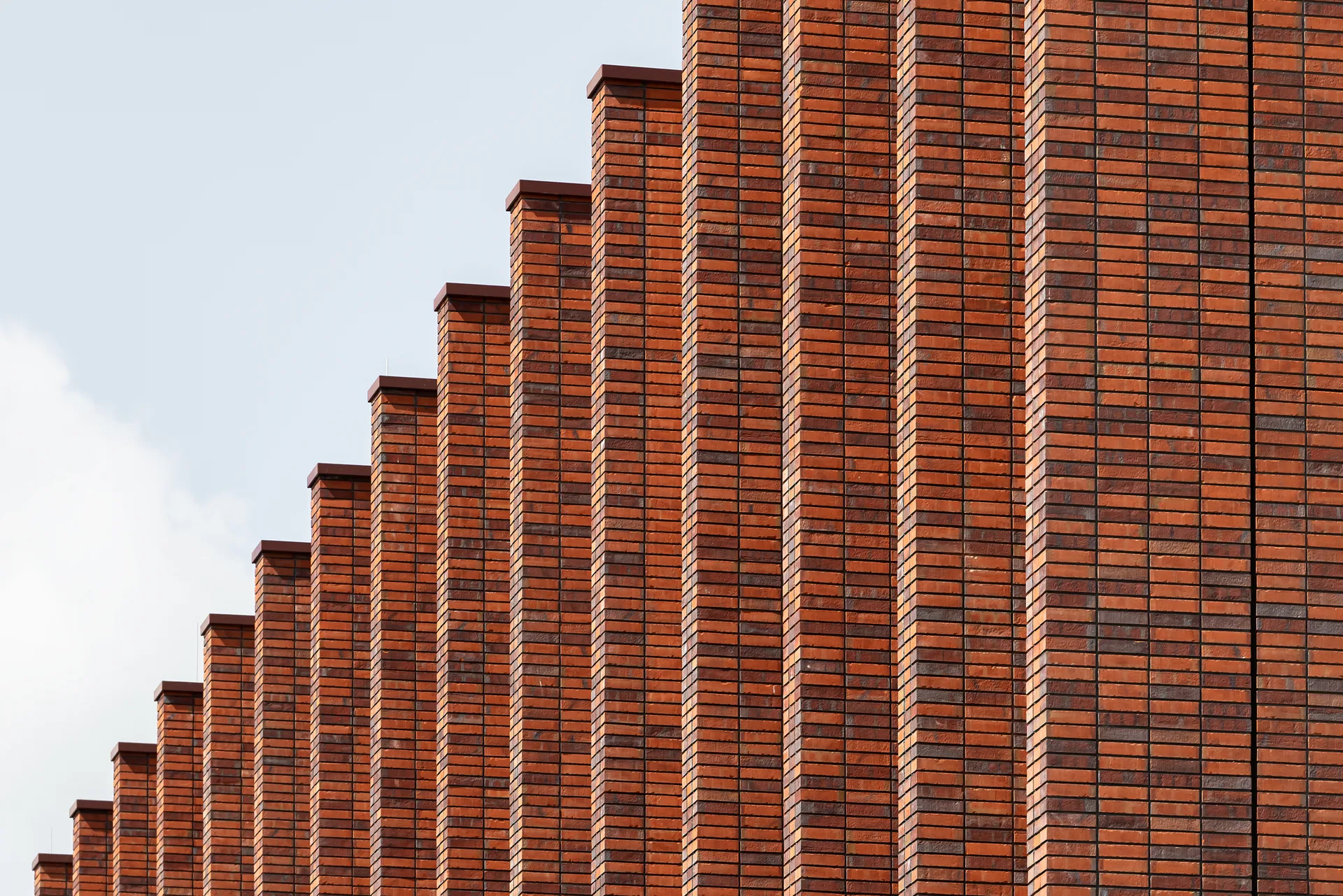
The design tones down the building’s technical character and breaks up its scale. The switchgear sits in the taller of two blocks, which is built in brick, while support rooms occupy a lower block clad in metal. Projecting brick fins add depth and shadow to the tall block, and a screen of gently waving metal fins runs around the low one, so the two read as a single whole.
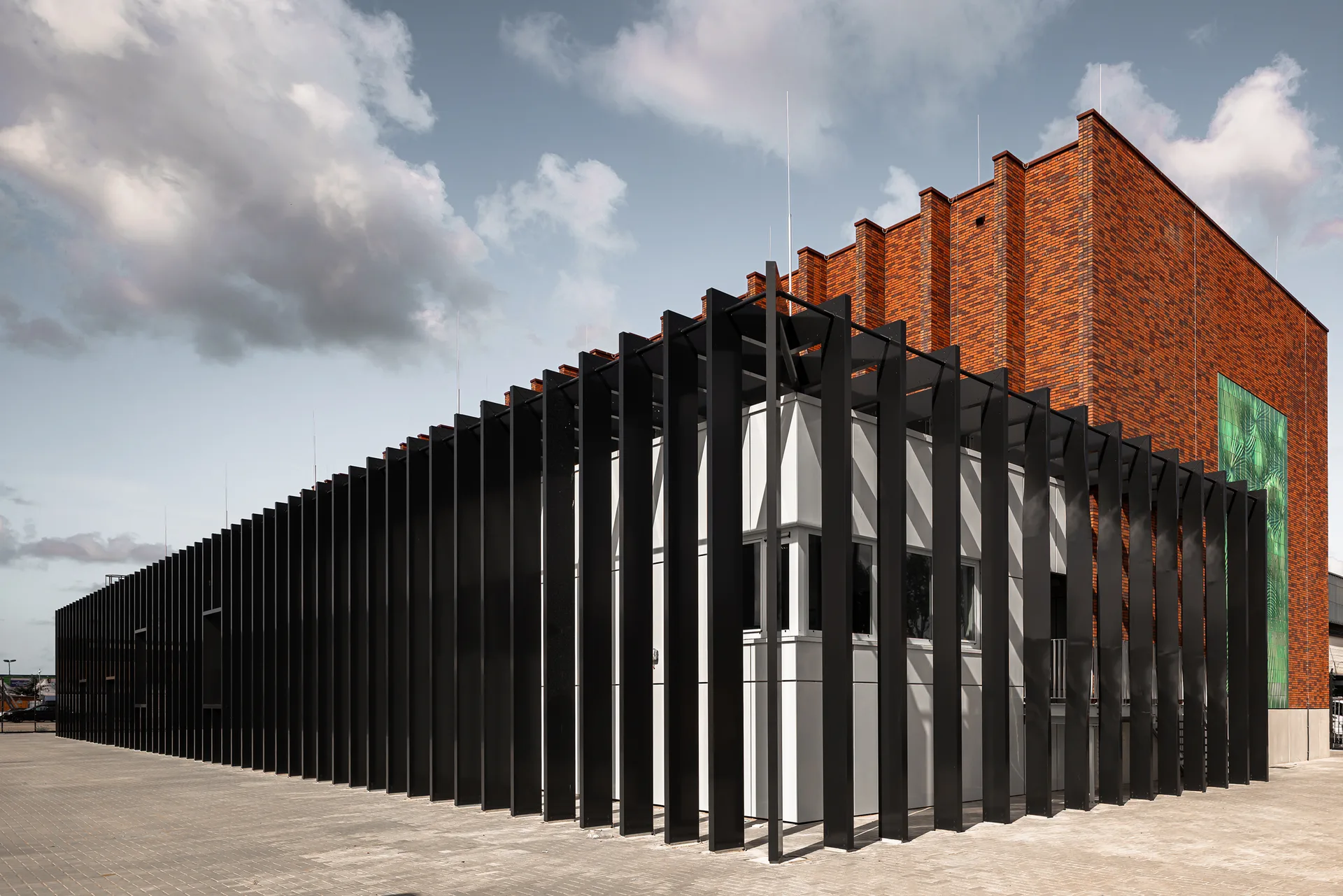
“Utility buildings are often treated as if they exist outside everyday life. In reality, people live beside them, pass them every day, and experience them as part of the city.” Paul Stavert, Partner Architect at Powerhouse Company
Powerwall: electromagnetic fields in clay
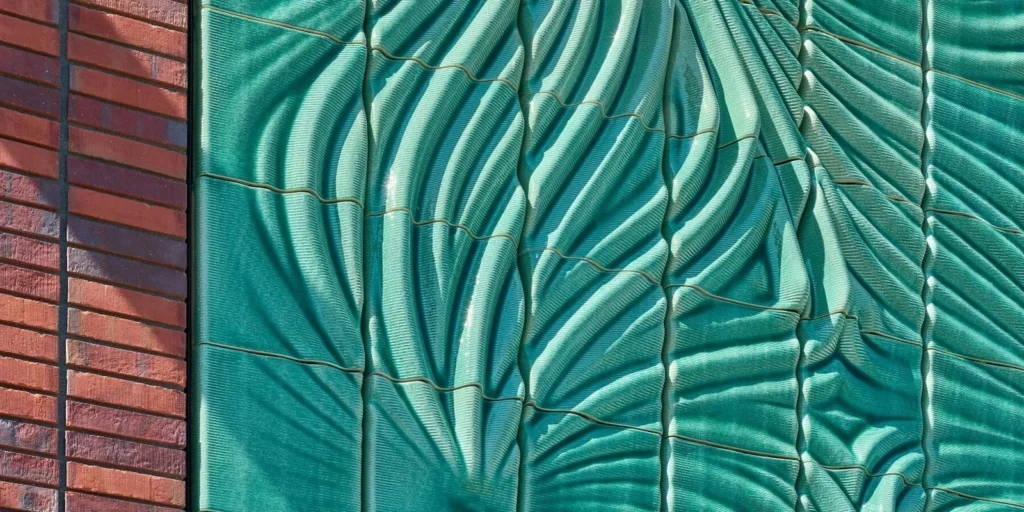
Set into the brickwork, Studio RAP’s artwork draws on the electromagnetic fields generated by the equipment inside. Their invisible movement is translated into a flowing pattern of ridges and curves that can be read from far away and studied up close. The relief measures 8 by 5 metres and is made of 322 individual tiles, each one different, which puts it among the biggest ceramic artworks ever made by robotic printing.
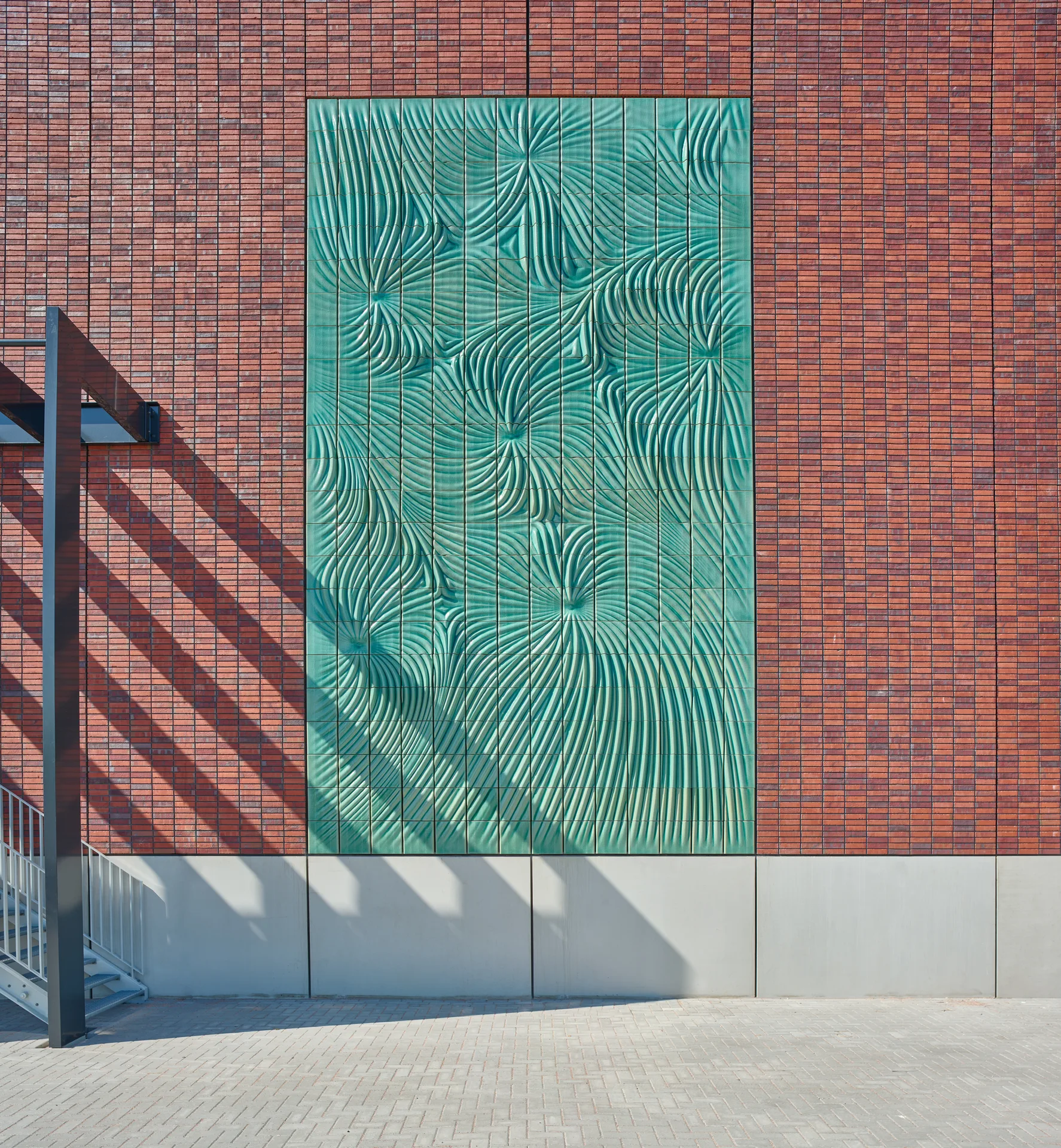
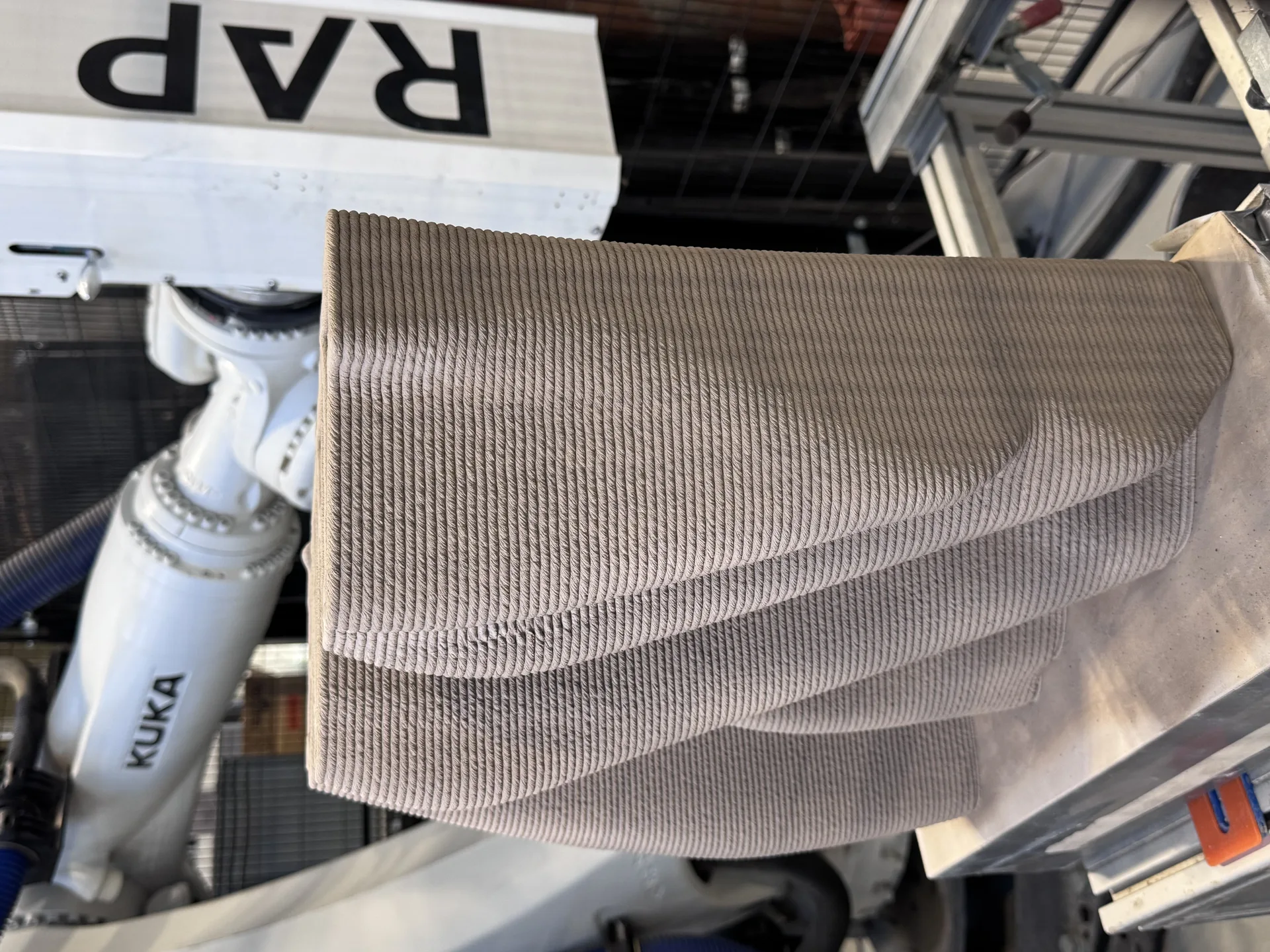
Studio RAP designed the pattern computationally and printed every tile with its own robotic clay printers in Rotterdam. The process leaves small variations in shape, texture and depth from tile to tile. After firing, a translucent turquoise glaze was applied; it collects in the grooves and hollows, so the colour deepens where the relief is deepest and changes as daylight moves across the wall.
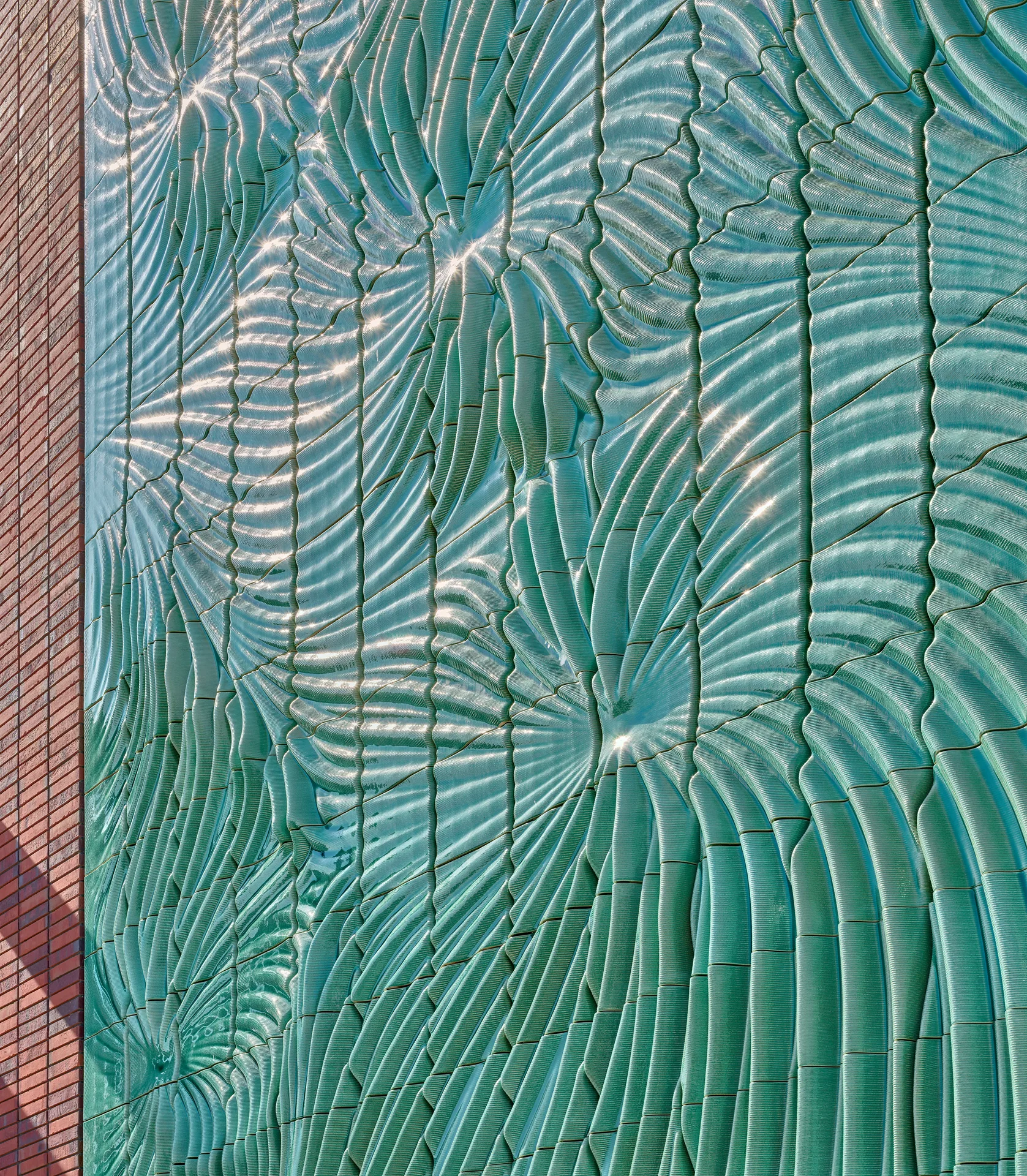
“With Powerwall, we wanted the artwork to reveal something that would otherwise remain invisible.” Lucas ter Hall, Co-Founder of Studio RAP
Infrastructure that belongs to the street
As the energy transition advances, substations and switching stations are moving into the middle of towns and neighbourhoods. Nobody visits them, yet thousands of people pass them daily. The project shows that such a building can stay secure and fully functional while also adding something to its surroundings. Construction was carried out by JP van Eesteren and Mobilis TBI.
Our earlier news story covers the artwork itself in more detail: Studio RAP clads Beverwijk substation with a 3D-printed ceramic facade. For more on how printing is changing building elements, see our overview of dynamic facade designs.

Casa Baroneza 23 by Gilda Meirelles Arquitetura
Gilda Meirelles Arquitetura sets a low country house below street level in...
illustrarch Editorial Team2 Mins read
to:en Museum by Kerimov Architects
Kerimov Architects proposes to:en, a museum for Trondheim that joins the city's...
illustrarch Editorial Team2 Mins read
Healing Tower by Tanbir Mahmud Chowdhury
A Pabna University of Science and Technology thesis by Tanbir Mahmud Chowdhury...
illustrarch Editorial Team2 Mins read
Qasr Al Hokm Metro Station by Snøhetta
Qasr Al Hokm Metro Station puts a mirrored stainless steel canopy over...
illustrarch Editorial Team3 Mins read



Leave a comment