

Creating a Cohesive Creative Workspace Through Form, Finish and Technology
A creative workspace works best as part of the home's interior: desk proportions, matching finishes, softened edges, layered lighting and hidden cables that make the space practical and calm.
 illustrarch Editorial Team21 November 20264 Mins read2
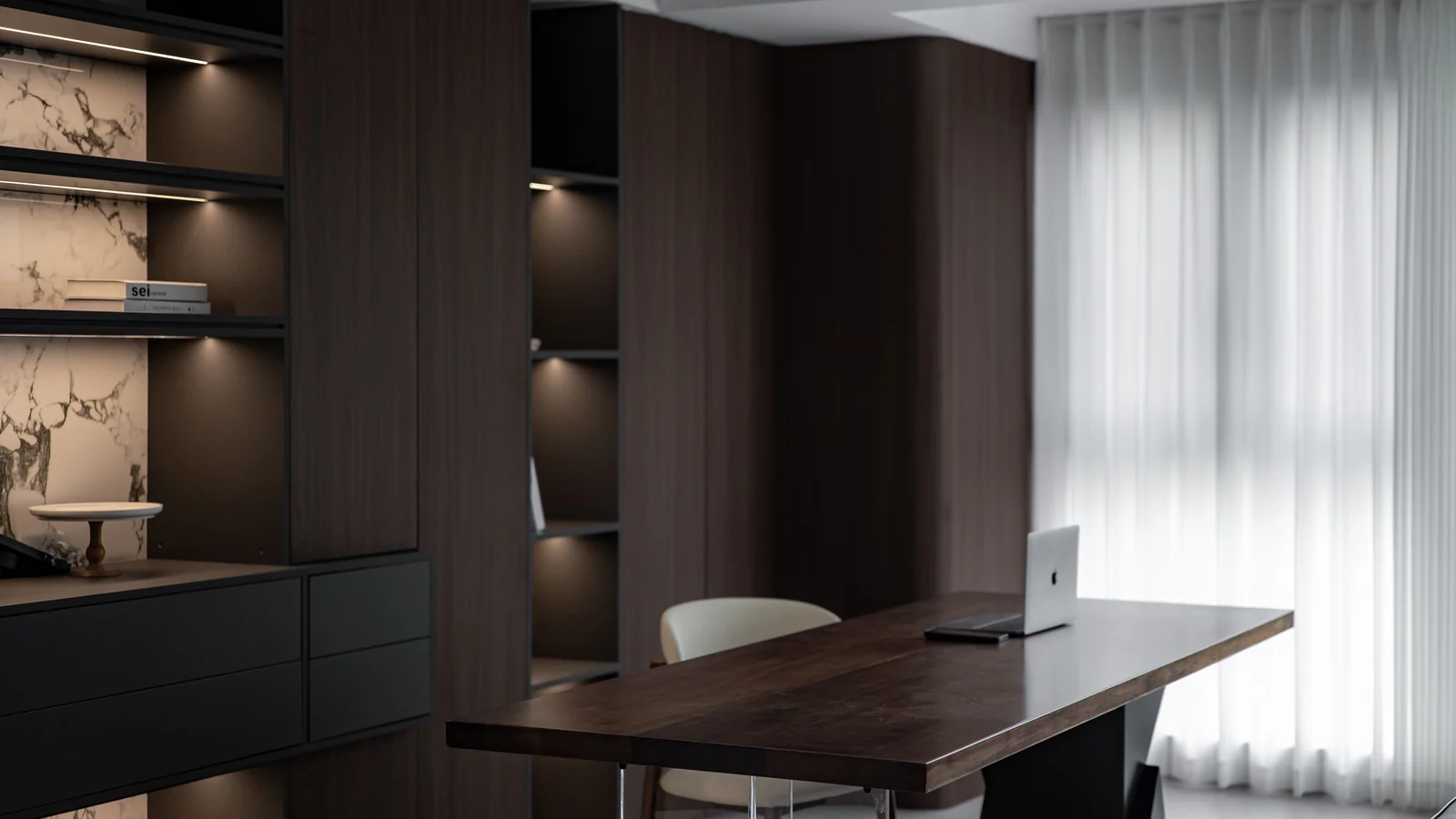
Table of Contents Show
A creative workspace should feel like a natural extension of the home rather than a separate office squeezed into an available corner. Its furniture, materials, lighting, and technology all contribute to the character of the room. When these elements are considered together, the result can be a space that supports creative work while complementing the surrounding interior.
The key is to approach the workspace as part of the overall design. Desk proportions, coordinated finishes, thoughtful lighting, and discreet technology can help create an environment that feels both practical and visually connected to the rest of the home.
Start With a Desk That Fits the Space
Usually, the desk is the central element of any workspace at home so, its size and shape deserve careful consideration. A desk that is too big can overwhelm a small room, while a desk that is too small may leave little space for working materials and equipment.
Start by measuring the available area and considering how the desk will relate to nearby furniture, windows, doors, and walkways. The aim is to create enough room for work without making the rest of the shape of the space feel cramped.
If your project involves several screens, sketchbooks, or other materials at once, an L-shaped desk may be a practical choice. It is spacious and can provide you with more working space for different activities, while its shape can help define a workspace within a larger room. However, it is important to check the dimensions and allow enough clearance around the desk before choosing one.
Choose Finishes That Connect With the Interior
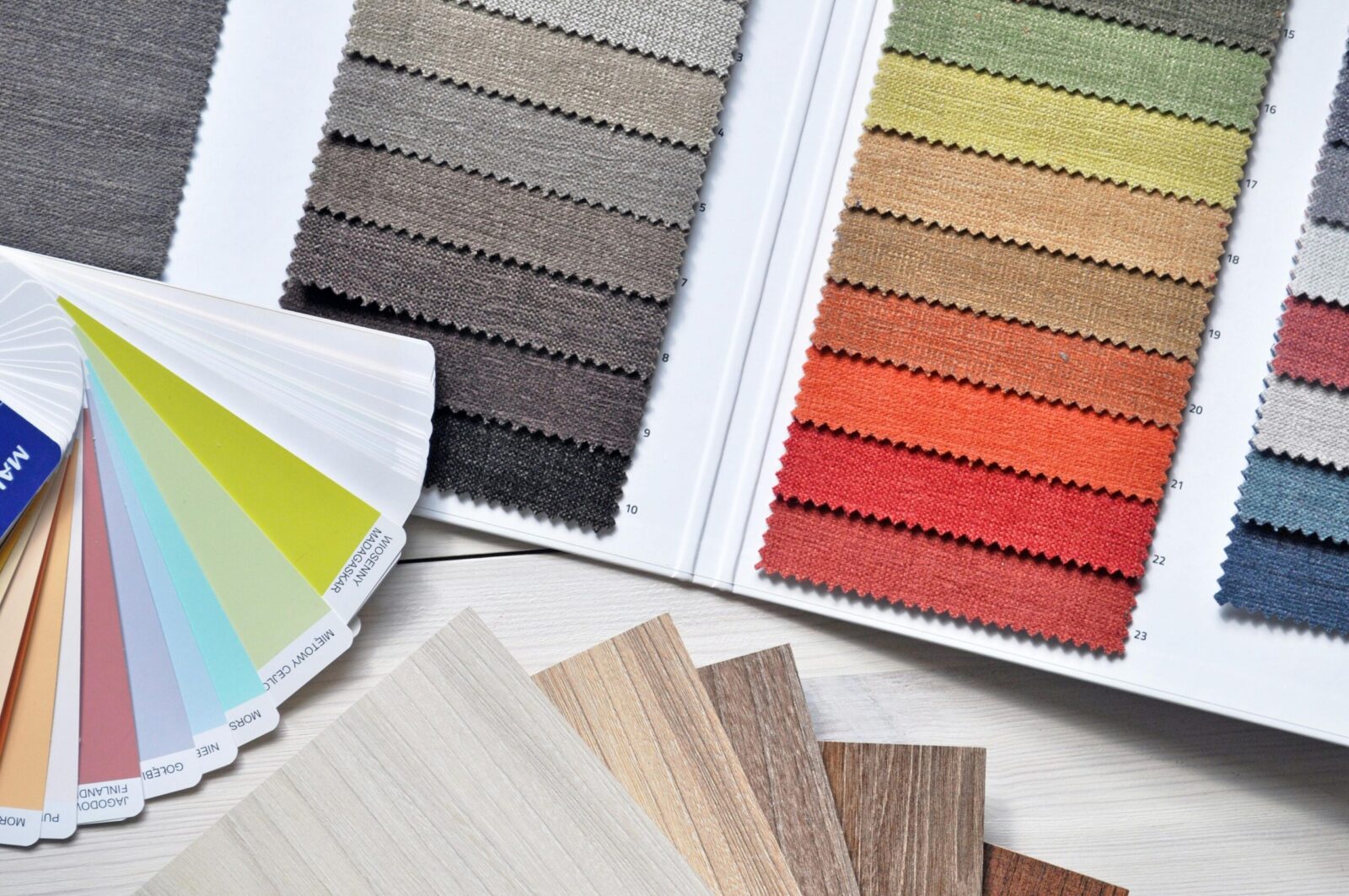
A creative workspace doesn’t have to be a drastically different environment. Repeating or complementing existing materials and colors can make the area feel intentional rather than disconnected.
For example, wood-inspired finishes can work particularly well with neutral walls, natural textiles, muted colors, and simple furniture. Wood-inspired finishes can work particularly well with neutral walls, natural textiles, muted colors, and simple furniture. You can also create visual consistency by matching the desk’s finish with nearby shelving, cabinets, flooring, or decorative details. The goal is not to make every surface identical, but to create a balanced material palette.
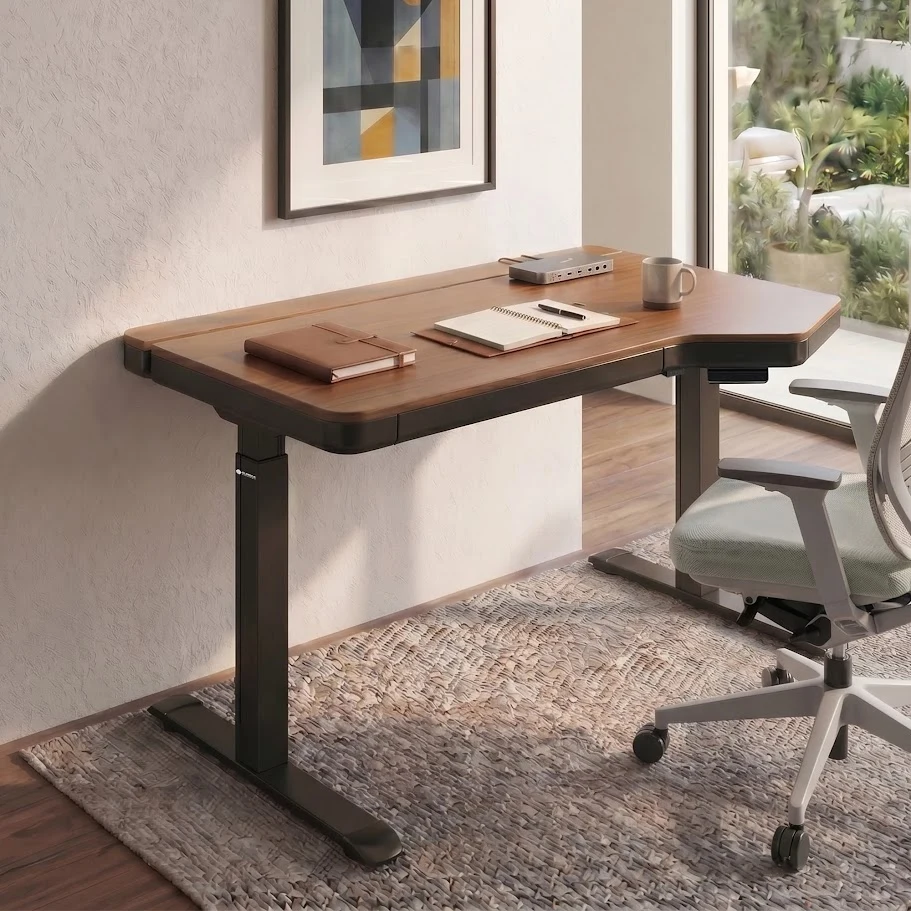
Eureka Ergonomic’s Prime standing desk offers one example of how a workspace can combine a contemporary desk design with a warmer wood-grain appearance. Its desktop is made from particleboard with a melamine finish, rather than solid wood. This distinction matters when describing the material, but the wood-inspired surface can still complement interiors that use warm tones and natural-looking finishes.
For those considering a workspace upgrade, you can check Black Friday and Cyber Monday offers that run from November 19 through December 6, 2026, with discounts on eligible products. For example, Prime is currently listed at $669, reduced from $769, representing a $100 saving.
Pay Attention to Shape and Edge Details
Sometimes, it is the small details that allow a piece of furniture to shine. The shape of the desktop, the treatment of its edges, and the way its surface meets all affect its visual character. These details may seem minor when considered individually, but they contribute to the overall composition.
For example, beveled edges can give a desktop a more defined profile and soften the transition between its surface and sides. On an L-shaped desk, the edge treatment helps give the large work surface a considered appearance rather than leaving it looking like a bulky slab of furniture.
Prime combines a beveled L-shaped desktop with a wood-grain finish. This illustrates how the outline and detailing of a desk can contribute to the room’s design, while providing a substantial surface for creative projects. When selecting other furniture, consider how its shapes and proportions relate to these details so the room feels coordinated.
Use Lighting to Shape the Atmosphere
Lighting affects both the appearance and practical use of a creative workspace. Natural daylight can make a room feel more open, while a suitable desk lamp provides focused illumination for tasks such as reading, drawing, and writing.
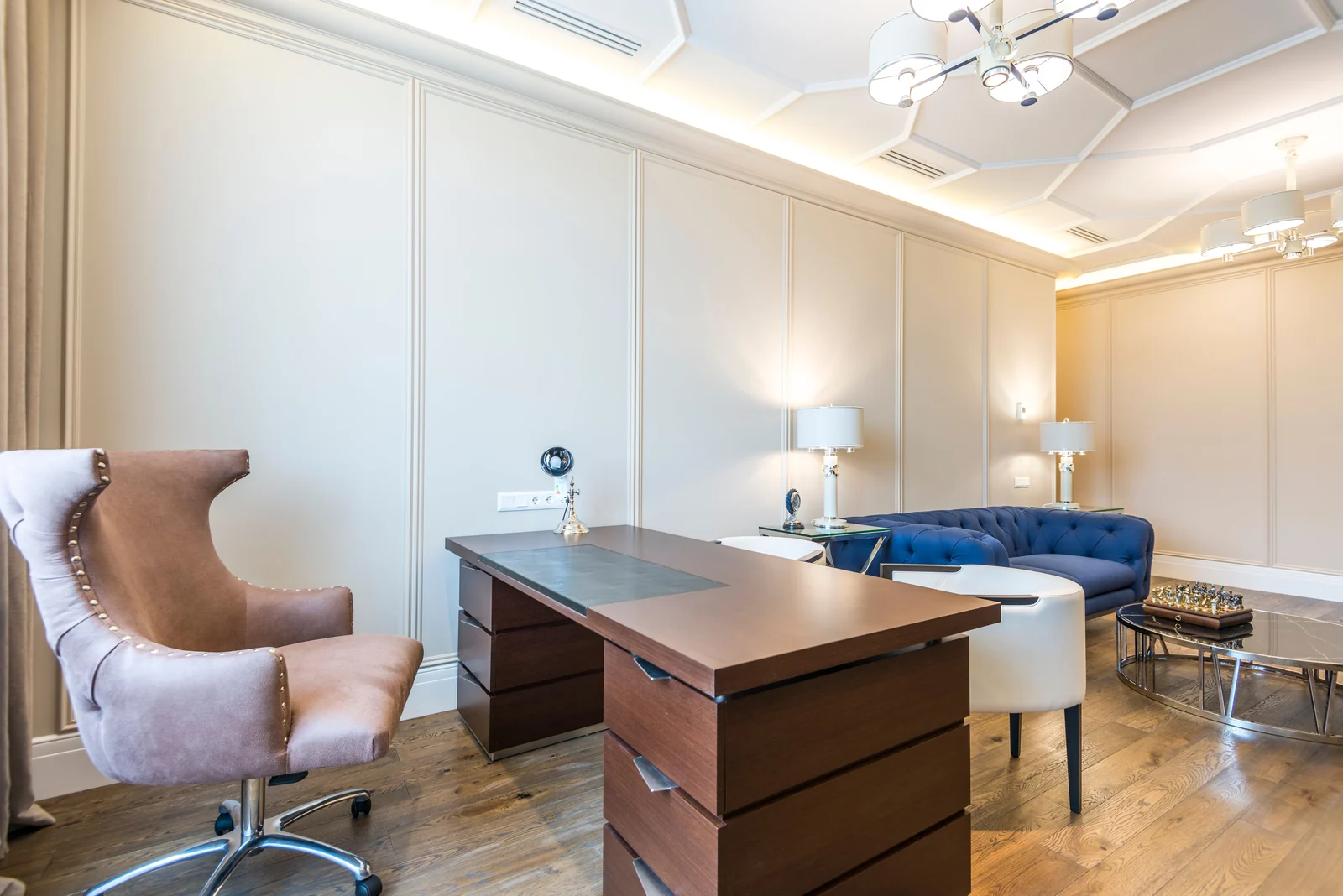
If possible, position the desk near a window, taking care to avoid glare on screens. Then build on the natural light with a combination of tasks lighting and softer ambient illumination. This layered approach helps the workspace feel connected to the wider room instead of relying on a single, harsh light source.
Integrated lighting can also contribute to the visual atmosphere. Prime includes RGB lighting within its design, offering adjustable colors and brightness settings. Used thoughtfully, this can add an accent to the workplace without making it the dominant feature of the room. It should complement, rather than replace, the lighting needed for everyday tasks.
Include Technology in the Design
Computers, monitors, phones, chargers, and cables are part of many creative workspaces. However, when they are added without considering their placement, they can disrupt an otherwise well-organized interior.
Plan the technology layout alongside the furniture. Decide where screens will sit, how devices will be charged, and which cables need to remain accessible. Keeping frequently used equipment within reach while limiting visible wiring can help preserve a clear and orderly desktop.
Features such as wireless charging and flip-top cable storage can support this approach. Prime incorporates both, allowing compatible devices to charge on the desk and giving cables and power supplies a designated storage area. Its sit-stand adjustment also adds flexibility to the workstation without requiring a separate piece of furniture. These practical elements support the overall design rather than becoming the main focus of it.
Endnote
A cohesive creative workspace comes from making considered choices about the room as a whole. Start with a desk that suits the available space, select finishes that complement the existing interior, and pay attention to the details that influence its shape and appearance. Lighting and technology should then support the arrangement without competing with it.
Ultimately, the most successful workspace is one that feels at home in its surroundings. By balancing form, finish, lighting, and technology, you can create an area that supports creative work while remaining part of a well-considered interior.




Interior Design for Commercial Spaces: Enhancing Functionality and Brand Identity
Commercial interior design has to serve brand, function and regulation at once....
 Begum Gumusel4 Mins read

Why Future-Proofing Matters in Commercial Office Fitouts
Future-proofing in commercial office fitouts involves designing flexible spaces that can adapt...
 Bahattin Duran3 Mins read

Popular Ideas for Office Building Entrances
Unique architectural features can improve an office entrance. Think about elements like...
Bahattin Duran3 Mins read

Design Ideas for Large Office Lobbies
Large office lobbies can be enhanced through bold furniture choices, art displays,...
Bahattin Duran3 Mins read



Leave a comment