

The Wrong Architect Could Cost You: Preserving Historic Commercial Spaces
Preserving historic commercial spaces requires specialized conservation architects who balance modern needs with the unique character and regulatory demands of older.
 Begum Gumusel11 October 20253 Mins read198

Table of Contents Show
In the commercial property world, “old” is often mistakenly equated with “obsolete.” This represents a fundamental misreading of value. A historic building possesses something no new construction can buy: authentic character. This character directly translates into market differentiation, tenant appeal, and often, a compelling narrative for customers. However, adapting such a space for modern business isn’t a simple renovation. It’s a delicate act of preservation that demands a very specific kind of architectural expertise. The wrong approach can erase the very charm you’re trying to leverage.
The Specialist You Actually Need
A standard commercial architect is trained to maximize efficiency, square footage, and often, to impose a new corporate identity onto a space. For a historic property, this philosophy is inherently destructive. Your project requires a professional who views existing fabric not as a constraint, but as the primary asset. This is the precise role of commercial conservation architects. These specialists are not mere designers; they are building pathologists, material scientists, and regulatory navigators who understand how to make an old structure work for a contemporary business without sacrificing its soul.
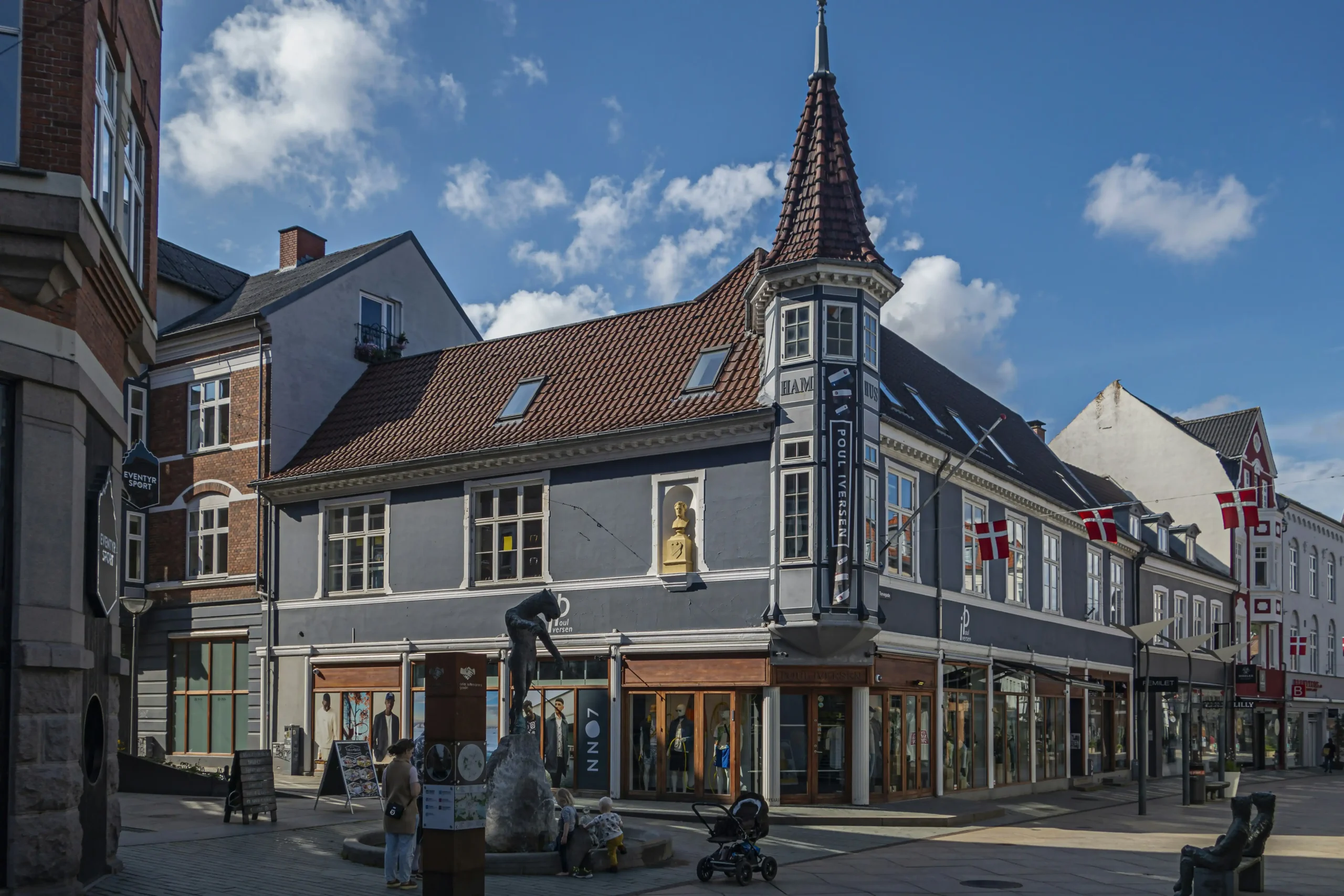
Navigating the Regulatory Minefield
Altering a historic commercial building, whether a Listed structure or simply within a Conservation Area, introduces a complex layer of legal and planning challenges. Local planning authorities and national heritage bodies have a vested interest in preserving significant details. A general practitioner might see a beautiful, open-plan floor; a conservation officer sees a historically significant partition wall that cannot be removed. A conservation architect is fluent in this language of compromise and justification, crafting proposals that meet modern commercial needs while satisfying stringent preservation criteria.
The Material Witness
Historic buildings were constructed with materials and techniques that behave differently from modern industrial products. Their walls are often designed to “breathe,” managing moisture through lime-based plasters and mortars. Sealing them with cement renders or impermeable insulation can trap dampness, leading to catastrophic decay of structural timbers and masonry. A conservation architect specifies compatible, breathable materials and details construction sequences that protect the building’s long-term health, ensuring your investment doesn’t lead to a rotting asset.
Engineering the Invisible Upgrade
Integrating 21st-century services into a centuries-old shell is perhaps the greatest technical challenge. Demanding modern HVAC systems, robust data infrastructure, and complex plumbing require careful routing. A conservation architect approaches this like a surgeon, designing pathways that minimize impact on historic fabric. They might use underfloor voids, discreetly enlarged chimney breasts, or specially designed coving to conceal services, ensuring the historic aesthetic remains uncompromised while delivering the performance a modern business requires.
The Value of a Forensic Audit
Before a single design is sketched, a conservation architect conducts a forensic investigation of the building. They will identify which elements are original, which are later additions, and which are structurally critical. This audit reveals the building’s true story and its potential liabilities. It can uncover hidden features worth preserving and diagnose the root cause of existing problems like subsidence or dampness. This knowledge transforms the project from a gamble into a strategically managed investment.
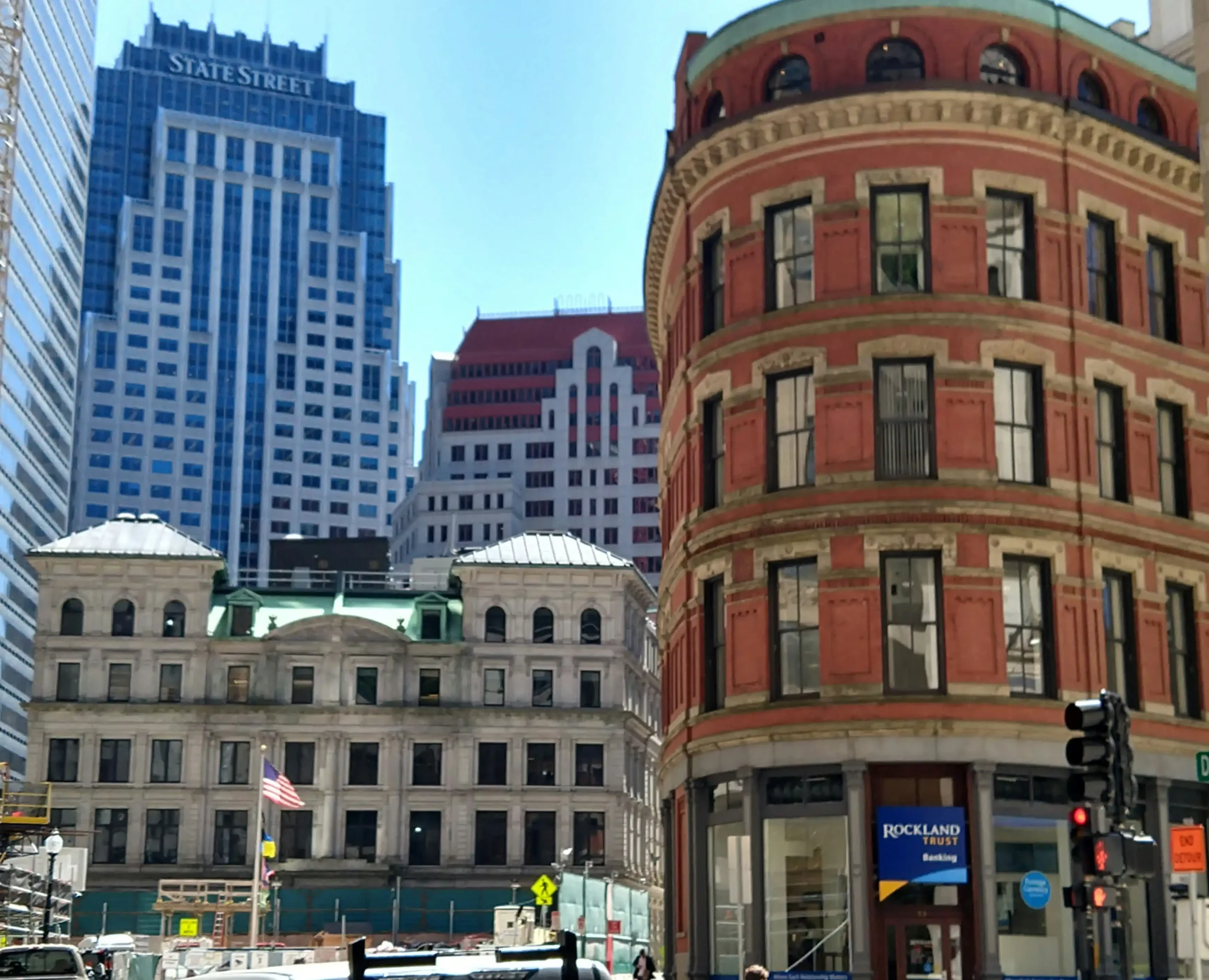
Balancing Authenticity with Accessibility
Commercial spaces must be accessible, safe, and compliant with modern building codes. Introducing a lift, fire suppression systems, and accessible toilets into a historic structure seems like an insurmountable conflict. A skilled conservation architect finds elegant solutions. A lift shaft might be tucked into a secondary courtyard. Fire compartments can be created using historically sensitive materials. They navigate the tension between preservation and regulation, ensuring the building is not just preserved, but also usable and viable for the long term.
The Business Case for Stewardship
Ultimately, hiring a conservation architect is a sound commercial decision, not just a philanthropic one. They protect the “character premium” that attracts premium tenants and customers. Their work ensures that the building’s story, a powerful marketing tool, remains intact. By extending the building’s lifespan with sympathetic repairs, they also future-proof your asset against the costly, reactive maintenance that results from inappropriate interventions. In a market saturated with generic glass boxes, a thoughtfully preserved historic space is a landmark, and landmarks command attention, tenancy, and value.






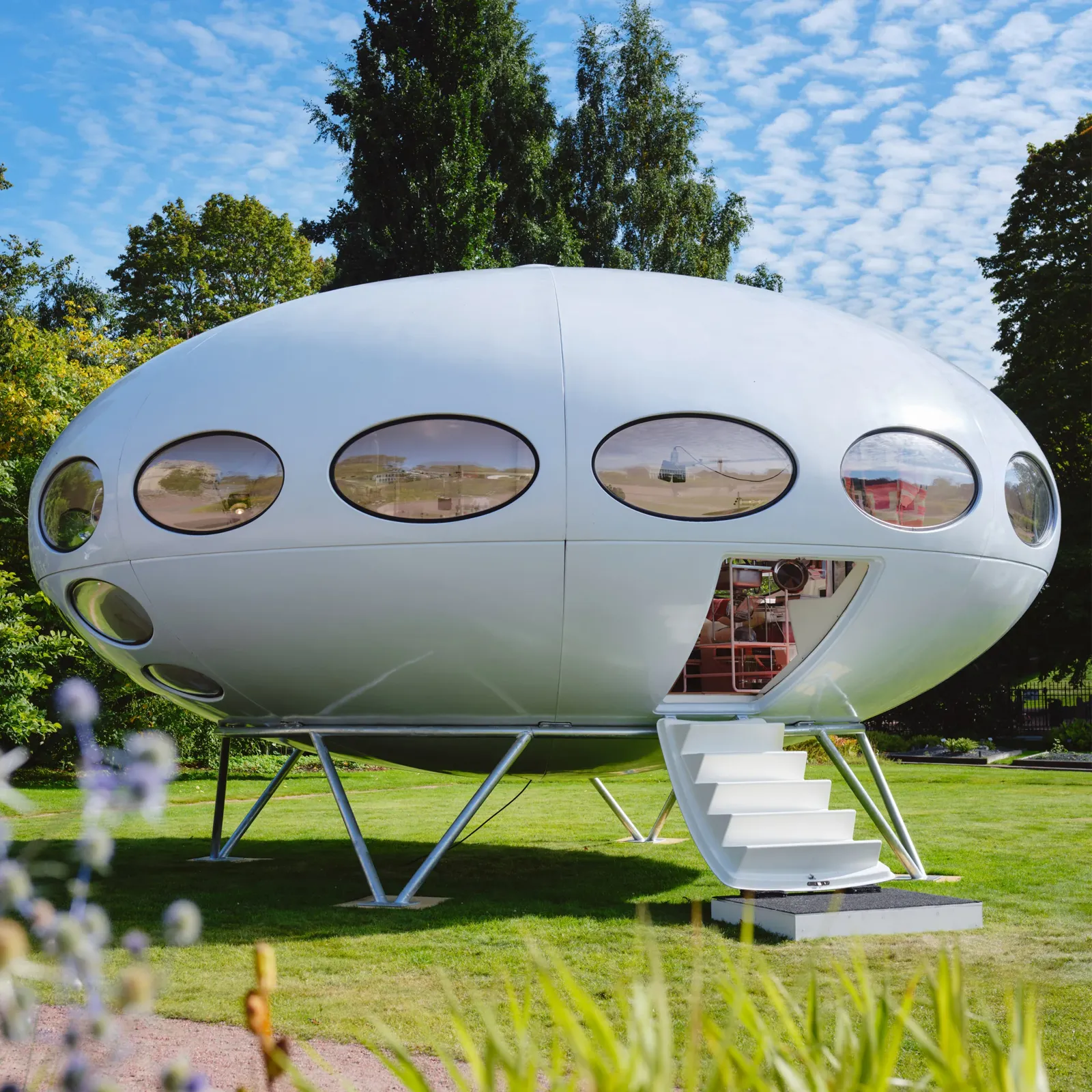
Futuro House Production Revived in Finland After Decades-Long Hiatus
A Facebook listing for abandoned moulds led to the first new Futuro...
 illustrarch Editoral Team3 Mins read
Building Your Dream Home in NSW: What You Should Know About Montgomery Homes
Montgomery Homes has been building across Sydney, Newcastle, the Hunter, Wollongong and...
illustrarch Editoral Team4 Mins read

Designing a Home Theater: Where Drapery Fits Into the Plan
In a media room the curtains are a performance layer, not decoration....
illustrarch Editoral Team3 Mins read
Oscar Niemeyer’s Cathedral of Brasília: The Hyperboloid Concrete Hymn
The Cathedral of Brasília reads as a single gesture, yet it stood...
 Furkan Sen7 Mins read


Leave a comment