
Infrastructure in a Time of Flux: Methods, Conditions, and Situations, Symposium
A symposium tied to the exhibition on infrastructure and flux, covering methods, conditions, situations, and a Kumbh Mela case study at Harvard.
 illustrarch Editorial Team7 October 20261 Mins read52
This symposium accompanies the exhibition Infrastructure in a Time of Flux: Methods, Conditions, and Situations, curated by Rahul Mehrotra and Dan Borelli, which looks at how architecture, engineering, urban design, and planning respond to a world shaped by environmental disruption, political instability, technological change, migration, and shifting patterns of habitation.
The program gathers designers, architects, humanitarian workers, and historians to discuss the exhibition’s three themes plus a dedicated case study.
Themes
- Methods: A panel on historic and current lightweight construction techniques, suspended, pneumatic, tensile, tensegrity, deployable, gridshell, folded, scaffolding, and spaceframe systems. Drawn from different eras and fields, these methods rely on tension, air pressure, geometry, movement, modularity, and coordinated assembly to enclose large spaces using minimal material.
- Conditions: Urbanists, economists, and political scientists discuss the larger forces reshaping settlements, forces that go beyond individual buildings to transform landscapes, redistribute resources, drive migration, and determine where and how people can live.
- Situations: Designers and researchers share present-day examples and speculative proposals for structures addressing urgent human needs, arising from necessity, ritual, labor, exchange, displacement, conflict, celebration, and collective action.
Case Study: Kumbh Mela
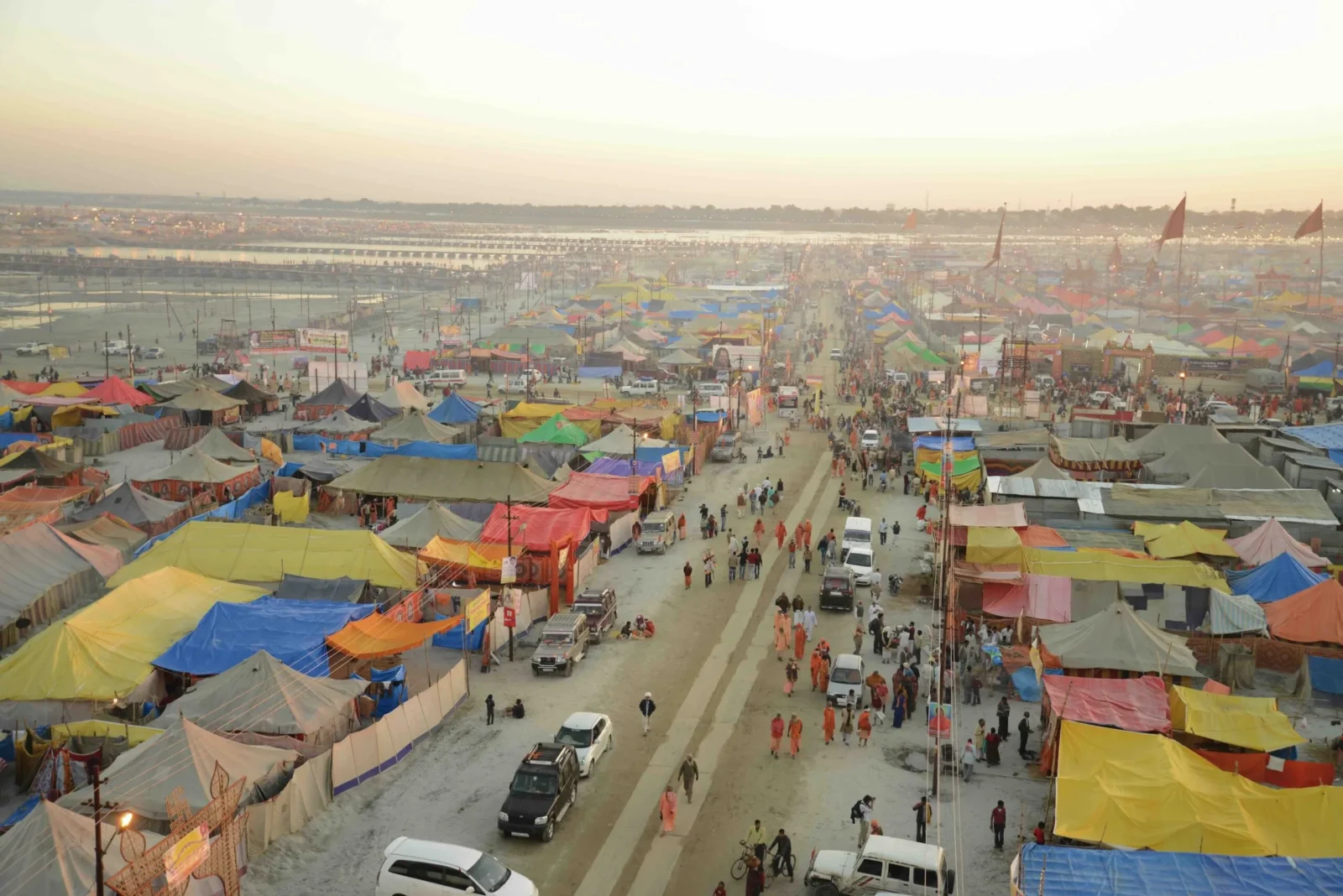
Religious pilgrimages give rise to temporary sacred cities. Drawing on research from several Harvard schools, this interdisciplinary discussion examines the Kumbh Mela, one of the largest gatherings in the world, and the roads, tents, sanitation systems, ceremonial routes, and public services that sustain it. This session is organized by the Lakshmi Mittal and Family South Asia Institute at Harvard University.
Keynote and Speakers
The keynote is given by Alessandro Petti, who codirects the practice DAAR with Sandi Hilal and is professor of architecture and social justice at the Royal Institute of Art in Stockholm.
- Kumbh Mela: Rahul Mehrotra, Tarun Khanna, Satchit Balsari, John Macomber, Namita Dharia and Diana Eck.
- Methods: Chip Lord (Ant Farm), Isabella Inti (Temporiuso.net) and Kelsey Nocket, moderated by Dan Borelli.
- Conditions: Felipe Vera (Inter-American Development Bank), Satchit Balsari and Amy Whitesides, moderated by Kelsey Nocket.
- Situations: Malkit Shoshan (FAST), Mojtaba Nabavi (Safdie Architects), José Mayoral (PRÁCTICA), Jeannette Sordi and Nusrat Jahan Mim, moderated by Felipe Vera.
The symposium is supported by the Koji Yanai Innovative Infrastructure Initiative Fund, in partnership with the Lakshmi Mittal and Family South Asia Institute at Harvard University.


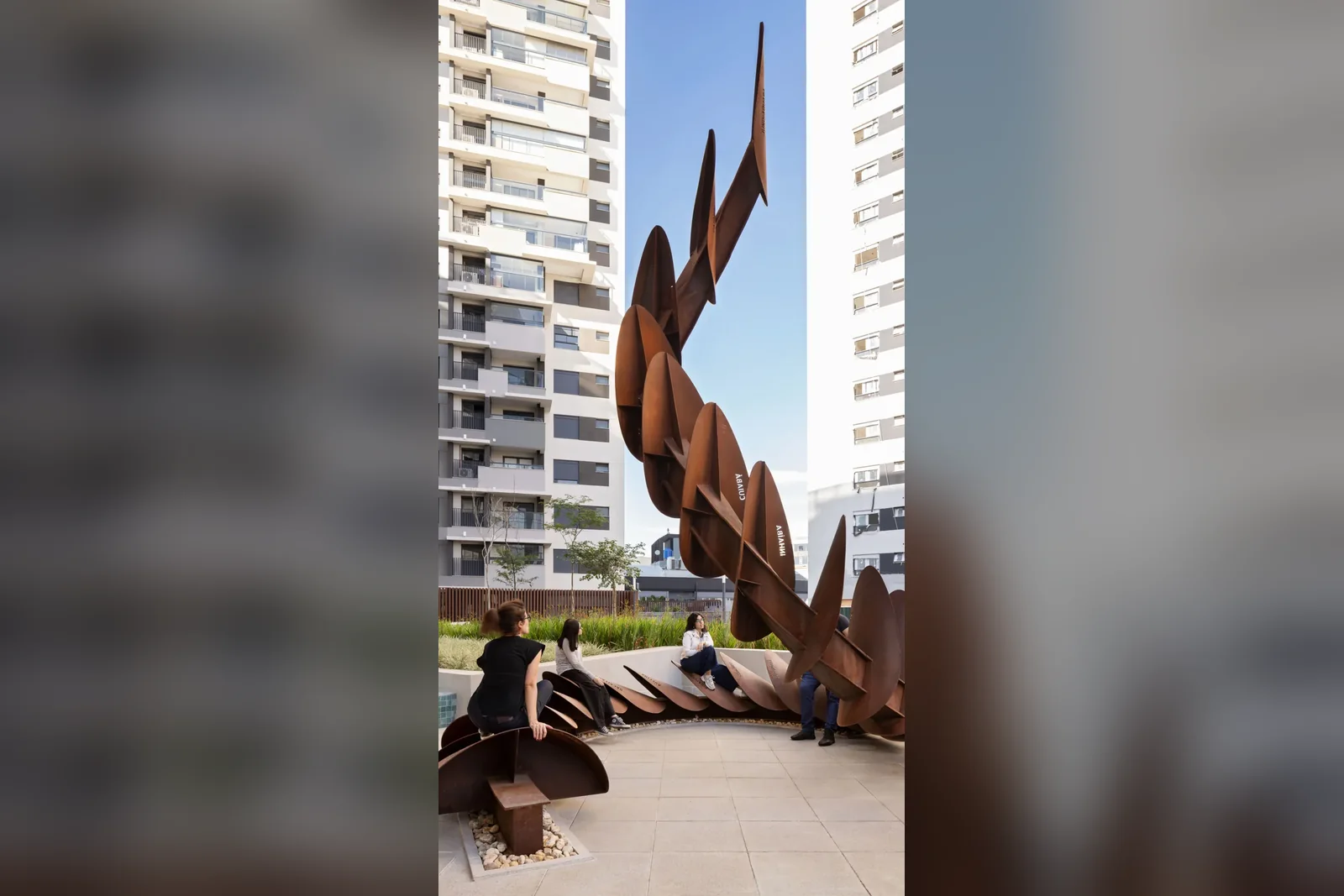
Encontros Sculpture by Estudio Guto Requena
Encontros Sculpture by Estudio Guto Requena is a spiralling weathering steel artwork...
illustrarch Editorial Team3 Mins read

How Fault Is Proven After a Serious Commercial Truck Accident
Proving fault after a serious commercial truck accident means connecting crash records,...
illustrarch Editorial Team3 Mins read
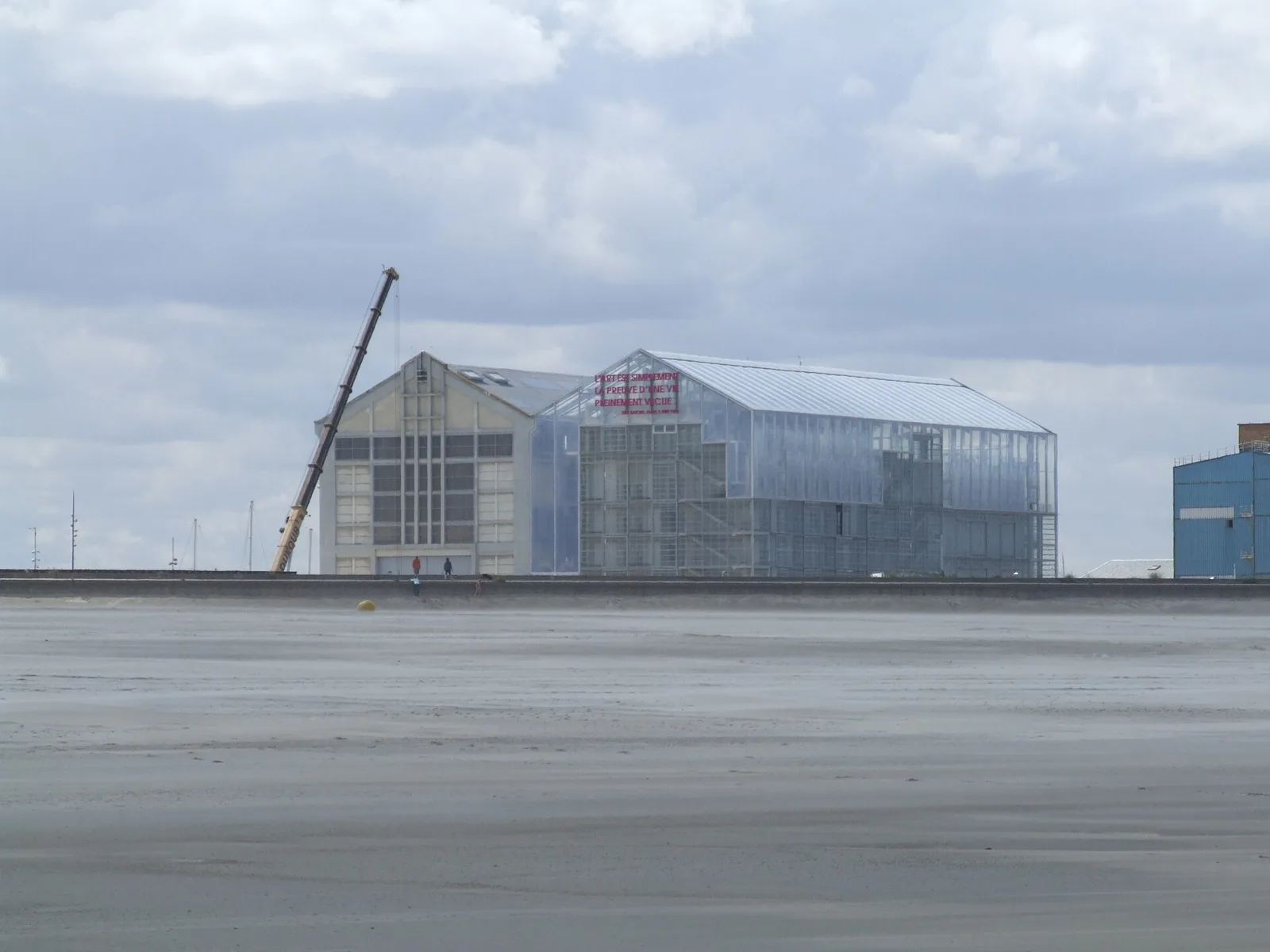
Lacaton & Vassal: Never Demolish and the Architecture of Transformation
Anne Lacaton and Jean-Philippe Vassal won the 2021 Pritzker Prize by refusing...
illustrarch Editorial Team9 Mins read

Doric Architecture: The Doric Order Explained
Doric architecture is the oldest of the three classical Greek orders: sturdy...
illustrarch Editorial Team8 Mins read