

How Fault Is Proven After a Serious Commercial Truck Accident
Proving fault after a serious commercial truck accident means connecting crash records, driver logs, truck inspections, employer practices and medical evidence into one clear timeline.
 illustrarch Editorial Team19 November 20263 Mins read1

Table of Contents Show
Commercial trucks operating around the Bronx share major roads with passenger vehicles, delivery vans, and other road users. When a heavy vehicle causes a serious collision, determining what happened can require a detailed examination of the driver’s actions and the company’s operating practices. The National Safety Council reported that 5,218 large trucks were involved in fatal crashes across the United States in 2024. This represented a 30% increase over the number recorded a decade earlier. The figures underline the importance of examining commercial vehicle safety and the circumstances surrounding serious collisions.




Establishing fault may involve reviewing driver logs, maintenance records, vehicle inspection reports, electronic data, and evidence of regulatory violations. A trucking company may also face scrutiny if inadequate training, negligent hiring, or unrealistic delivery schedules contributed to the crash. For injured motorists seeking Bronx truck accident legal representation, understanding how these different sources of evidence fit together can be important when identifying responsible parties and evaluating a potential claim.
Start With the Crash Record
The initial record establishes where the collision occurred, which vehicles were involved, traffic conditions, visible damage, and reported injuries. Police reports, photographs, witness accounts, and roadway footage can expose differences between a driver’s version and the physical evidence. When you seek truck accident legal representation, the review should also identify records that need prompt preservation, including vehicle data, dispatch communications, inspection documents, and driver logs.
Connect Conduct to the Collision
Fault requires more than proving that a commercial truck was involved. The evidence must show how a driver’s action or omission caused the crash. Examples include following too closely, speeding for conditions, unsafe lane changes, distracted driving, impaired driving, or failing to yield.
Skid marks, crush patterns, debris locations, traffic signals, and witness statements can help reconstruct the sequence. A consistent timeline links the driver’s conduct to the impact instead of relying on suspicion.
Examine the Driver’s Work Records
Commercial driving records can reveal fatigue, scheduling pressure, training gaps, or repeated safety concerns. Investigators can compare the driver’s logs with fuel purchases, delivery timestamps, toll records, dispatch messages, and other time-stamped information.
A mismatch does not automatically prove fault, but it raises questions about whether the driver had enough rest or faced an unrealistic schedule. Prior warnings, disciplinary records, and training files can also show what the employer knew before the collision.
Inspect the Truck and Trailer
Mechanical failure can shift attention from driver conduct to maintenance, loading, or inspection practices. Investigators examine brakes, tires, steering components, lights, coupling equipment, and cargo securement. They also review inspection reports and repair invoices.
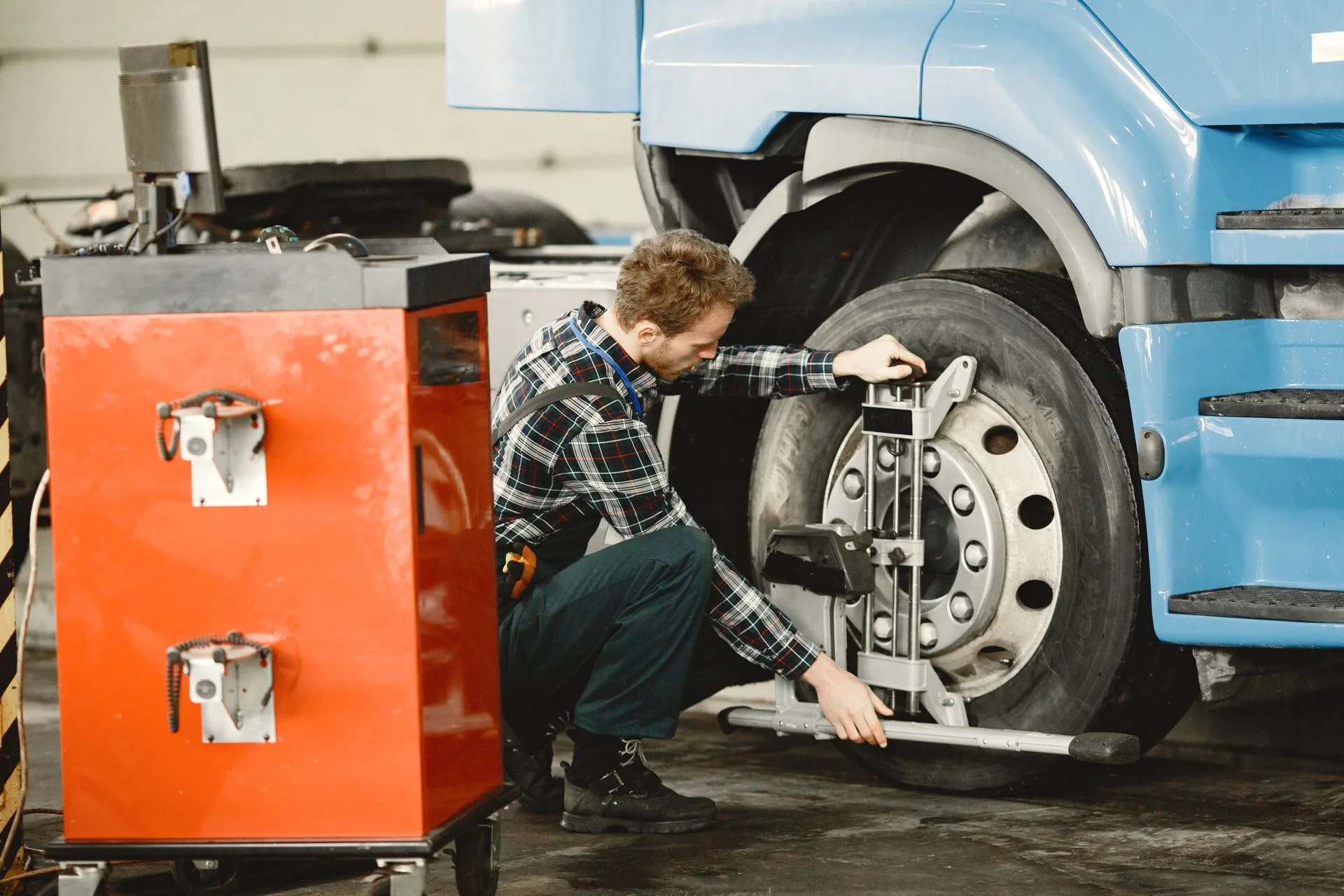
A loaded trailer creates separate issues if cargo moved, fell, or changed the vehicle’s handling. Preserving the truck matters because repairs, salvage, or continued use can alter its condition after the crash.
Trace Employer Responsibility
A trucking company can face responsibility for its own decisions or for conduct connected to an employee’s work. The evidence can include hiring qualifications, license checks, safety training, supervision, maintenance policies, and dispatch instructions.
The company also might dispute whether the driver was acting within job duties. Delivery routes, assignments, time records, and communications can help establish that connection. Identifying every responsible party matters because different insurance policies and defenses can affect the claim.
Use Medical Records to Prove Harm
Medical evidence links the collision to its physical consequences. Emergency records, imaging, surgical notes, therapy records, and specialist opinions can show the nature of an injury and the treatment it requires.

The timeline matters. Delayed treatment gives insurers an argument that symptoms came from another cause, although delays can result from transportation problems, work demands, or unfamiliar symptoms. Follow-up care and consistent reporting help explain how the injury developed after the crash.
Document Financial and Daily Losses
A serious injury claim also requires proof of what the collision changed. Keep wage records, work restrictions, medical bills, transportation costs, prescription receipts, and documents showing missed employment. A written account of household tasks, recreation, sleep, and personal care can preserve details that formal records do not capture.
Family observations and testimony from coworkers can support claims involving reduced function or permanent limitations. This evidence carries more weight when it describes specific examples instead of stating broadly that life became difficult.
Expect Disputes Over Shared Fault
Truck accident cases often involve competing explanations. The driver might blame weather, a blind spot, another vehicle, or road conditions. An insurer might question the severity of an injury or argue that another person caused part of the loss.
You can strengthen the factual record by keeping original photographs, avoiding speculation in statements, following medical instructions, and recording each request for information. New York rules concerning comparative fault and available damages depend on the facts, so review the evidence before making a settlement decision.
Conclusion
Fault is proven through connected evidence, not one document. The strongest case usually combines collision reconstruction, driver and employer records, vehicle inspection, medical proof, and clear documentation of daily losses. After a serious crash, preserve photographs and records, avoid guessing about the cause, and obtain a prompt review before repairs, memories, or company files change.








Interior Design for Commercial Spaces: Enhancing Functionality and Brand Identity
Commercial interior design has to serve brand, function and regulation at once....
 Begum Gumusel4 Mins read

Futuro House Production Revived in Finland After Decades-Long Hiatus
A Facebook listing for abandoned moulds led to the first new Futuro...
illustrarch Editorial Team3 Mins read
Building Your Dream Home in NSW: What You Should Know About Montgomery Homes
Montgomery Homes has been building across Sydney, Newcastle, the Hunter, Wollongong and...
illustrarch Editorial Team4 Mins read

Designing a Home Theater: Where Drapery Fits Into the Plan
In a media room the curtains are a performance layer, not decoration....
illustrarch Editorial Team3 Mins read





Leave a comment