

Aalto Works on the UNESCO World Heritage List
Aalto Works joined the UNESCO World Heritage List in July 2026 as a serial property of 13 Finnish sites. A look at what was inscribed, why criterion (ii) matters, which famous Aalto buildings were left out and what protection status the listing adds
 Elif Ayse Sen17 August 20269 Mins read148
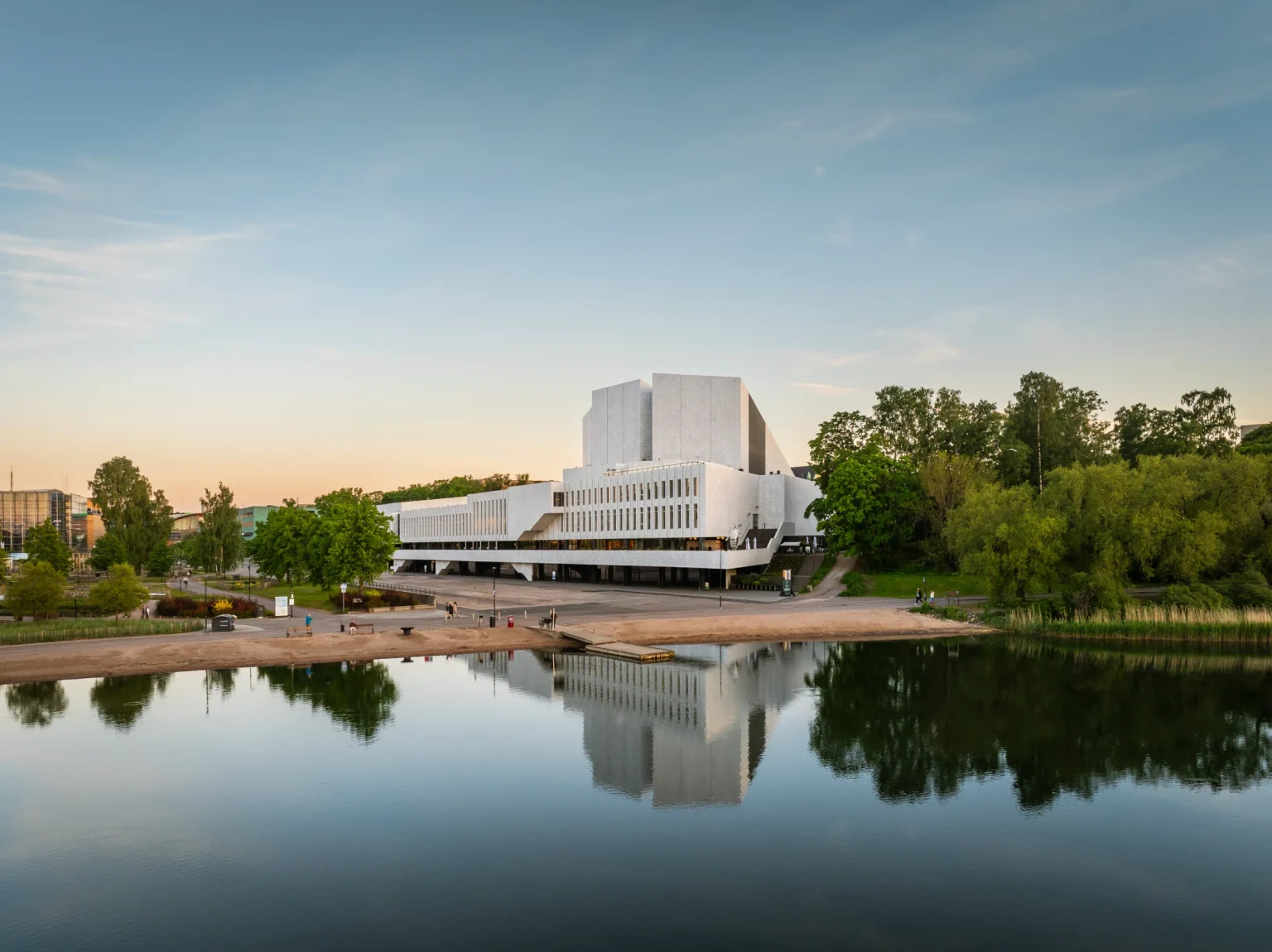
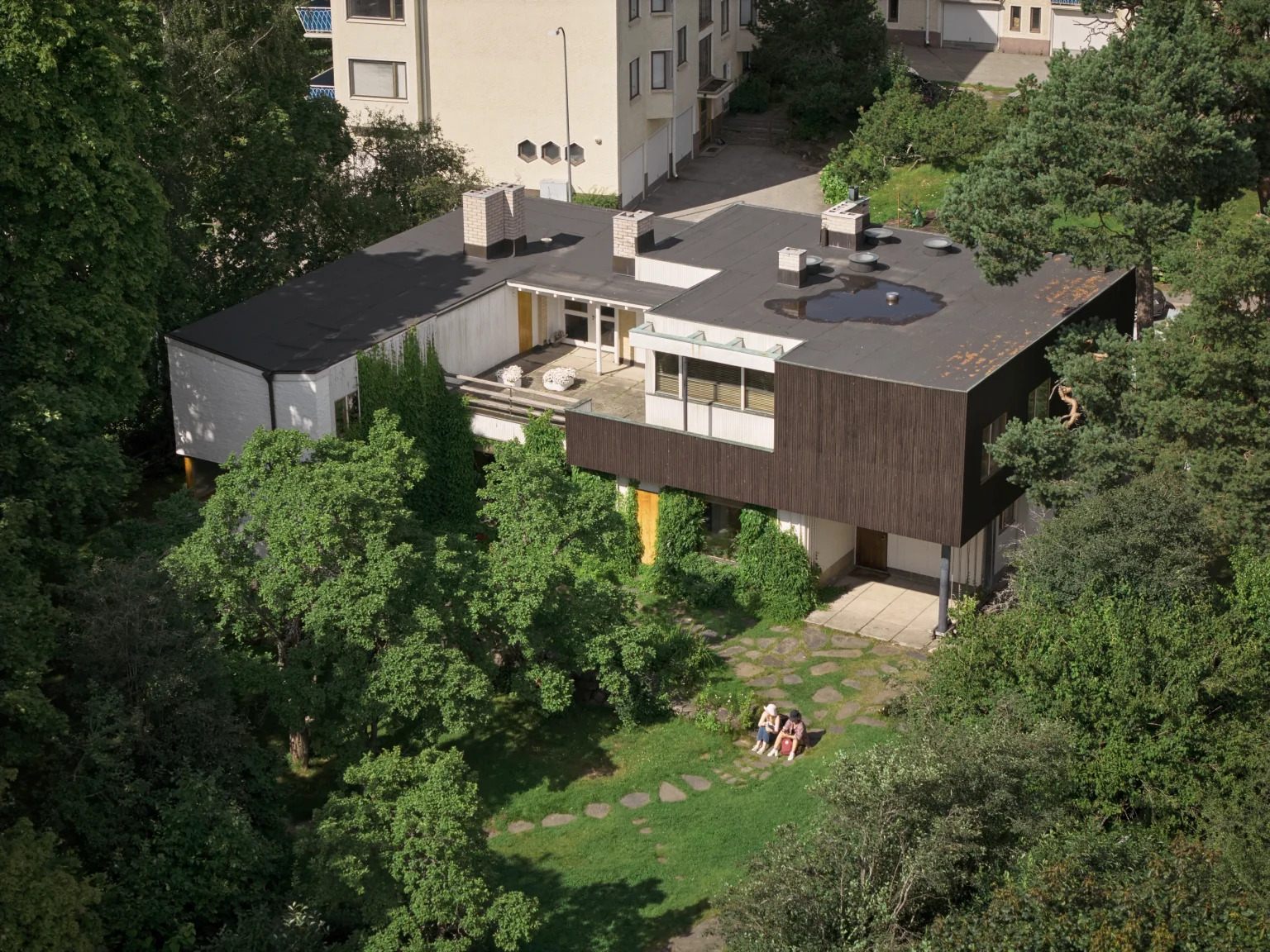


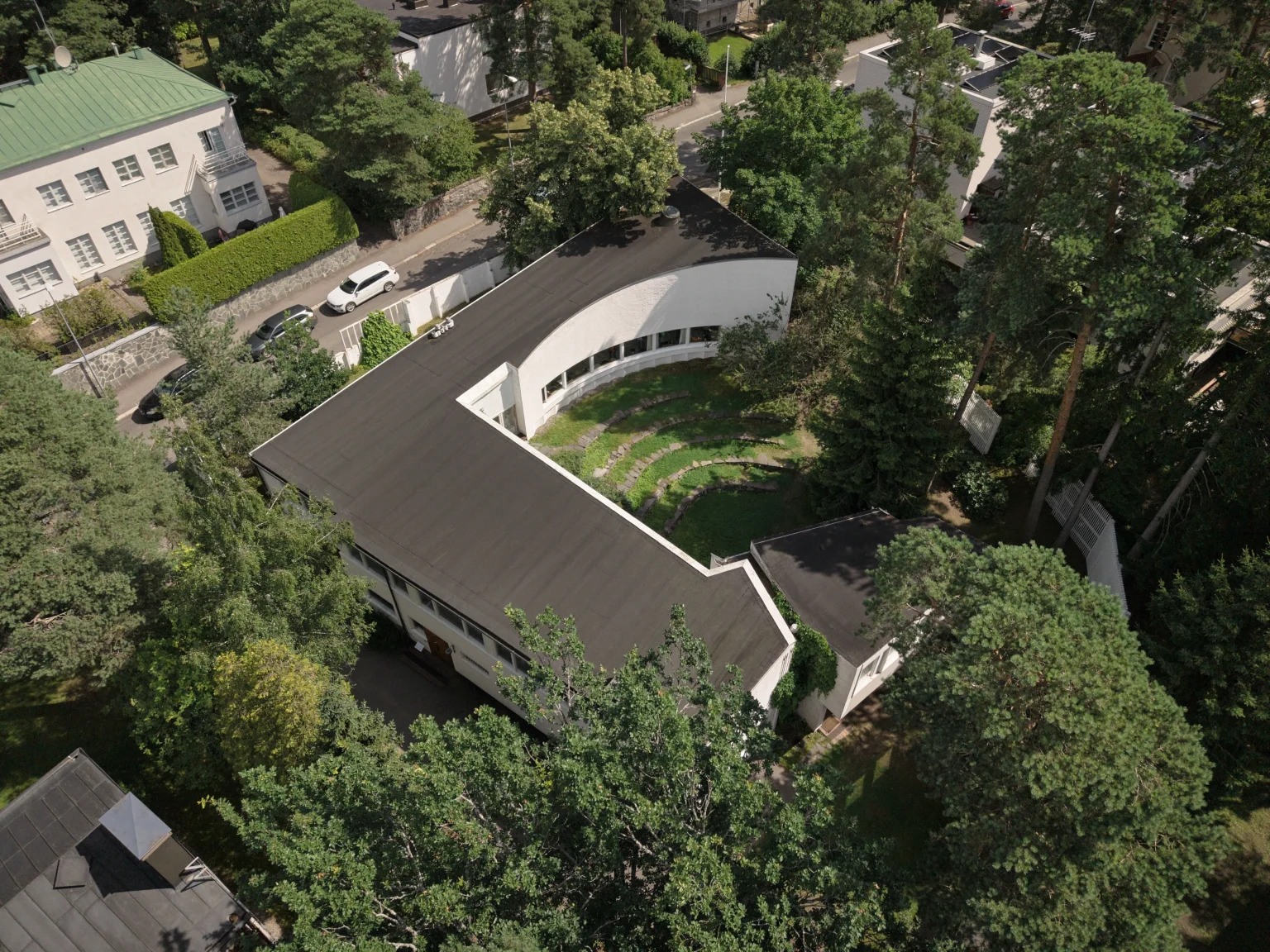
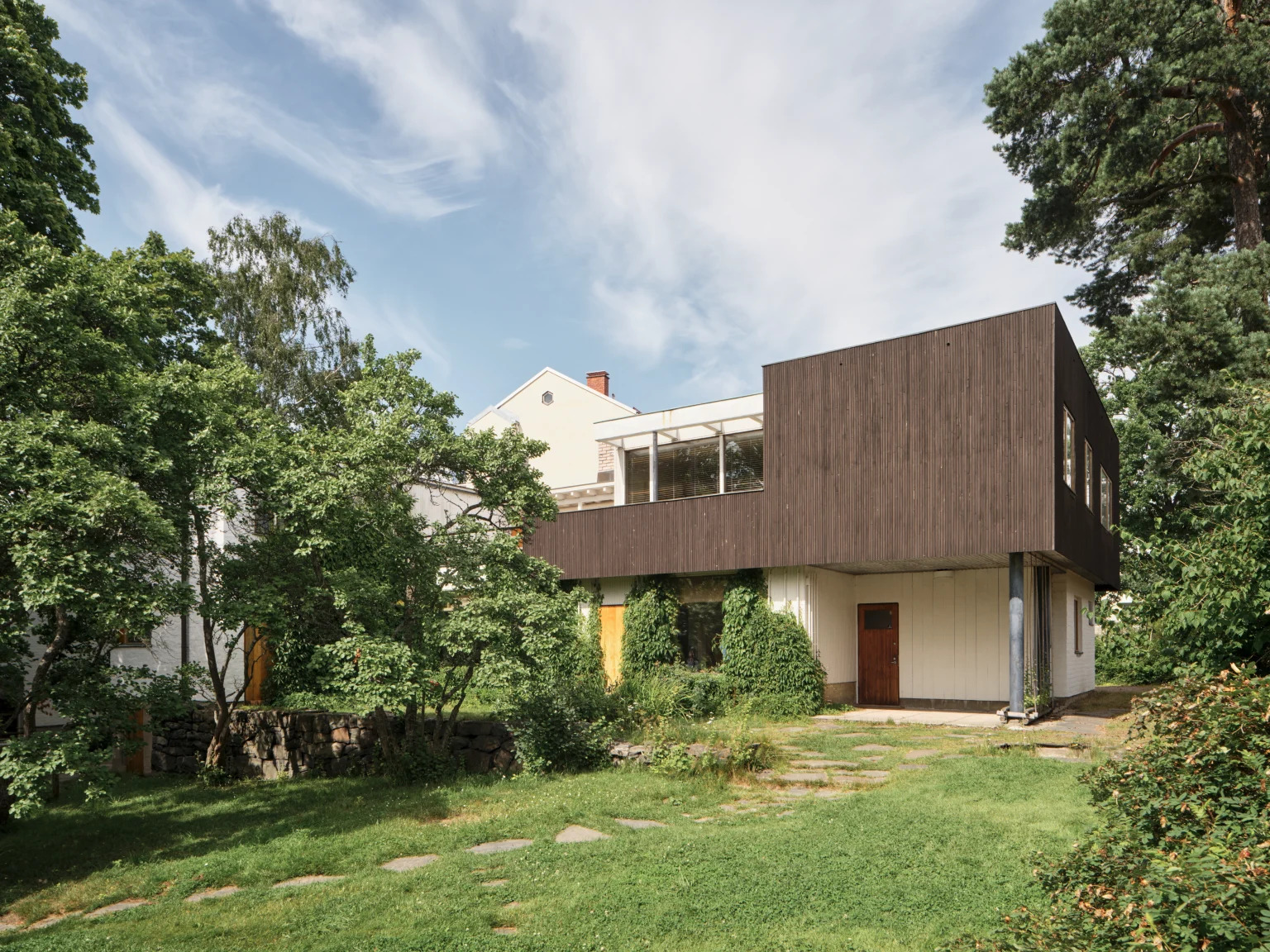


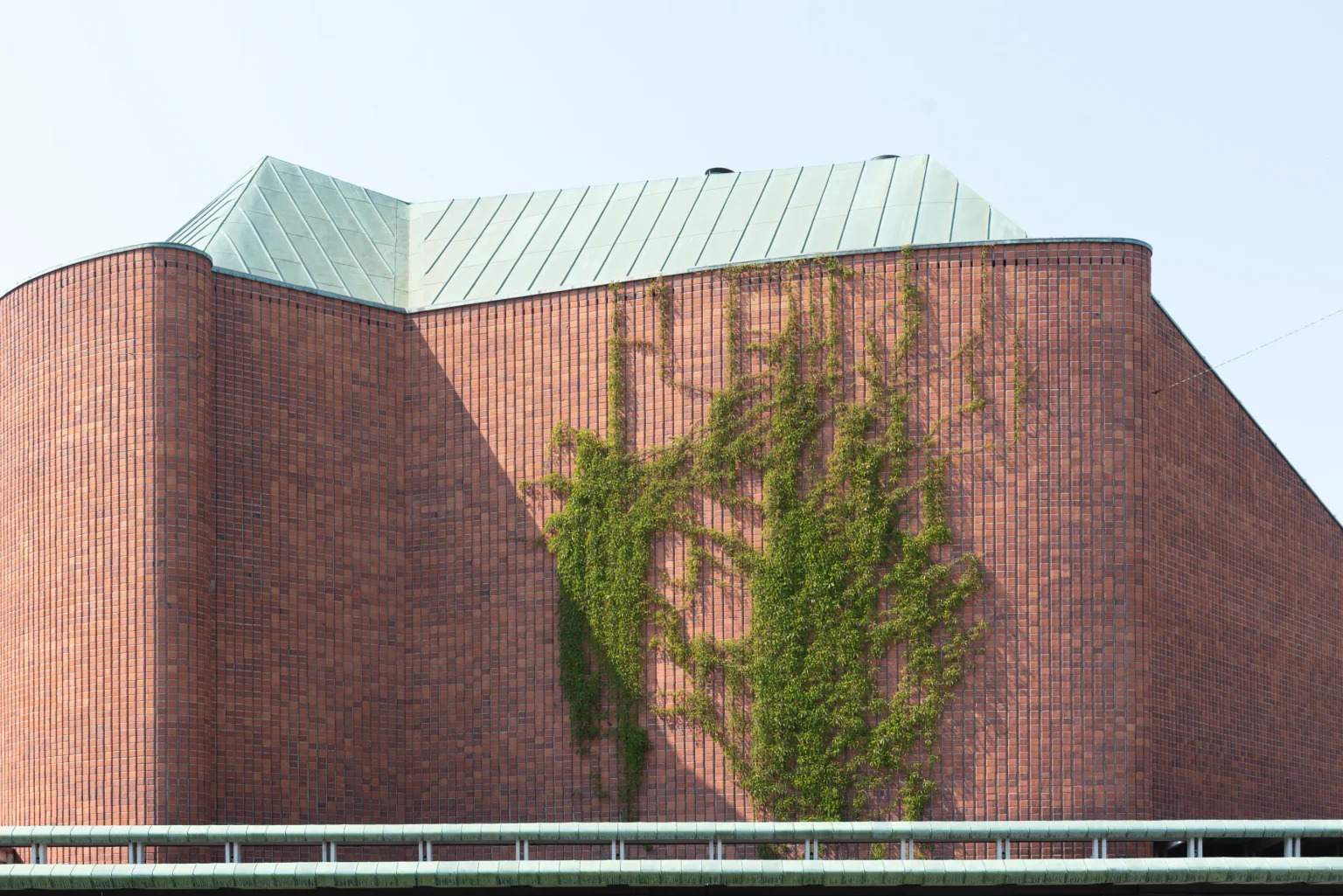

Table of Contents Show
The UNESCO World Heritage List now includes Aalto Works, a serial property of 13 buildings and ensembles across Finland designed by Alvar, Aino and Elissa Aalto. The World Heritage Committee approved the inscription on 26 July 2026 at its 48th session in Busan, Republic of Korea, making it Finland’s first listed site of modern architecture.
For a country with seven existing World Heritage properties, all of them fortresses, churches, mills and prehistoric sites, this is a different kind of entry. The property is not a single monument. It is a set of thirteen locations spread from Kotka in the southeast to Seinäjoki in the west, tied together by a shared argument about what modern architecture was for. Reading the decision carefully tells you more about how heritage listing works in 2026 than any single building on the list does.
What Was Inscribed, and When
The Committee met in Busan from 19 to 29 July 2026 and added 25 new properties to the World Heritage List: 19 cultural, five natural and one mixed. Aalto Works was among the cultural inscriptions, announced by Finland’s Ministry of Education and Culture on 26 July.
In the UNESCO records the property carries dossier number 1752. It is listed under a single cultural criterion, criterion (ii), and covers 101.131 hectares, with a buffer zone of 524.769 hectares wrapped around the component sites. UNESCO gives the span of the property as 1928 to 1988, which is wider than the construction dates the Alvar Aalto Foundation publishes for the individual buildings, since design phases and later additions stretch the range at both ends.
The official description places the credit carefully. The works are internationally associated with Alvar Aalto, but the inscription names Aino Marsio-Aalto, Elissa Aalto, the Aalto studio and its design partners as part of the same body of work. That phrasing is not decorative. Serial nominations are assessed on a single argument of Outstanding Universal Value, and Finland built its case around a studio practice rather than a solo career.
🎓 Expert Insight
“It also opens up new opportunities for cooperation and tourism.”, Mari-Leena Talvitie, Minister of Science and Culture, Finland
The minister framed the inscription as both recognition and obligation, noting in the same statement that it commits Finland to safeguarding the sites for future generations. Visitor growth and conservation duty arrive together with a World Heritage plaque, and the management burden falls on thirteen separate owners rather than one.
Finland ratified the World Heritage Convention in 1987, and its first two properties, Suomenlinna and Old Rauma, were inscribed in 1991. Aalto Works is the eighth, and the seventh cultural one.
The 13 Aalto Works Sites in Full
Five of the thirteen components sit in Helsinki, forming the densest cluster in the property. Two of them, the house and the studio, are where the practice actually operated.
Helsinki Components
| Site | Dates | Building type |
|---|---|---|
| The Aalto House, Riihitie | 1935 to 1936 | Family house, now a museum |
| Studio Aalto, Tiilimäki | 1954 to 1955, 1962 to 1963 | Architects’ studio |
| National Pensions Institute (KELA) | 1953 to 1957 | Administration building |
| House of Culture (Kulttuuritalo) | 1952 to 1958 | Cultural venue |
| Finlandia Hall | 1962, 1967 to 1975 | Congress and concert building |
The remaining eight components cover the rest of the country, and they are the ones that carry the social argument. A pulp mill housing estate, a town hall on an island, a university campus and a whole town centre are not the usual material of an architect’s monograph.
Components Outside Helsinki
| Site | Location | Dates |
|---|---|---|
| Sunila Pulp Mill Residential Area | Kotka | 1936 to 1938, 1947, 1951 to 1954 |
| Paimio Sanatorium | Paimio | 1929 to 1933 |
| Säynätsalo Town Hall | Jyväskylä | 1949 to 1952 |
| Muuratsalo Experimental House | Jyväskylä | 1952 to 1954 |
| University of Jyväskylä, Aalto Campus | Jyväskylä | 1951 to 1971 |
| Seinäjoki Civic Centre | Seinäjoki | 1951 to 1987 |
| Villa Mairea | Noormarkku, Pori | 1938 to 1939 |
| Church of the Three Crosses | Imatra | 1956 to 1958 |
Anyone who has followed Aalto’s design philosophy across his career will notice what the selection favours. Paimio, Villa Mairea and Säynätsalo are the canonical trio in most surveys, but Sunila, Seinäjoki and the Jyväskylä campus are here because they show architecture operating at the scale of a community rather than a client.
Why Criterion (ii) Decides How You Read This Listing
Cultural properties can be inscribed under any of six criteria, and the combination tells you what argument the Committee accepted. Criterion (i) covers a masterpiece of human creative genius. Criterion (ii) covers an important interchange of human values, over a span of time or within a cultural area, on developments in architecture, technology, town planning or landscape design.
Aalto Works was inscribed under criterion (ii) alone. The accepted case is about exchange and influence, a body of work rooted in Finnish building traditions that absorbed international modernist ideas and sent a human centred version of them back out into the world. It is not a claim that these are the thirteen finest buildings of the twentieth century.
For architects the practical reading is different from the tourist reading. A criterion (ii) property has to demonstrate transmission, which means the nomination dossier had to show where the ideas went: bent birch replacing tubular steel in furniture production, indirect daylight strategies copied into libraries and hospitals well beyond Finland, and civic buildings planned around gathering rather than display. The buildings are evidence for a claim about influence, and that is a higher bar to keep proving over time than beauty is.
That distinction matters when you compare the property with the two earlier single architect listings.
Modern Architecture Serial Properties Compared
| Property | Inscribed | Components | Criteria | Core area |
|---|---|---|---|---|
| Architectural Work of Le Corbusier | 2016 | 17 sites, seven countries | (i)(ii)(vi) | 98.48 ha |
| 20th-Century Architecture of Frank Lloyd Wright | 2019 | 8 buildings, United States | (ii) | 26.37 ha |
| Aalto Works | 2026 | 13 sites, Finland | (ii) | 101.13 ha |
Le Corbusier’s property is the outlier: three criteria, including the masterpiece clause, and a transnational structure spanning Argentina, Belgium, France, Germany, India, Japan and Switzerland. The Wright and Aalto properties both rest on criterion (ii) alone, and both stay inside one country. Aalto Works is also the largest of the three by core area, which is a function of what it contains. A pulp mill housing estate and a university campus take up far more ground than a villa.
Which Aalto Buildings Are Not on the List?
A national serial nomination can only include property inside the nominating state. Finland nominated Finnish sites, so the map stops at the border, and several works that appear in every Aalto survey are absent.
Baker House at MIT in Cambridge, Massachusetts, completed in 1949, is not part of the property. Neither is Maison Louis Carré near Paris, nor the Alvar Aalto cultural centre in Wolfsburg, Germany. The most significant absence is the Viipuri Library, finished in 1935 in what was then Finnish Viipuri and is now Vyborg in Russia. Its reading room skylights and undulating timber lecture hall ceiling are among the most reproduced images in modern architecture, and they sit outside the listing for reasons of geography and politics rather than quality.
🏗️ Real-World Example
Viipuri Library (Vyborg, 1935): The circular skylights that light the reading room without glare, and the wave form timber ceiling that spreads sound evenly across the lecture hall, were tested here decades before either move appeared in Aalto’s Finnish public buildings. The building was restored through a Finnish and Russian committee over roughly twenty years, but it cannot form part of a Finnish serial nomination.
Even inside Finland the property is a selection rather than an inventory. Aalto’s studio produced hundreds of buildings, and works such as the Alvar Aalto Museum in Jyväskylä, completed in 1973, were left out of the thirteen. Serial nominations are judged on whether the components together carry the argument, not on whether the list is complete, and a longer list is usually a weaker one because every added component brings its own conservation risk.
What Inscription Actually Changes on the Ground
Here is the part most coverage skips. World Heritage status did not give these buildings their legal protection. Every component was already protected under Finnish law before the Committee voted, and in most cases had been for decades.
The Aalto House was protected in 1982, the House of Culture in 1989, buildings on the Jyväskylä campus in 1992, 1997 and 2020, Paimio Sanatorium in 1993, Säynätsalo Town Hall in 1995, Finlandia Hall in 2002, the Church of the Three Crosses in 2003 under the Church Act, and the Seinäjoki buildings in 2005. Sunila was designated a national urban park in 2014. The most recent additions are Muuratsalo and Villa Mairea in 2023, and KELA and Studio Aalto in 2024, the latter covering interiors, furniture and the courtyard as well as the building shell.
So what does the listing add? Three things worth naming. First, the buffer zone, which at 524.769 hectares is more than five times the size of the property itself, and which puts surrounding development under scrutiny that ordinary building protection does not reach. Second, an obligation to report on the state of conservation and to manage thirteen sites as one property, with owners ranging from a state institution to private householders in Sunila. Third, visitor pressure, which is the reason the Muuratsalo Experimental House already limits visitor numbers to protect the building and its lakeside setting.
Buildings from the 1930s to the 1970s bring conservation problems that older listed properties do not, from concrete carbonation to failing thin stone cladding, an issue Finlandia Hall knows well. The debate about why some architectural styles endure while others fade is not abstract for twentieth century heritage. It decides which buildings are still standing when the listing arrives.
Protection statutes, access arrangements and opening hours vary by site and change over time. Check with each site operator before planning a visit.
Where Aalto Works Sits in Finland’s Heritage Map
Finland’s other World Heritage properties are the Fortress of Suomenlinna and Old Rauma, both 1991, Petäjävesi Old Church in 1994, the Verla Groundwood and Board Mill in 1996, the Bronze Age burial site of Sammallahdenmäki in 1999, the Struve Geodetic Arc in 2005 and the High Coast and Kvarken Archipelago in 2006. Seven properties, and until this year not one of them from the twentieth century.
The 2026 session was a strong year for modern heritage more generally. Gdynia Modernist City Centre in Poland and Tashkent Modernist Architecture in Uzbekistan were inscribed in the same session, alongside Aalto Works. Three separate arguments for twentieth century buildings as world heritage, accepted in a single sitting, suggests the Committee’s appetite for the recent past is no longer exceptional.
That shift has been building for a while. The World Heritage List already holds Brasília, the Bauhaus sites, the White City of Tel Aviv, the Sydney Opera House, Luis Barragán’s house and studio and the Rietveld Schröder House. What has changed is the type of argument being accepted. Aalto Works was inscribed for what its buildings did for a society, not for how they look, and the same logic runs through the Gdynia and Tashkent cases. It is a reading of modernism and its aftermath that treats housing estates and civic centres as seriously as museums and villas.
Visiting the Thirteen Sites
Six of the thirteen are straightforward to visit. The Aalto House and Studio Aalto in Helsinki operate as museums, with the studio still used by the Alvar Aalto Foundation. Villa Mairea opens for guided tours. Paimio Sanatorium is open to the public and is being developed as a destination. The House of Culture and Finlandia Hall are working venues, which means the easiest way inside is to buy a ticket to something.
The rest need planning. The Muuratsalo Experimental House opens as a museum at limited times, with capped visitor numbers. Säynätsalo Town Hall combines tourism with services for residents. The Jyväskylä campus is a functioning university, KELA’s headquarters is still an operating administrative building, and the Church of the Three Crosses in Imatra is still a parish church. Sunila is a residential area where the houses are privately owned, so it is a place to walk through rather than a site with a ticket desk.
If you are building a route, the geography splits cleanly into three clusters: Helsinki with five sites, Jyväskylä with three including Muuratsalo, and then the coastal and western group of Paimio, Villa Mairea in Noormarkku, Sunila in Kotka, Imatra and Seinäjoki. Trying to see all thirteen in one trip means a lot of driving across a country the size of Finland, and the Helsinki cluster alone gives you a house, a studio, an office building, a cultural venue and a congress hall from four different decades.
Seen together, the sites make the same argument that runs through Nordic building culture more broadly, visible in everything from contemporary Scandinavian houses to the wider comparison between Nordic and Japanese approaches to restraint. Modern architecture did not have to be cold to be modern.
Looking Ahead
The inscription also settles an old argument about regional modernism. Aalto spent his career being described as the modernist who broke the rules, the outsider who softened the International Style with brick and birch. A listing that recognises exactly that position, and does so under the criterion for interchange between traditions, effectively files his approach as central rather than peripheral. The same reasoning supports the case for vernacular knowledge inside modern practice that architects keep rediscovering.
It is worth remembering what the thirteen sites have in common. A sanatorium, a workers’ housing estate, a town hall, a campus, a pension institute, a civic centre and a church. Most of the property is public architecture built for people who never chose their architect. That is the part of the twentieth century the UNESCO World Heritage List has now recognised, and the part contemporary practice finds hardest to repeat, as anyone comparing today’s landmark commissions with the most iconic buildings of the past century will notice.
Your Next Step: Pick one cluster rather than the whole property and build a two day route around it. The Helsinki group gives you a house, a studio, an office building, a cultural venue and a congress hall within one city, and it is the only cluster where every component can be seen without a long drive. Book the Aalto House and Studio Aalto slots before you fix the dates, since both run on timed museum entry.
Primary sources for the inscription sit with the UNESCO World Heritage Centre, which publishes the dossier, criteria and boundaries, and the Alvar Aalto Foundation, which lists every component with its protection status and current use. Finland’s Ministry of Education and Culture carries the official statement, with news coverage from ArchDaily and Dezeen.






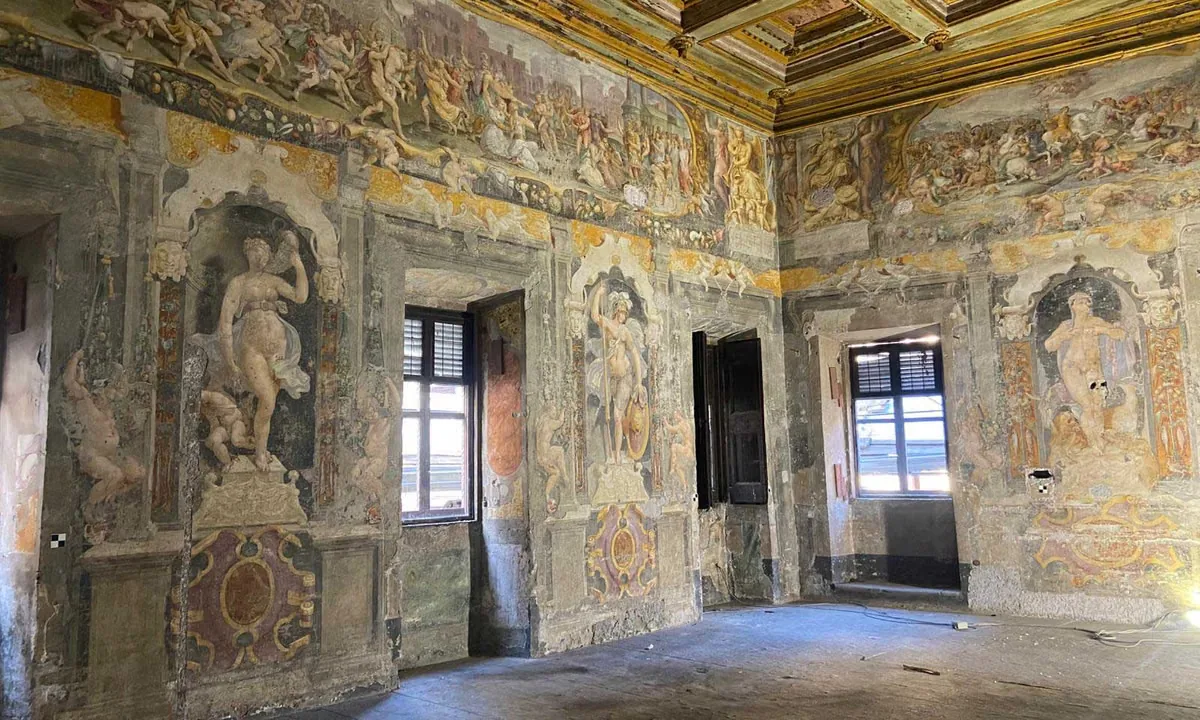
Restorers Uncover 16th-Century Murals Hidden by Nuns in Villa Silvestri Rivaldi
Conservators in Rome are uncovering 16th-century murals hidden for 300 years inside...
 illustrarch Editoral Team3 Mins read

A New Book Records the 1970s Interiors of Ebony and Jet’s Chicago Headquarters
820 Ebony/Jet collects Barbara Karant's photographs of the empty Johnson Publishing Company...
illustrarch Editoral Team2 Mins read
A 2,500-Year-Old Solar Observatory in Puebla Is the First Group E Complex Found Outside the Maya Area
Archaeologists working for Mexico's INAH have confirmed that two platforms at Teteles...
illustrarch Editoral Team2 Mins read
India Art, Architecture & Design Biennale 2026: Ministry of Culture Opens Delhi Monuments
Delhi's monuments, including Purana Quila and the Red Fort, will host the...
illustrarch Editoral Team2 Mins read


Leave a comment